ASUS TUF Gaming FX507ZC4-HN363-GAMING RAM upgrade specifications




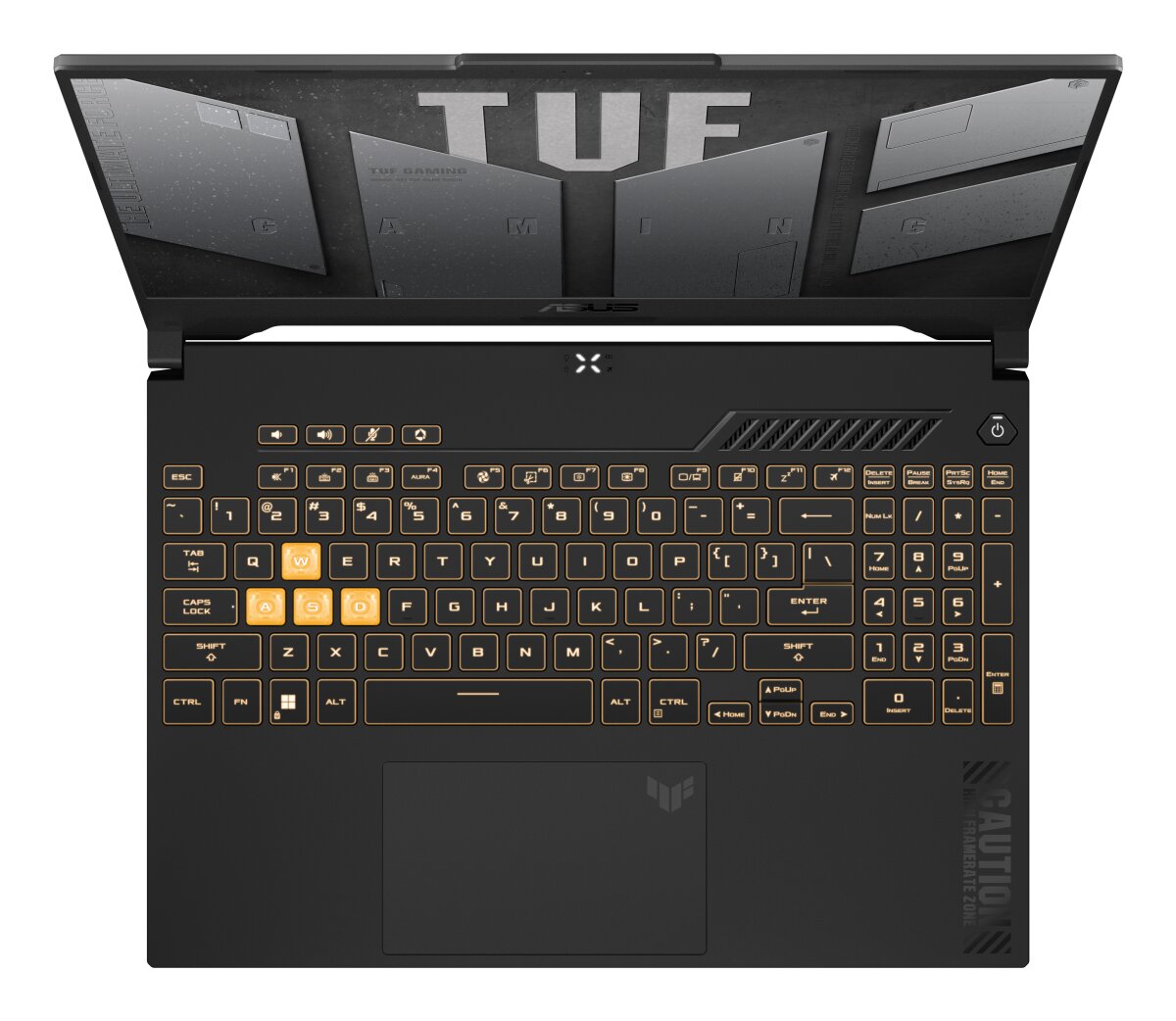
ASUS TUF Gaming FX507ZC4-HN363-GAMING laptop features DDR4-SDRAM memory with two SO-DIMM slots supporting maximum upgrade capacity of 32 GB total. Compatible RAM operates at 3200 MHz frequency. Specifications indicate memory upgrade options available through dual SO-DIMM slot configuration, allowing users to expand system RAM capacity up to stated maximum specifications. The F15 series gaming laptop supports standard DDR4 memory modules in SO-DIMM form factor for performance enhancement and multitasking capability upgrades.
Memory Upgrade Specifications
| Specification | Value |
|---|---|
| Memory slots | 2x SO-DIMM |
| Form factor | SO-DIMM |
| Memory type | DDR4-SDRAM |
| Frequency | 3200 MHz |
| Maximum RAM | 32 GB |
| Voltage | 1.2V |
| Number of pins | 260-pin |
| Interface | PC4 |
| PC Speed Rating | PC4-3200 (PC4-25600) |
| Bandwidth | 25.6 GB/s |
Additional Notes
- The 32 GB ceiling stems from chipset limitations rather than slot availability, meaning attempts to install higher-capacity modules will result in system instability or failure to POST.
- DDR4-3200 represents the native JEDEC speed; modules rated above this frequency will downclock to 3200 MHz unless XMP profiles are supported and enabled in the BIOS of the ASUS TUF Gaming FX507ZC4-HN363-GAMING.
- Dual-channel operation requires matched module capacities across both slots, with mismatched configurations forcing single-channel mode and reducing memory bandwidth by approximately 50 percent.
- DDR5 modules are physically incompatible due to different notch positions on the SO-DIMM connector, preventing insertion regardless of capacity or speed ratings.
- Asymmetric configurations such as 8 GB plus 16 GB will operate but may trigger flex mode, where only the matched portion runs in dual-channel while excess capacity defaults to single-channel.
- CAS latency variations between modules from different manufacturers can cause training failures during boot, requiring manual timing adjustments or BIOS reversion to defaults.
- Non-standard voltage modules rated at 1.35V or higher may function but generate excess heat in the confined SO-DIMM area, potentially triggering thermal throttling under sustained workloads.
- ECC SO-DIMM modules will physically fit but lack chipset support, causing the error-correction features to remain inactive while introducing compatibility risks.
- Mixing single-rank and dual-rank modules forces the memory controller to operate at the lower rank configuration across all slots, reducing interleaving efficiency.
- Warranty preservation requires avoiding frame disassembly beyond the designated service panel, as many implementations place memory slots under keyboard assemblies or require motherboard removal.
- Operating systems limited to 32-bit architecture will address only 3.5 GB regardless of installed capacity, wasting investment in higher-density configurations.
- Intel-based systems lack official support for speeds beyond JEDEC specifications without motherboard vendor validation, making stability dependent on ASUS BIOS maturity.