ASUS TUF Gaming FX507ZE-HN065W RAM upgrade specifications


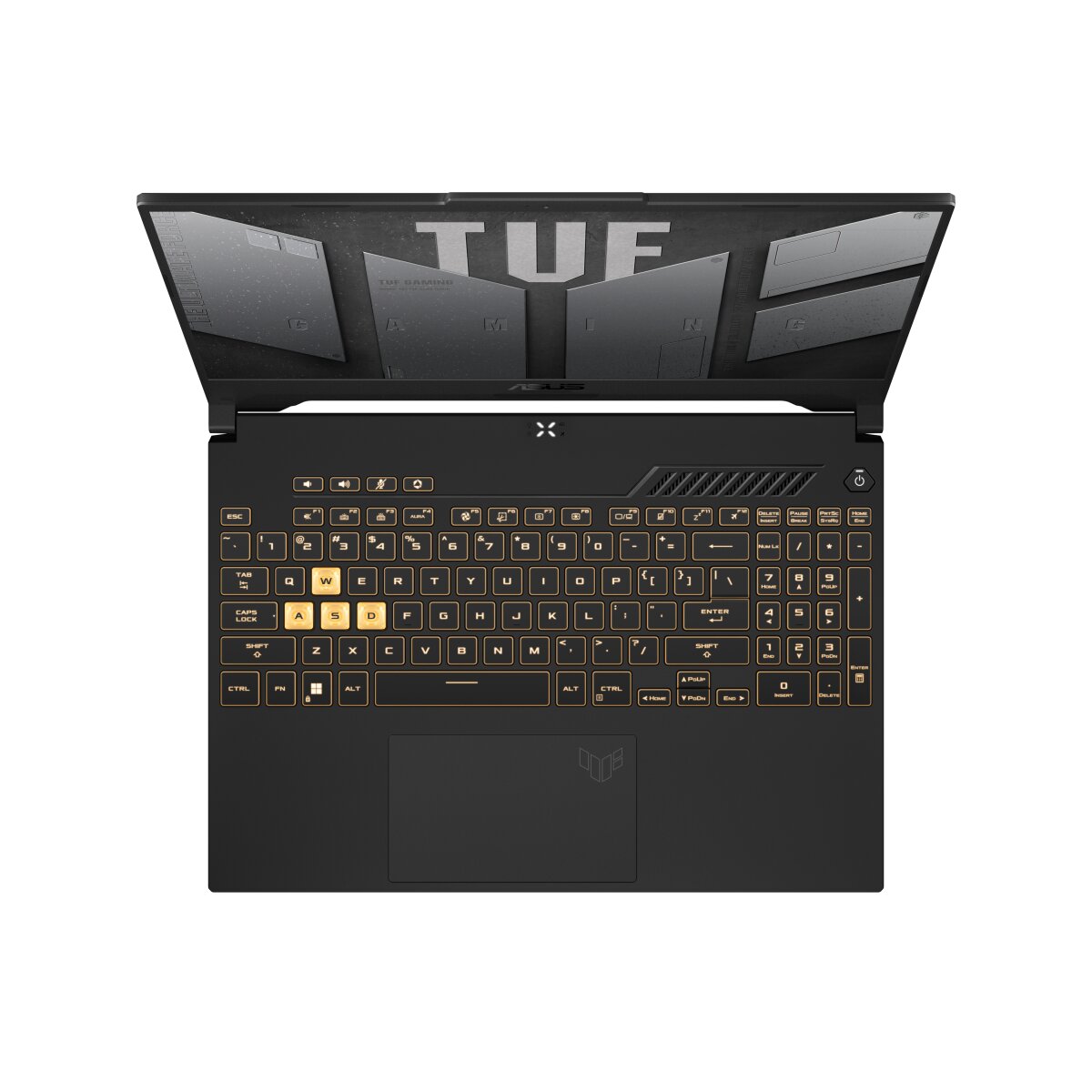
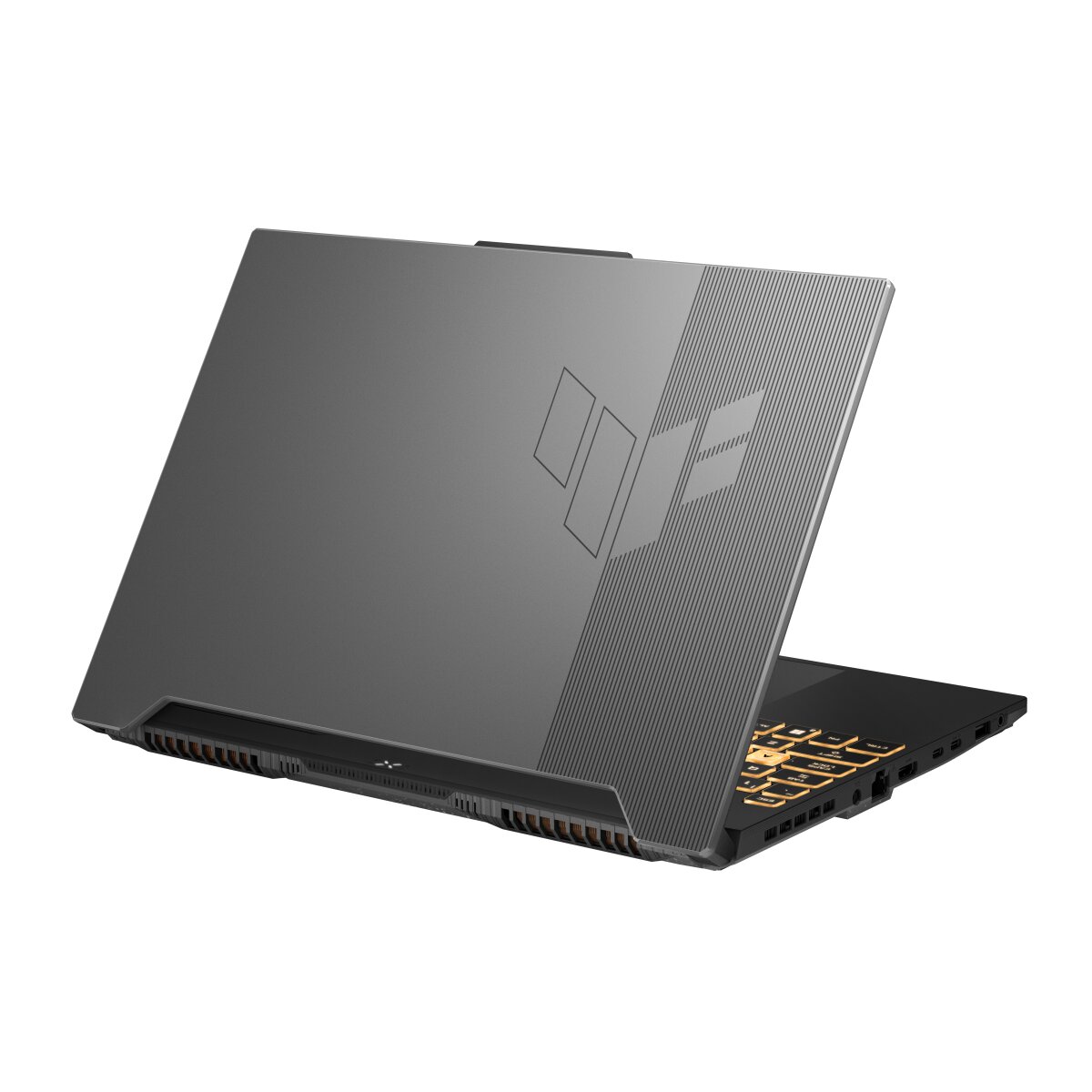
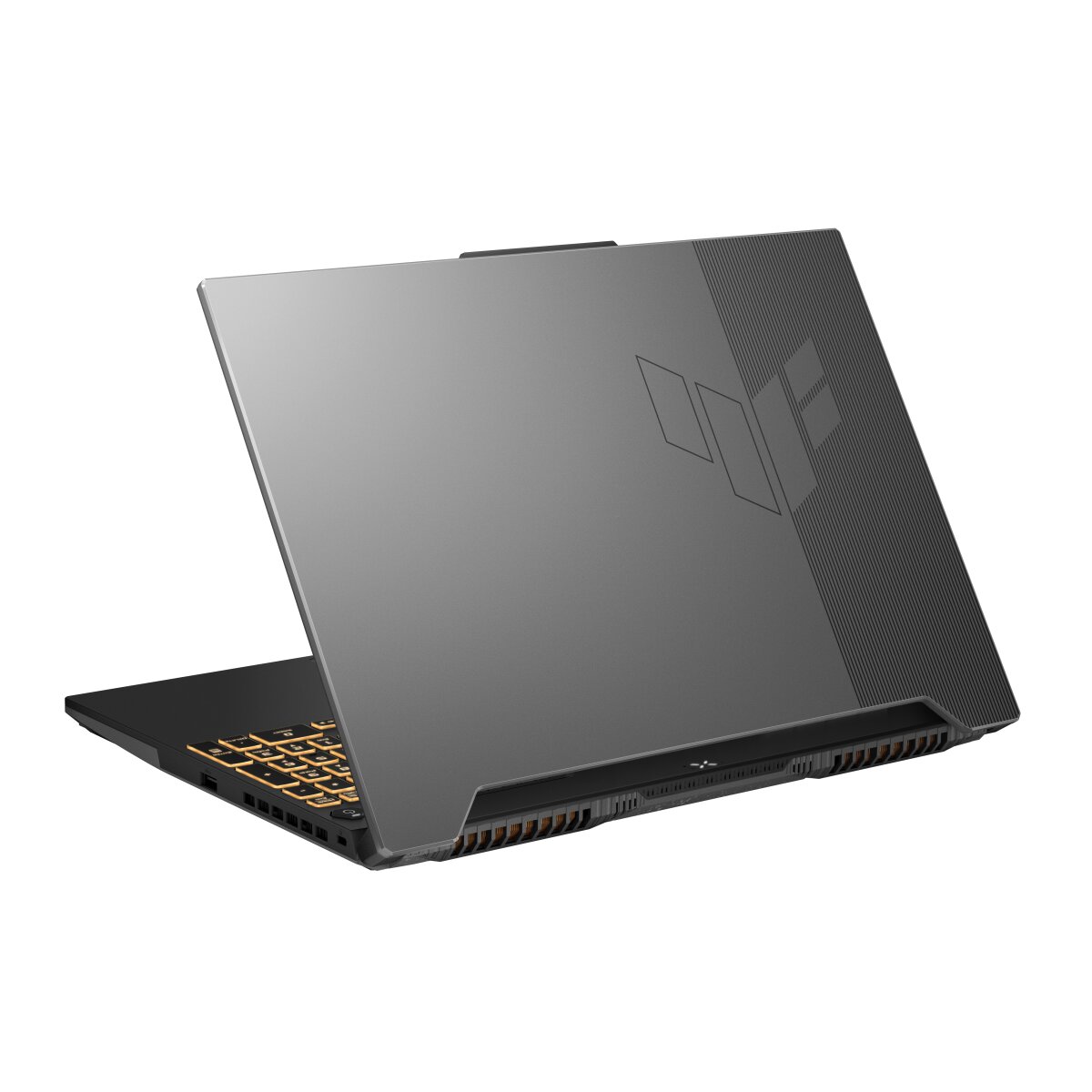
ASUS TUF Gaming F15 series model FX507ZE-HN065W supports DDR5-SDRAM memory upgrades. The laptop contains two SO-DIMM slots for RAM expansion. Maximum memory capacity reaches 32 GB total. Compatible upgrades utilize SO-DIMM form factor specifications operating at 4800 MHz frequency. Current memory configuration and upgrade slots allow for performance enhancement through additional RAM installation to the specified maximum capacity.
Memory Upgrade Specifications
| Specification | Value |
|---|---|
| Memory slots | 2x SO-DIMM |
| Form factor | SO-DIMM |
| Memory type | DDR5-SDRAM |
| Frequency | 4800 MHz |
| Maximum RAM | 32 GB |
| Voltage | 1.1V |
| Number of pins | 262-pin |
| Interface | PC5 |
| PC Speed Rating | PC5-4800 (PC5-38400) |
| Bandwidth | 38.4 GB/s |
| Laptop Release date | 13 July 2022 |
Additional Notes
- The presence of 2 physical SO-DIMM slots ensures that dual-channel memory architecture is achievable, which doubles the available bandwidth for the integrated graphics and the processor compared to single-stick configurations.
- The DDR5 standard utilized by the ASUS TUF Gaming FX507ZE-HN065W incorporates On-die Error Correction Code (ECC) at the chip level, resulting in improved data integrity and system stability during high-load computational tasks.
- Internal circuitry limitations and BIOS firmware define a maximum capacity ceiling of 32 GB, meaning any attempt to install 32 GB modules into a single slot will likely result in a failure to boot or memory addressing errors.
- Standard voltage requirements for 4800 MHz DDR5 modules are lower than previous generations, which reduces heat dissipation within the chassis and extends the lifespan of the motherboard power delivery components.
- The SO-DIMM form factor necessitates the use of unbuffered, non-ECC modules for consumer laptops, as registered or server-grade memory will be physically and electrically incompatible with the motherboard.
- Populating both memory slots with matching module densities and timings is required to prevent the system from down-clocking to the lowest common denominator, ensuring the 4800 MHz frequency is maintained across the entire bus.
- Replacement of existing memory sticks involves direct access to the motherboard via the bottom panel, which may require specific plastic prying tools to avoid damaging the internal retention clips or static-sensitive traces.