ASUS TUF Gaming FX706LI-HX200T RAM upgrade specifications
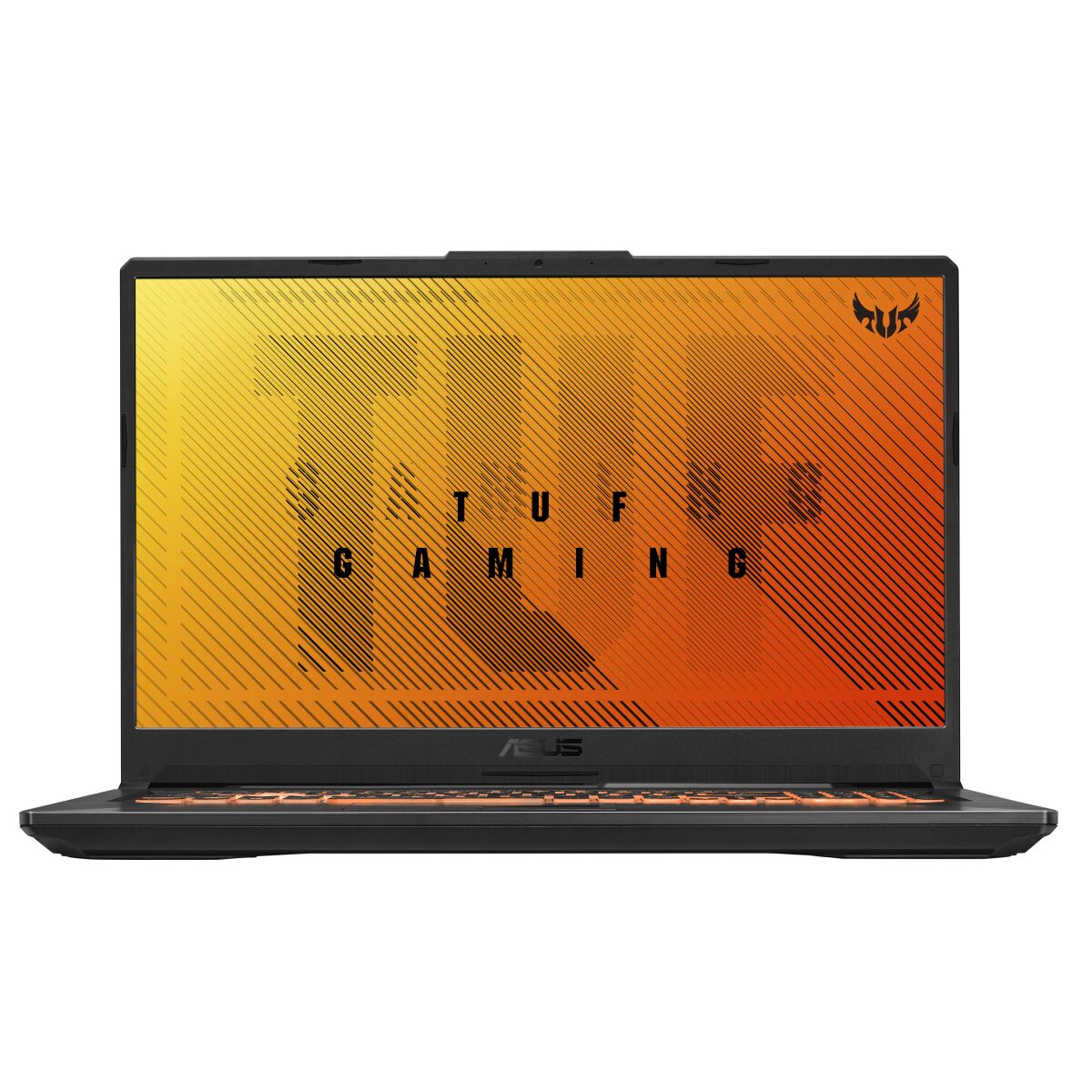
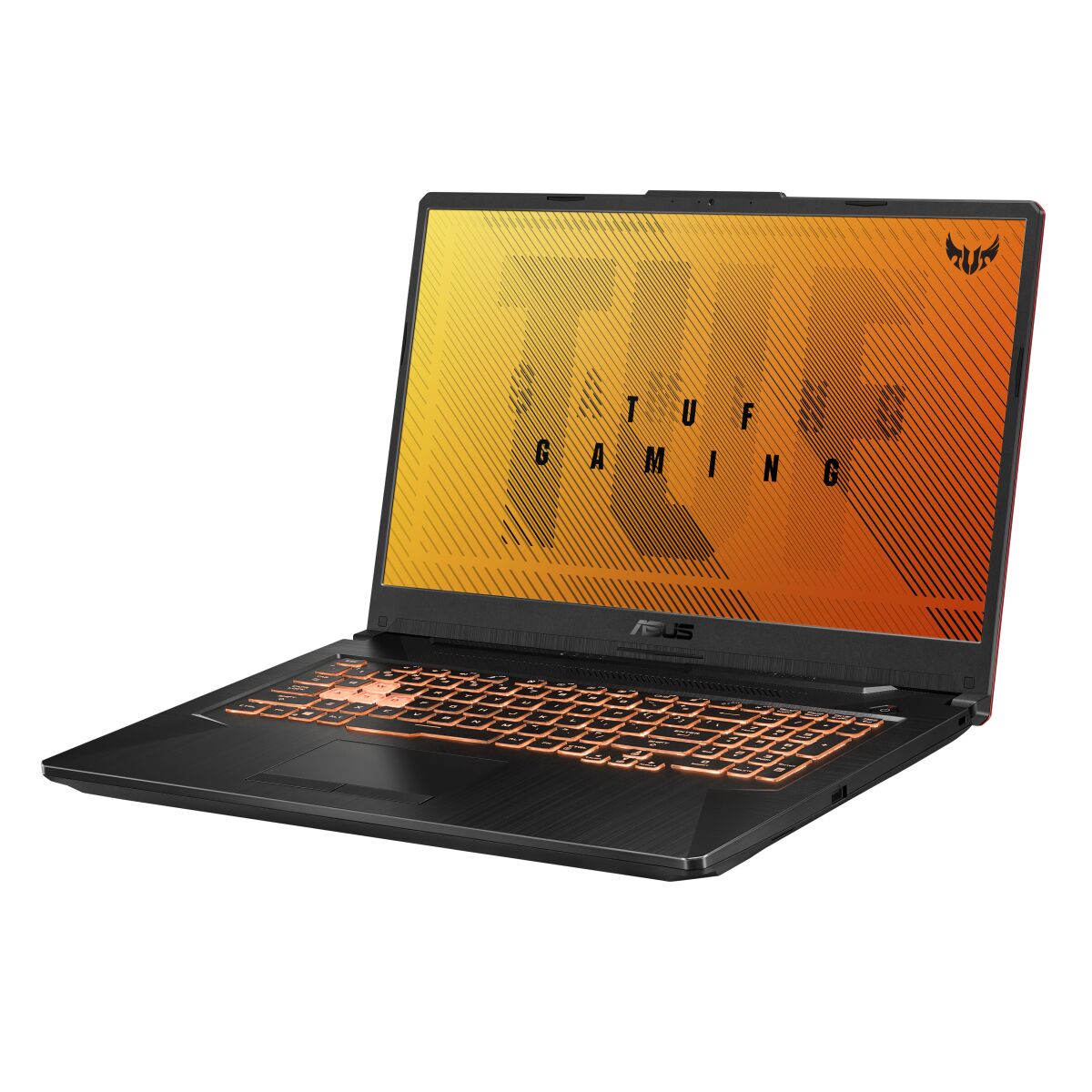
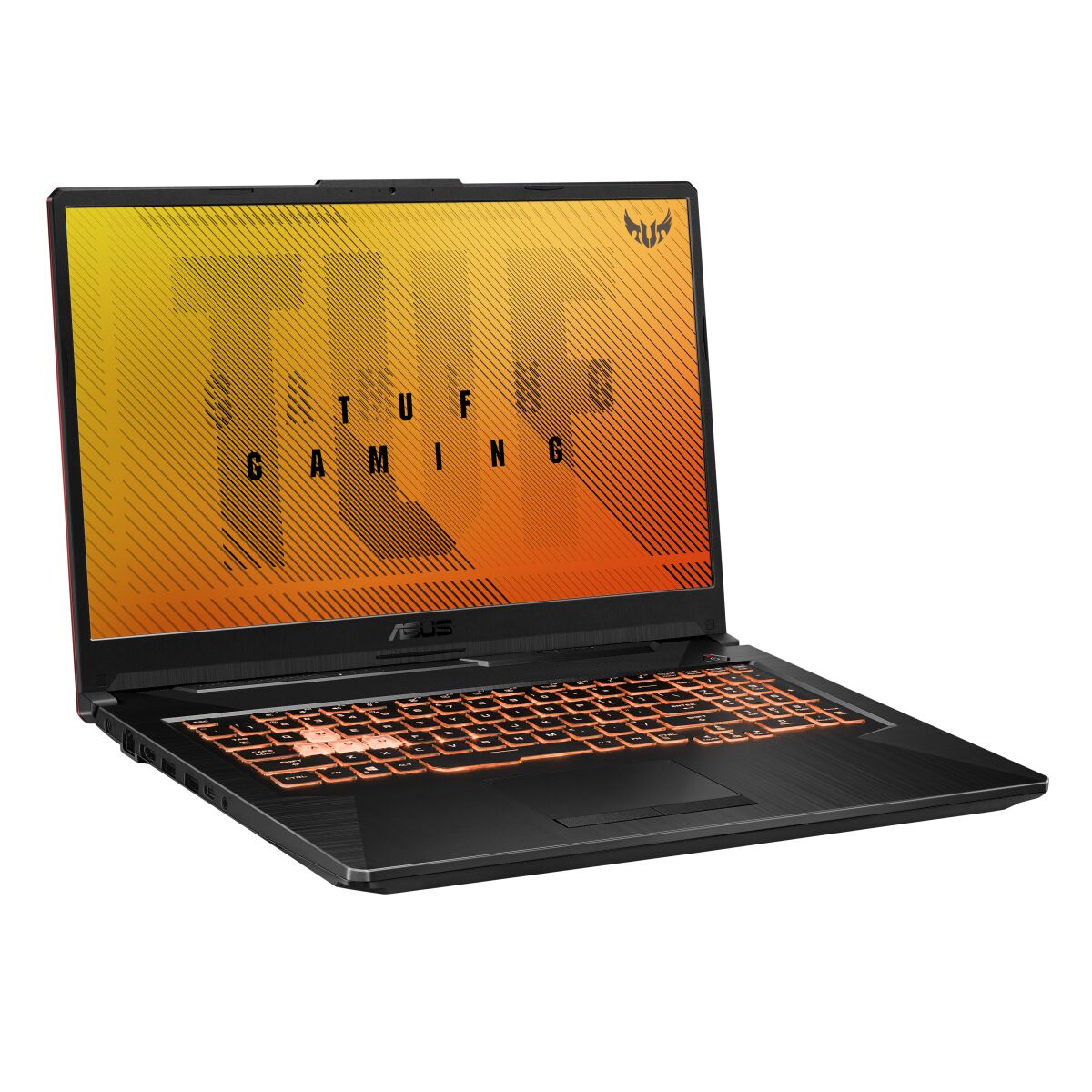
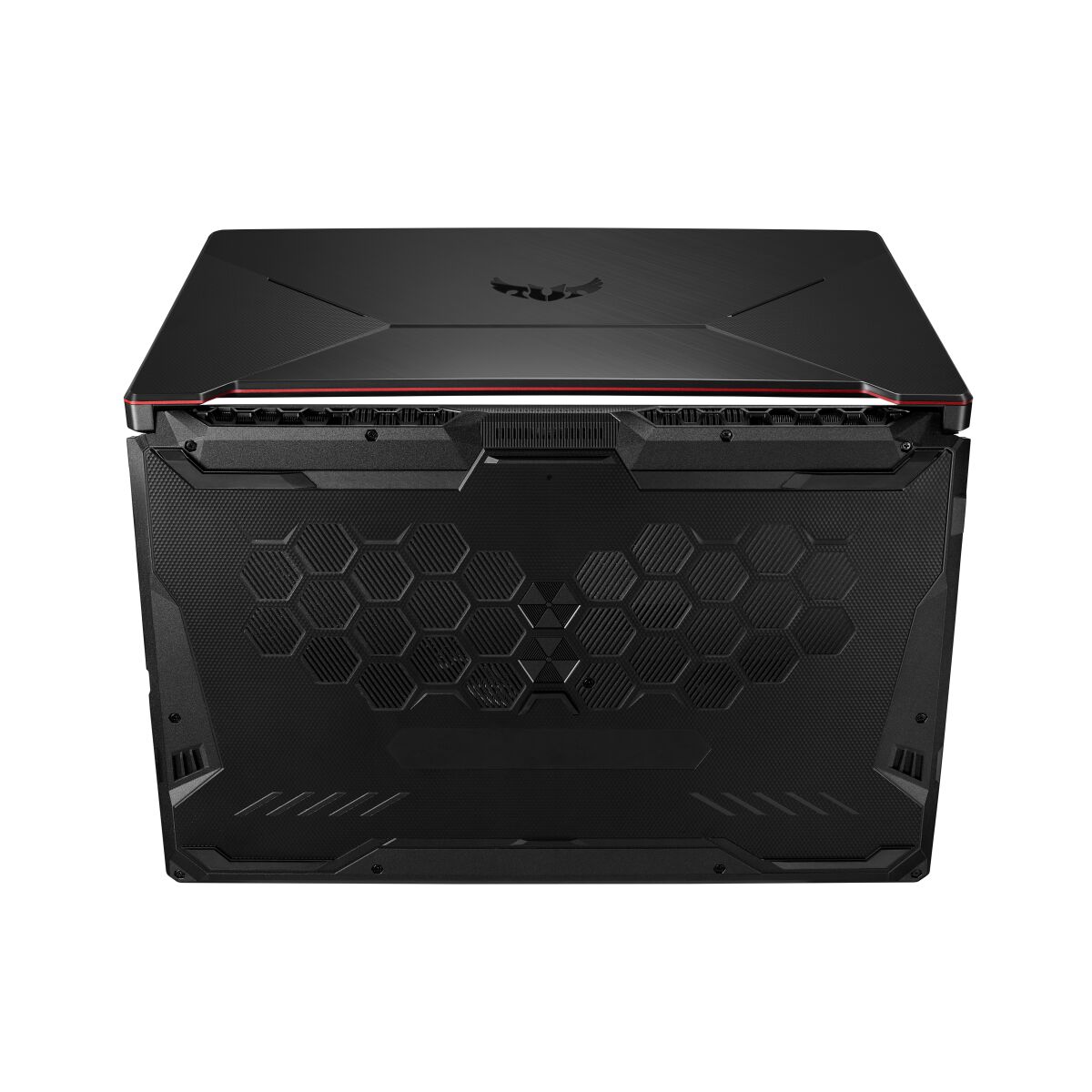
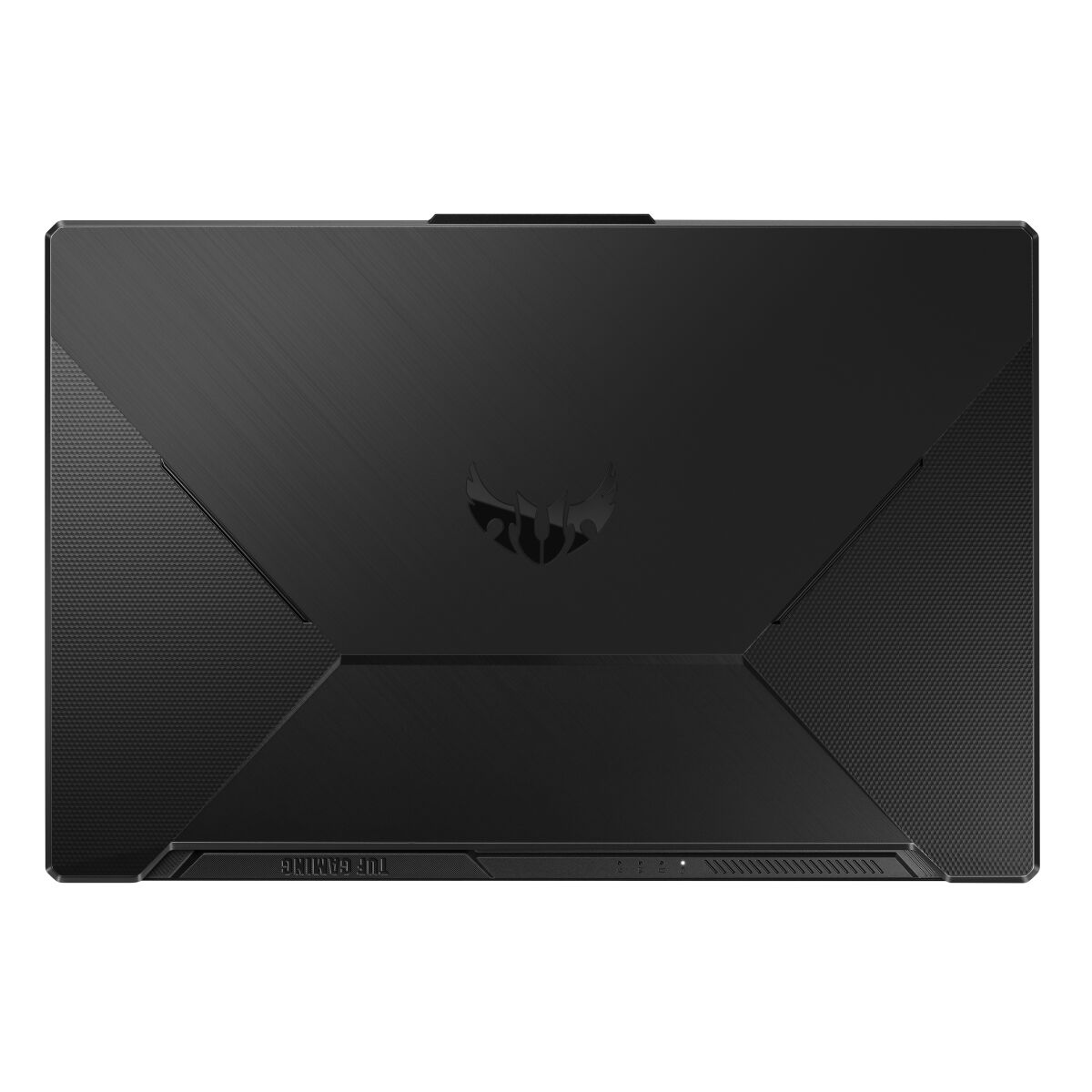
ASUS TUF Gaming F17 FX706LI-HX200T laptop RAM upgrade specifications include DDR4-SDRAM memory type with 2x SO-DIMM slots and a maximum capacity of 32 GB. The compatible memory operates at 3200 MHz frequency using SO-DIMM form factor. Upgrade options support DDR4-SDRAM modules to enhance system performance and multitasking capabilities for the FX706LI-HX200T model.
Memory Upgrade Specifications
| Specification | Value |
|---|---|
| Memory slots | 2x SO-DIMM |
| Form factor | SO-DIMM |
| Memory type | DDR4-SDRAM |
| Frequency | 3200 MHz |
| Maximum RAM | 32 GB |
| Voltage | 1.2V |
| Number of pins | 260-pin |
| Interface | PC4 |
| PC Speed Rating | PC4-3200 (PC4-25600) |
| Bandwidth | 25.6 GB/s |
| Laptop Release date | 19 January 2021 |
Additional Notes
- The ASUS TUF Gaming FX706LI-HX200T accepts a maximum of 32 GB total memory, meaning each SO-DIMM slot supports up to 16 GB modules when both positions are populated.
- DDR4-3200 operates at PC4-25600 transfer rates, delivering 25.6 GB/s theoretical bandwidth per channel, which doubles to 51.2 GB/s in dual-channel configuration when both slots contain matched modules.
- Installing a single module forces single-channel mode, reducing memory bandwidth by approximately 50% and potentially limiting performance in memory-intensive applications and gaming scenarios.
- Mixing modules with different speeds causes the memory controller to downclock all installed RAM to match the slowest module's frequency, negating any potential performance advantage from faster modules.
- Non-matching capacity configurations remain functional but may prevent optimal dual-channel operation, as asymmetric setups typically run in flex mode with reduced bandwidth benefits.
- DDR4 SO-DIMM modules physically measure 69.6 mm in length with 260 pins, making desktop DIMM modules mechanically incompatible despite identical DDR4 technology.
- Voltage specifications for DDR4-3200 standard modules operate at 1.2V, while overclocked or gaming-branded modules may require higher voltages that mobile chipsets cannot supply, risking instability or boot failure.
- Accessing internal memory slots typically requires bottom panel removal, which may void manufacturer warranty if security seals are broken or damage occurs during disassembly.
- CAS latency timings affect real-world responsiveness, where lower CL values at identical frequencies reduce access delays, though compatibility with the laptop's memory controller determines whether advertised timings can be achieved.
- Thermal considerations become relevant when maximizing capacity, as 32 GB configurations generate more heat than lower-density setups, potentially affecting sustained performance in thermally constrained laptop chassis.