ASUS TUF Gaming FX706LI-HX205T RAM upgrade specifications



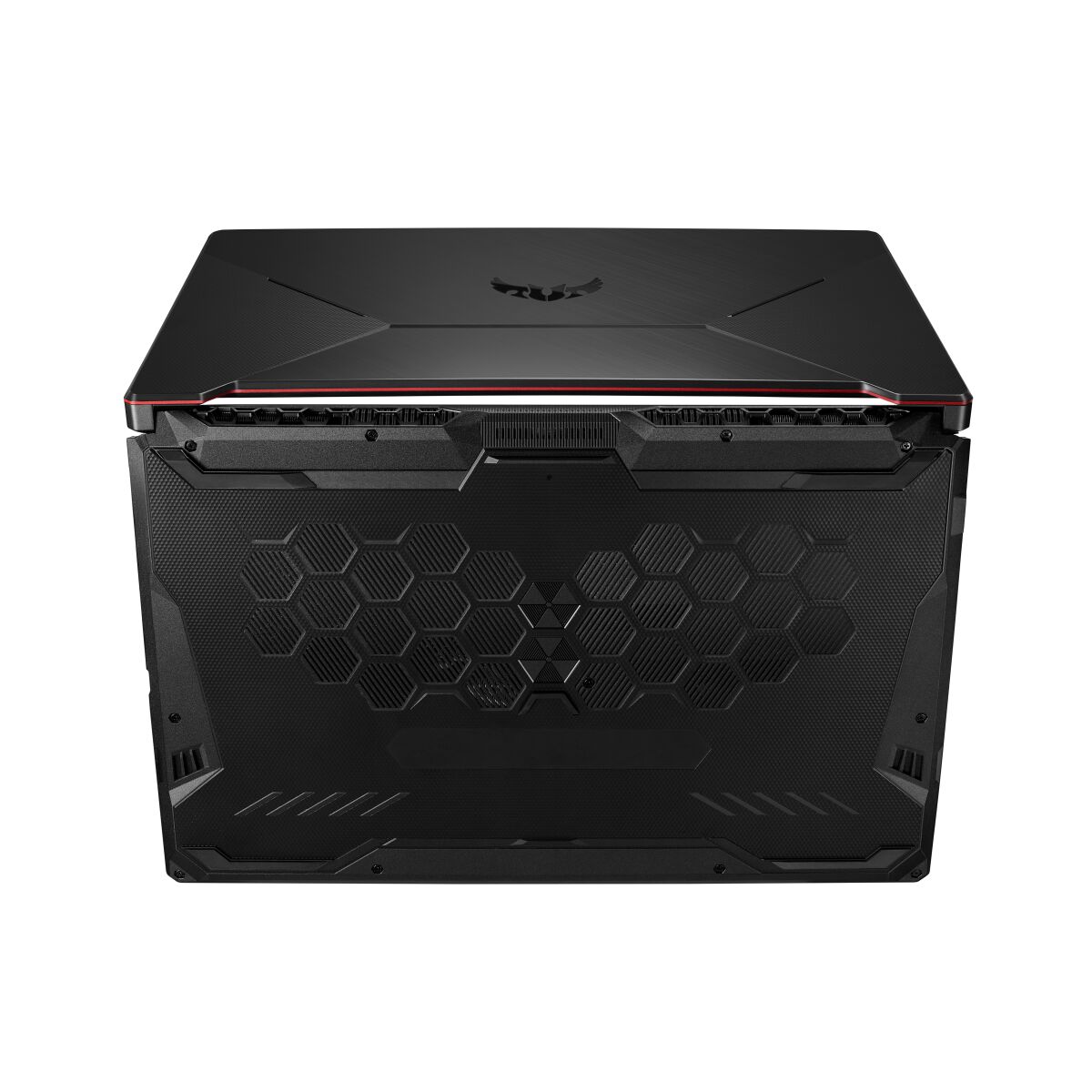
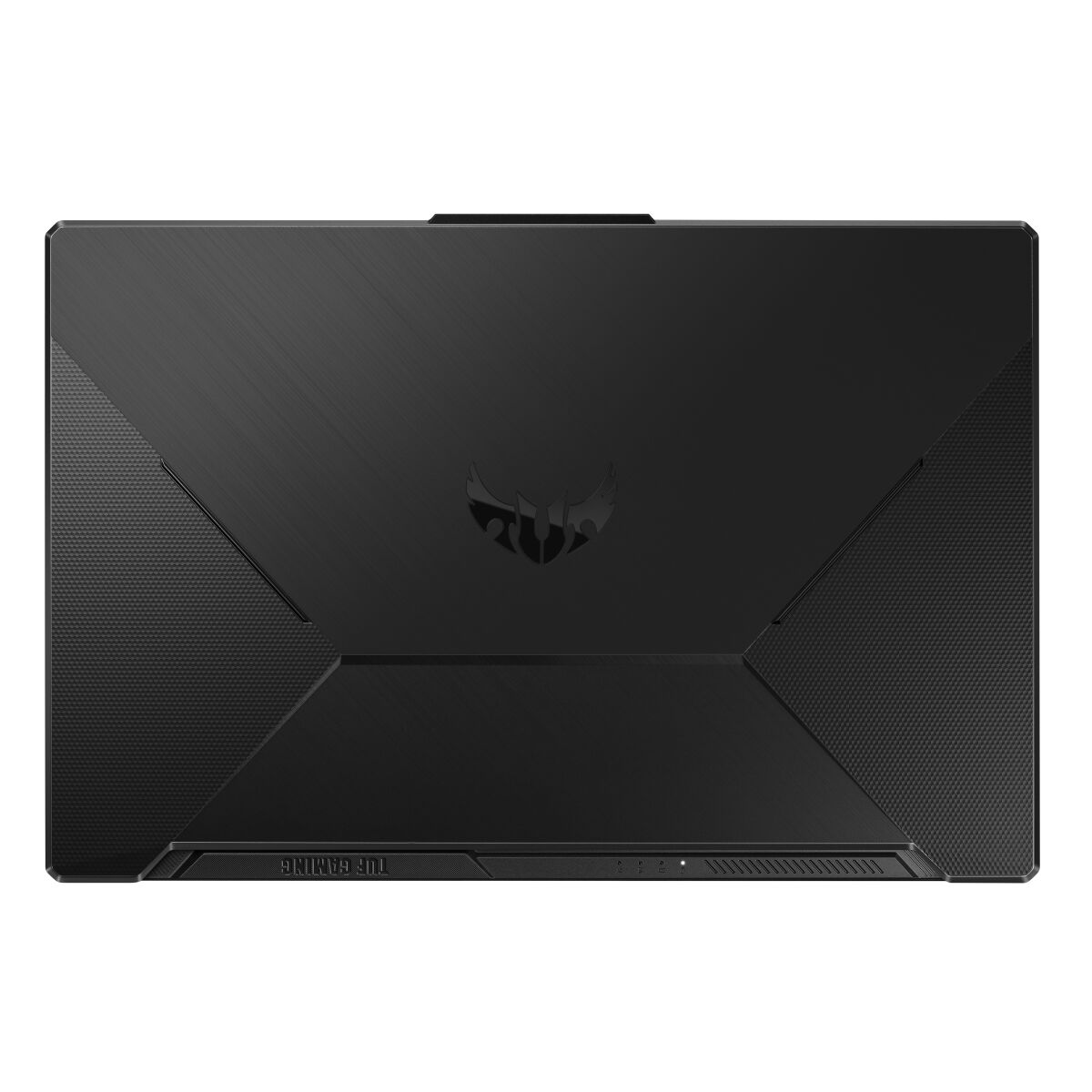
ASUS TUF Gaming F17 FX706LI-HX205T laptop features two SO-DIMM memory slots supporting DDR4-SDRAM upgrades at 2933 MHz frequency. Maximum RAM capacity reaches 32 GB total. Compatible memory upgrades utilize SO-DIMM form factor specifications. Current specifications indicate upgrade slots available for memory expansion to achieve maximum supported capacity.
Memory Upgrade Specifications
| Specification | Value |
|---|---|
| Memory slots | 2x SO-DIMM |
| Form factor | SO-DIMM |
| Memory type | DDR4-SDRAM |
| Frequency | 2933 MHz |
| Maximum RAM | 32 GB |
| Voltage | 1.2V |
| Number of pins | 260-pin |
| Interface | PC4 |
| PC Speed Rating | PC4-2933 (PC4-23464) |
| Bandwidth | 23.5 GB/s |
| Laptop Release date | 29 April 2021 |
Additional Notes
- The ASUS TUF Gaming FX706LI-HX205T utilizes DDR4-2933 modules, which prevents installation of newer DDR5 memory despite cost-per-gigabyte improvements in that standard.
- The 32 GB total capacity limitation stems from chipset addressing constraints rather than physical slot availability, restricting future expansion beyond dual 16 GB modules.
- Operating at 2933 MHz yields 23.5 GB/s theoretical bandwidth per channel, creating potential throughput restrictions for integrated graphics workloads that share system memory.
- The SO-DIMM specification requires modules 67.6 mm in length versus standard desktop DIMM sizing, eliminating cross-compatibility with conventional tower PC components.
- Both memory slots are typically user-accessible without voiding manufacturer warranties, though access location varies between top panel removal and bottom chassis disassembly depending on internal layout.
- The 2933 MHz native frequency operates at JEDEC specification without requiring XMP profile activation, ensuring plug-and-play compatibility across replacement modules from different manufacturers.
- Mixing memory modules with different latencies forces the system to downclock all installed RAM to the slowest module's timing parameters, potentially degrading performance below single-module configurations.
- Single-channel population with one occupied slot cuts memory bandwidth in half compared to matched dual-channel configurations, disproportionately affecting gaming frame rates and rendering tasks.
- The DDR4-2933 specification provides CAS latency variance between CL17, CL19, and CL21 modules, where higher latencies increase access delay by 1.2 to 2.4 nanoseconds per step.
- Module height restrictions in compact chassis designs may limit compatibility with heat-spreader equipped memory exceeding 30 mm total height, particularly near thermal management components.