ASUS TUF Gaming FX706LI-HX243T RAM upgrade specifications
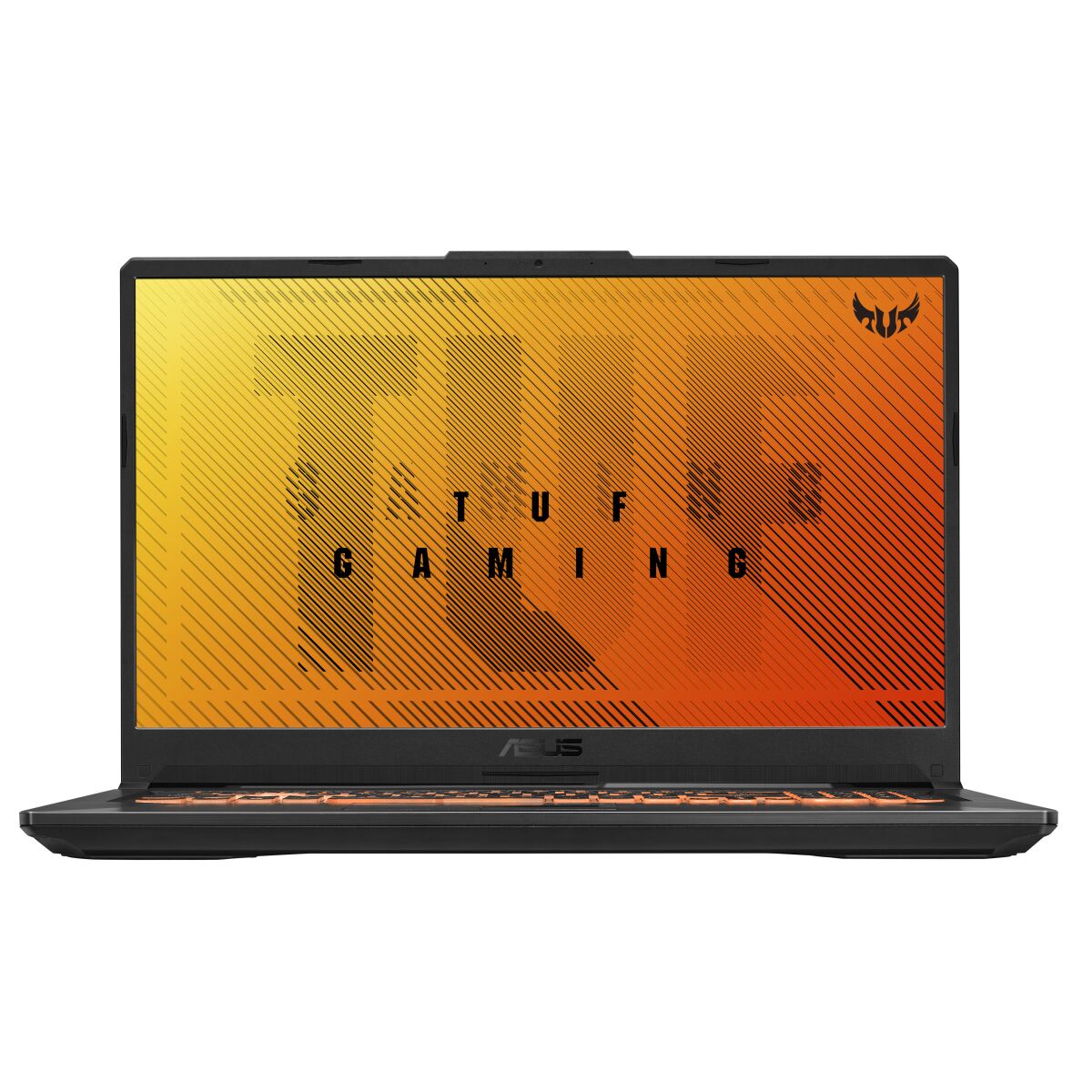
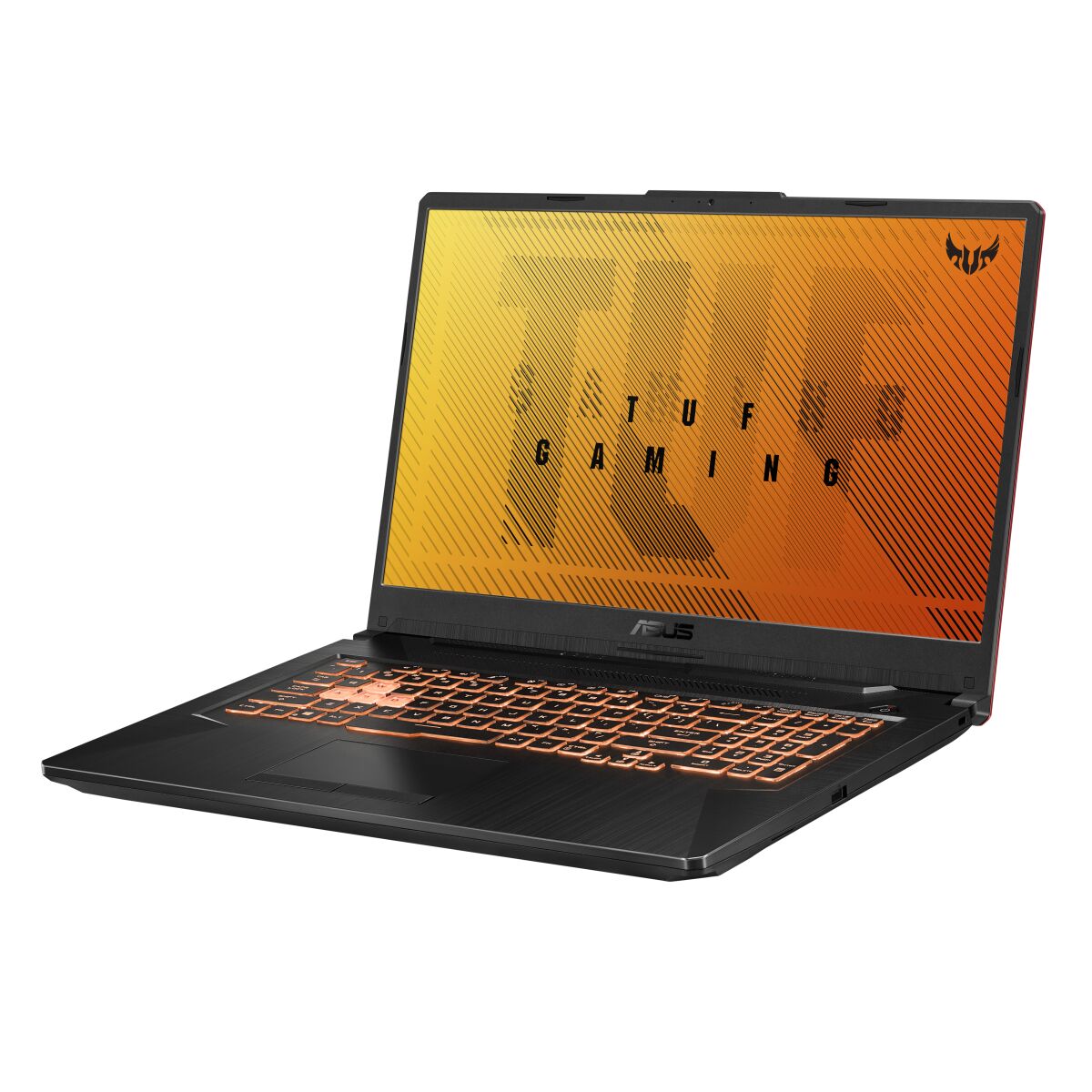
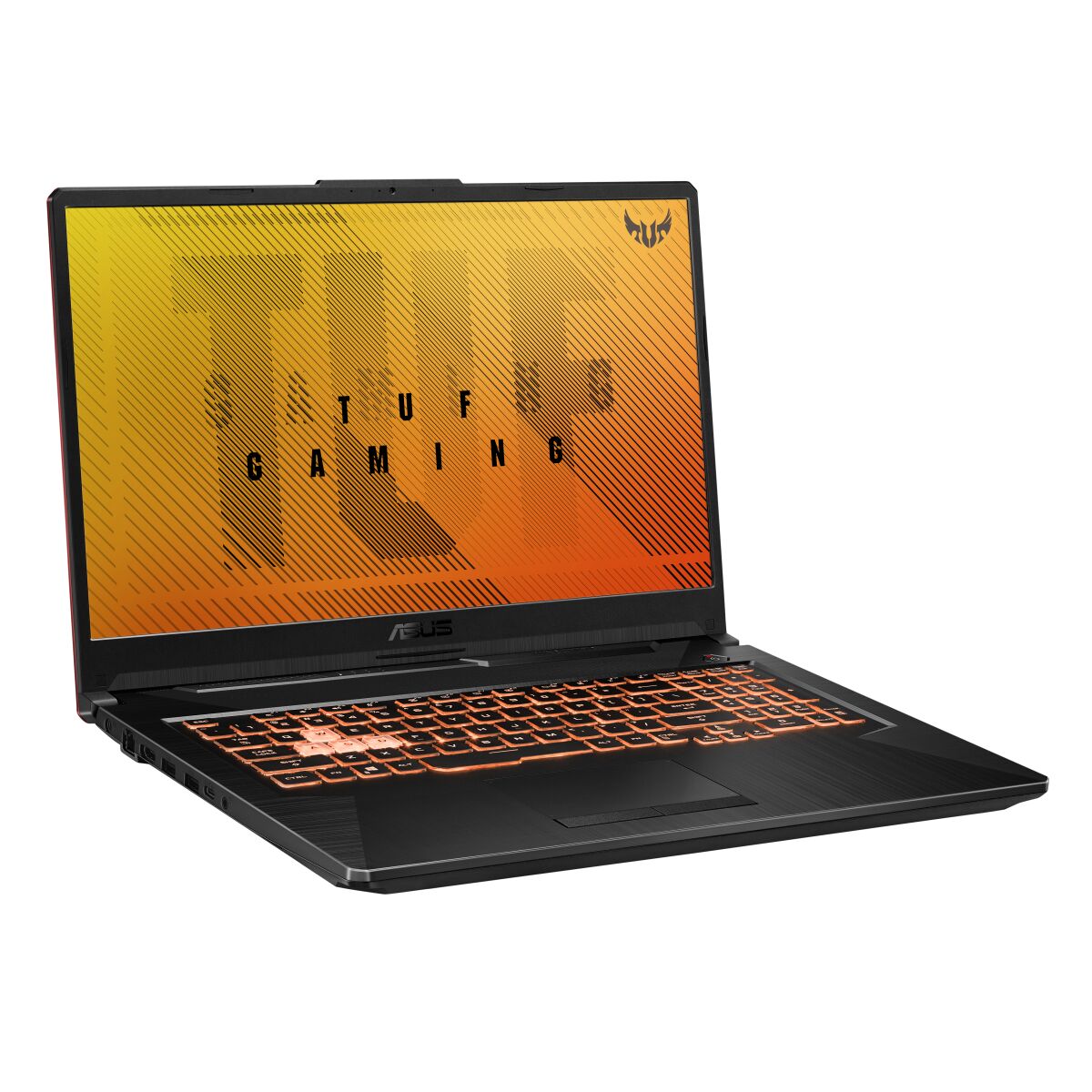
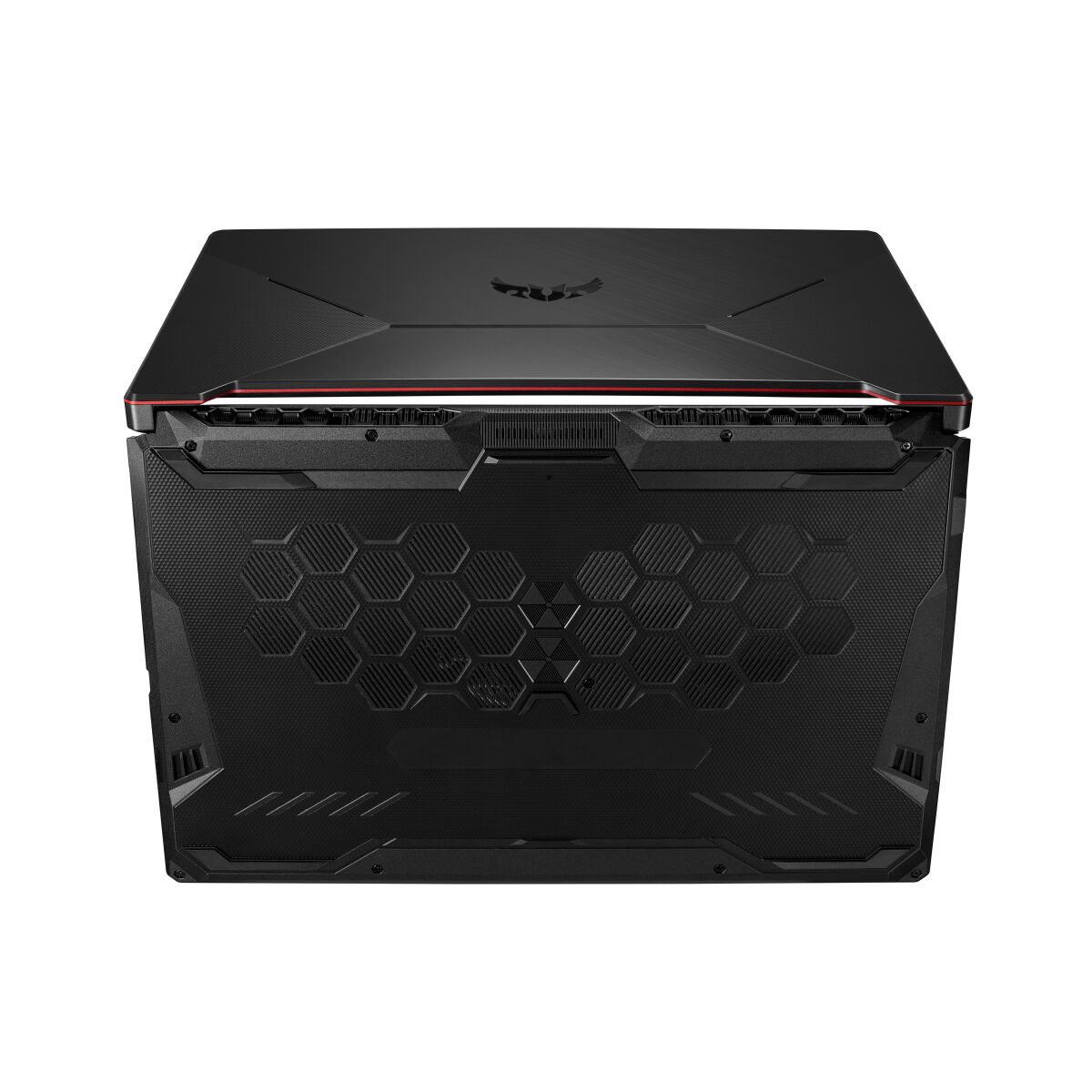
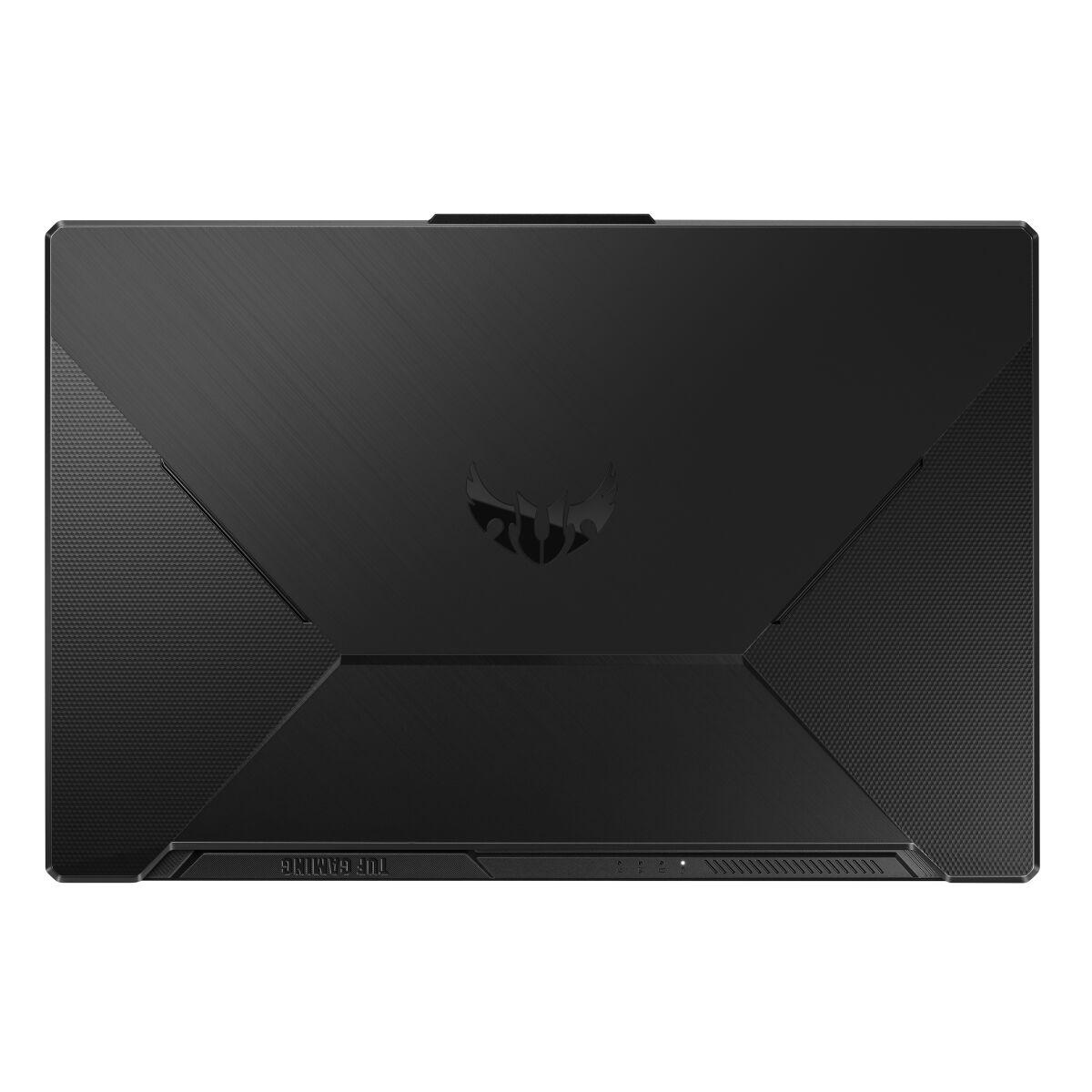
The ASUS TUF Gaming F17 FX706LI-HX243T laptop features DDR4-SDRAM memory upgrade specifications. The system contains 2x SO-DIMM slots compatible with DDR4 modules operating at 2933 MHz. Maximum RAM capacity reaches 32 GB through memory expansion. Upgrade options support standard SO-DIMM form factor components. Specifications enable users to expand existing memory configuration up to the stated maximum capacity for enhanced system performance and multitasking capabilities on the FX706LI-HX243T model.
Memory Upgrade Specifications
| Specification | Value |
|---|---|
| Memory slots | 2x SO-DIMM |
| Form factor | SO-DIMM |
| Memory type | DDR4-SDRAM |
| Frequency | 2933 MHz |
| Maximum RAM | 32 GB |
| Voltage | 1.2V |
| Number of pins | 260-pin |
| Interface | PC4 |
| PC Speed Rating | PC4-2933 (PC4-23464) |
| Bandwidth | 23.5 GB/s |
| Laptop Release date | 16 April 2021 |
Additional Notes
- The ASUS TUF Gaming FX706LI-HX243T dual-channel configuration requires matched module pairs to maintain optimal memory interleaving, with mismatched capacities forcing single-channel operation on the smaller module's capacity.
- DDR4-2933 represents a JEDEC non-standard speed requiring SPD profile support, as standard DDR4 specifications define 2400 and 2666 as native bins, potentially causing compatibility issues with modules lacking this intermediate profile.
- The 32 GB ceiling imposes a practical limitation of 2x16 GB module configuration, preventing asymmetric capacity distribution while maintaining dual-channel bandwidth across the full installed capacity.
- SO-DIMM physical accessibility on gaming chassis typically requires complete bottom panel removal rather than dedicated access doors, complicating field upgrades and potentially voiding seals on warranty-protected assemblies.
- Mixed-speed module installations will downclock the entire memory subsystem to the slowest module's frequency, creating a 2933 MHz maximum ceiling that faster DDR4-3200 modules cannot exceed without manual BIOS timing adjustments.
- Non-ECC unbuffered SO-DIMM requirement excludes server-grade registered modules, as the consumer memory controller lacks buffer chipset support and ECC validation circuitry.
- Thermal constraints in gaming laptops may prevent sustained operation at rated 2933 MHz under combined CPU and GPU thermal loads, potentially triggering automatic frequency scaling to DDR4-2666 failsafe speeds.
- Voltage tolerance limited to JEDEC 1.2V standard excludes overclocking-oriented XMP profiles designed for 1.35V operation, restricting aftermarket module selection to JEDEC-compliant specifications.
- Intel 10th generation memory controller architecture supporting this frequency imposes a practical latency floor of CL21, making lower-latency CL19 modules rare and cost-prohibitive in SO-DIMM form factor.
- Occupied slot verification becomes critical before purchase, as single preinstalled module configurations allow cost-effective capacity doubling, while dual-populated systems require complete module replacement for upgrades.