ASUS TUF Gaming FX706LI-HX205T-BE RAM upgrade specifications
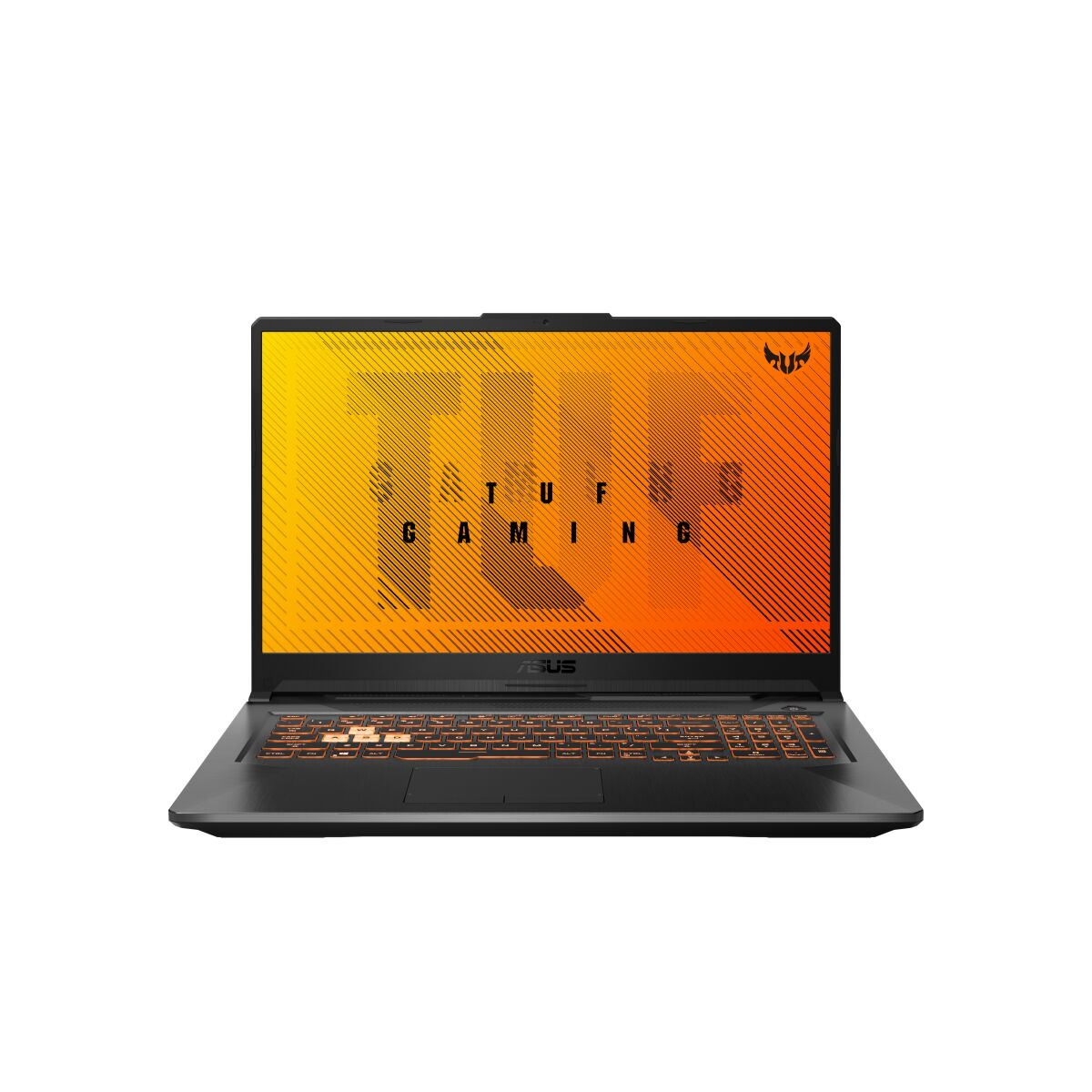
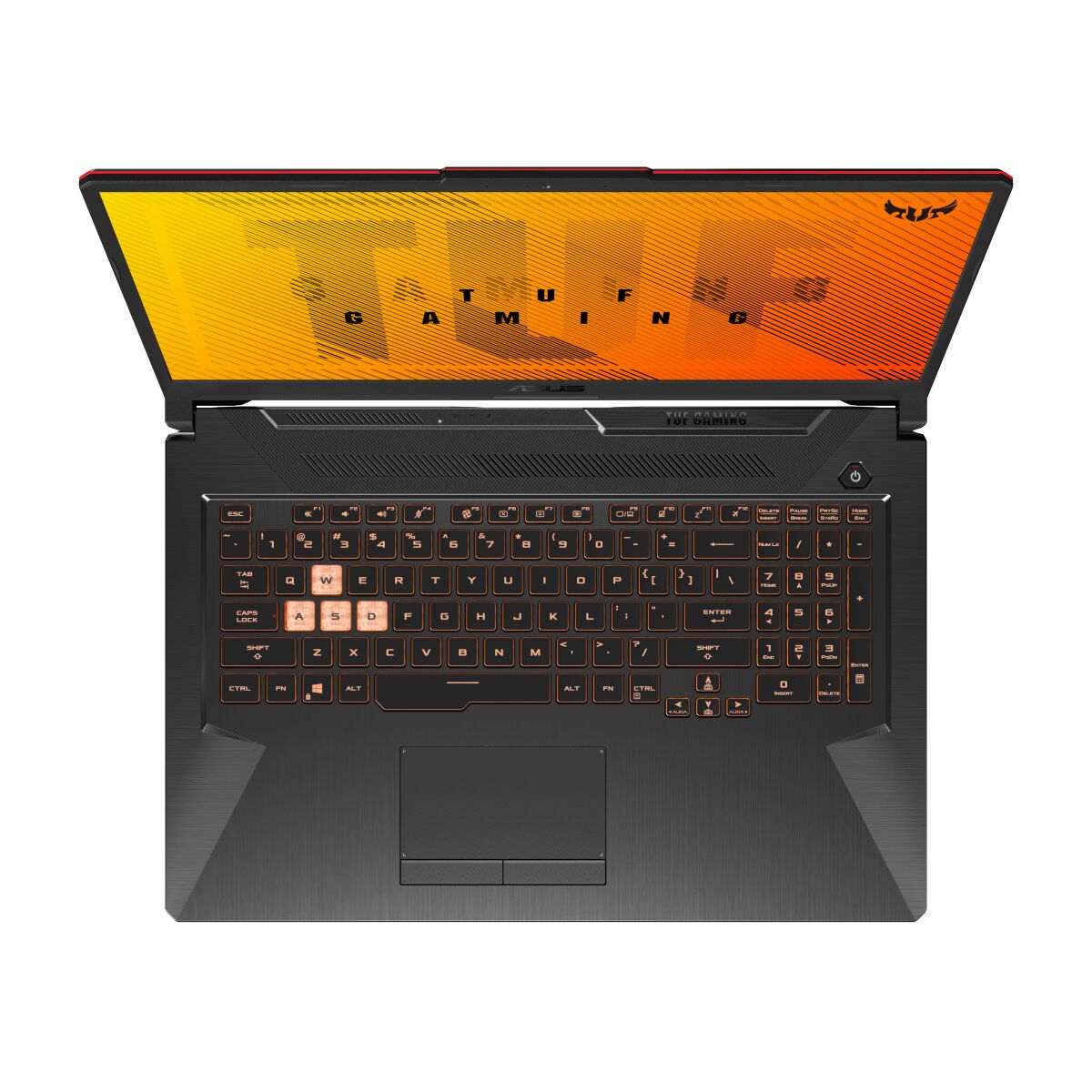

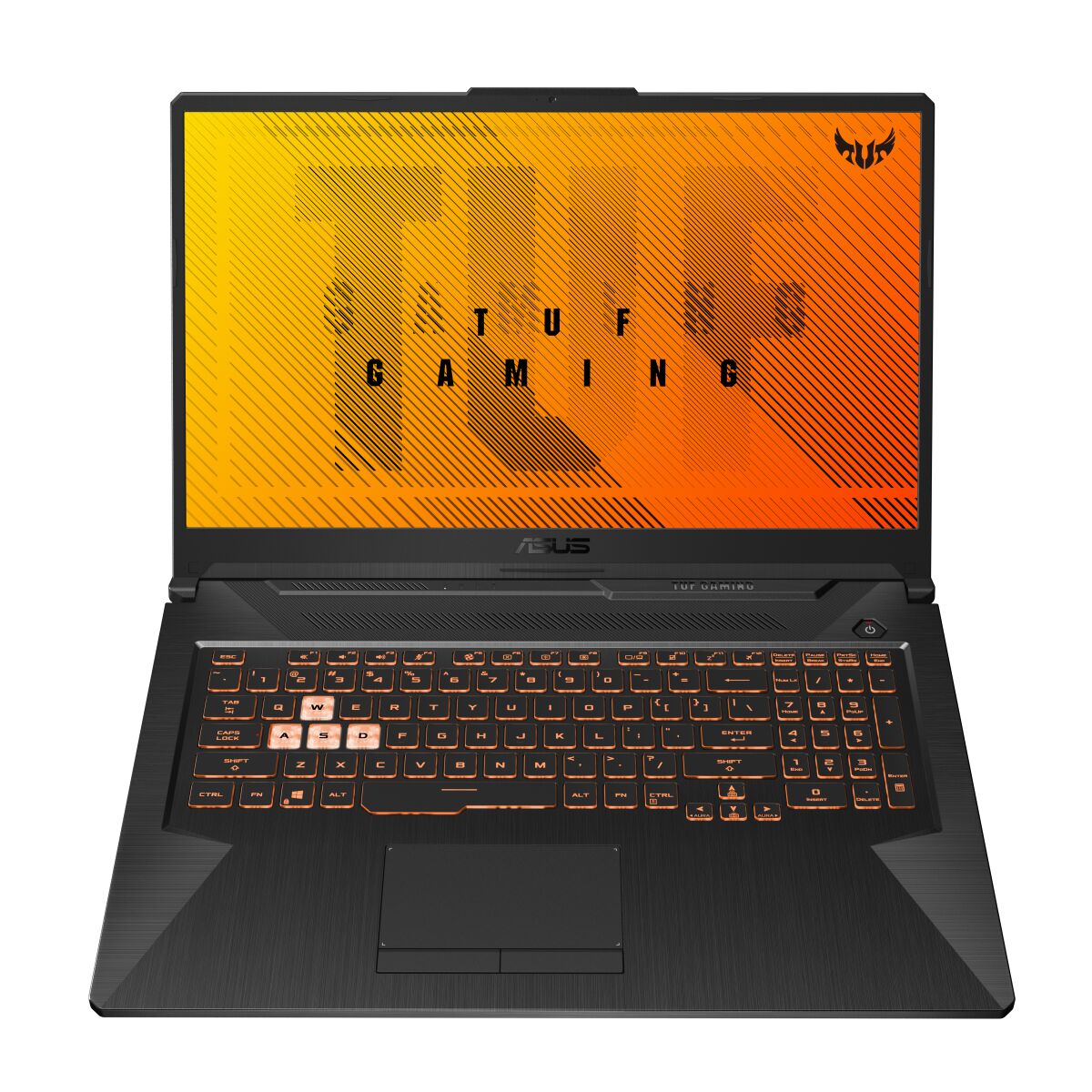
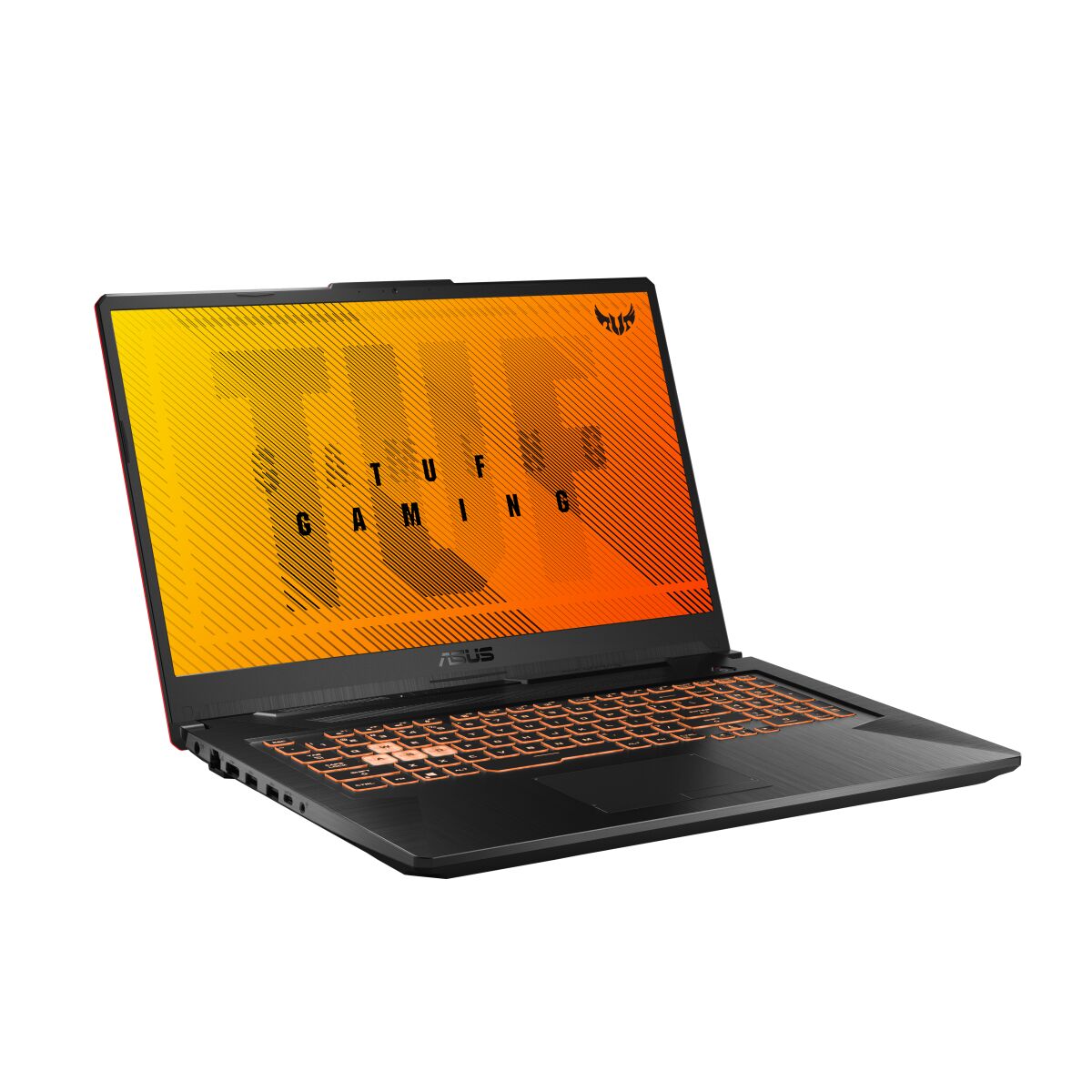
ASUS TUF Gaming F17 FX706LI-HX205T-BE laptop features DDR4-SDRAM memory upgradeable through 2x SO-DIMM slots. Compatible memory capacity extends to maximum 32 GB total. RAM upgrade utilizes SO-DIMM form factor modules operating at 2933 MHz frequency specifications. Laptop memory upgrade pathway supports dual-slot configuration for enhanced system performance and multitasking capacity.
Memory Upgrade Specifications
| Specification | Value |
|---|---|
| Memory slots | 2x SO-DIMM |
| Form factor | SO-DIMM |
| Memory type | DDR4-SDRAM |
| Frequency | 2933 MHz |
| Maximum RAM | 32 GB |
| Voltage | 1.2V |
| Number of pins | 260-pin |
| Interface | PC4 |
| PC Speed Rating | PC4-2933 (PC4-23464) |
| Bandwidth | 23.5 GB/s |
| Laptop Release date | 19 March 2021 |
Additional Notes
- The ASUS TUF Gaming FX706LI-HX205T-BE operates with DDR4 memory at 2933 MHz, which is below the standard JEDEC 3200 MHz specification for DDR4. Replacement modules matching this lower frequency will prevent compatibility conflicts, though higher-speed DDR4 modules will downclock to 2933 MHz and waste their rated performance ceiling.
- The 2 SO-DIMM slot configuration permits only 2 physical upgrade operations before all available memory capacity is exhausted. Once both slots contain modules, further capacity increases require complete module replacement rather than additive expansion.
- Maximum addressable capacity of 32 GB represents the hard ceiling imposed by the platform's memory controller. This constraint cannot be circumvented through firmware updates or BIOS modifications, as it reflects the processor's inherent architectural limitation.
- SO-DIMM form factor confinement means only laptop-grade memory modules are compatible. Desktop DDR4 modules using standard DIMM form factors will not physically insert into the available slots, creating a binary fit/no-fit scenario with no adapter compatibility.
- Single-channel or dual-channel memory operation depends on module population configuration. Populating only 1 slot will operate in single-channel mode, reducing memory bandwidth by approximately 50 percent compared to dual-channel operation with 2 populated slots.
- Factory warranty typically remains valid only when using memory modules that fall within vendor-approved specifications. Modules rated below 2933 MHz carry lower risk of warranty claim denial, while higher-frequency modules may trigger warranty invalidation if post-upgrade hardware failures occur.