ASUS TUF Gaming FX706LI-HX205 RAM upgrade specifications
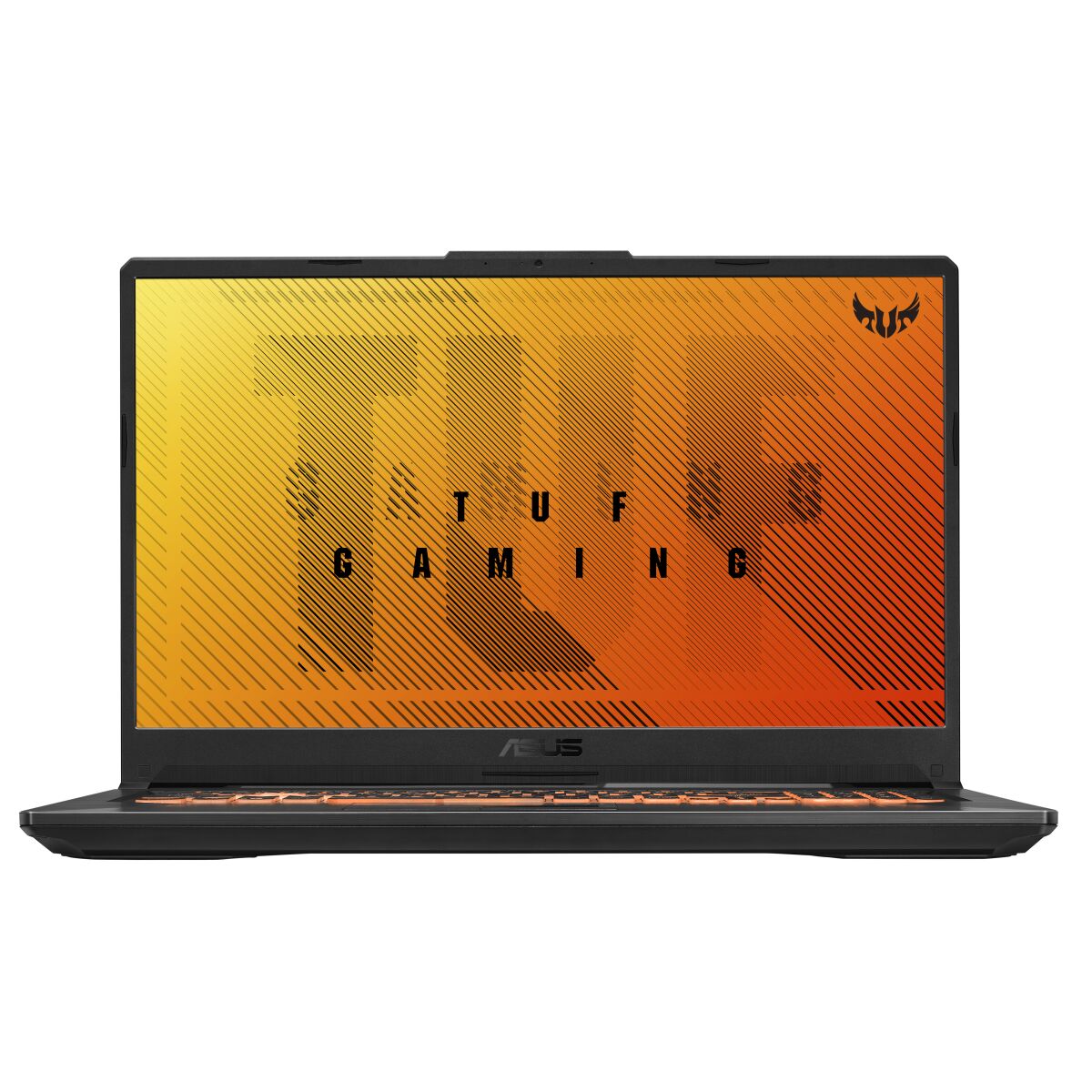
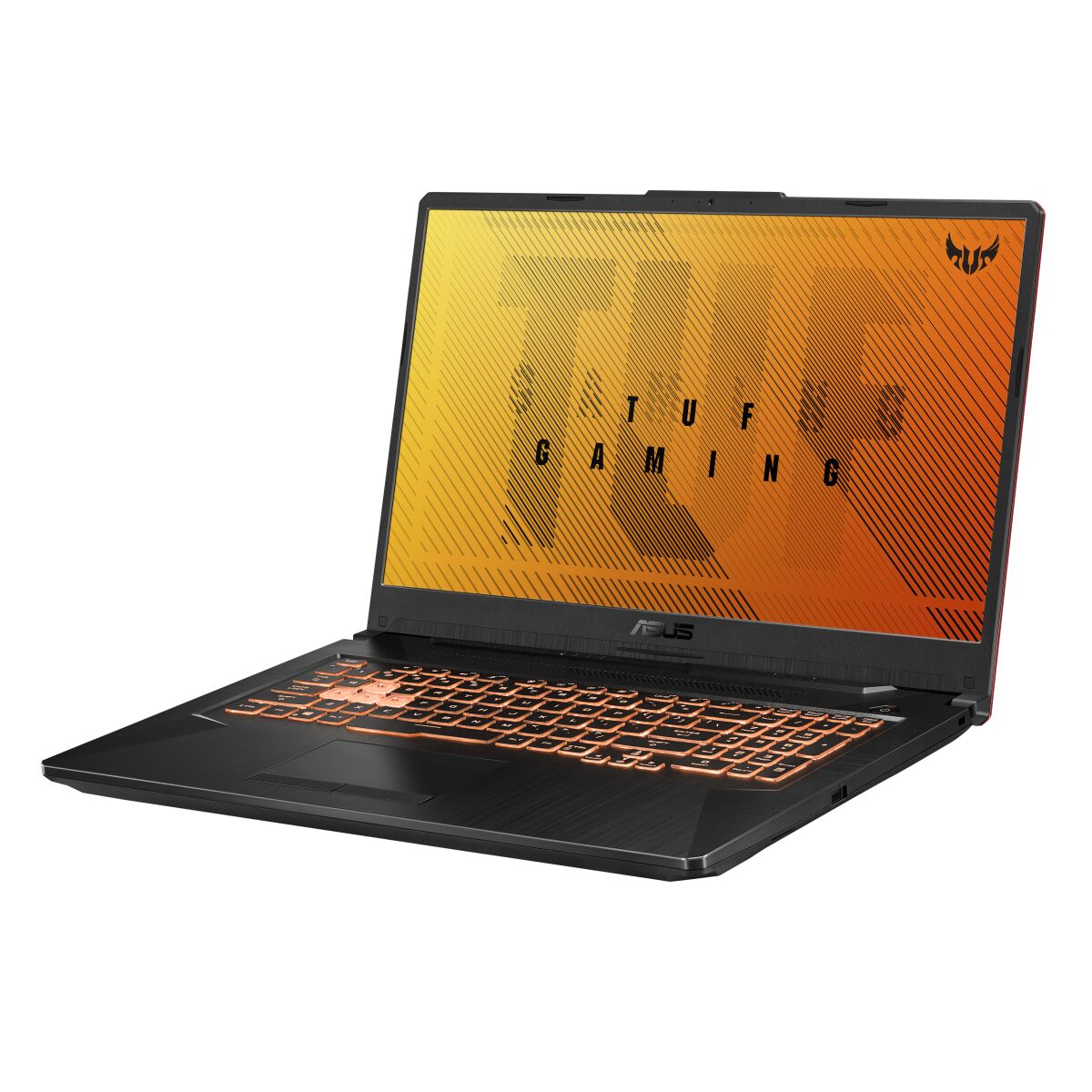
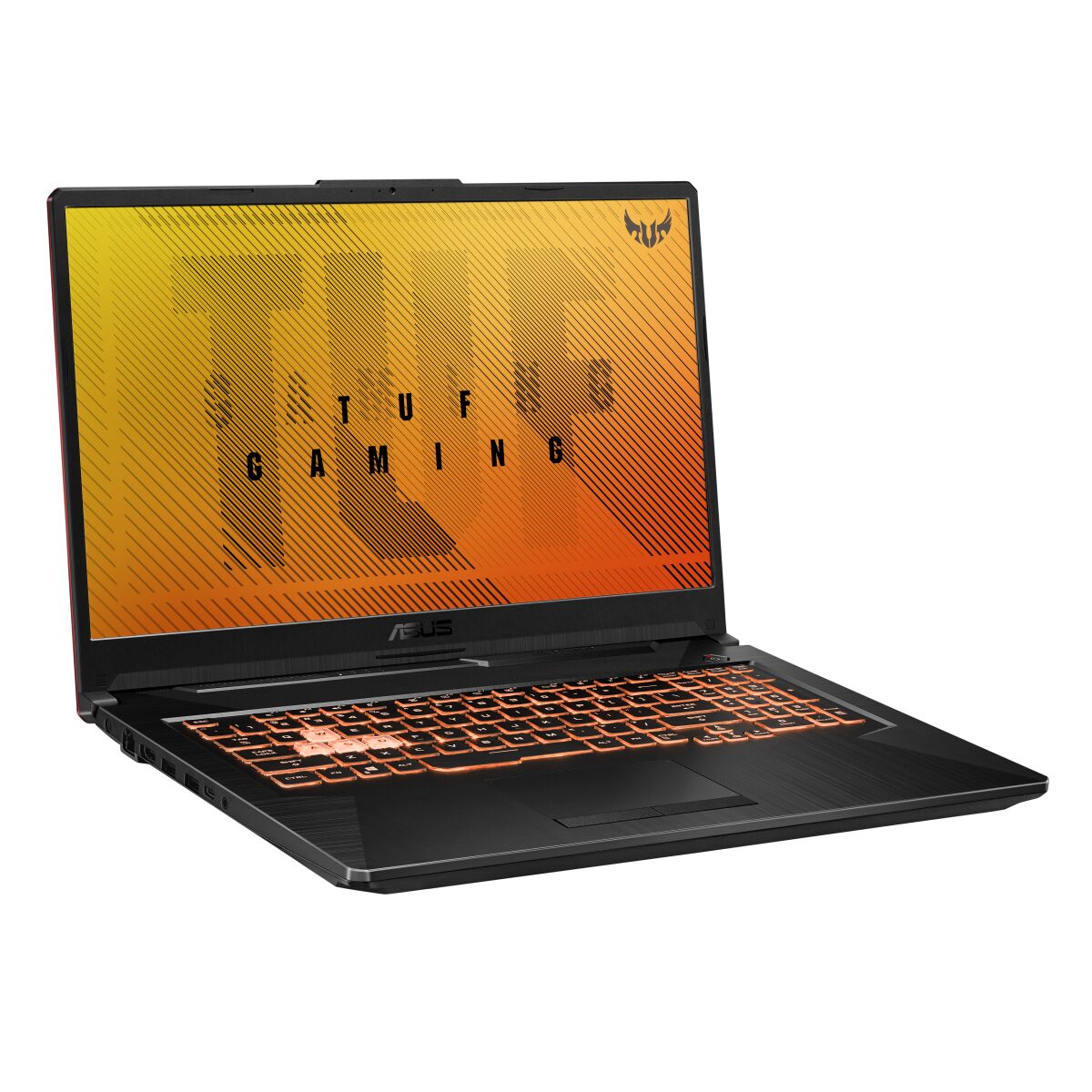
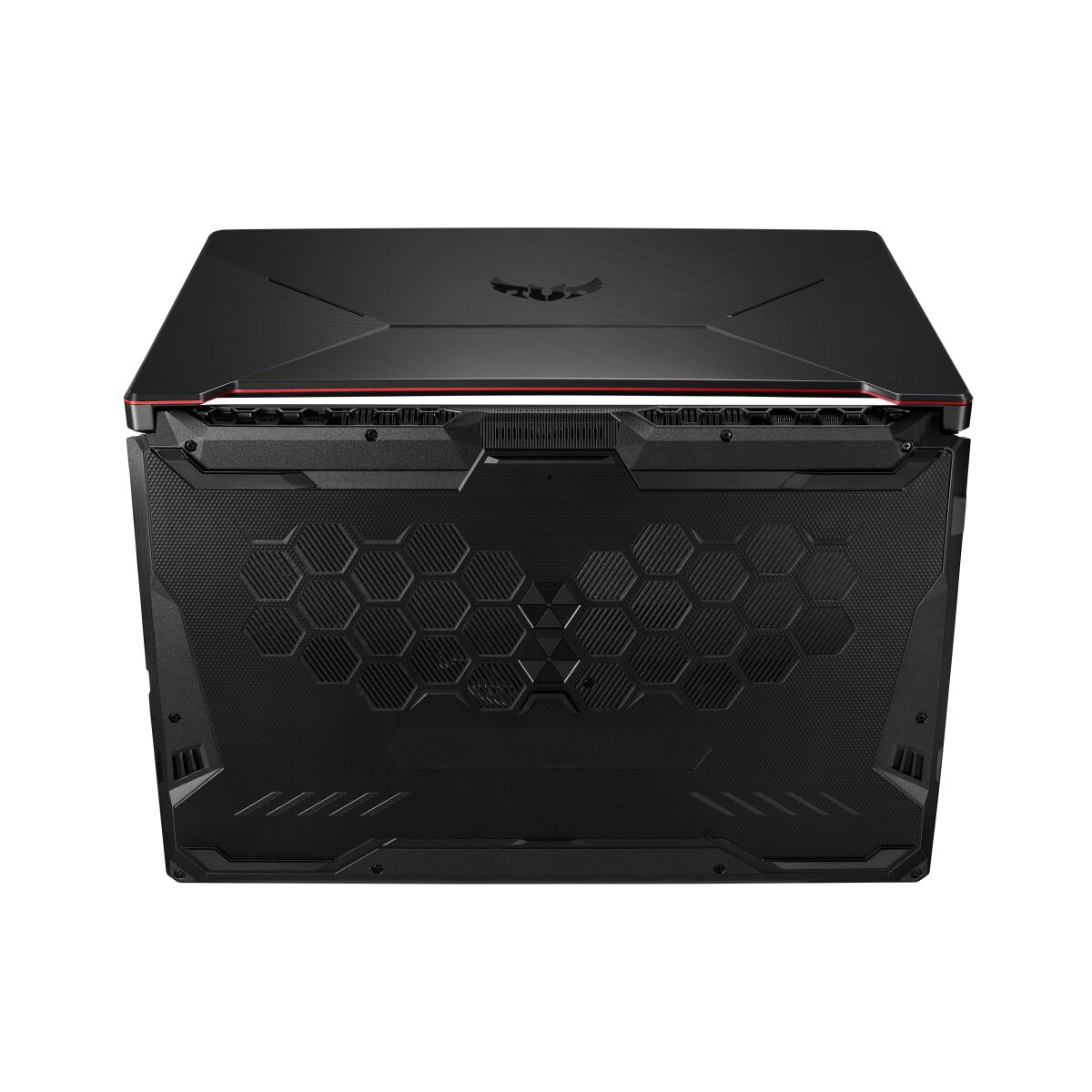
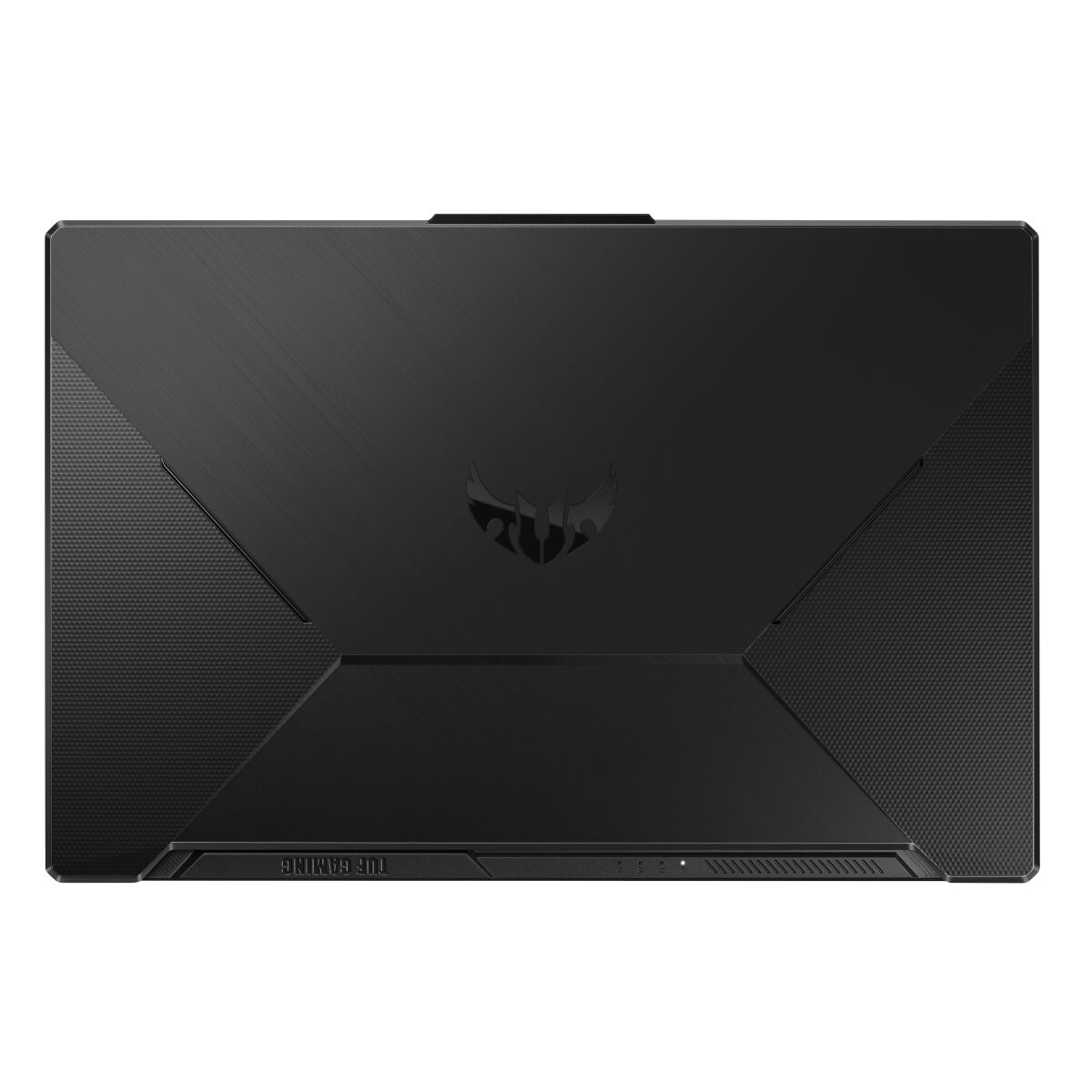
The ASUS TUF Gaming F17 FX706LI-HX205 laptop features two SO-DIMM slots supporting DDR4-SDRAM memory modules at 2933 MHz frequency. Maximum compatible RAM capacity reaches 32 GB total. The upgrade specifications indicate DDR4 SO-DIMM form factor modules are required for memory expansion. Current memory configuration and available slots allow for RAM upgrades to enhance system performance. Compatible DDR4-SDRAM modules must match the specified frequency and SO-DIMM format for proper functionality within the FX706LI-HX205 platform.
Memory Upgrade Specifications
| Specification | Value |
|---|---|
| Memory slots | 2x SO-DIMM |
| Form factor | SO-DIMM |
| Memory type | DDR4-SDRAM |
| Frequency | 2933 MHz |
| Maximum RAM | 32 GB |
| Voltage | 1.2V |
| Number of pins | 260-pin |
| Interface | PC4 |
| PC Speed Rating | PC4-2933 (PC4-23464) |
| Bandwidth | 23.5 GB/s |
| Laptop Release date | 11 February 2021 |
Additional Notes
- The 2933 MHz frequency specification indicates this ASUS TUF Gaming FX706LI-HX205 requires DDR4-2933 modules to avoid automatic downclocking to JEDEC standard speeds.
- The 32 GB maximum capacity constraint stems from chipset or motherboard design limitations rather than SO-DIMM technology itself, which supports higher densities in newer systems.
- Dual-channel bandwidth reaches 46.9 GB/s at full 2933 MHz operation, sufficient for integrated graphics workloads but potentially restrictive for high-refresh gaming scenarios above 144 Hz.
- Mixing module densities between the 2 slots remains possible but forces both channels to match the specifications of the slower or smaller module, reducing effective capacity or performance.
- SO-DIMM accessibility in this chassis typically requires bottom panel removal, and some gaming laptop designs position memory under cooling assemblies that necessitate additional disassembly steps.
- DDR4 voltage compatibility should default to 1.2V standard; XMP profiles requiring 1.35V or higher may not initialize properly without BIOS support for overclocking features.
- The absence of ECC support in this configuration means no error correction capability exists for memory operations, standard for consumer gaming platforms but relevant for stability-critical applications.
- CAS latency variations between CL19, CL21, and CL22 modules at 2933 MHz produce measurable differences in frame time consistency during CPU-bound gaming loads.
- Thermal constraints within gaming laptop enclosures favor modules with lower-profile heat spreaders or bare PCB designs to prevent interference with cooling infrastructure.
- Single-rank versus dual-rank module architecture affects memory interleaving efficiency, with dual-rank configurations offering marginal performance improvements in bandwidth-sensitive tasks.