ASUS Vivobook X412FA-EK449T RAM upgrade specifications
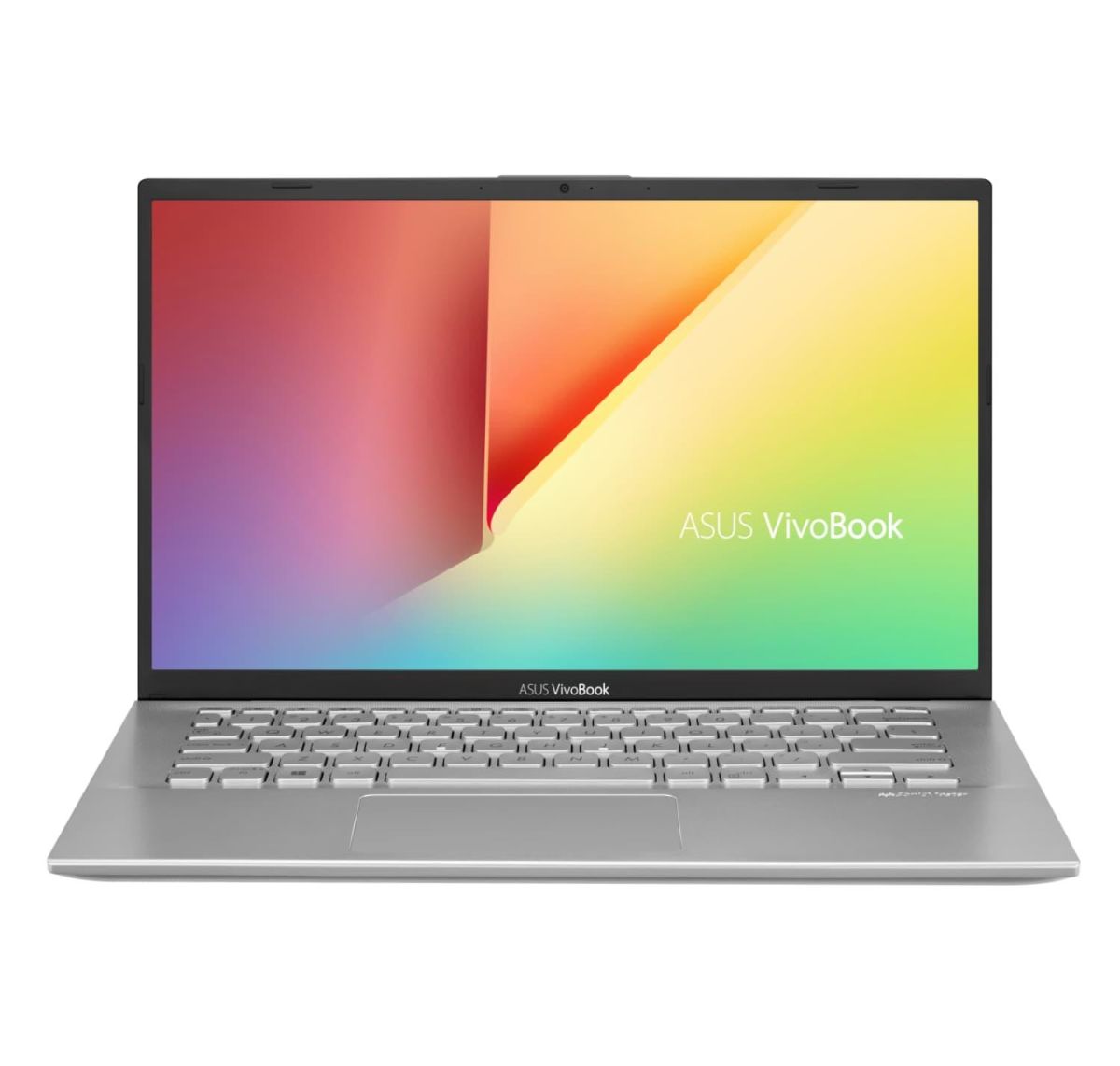
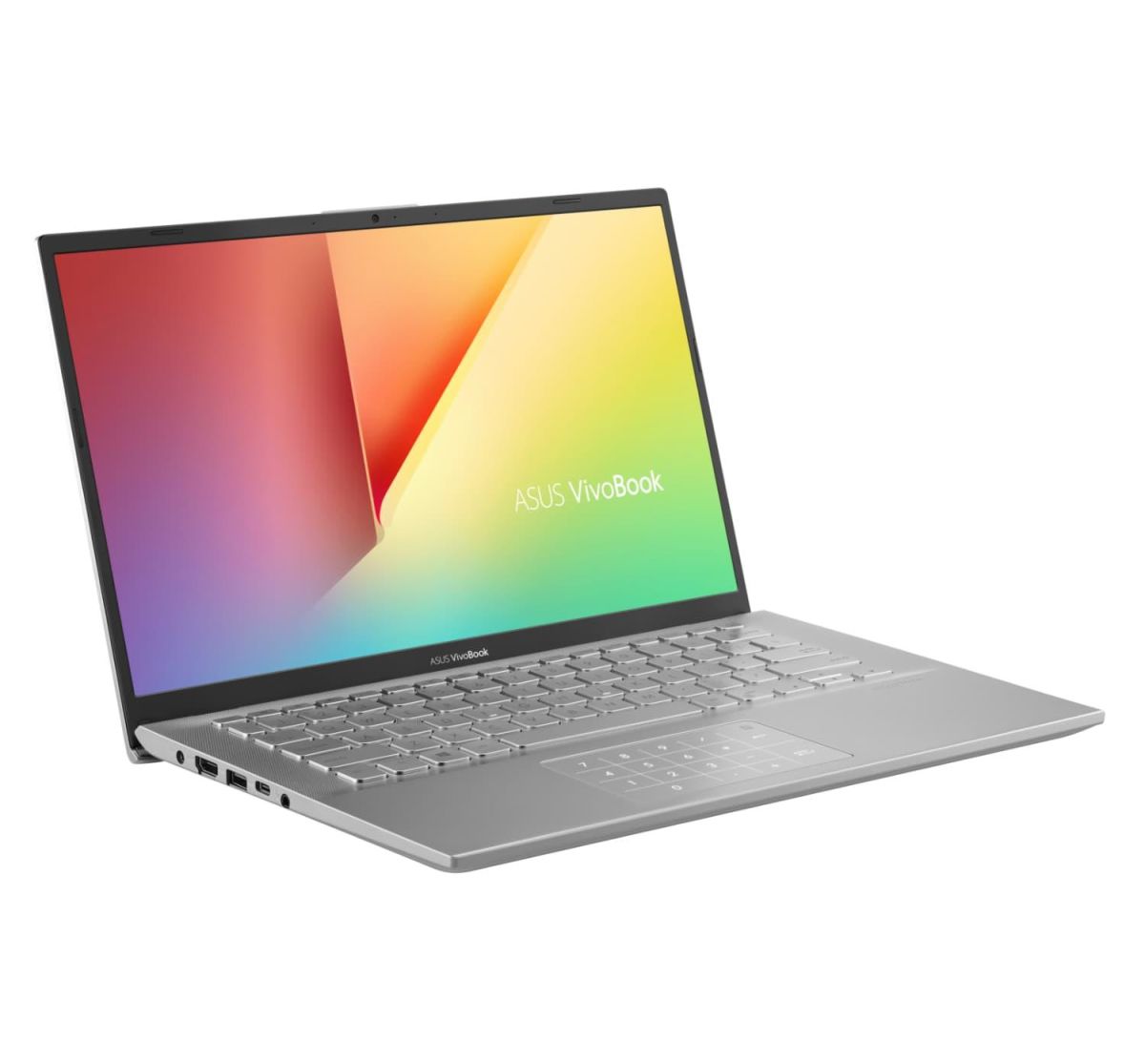
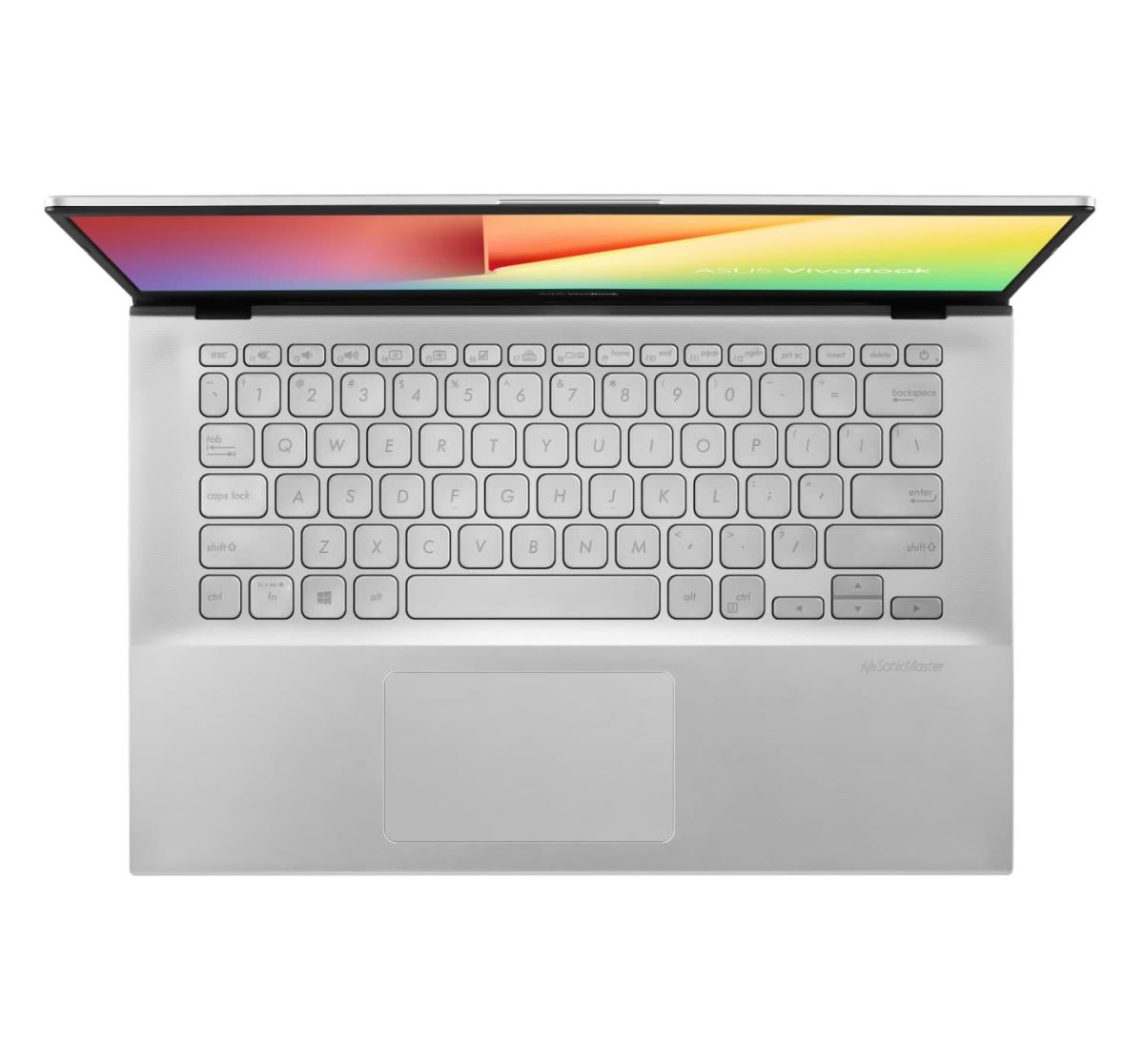

ASUS Vivobook 14 Series X412FA-EK449T laptop supports DDR4-SDRAM memory upgrade with one SO-DIMM slot available for expansion. The system features on-board memory combined with a single upgradeable slot, allowing maximum RAM capacity of 12 GB. Memory operates at 2400 MHz frequency. Compatible upgrade modules must match DDR4-SDRAM specifications and SO-DIMM form factor to ensure proper compatibility with this notebook configuration.
Memory Upgrade Specifications
| Specification | Value |
|---|---|
| Memory slots | 1x SO-DIMM |
| Form factor | On-board + SO-DIMM |
| Memory type | DDR4-SDRAM |
| Frequency | 2400 MHz |
| Maximum RAM | 12 GB |
| Voltage | 1.2V |
| Number of pins | 260-pin |
| Interface | PC4 |
| PC Speed Rating | PC4-2400 (PC4-19200) |
| Bandwidth | 19.2 GB/s |
| Laptop Release date | 19 August 2019 |
Additional Notes
- The presence of a single SO-DIMM slot alongside permanent on-board memory prevents a dual-channel configuration across the entire memory pool if a module exceeding the soldered capacity is installed.
- Upgrading the ASUS Vivobook X412FA-EK449T involves a hard capacity ceiling that limits heavy multitasking or professional creative software due to the integrated memory architecture.
- Mismatched speed ratings between a replacement module and the fixed 2400 MHz on-board chips will cause the system to default to the lowest common frequency, potentially increasing latency.
- The hardware design necessitates complete removal of the lower chassis panel to access the internal slot, requiring specialized tools to avoid damaging plastic clips or stripping screws.
- Physical space within the slim chassis restricts the use of high-profile or dual-sided memory modules, necessitating standard height SO-DIMM components for proper fit and airflow.
- System thermal profiles may shift slightly when high-density modules are added since the increased electrical load generates additional heat near the CPU area.
- The motherboard firmware lacks XMP support, meaning any aftermarket memory will be constrained to standard JEDEC timings rather than aggressive performance profiles.