ASUS Vivobook X412FA-EK460T-BE RAM upgrade specifications


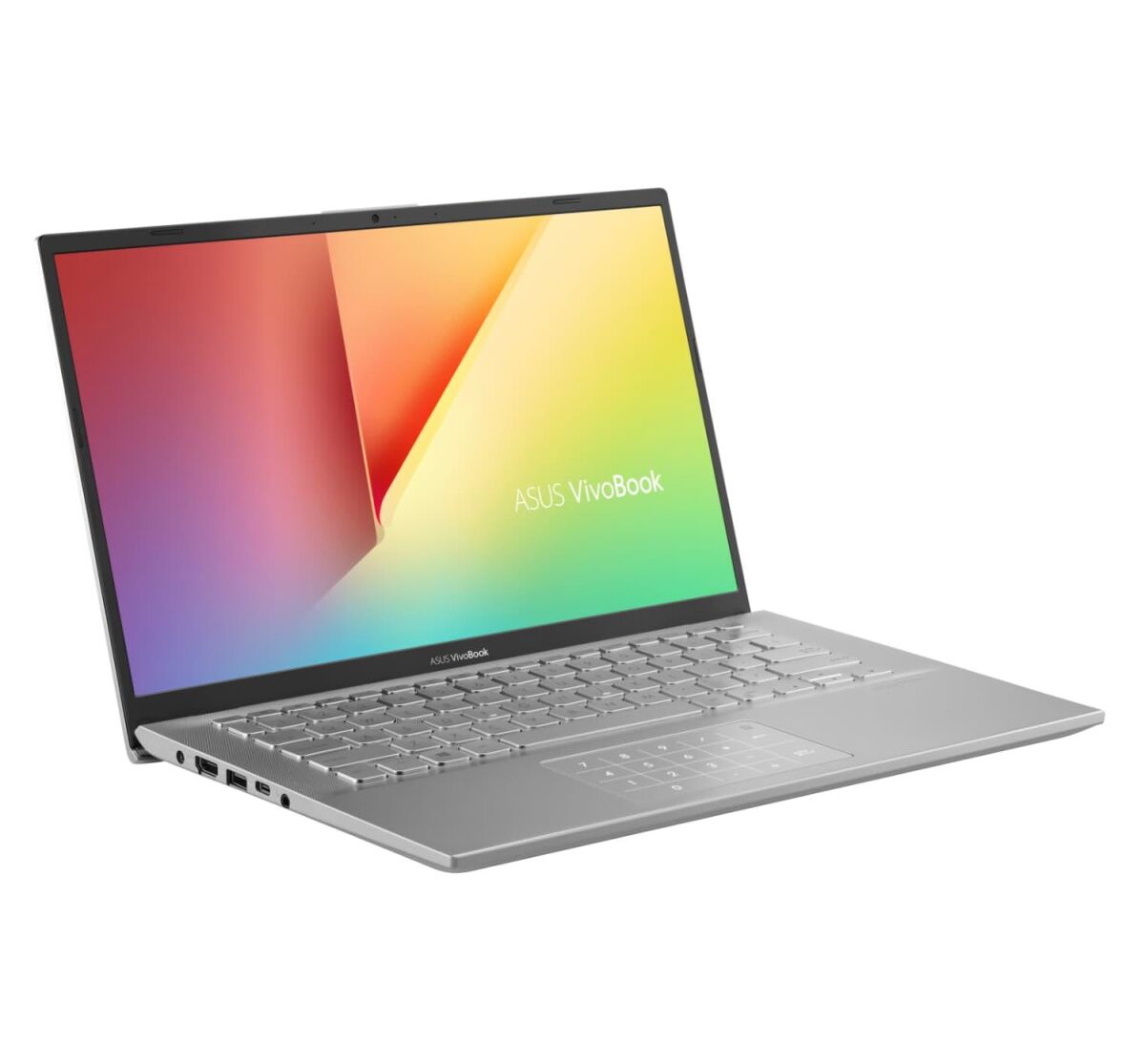


ASUS Vivobook 14 Series X412FA-EK460T-BE specifications indicate DDR4-SDRAM memory upgrade capacity of maximum 12 GB total. The laptop features one SO-DIMM slot for RAM upgrade compatibility, operating at 2400 MHz frequency. Memory configuration includes on-board storage plus expandable SO-DIMM slot. Specifications identify compatible DDR4 modules for upgrade purposes on the X412FA-EK460T-BE model.
Memory Upgrade Specifications
| Specification | Value |
|---|---|
| Memory slots | 1x SO-DIMM |
| Form factor | On-board + SO-DIMM |
| Memory type | DDR4-SDRAM |
| Frequency | 2400 MHz |
| Maximum RAM | 12 GB |
| Voltage | 1.2V |
| Number of pins | 260-pin |
| Interface | PC4 |
| PC Speed Rating | PC4-2400 (PC4-19200) |
| Bandwidth | 19.2 GB/s |
| Laptop Release date | 02 August 2019 |
Additional Notes
- The ASUS Vivobook X412FA-EK460T-BE contains 1 user-accessible SO-DIMM slot, meaning only the secondary memory module can be replaced or upgraded; the primary capacity is soldered directly to the motherboard and cannot be removed.
- The 12 GB maximum capacity ceiling represents an asymmetric configuration: either 4 GB soldered plus 8 GB module, or 8 GB soldered plus 4 GB module, since SO-DIMM DDR4 modules top out at 8 GB in the 2400 MHz speed class.
- Installation of aftermarket DDR4-2400 modules operates at rated frequency only when the replacement module matches the soldered component's timing specifications; mismatched CAS latency or voltage can trigger throttling or memory errors despite frequency compatibility.
- The single SO-DIMM slot architecture creates a hard performance boundary: dual-channel memory bandwidth cannot be achieved by upgrading the removable slot alone, since one channel will always feed from the soldered memory.
- Warranty coverage for memory upgrades on this model typically requires using OEM-validated SO-DIMM modules; third-party modules may void coverage even if technically compatible, warranting verification before purchase.
- The 2400 MHz standard predates current DDR4 economies, making DDR4-2400 SO-DIMM modules increasingly difficult to source new; reclaimed or legacy stock becomes the primary supply channel for upgrades beyond the original capacity.