ASUS Vivobook X412FA-EK567T RAM upgrade specifications


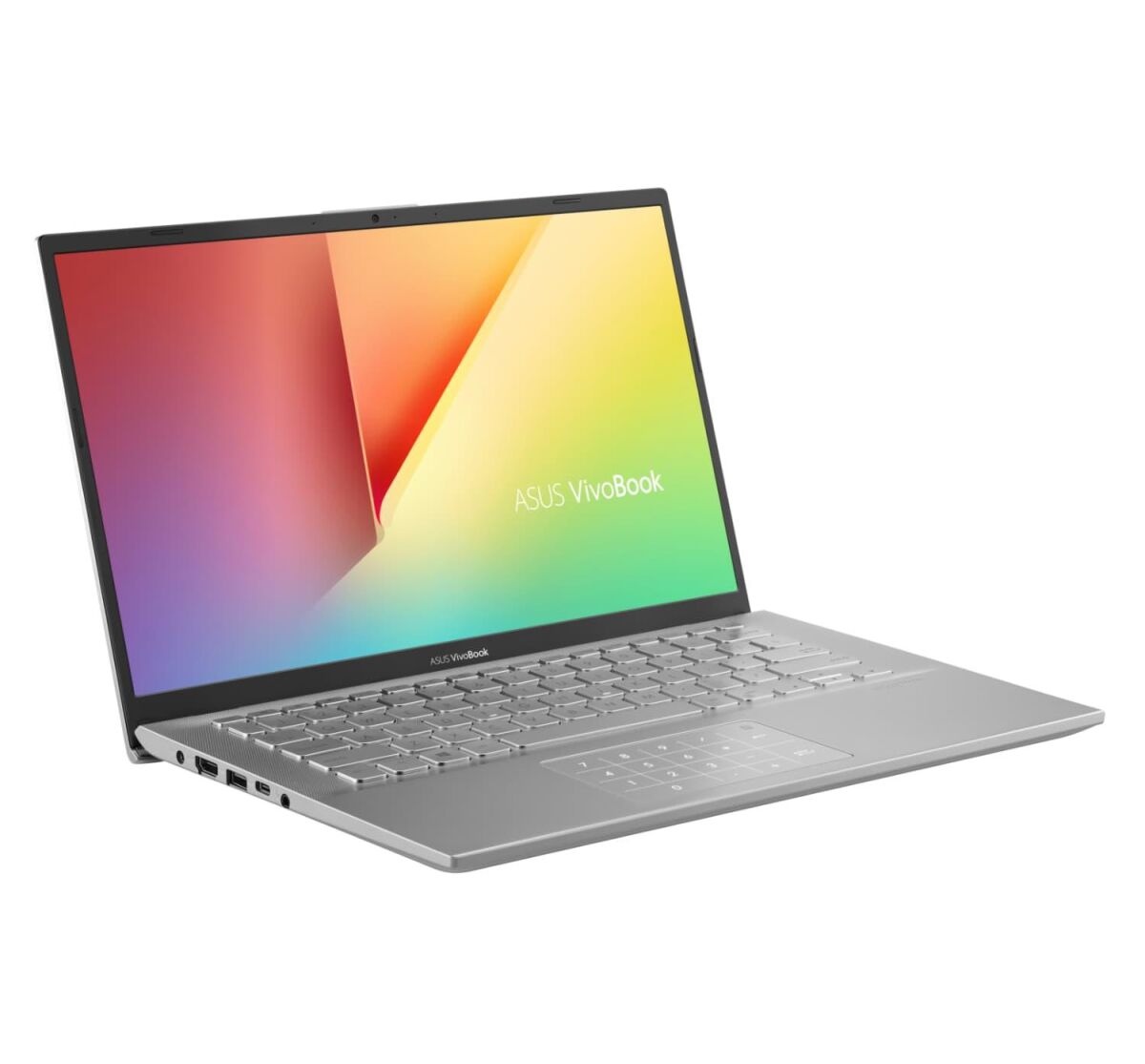


The ASUS Vivobook 14 Series X412FA-EK567T features DDR4-SDRAM memory configuration with one SO-DIMM slot available for upgrade. The laptop contains onboard memory soldered to the motherboard, supplemented by a single removable SO-DIMM slot. Maximum memory capacity reaches 12 GB total. Compatible RAM modules operate at 2400 MHz frequency. The upgrade slot accommodates standard SO-DIMM form factor memory modules. Specifications indicate the X412FA-EK567T supports DDR4 memory technology for enhanced system performance and multitasking capability.
Memory Upgrade Specifications
| Specification | Value |
|---|---|
| Memory slots | 1x SO-DIMM |
| Form factor | On-board + SO-DIMM |
| Memory type | DDR4-SDRAM |
| Frequency | 2400 MHz |
| Maximum RAM | 12 GB |
| Voltage | 1.2V |
| Number of pins | 260-pin |
| Interface | PC4 |
| PC Speed Rating | PC4-2400 (PC4-19200) |
| Bandwidth | 19.2 GB/s |
| Laptop Release date | 02 August 2019 |
Additional Notes
- The presence of on-board memory dictates that the total system capacity is limited by the single available expansion slot which cannot be replaced or upgraded independently.
- Adding a high-speed module will result in the clock speed down-clocking to match the fixed on-board frequency of the ASUS Vivobook X412FA-EK567T to ensure system stability.
- Dual-channel performance is restricted to the capacity of the smaller integrated chip and an equivalent portion of the installed module while the remaining capacity operates in slower single-channel mode.
- Physical installation is restricted to modules with a standard voltage of 1.2V to prevent thermal issues or power delivery failures on the motherboard.
- The 12 GB maximum suggests a configuration consisting of 4 GB soldered memory which limits the upgrade path to a single 8 GB SO-DIMM.
- Internal access for memory replacement requires the removal of the entire base panel which involves navigating plastic clips that are prone to fatigue if opened repeatedly.
- Technical latency levels are tethered to the integrated memory chip as the system defaults to the highest common denominator for CAS latency across both rank groups.