ASUS Vivobook X412FA-EK785T RAM upgrade specifications

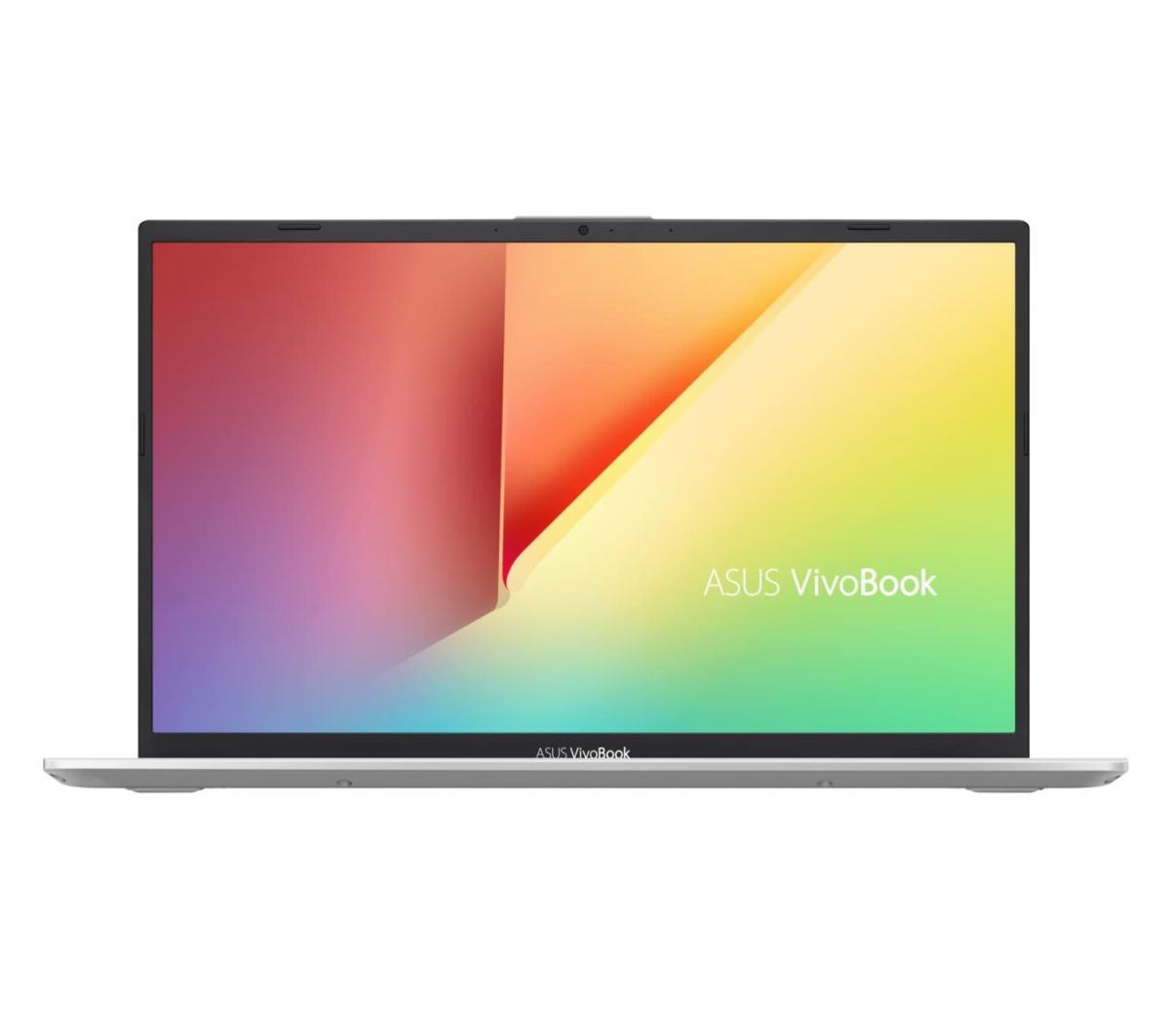
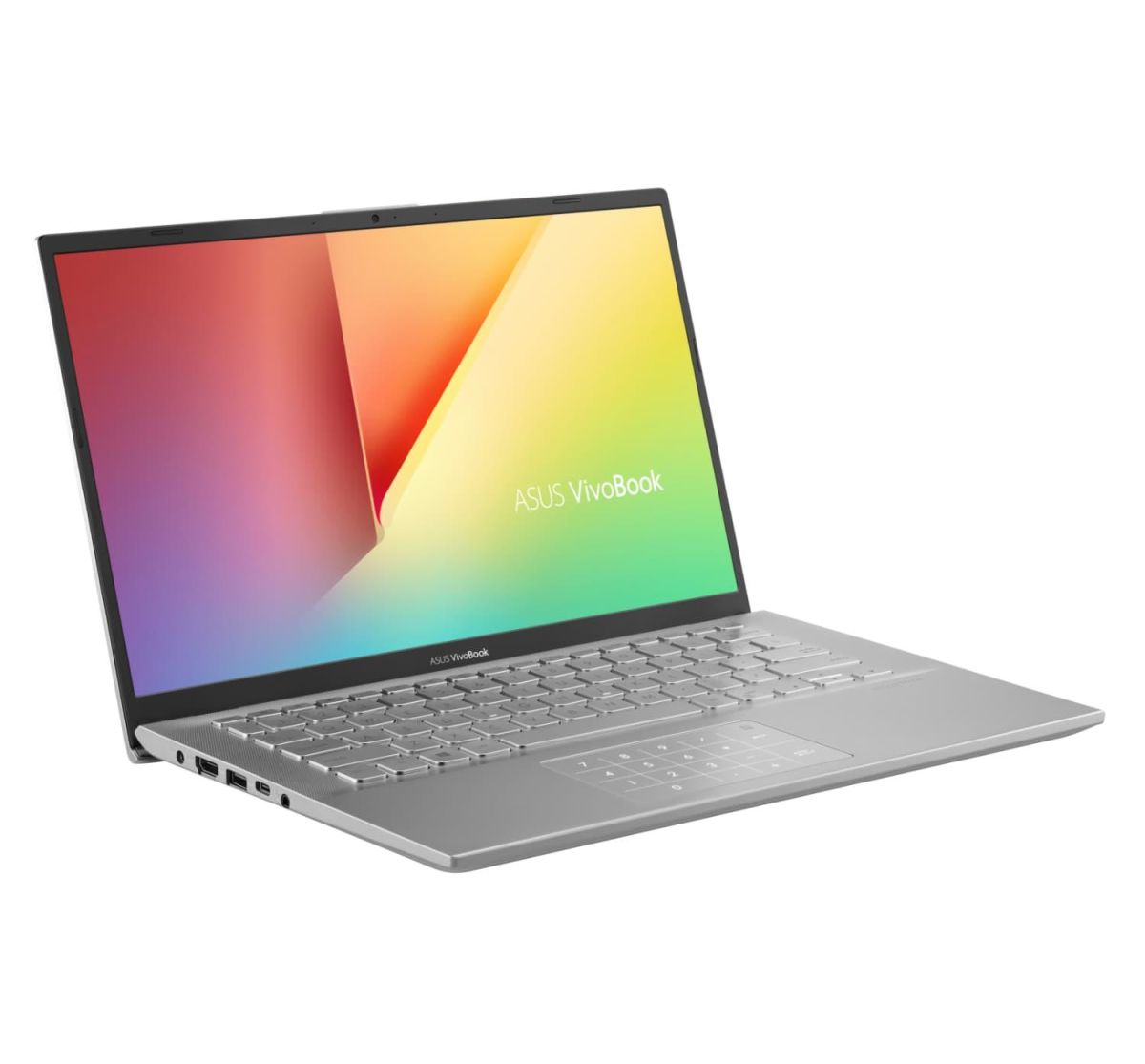


ASUS Vivobook 14 Series X412FA-EK785T laptop RAM upgrade specifications indicate one SO-DIMM memory slot available for expansion. Maximum RAM capacity supported is 12 GB. Compatible memory type is DDR4-SDRAM operating at 2400 MHz frequency. The upgrade slot allows users to expand memory beyond on-board configuration. Specifications define compatible memory modules for this laptop model.
Memory Upgrade Specifications
| Specification | Value |
|---|---|
| Memory slots | 1x SO-DIMM |
| Form factor | On-board + SO-DIMM |
| Memory type | DDR4-SDRAM |
| Frequency | 2400 MHz |
| Maximum RAM | 12 GB |
| Voltage | 1.2V |
| Number of pins | 260-pin |
| Interface | PC4 |
| PC Speed Rating | PC4-2400 (PC4-19200) |
| Bandwidth | 19.2 GB/s |
| Laptop Release date | 07 March 2020 |
Additional Notes
- The ASUS Vivobook X412FA-EK785T contains soldered memory on the motherboard, meaning only the single SO-DIMM slot is user-accessible for upgrades, limiting expansion flexibility compared to dual-slot designs.
- DDR4-2400 MHz frequency creates a performance ceiling; installing faster DDR4 modules (3200 MHz or higher) will downclock to 2400 MHz, eliminating any speed advantage from premium memory purchases.
- The 12 GB maximum capacity (likely 8 GB soldered plus 4 GB SO-DIMM slot) prevents symmetric dual-channel configuration; memory will operate in single-channel mode on the soldered portion, reducing bandwidth efficiency by approximately 5-10 percent for memory-intensive workloads.
- SO-DIMM modules physically occupy minimal space but have reduced thermal dissipation compared to full-size DIMMs; high-capacity or overclocked variants may experience throttling in sustained usage scenarios, particularly in fanless or passively-cooled system states.
- Warranty coverage typically extends to SO-DIMM replacement only; removing or disturbing the soldered memory component voids manufacturer support, restricting warranty-safe upgrades to the single expansion slot.
- Bottleneck potential exists between the DDR4-2400 memory subsystem and newer processors; systems configured with 8th-generation or later CPUs may experience 2-3 percent latency overhead due to speed mismatches between processor specifications and memory frequency.