ASUS Vivobook X412FA-EK867T RAM upgrade specifications




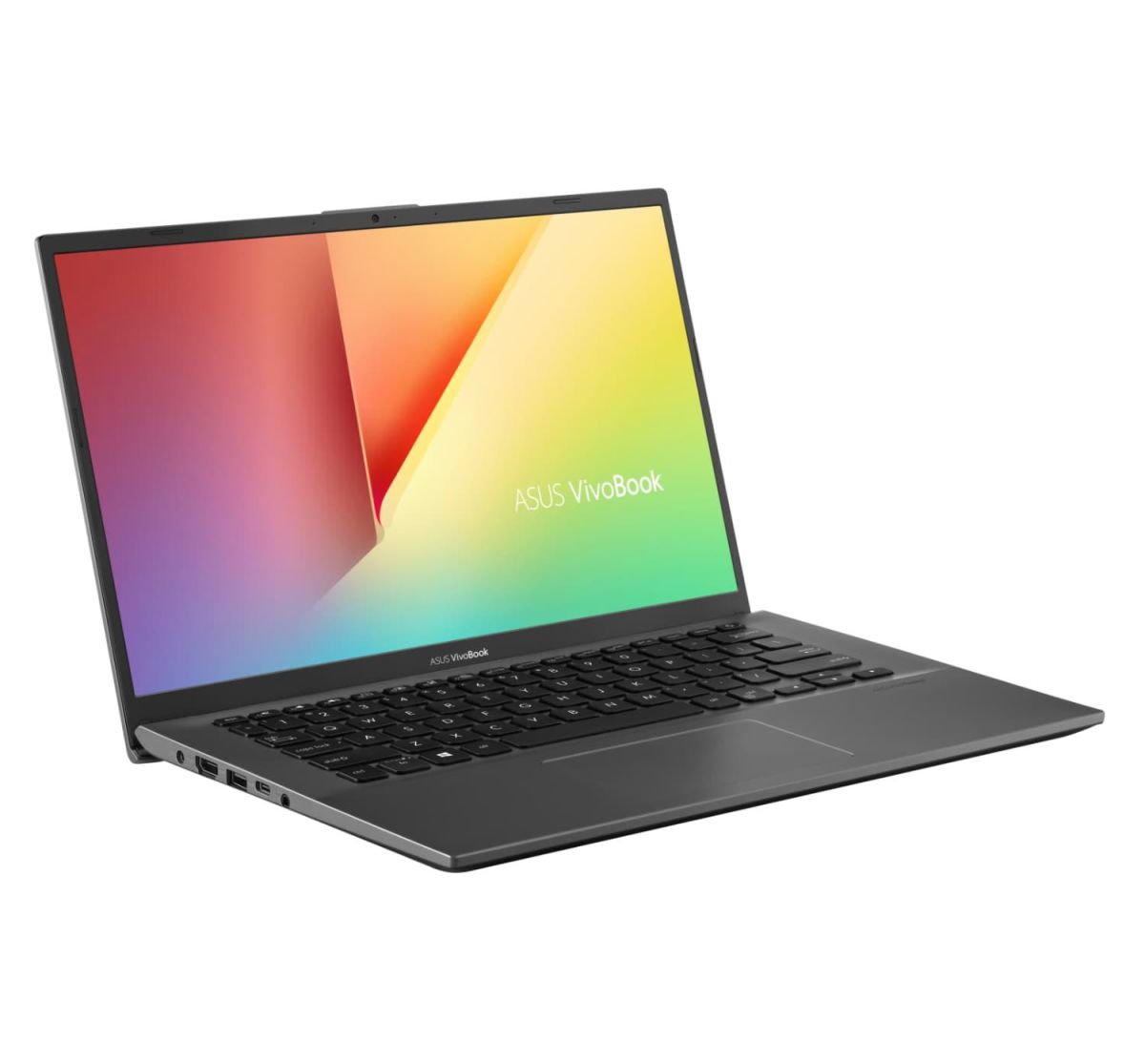
ASUS Vivobook 14 Series X412FA-EK867T laptop supports DDR4-SDRAM memory upgrade through one SO-DIMM slot. Maximum RAM capacity reaches 12 GB total, combining on-board memory with upgradeable SO-DIMM module. Compatible memory operates at 2400 MHz frequency. Current specifications allow for memory expansion to enhance system performance on this Vivobook 14 model.
Memory Upgrade Specifications
| Specification | Value |
|---|---|
| Memory slots | 1x SO-DIMM |
| Form factor | On-board + SO-DIMM |
| Memory type | DDR4-SDRAM |
| Frequency | 2400 MHz |
| Maximum RAM | 12 GB |
| Voltage | 1.2V |
| Number of pins | 260-pin |
| Interface | PC4 |
| PC Speed Rating | PC4-2400 (PC4-19200) |
| Bandwidth | 19.2 GB/s |
| Laptop Release date | 29 October 2019 |
Additional Notes
- The ASUS Vivobook X412FA-EK867T features soldered memory on the motherboard, which cannot be removed or replaced without specialized equipment and risks permanent damage to the system.
- The single accessible SO-DIMM slot limits expansion to a one-time upgrade, as no secondary slot exists for additional modules beyond the factory-installed configuration.
- The 12 GB maximum capacity indicates 4 GB of soldered RAM, allowing only an 8 GB module in the SO-DIMM slot to reach the advertised ceiling.
- Installing a module larger than 8 GB will result in the system recognizing only 12 GB total, wasting the additional capacity and financial investment.
- The 2400 MHz frequency requirement means faster modules rated at 2666 MHz or 3200 MHz will downclock to match the system's supported speed, offering no performance advantage.
- Mixing the soldered 4 GB module with an 8 GB SO-DIMM creates an asymmetric dual-channel configuration, where only 8 GB operates in dual-channel mode while the remaining 4 GB runs in slower single-channel mode.
- The hybrid memory architecture prevents achieving full dual-channel bandwidth across the entire capacity, creating a performance inconsistency depending on memory allocation patterns.
- DDR4 SO-DIMM modules must meet JEDEC specifications for voltage and timing to ensure stability, as non-standard modules may cause boot failures or system instability.
- The single-slot design means the upgrade process requires no removal of existing modules, simplifying installation but eliminating the option to replace mismatched or underperforming memory.
- Warranty coverage typically remains intact for SO-DIMM upgrades, but any attempt to modify or remove the soldered component will void manufacturer support and repair eligibility.