DELL Latitude 5440 RAM upgrade specifications
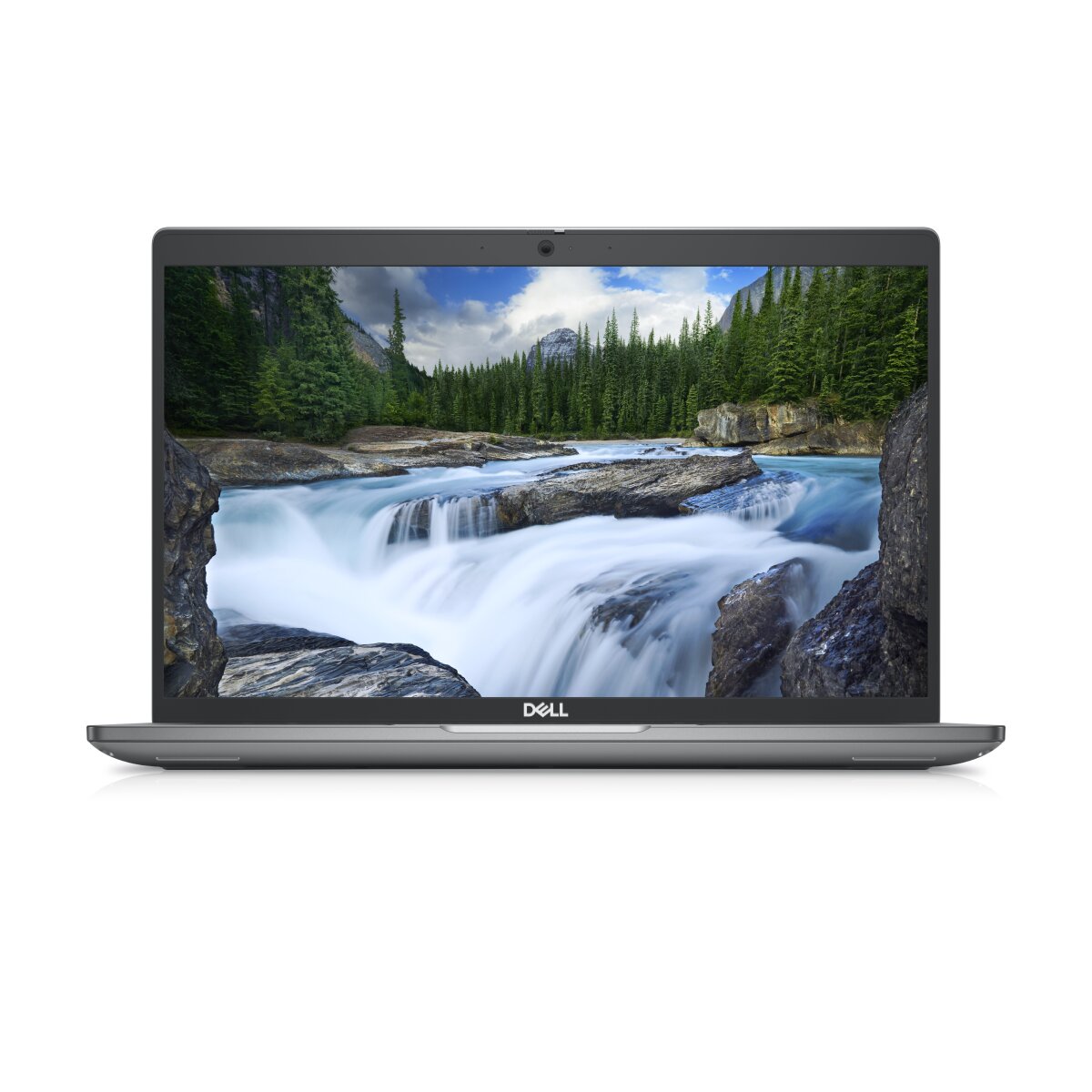
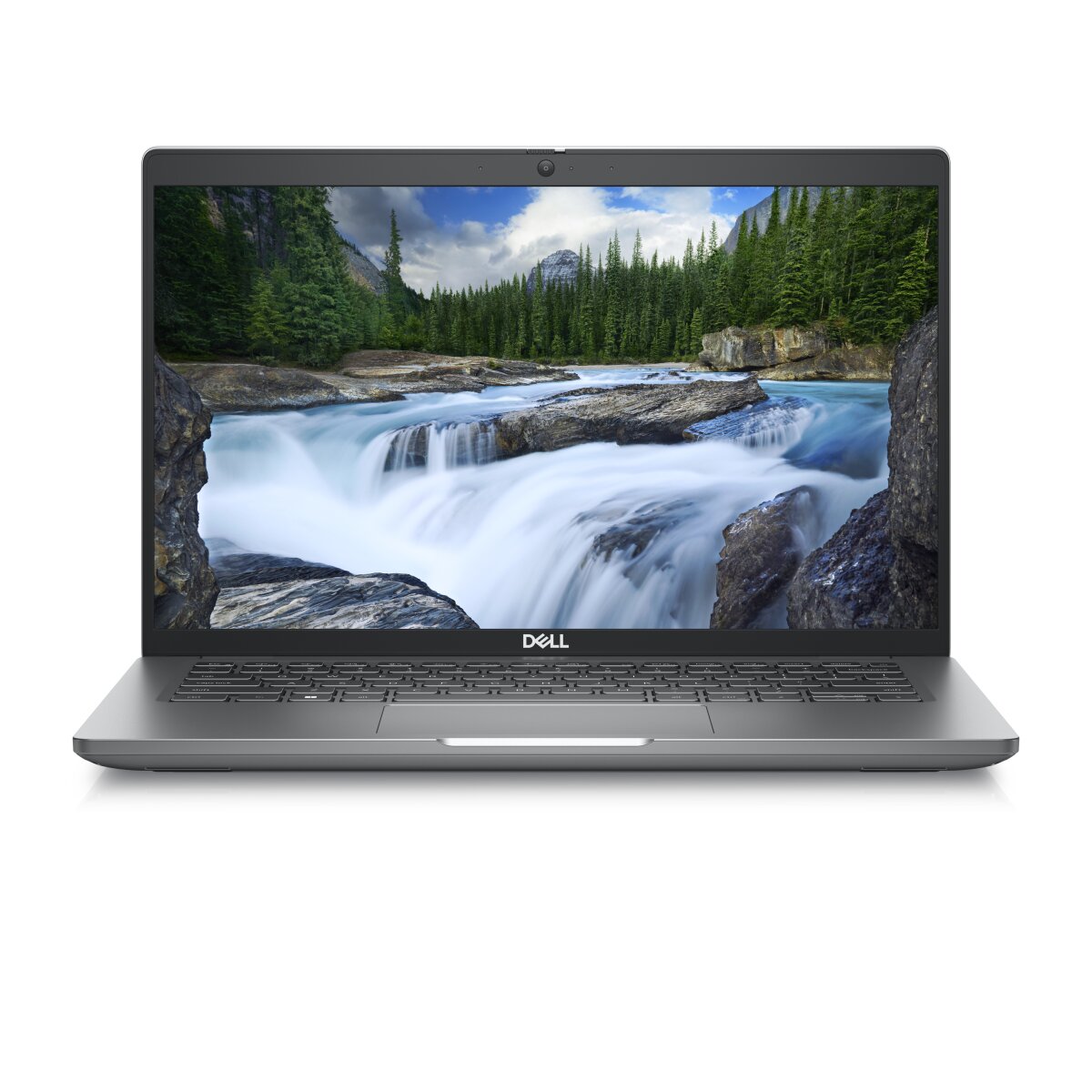
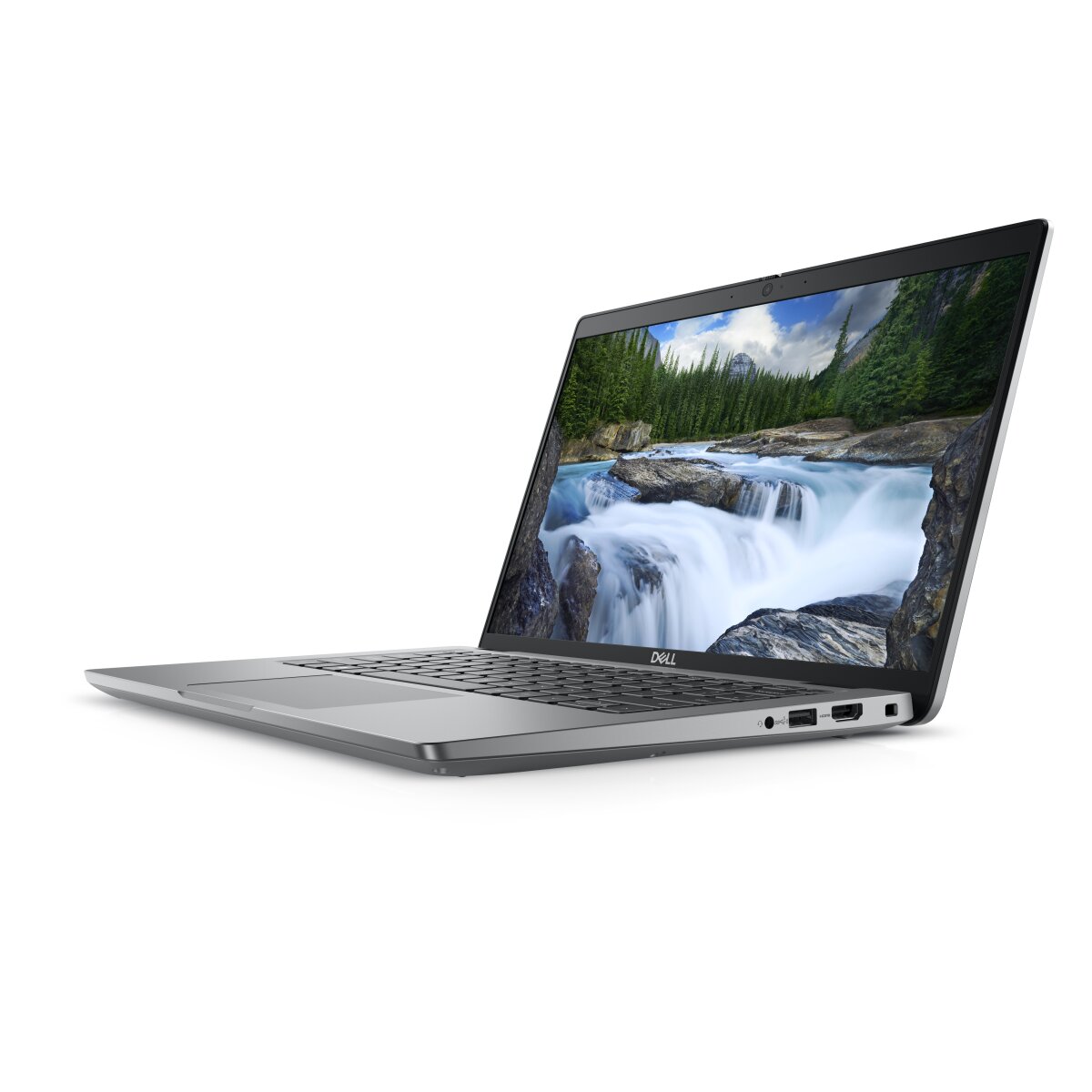
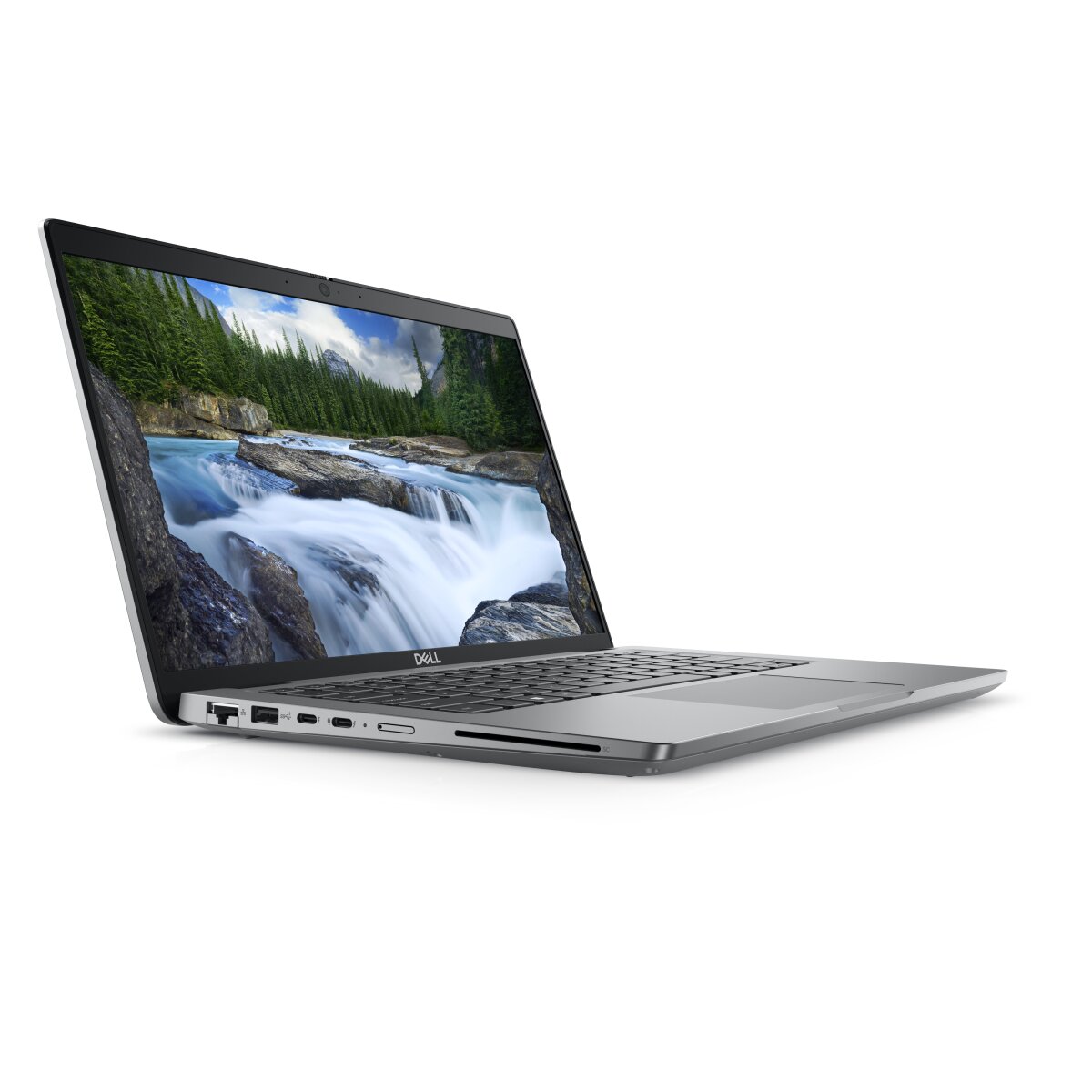
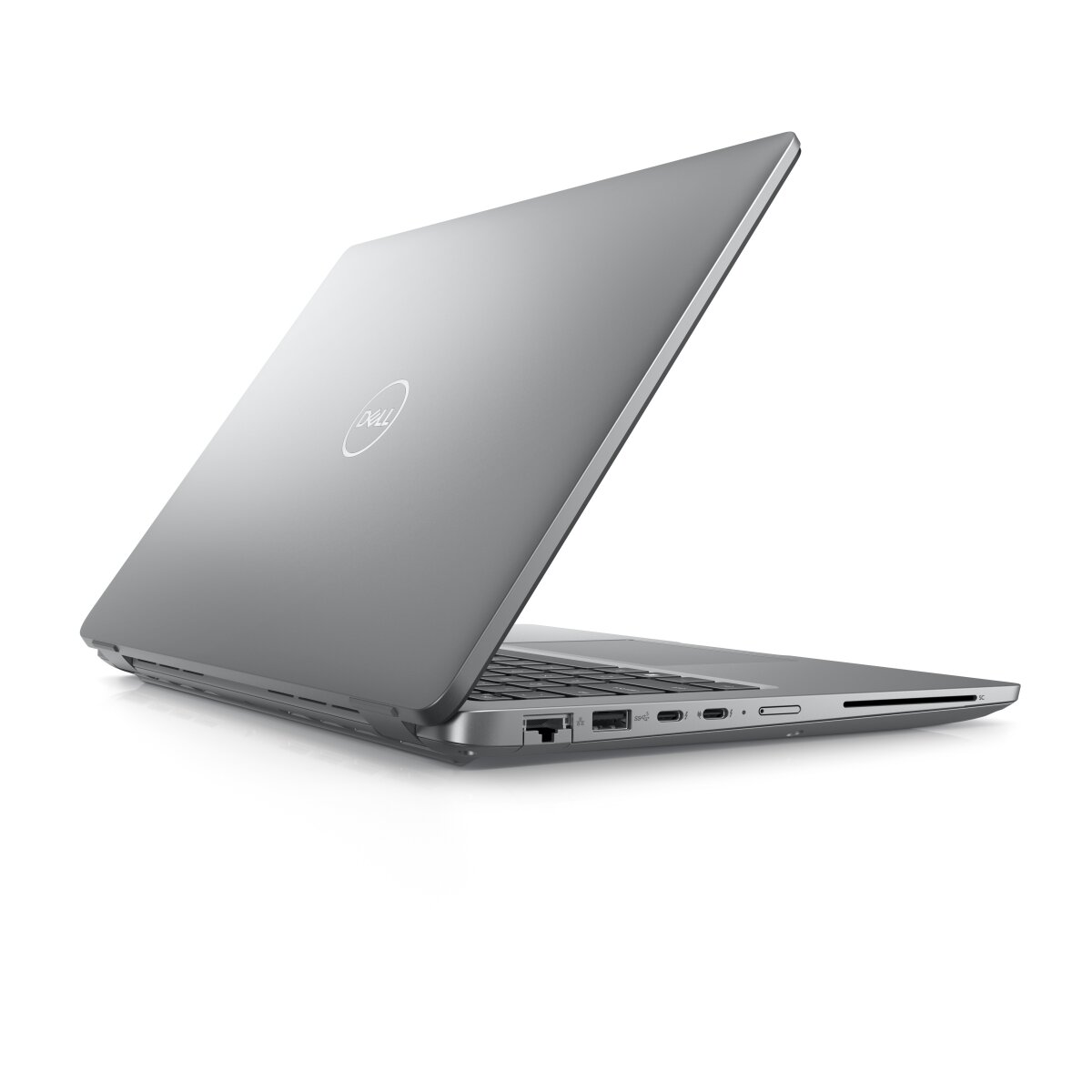
Dell Latitude 5440 memory upgrade specifications detail DDR4-SDRAM compatibility with maximum capacity of 64 GB across 2x SO-DIMM slots. Compatible modules operate at 3200 MHz frequency. The laptop supports SO-DIMM form factor memory upgrades, allowing users to expand RAM capacity beyond factory configurations. Specifications indicate the 5440 model accepts standard DDR4 memory modules within the stated parameters for enhanced multitasking and performance capabilities.
Memory Upgrade Specifications
| Specification | Value |
|---|---|
| Memory slots | 2x SO-DIMM |
| Form factor | SO-DIMM |
| Memory type | DDR4-SDRAM |
| Frequency | 3200 MHz |
| Maximum RAM | 64 GB |
| Voltage | 1.2V |
| Number of pins | 260-pin |
| Interface | PC4 |
| PC Speed Rating | PC4-3200 (PC4-25600) |
| Bandwidth | 25.6 GB/s |
| Laptop Release date | 01 April 2023 |
Additional Notes
- The Dell Latitude 5440 accepts a maximum of 32 GB per SO-DIMM slot, which limits single-module capacity to DDR4 modules rated at 32 GB density.
- DDR4-3200 operates at PC4-25600 specification, delivering 25.6 GB/s theoretical bandwidth per channel when both slots run in dual-channel mode.
- Installing a single module disables dual-channel operation, reducing memory bandwidth by approximately 50% compared to matched-pair configurations.
- SO-DIMM modules require 260-pin connectors, making standard DIMM (288-pin) desktop memory physically incompatible with this form factor.
- Mixing modules with different speeds forces both modules to operate at the slower frequency, negating the performance advantage of higher-rated memory.
- Non-matching capacity configurations retain dual-channel mode only for the amount mirrored across both slots, reverting to single-channel for the excess capacity.
- Upgrading beyond 64 GB total requires motherboard replacement, as memory controller limitations enforce this ceiling regardless of theoretical SO-DIMM availability.
- ECC SO-DIMM modules may physically fit but remain unsupported unless the system chipset explicitly enables error-correction functionality.
- The bottom-panel access design typically allows RAM replacement without voiding seals on other components, preserving warranty coverage for unmodified subsystems.
- Low-voltage DDR4L modules at 1.2V are backward-compatible, though standard 1.2V DDR4 already meets this specification at 3200 MHz frequency ratings.
- Latency ratings (CL22 versus CL19) produce measurable differences in random access patterns, though sequential throughput remains constrained by the 3200 MHz frequency ceiling.