DELL Latitude 5450 RAM upgrade specifications
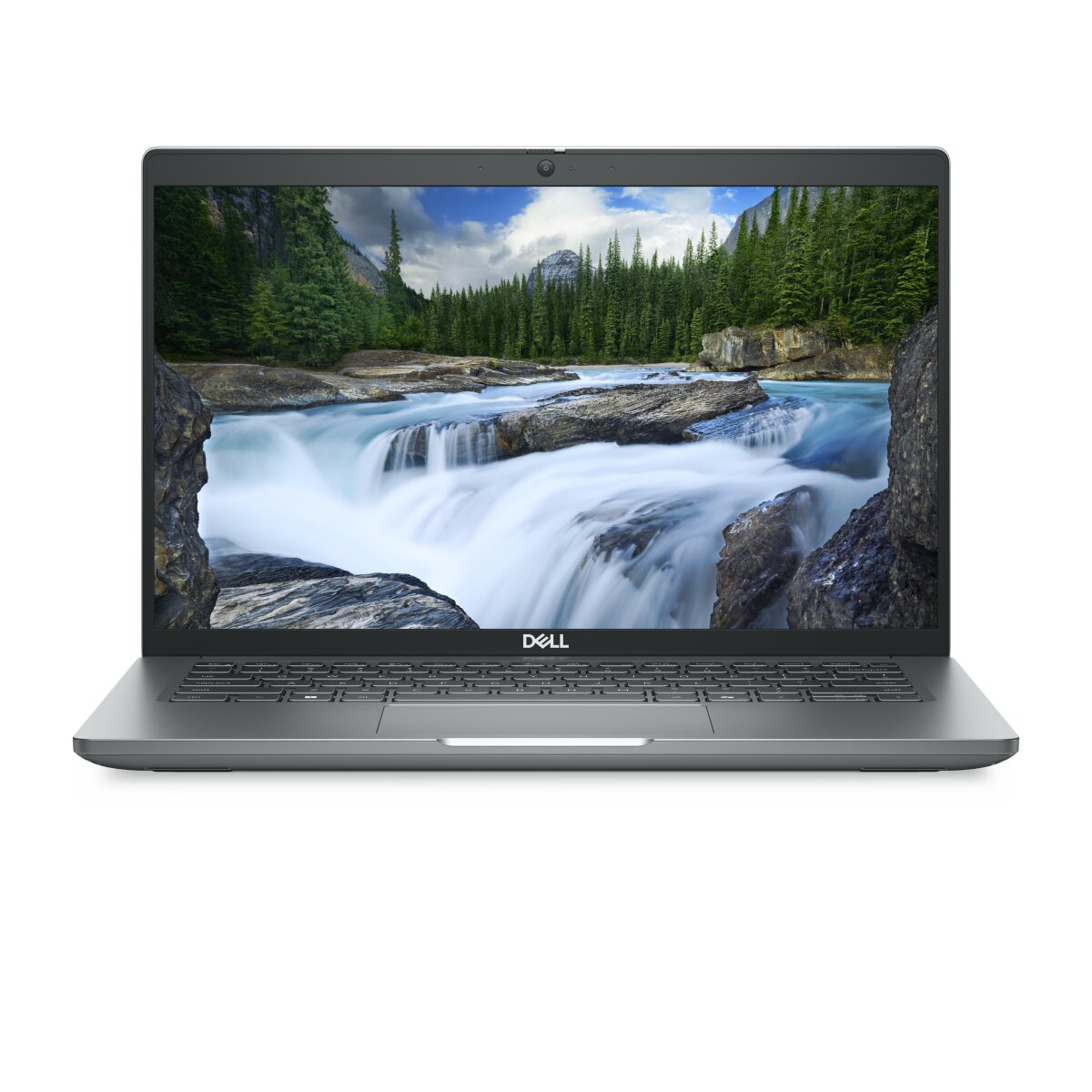
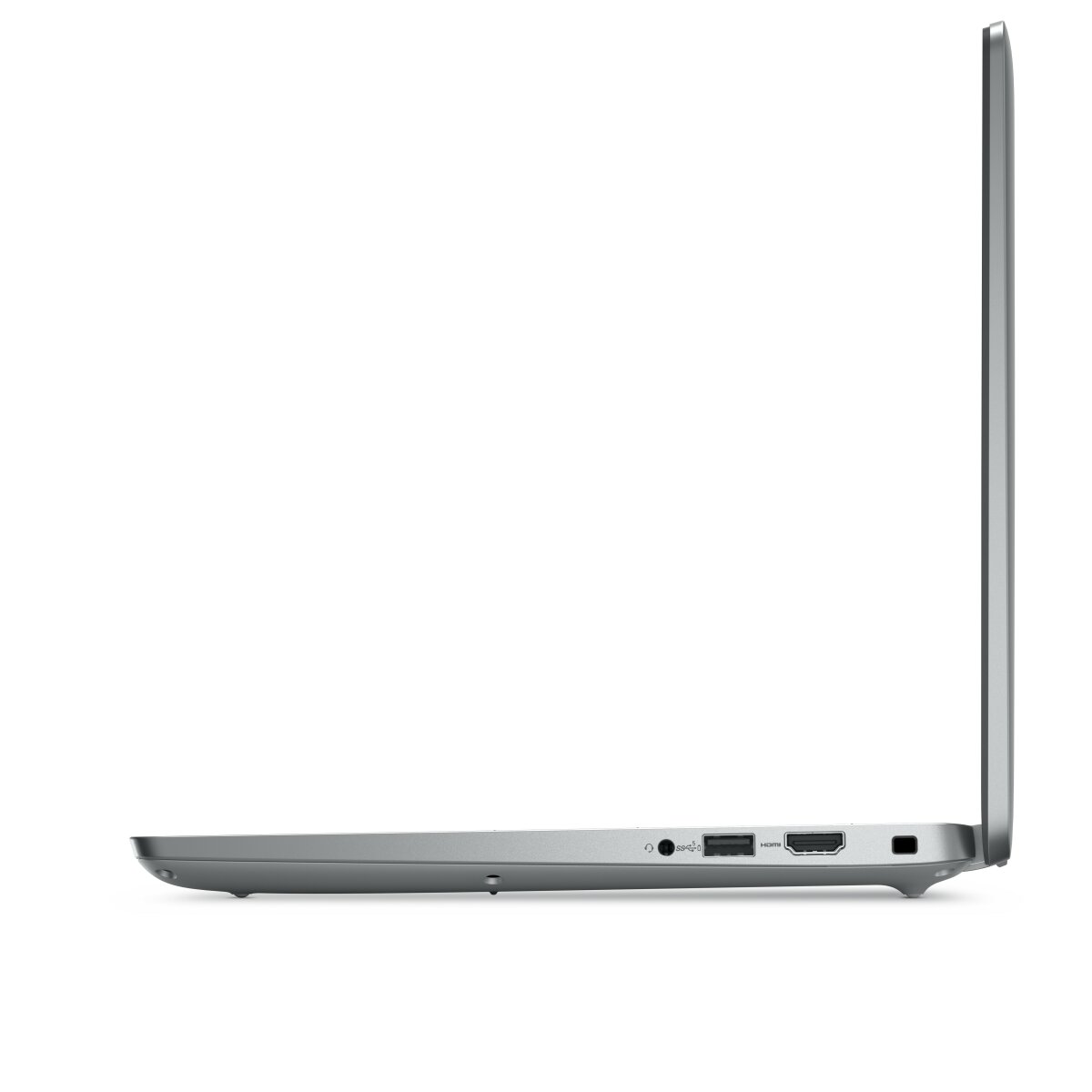

Dell Latitude 5450 memory upgrade specifications indicate DDR5-SDRAM compatibility with maximum capacity of 64 GB across two SO-DIMM slots. Compatible RAM modules operate at 5600 MHz frequency. Upgrade options support configurations from base memory to the maximum 64 GB specification. SO-DIMM form factor modules are required for installation in available memory slots.
Memory Upgrade Specifications
| Specification | Value |
|---|---|
| Memory slots | 2x SO-DIMM |
| Form factor | SO-DIMM |
| Memory type | DDR5-SDRAM |
| Frequency | 5600 MHz |
| Maximum RAM | 64 GB |
| Voltage | 1.1V |
| Number of pins | 262-pin |
| Interface | PC5 |
| PC Speed Rating | PC5-5600 (PC5-44800) |
| Bandwidth | 44.8 GB/s |
Additional Notes
- The DELL Latitude 5450 requires unbuffered non-ECC SO-DIMM modules, as registered or ECC variants will not function in this consumer-grade platform despite sharing the same physical interface.
- Dual-channel configuration requires matched pairs installed across both slots to achieve the full 89.6 GB/s theoretical memory bandwidth at 5600 MHz, otherwise the system defaults to single-channel mode with halved throughput.
- The 64 GB ceiling limits individual module density to 32 GB per slot, which constrains configurations to either 2x32 GB or lower-capacity combinations.
- JEDEC SPD profiles determine whether modules auto-configure at 5600 MHz or fall back to lower speeds like 4800 MHz, as this platform lacks XMP/EXPO support common in desktop systems.
- Mixed-capacity configurations create rank asymmetry when pairing modules of different densities, potentially reducing interleaving efficiency and introducing minor latency penalties during specific memory access patterns.
- Voltage compatibility requires 1.1V DDR5 modules, as higher-voltage variants designed for overclocking may cause POST failures or thermal throttling in this thermally constrained chassis.
- The soldered-down absence indicated by upgradable SO-DIMM slots means both memory channels remain fully accessible for replacement without factory-installed capacity occupying either slot.
- 5600 MHz operation delivers 16.7% lower latency per clock cycle compared to DDR4-3200 MHz predecessors, though absolute latency depends on CAS timings which typically range from CL40 to CL46 at this frequency.
- User-accessible slots preserve warranty eligibility for memory upgrades unlike soldered configurations, though proper ESD handling during installation prevents damage to the on-die termination resistors integral to DDR5 architecture.