FUJITSU LIFEBOOK E559 RAM upgrade specifications
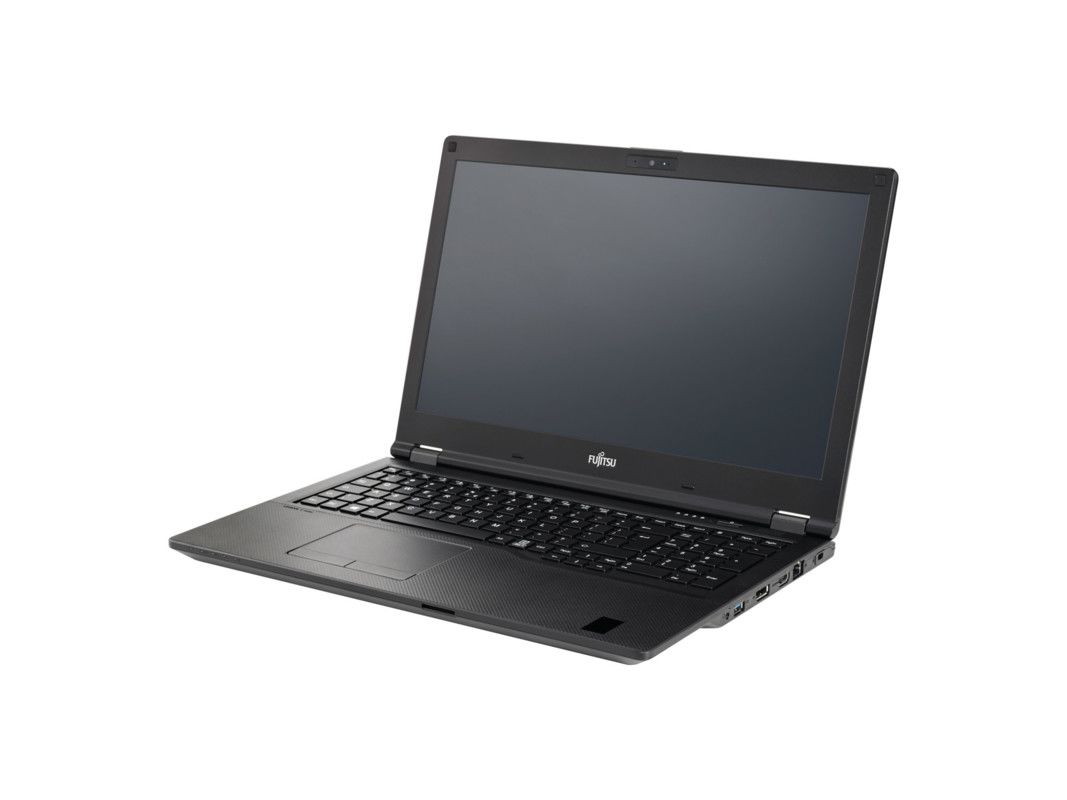
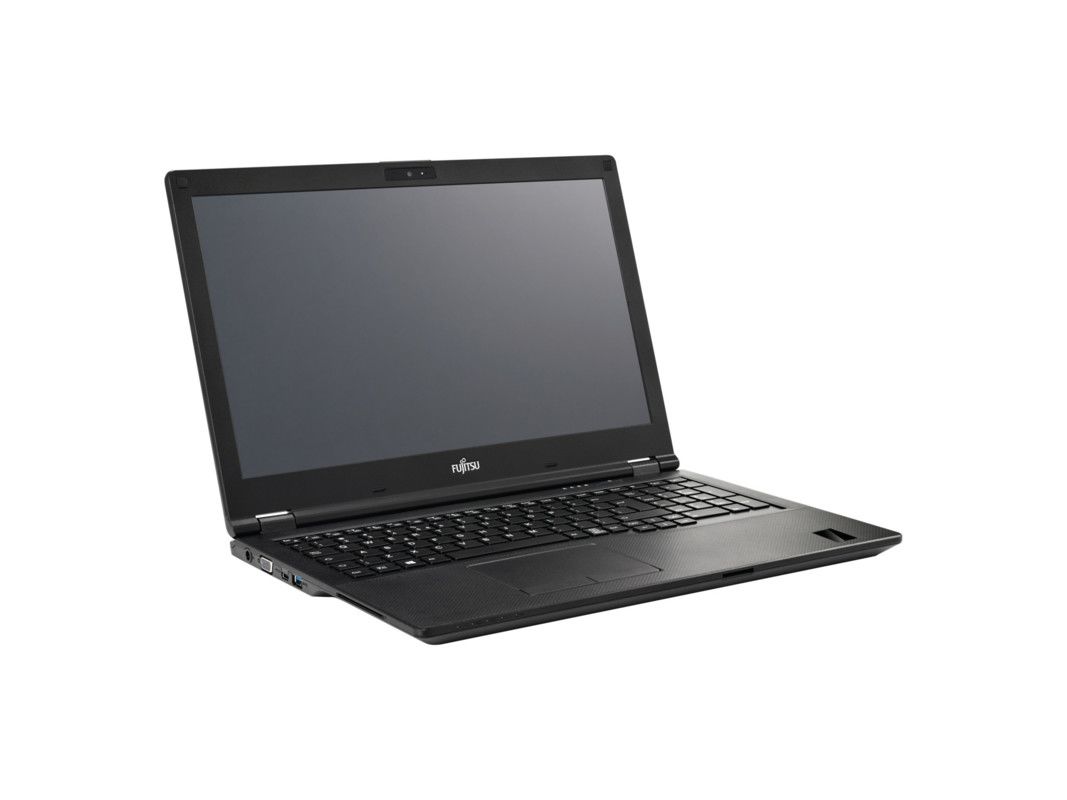
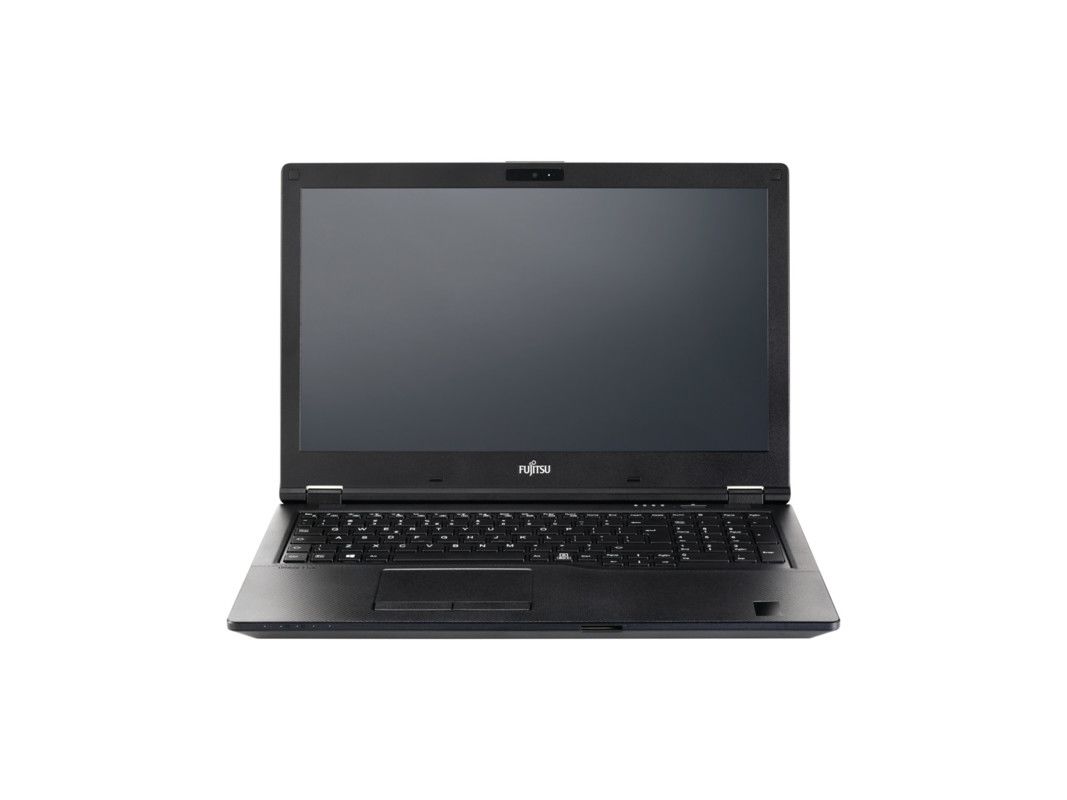
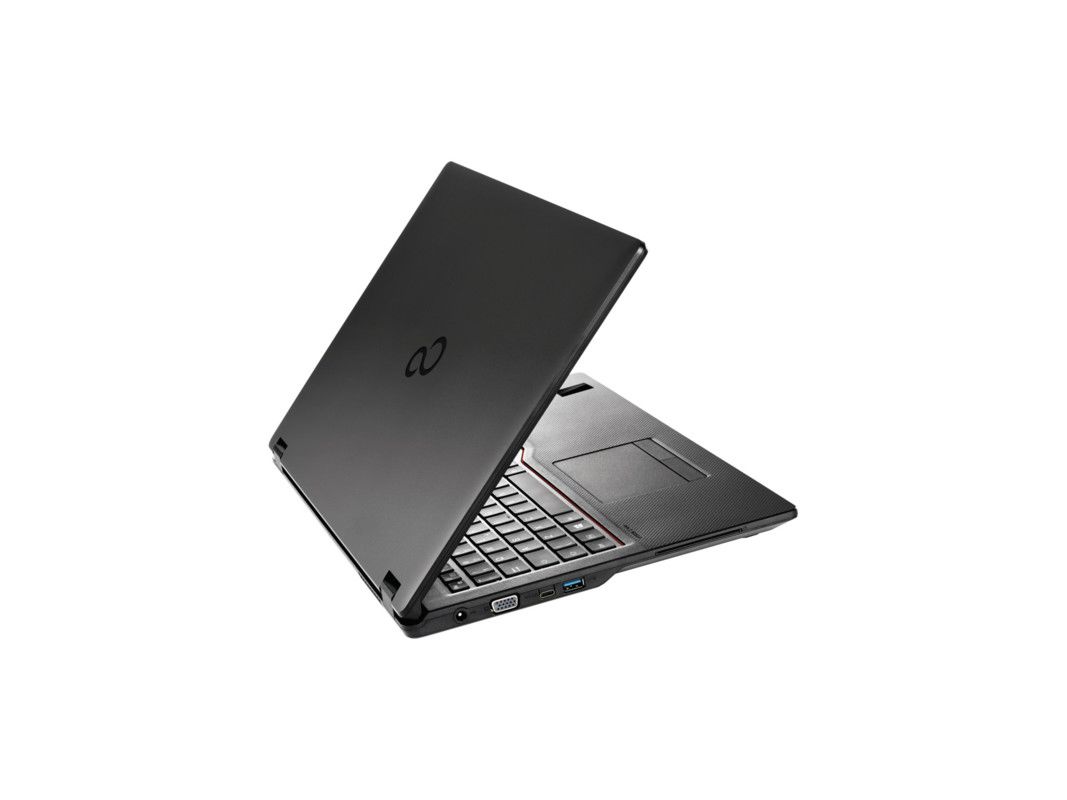
The FUJITSU LIFEBOOK E559 laptop features DDR4-SDRAM memory specifications with two SO-DIMM slots for RAM upgrades. Maximum compatible memory capacity reaches 32 GB total, supporting DDR4 modules operating at 2400 MHz frequency. The upgrade slots accommodate standard SO-DIMM form factor memory modules. These specifications define the memory expansion capabilities and compatibility parameters for FUJITSU LIFEBOOK E series E559 model configurations.
Memory Upgrade Specifications
| Specification | Value |
|---|---|
| Memory slots | 2x SO-DIMM |
| Form factor | SO-DIMM |
| Memory type | DDR4-SDRAM |
| Frequency | 2400 MHz |
| Maximum RAM | 32 GB |
| Voltage | 1.2V |
| Number of pins | 260-pin |
| Interface | PC4 |
| PC Speed Rating | PC4-2400 (PC4-19200) |
| Bandwidth | 19.2 GB/s |
| Laptop Release date | 13 May 2019 |
Additional Notes
- The FUJITSU LIFEBOOK E559 uses standard voltage DDR4 rather than low-power DDR4L modules, which affects battery life compared to systems designed for LPDDR4.
- The 2400 MHz frequency limitation means faster DDR4 modules rated at 2666 MHz or 3200 MHz will downclock to match the system's maximum supported speed.
- Both SO-DIMM slots must remain accessible without full disassembly, though the bottom panel removal typically requires voiding security seals on business-class systems.
- The 32 GB ceiling requires 2 modules of 16 GB each in dual-channel configuration, as single 32 GB SO-DIMM modules exceed the per-slot capacity limit.
- Mixing modules with different densities or timings may force the memory controller to operate at the lowest common specifications, reducing performance.
- Single-channel operation with only 1 occupied slot cuts memory bandwidth in half, creating bottlenecks in integrated graphics workloads and multi-threaded applications.
- The chipset does not support ECC SO-DIMM modules despite their physical compatibility, causing boot failures or system instability if installed.
- Upgrading beyond the factory-installed capacity may require BIOS updates to ensure proper memory training and stability at maximum density.
- The DDR4-2400 specification operates at PC4-19200 bandwidth rating, delivering 19.2 GB/s theoretical throughput per channel under ideal conditions.
- Non-standard or XMP-profiled gaming modules lack compatibility with the business-oriented memory controller, which expects JEDEC-compliant SPD programming.