FUJITSU LIFEBOOK E736 RAM upgrade specifications
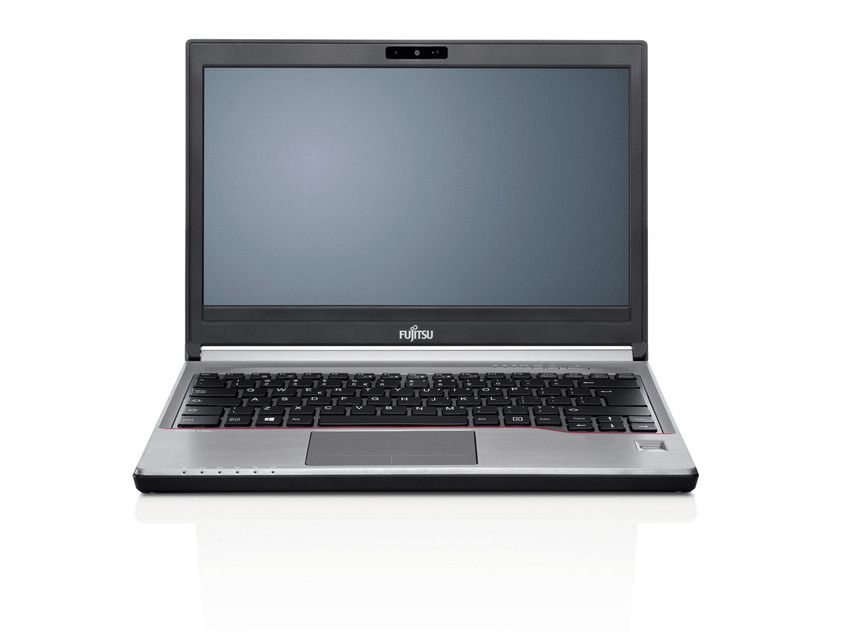
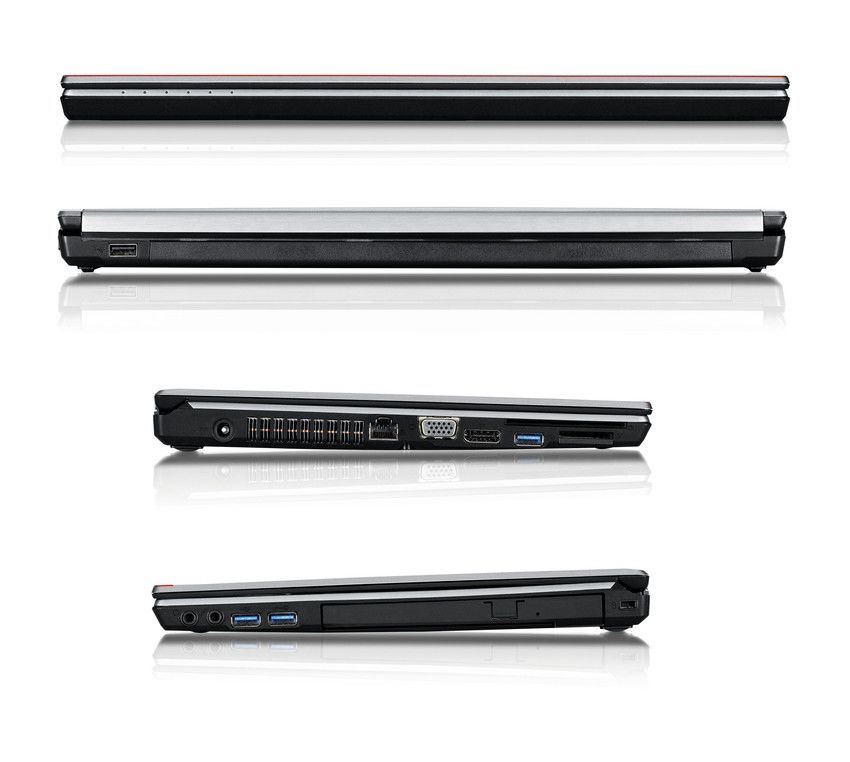
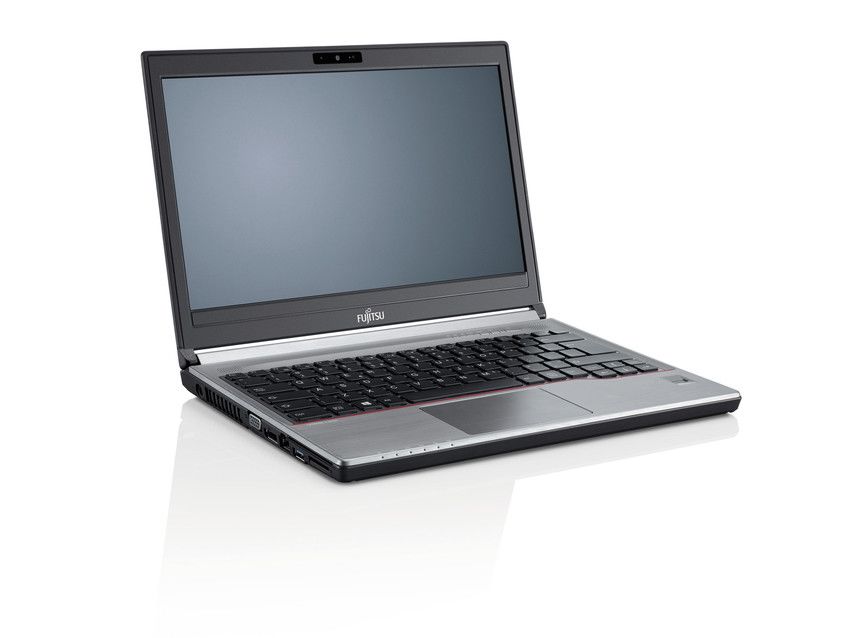
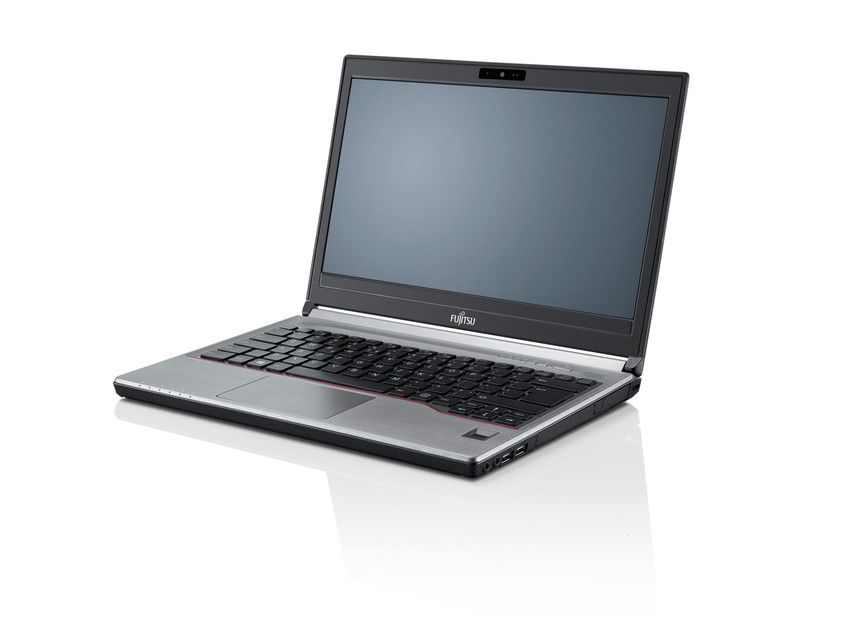
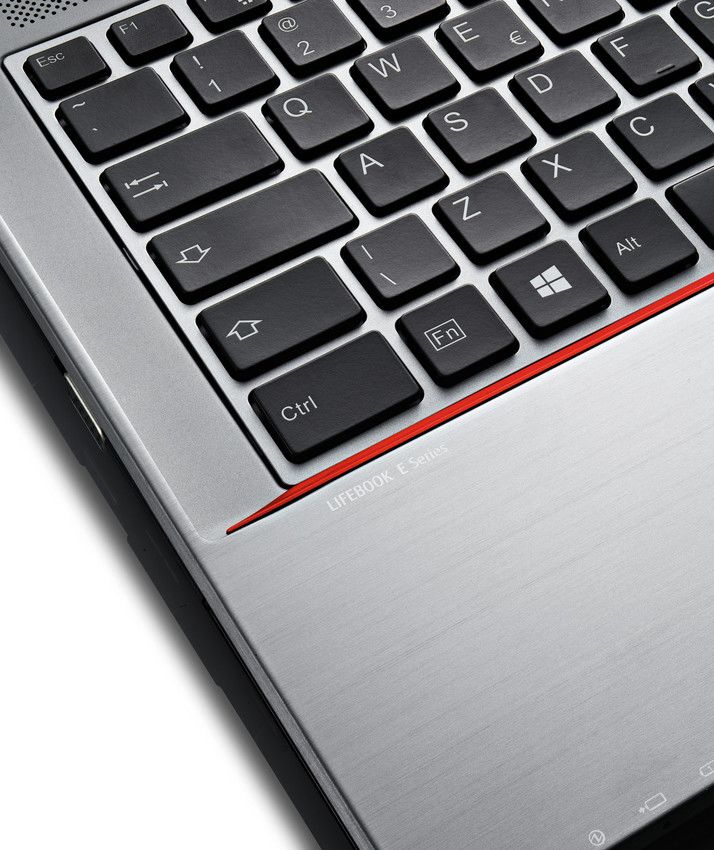
The FUJITSU LIFEBOOK E Series E736 laptop supports DDR4-SDRAM memory upgrades through two SO-DIMM slots. Maximum memory capacity reaches 32 GB total, with compatible modules operating at 2133 MHz frequency. RAM upgrade specifications for this model enable expansion beyond factory-installed configurations using standard SO-DIMM form factor modules. Memory slots accommodate DDR4-SDRAM upgrades meeting manufacturer compatibility requirements and performance specifications.
Memory Upgrade Specifications
| Specification | Value |
|---|---|
| Memory slots | 2x SO-DIMM |
| Form factor | SO-DIMM |
| Memory type | DDR4-SDRAM |
| Frequency | 2133 MHz |
| Maximum RAM | 32 GB |
| Voltage | 1.2V |
| Number of pins | 260-pin |
| Interface | PC4 |
| PC Speed Rating | PC4-2133 (PC4-17064) |
| Bandwidth | 17.1 GB/s |
| Laptop Release date | 21 August 2016 |
Additional Notes
- Standard desktop DDR4 modules are physically incompatible due to the SO-DIMM form factor requirement, which features a smaller 260-pin connector versus the 288-pin DIMM used in desktop systems.
- The 32 GB maximum capacity restricts configurations to either 2x16 GB modules or a single 32 GB module if asymmetric dual-channel operation is acceptable, as 2x32 GB configurations exceed the memory controller's addressing limit.
- DDR4 modules rated above 2133 MHz will downclock to match the system's native frequency, effectively wasting the performance premium paid for higher-speed memory kits.
- Operating both SO-DIMM slots enables dual-channel mode, doubling memory bandwidth from approximately 17 GB/s to 34 GB/s compared to single-module configurations.
- Mixing modules with different timings or densities may force the memory controller to operate at the lowest common denominator specifications, potentially reducing performance below rated speeds.
- Non-ECC unbuffered SO-DIMMs are required, as registered or ECC memory types typically reserved for server platforms will not initialize in this mobile workstation chipset.
- The DDR4 standard operates at 1.2V, providing a reduction in power consumption and heat generation compared to legacy DDR3L systems, which may extend battery life during memory-intensive operations.
- Accessing the memory slots on this model typically requires removing the bottom service panel, which should not void manufacturer warranty if performed according to service manual procedures.
- Single-rank versus dual-rank module architecture affects interleaving efficiency, with dual-rank modules potentially offering marginal performance gains in applications with high memory parallelism despite identical capacity and frequency ratings.
- The 2133 MHz specification represents DDR4-2133 or PC4-17000 nomenclature in retail listings, which should be verified to avoid purchasing incompatible DDR3 SO-DIMMs labeled with similar frequency numbers.