FUJITSU LIFEBOOK E734 RAM upgrade specifications
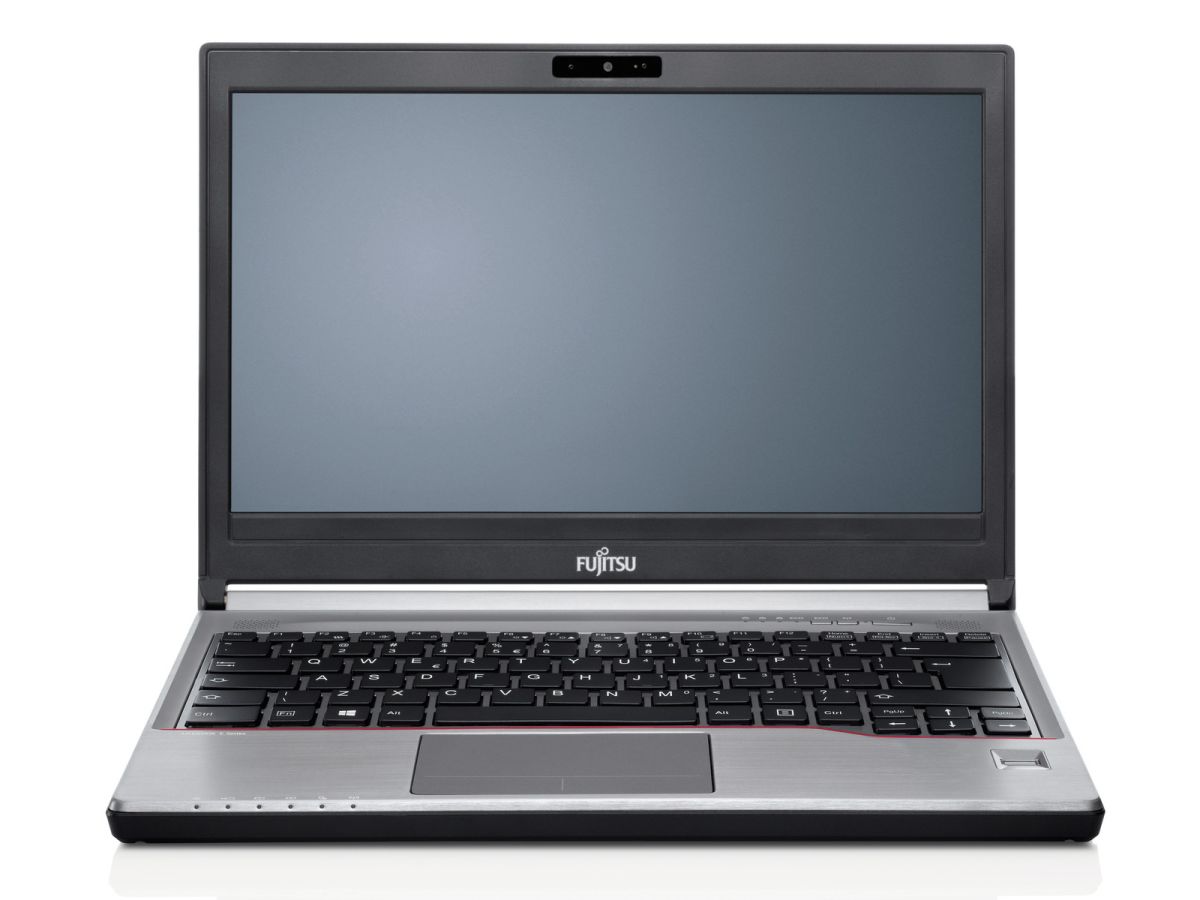
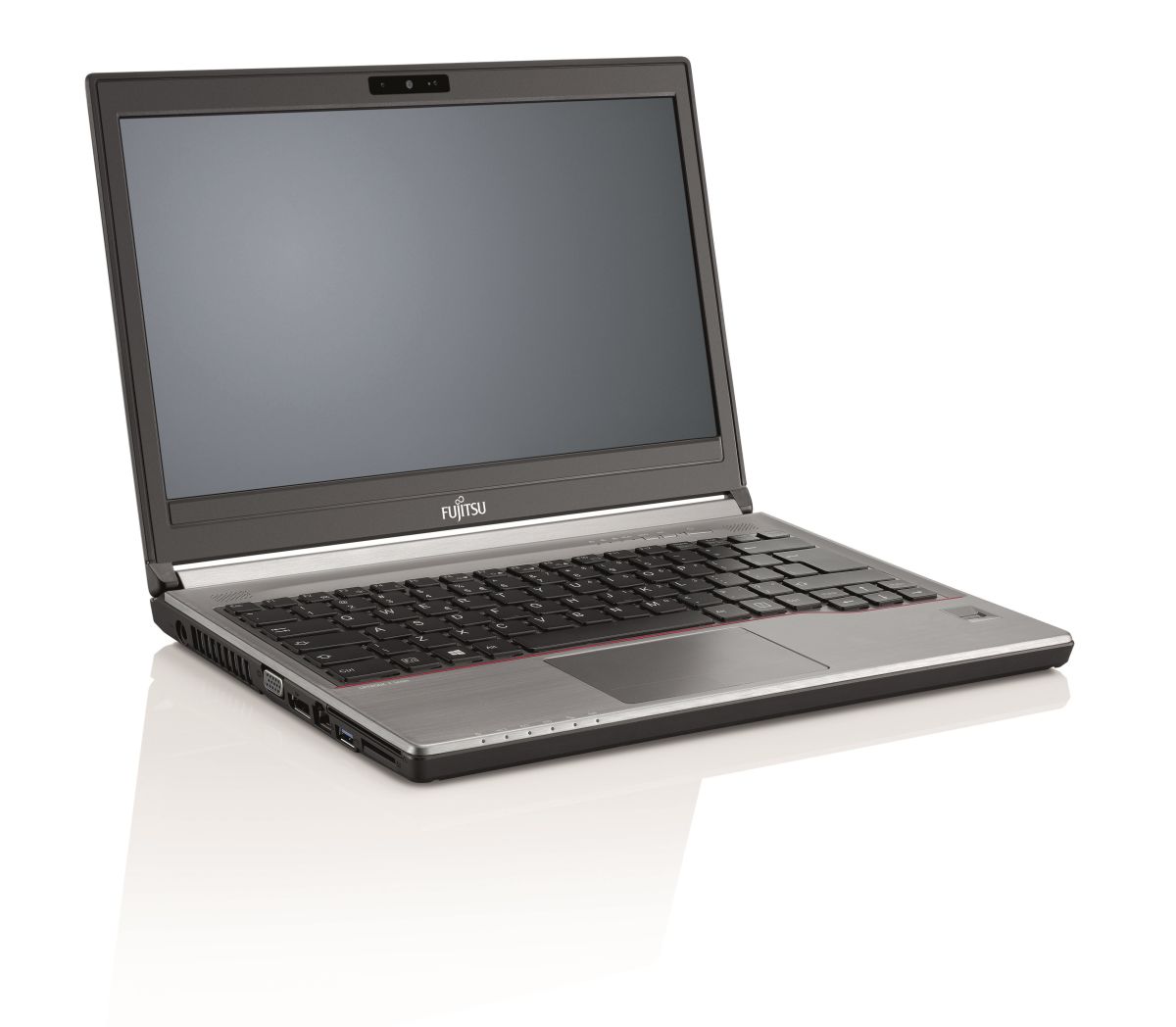
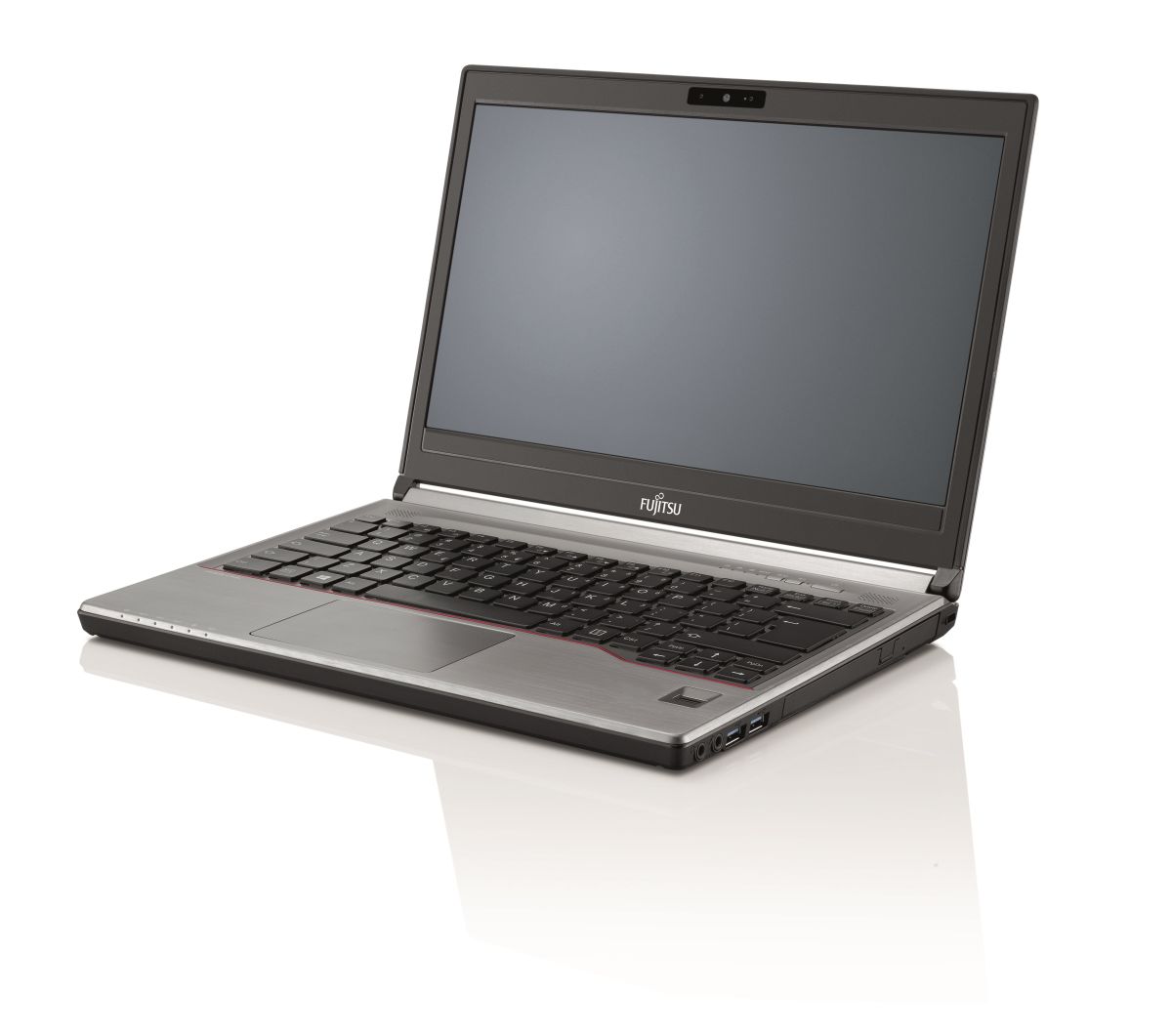
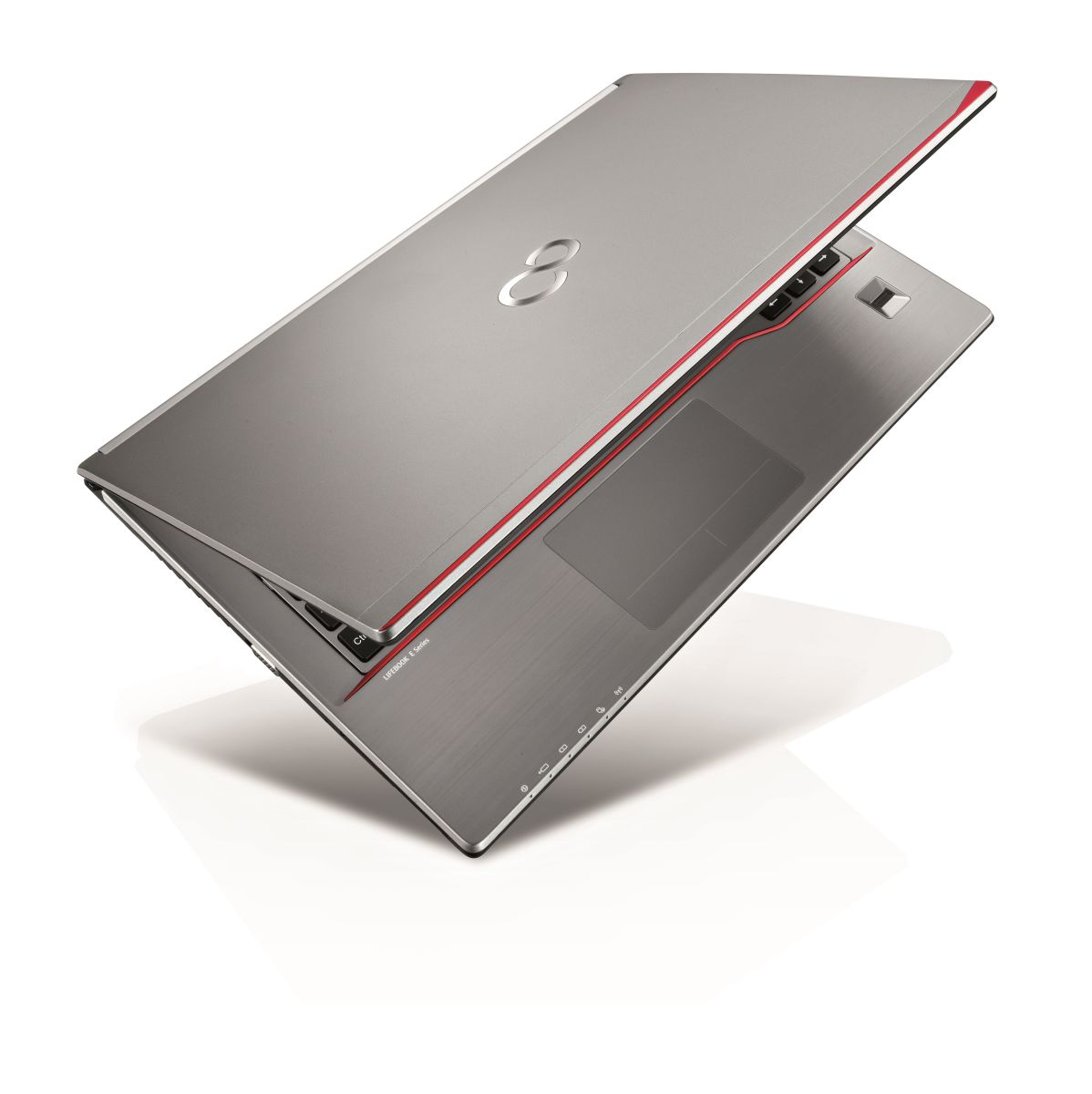
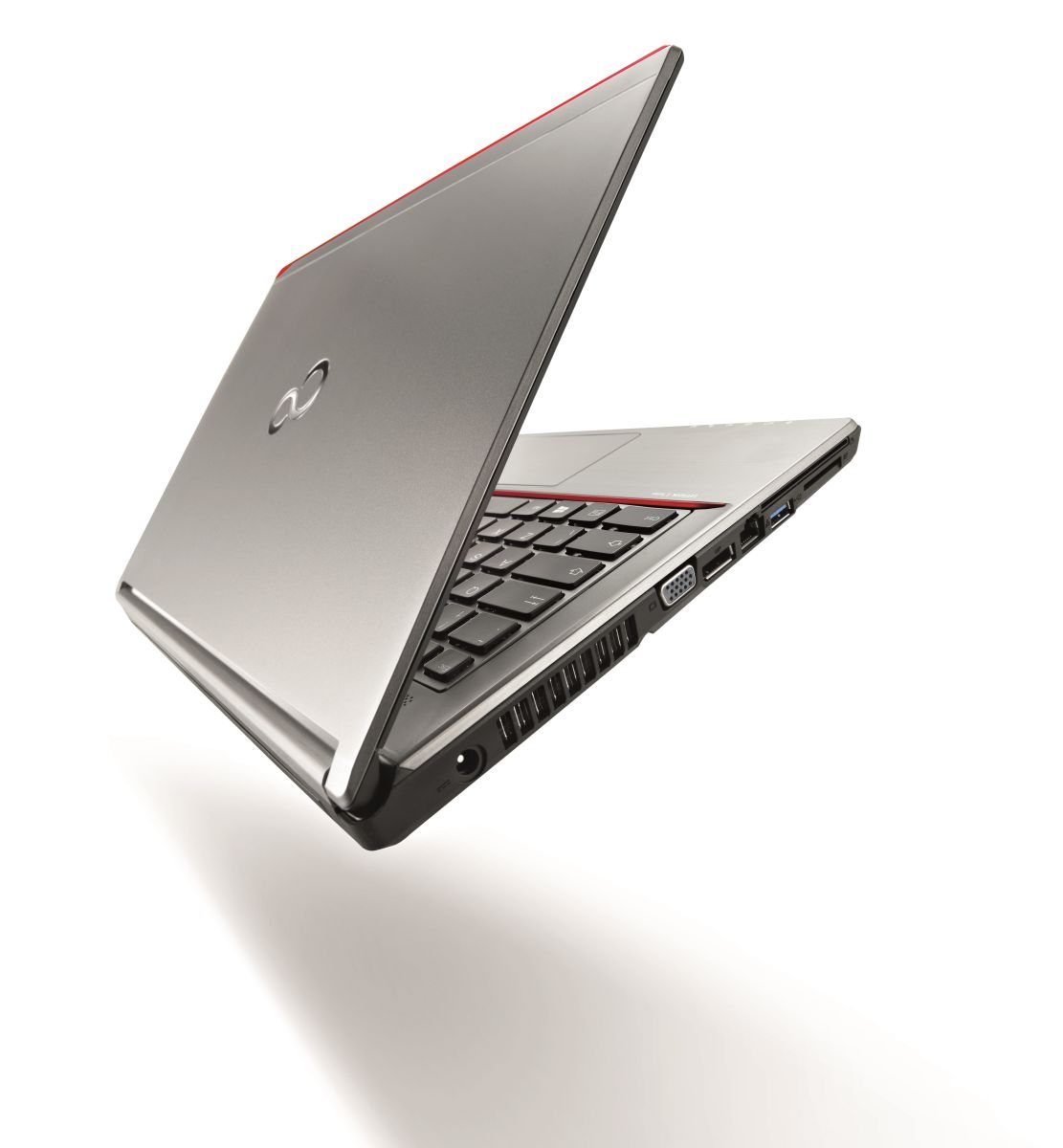
The Fujitsu Lifebook E734 laptop contains 2x SO-DIMM memory slots supporting DDR3L-SDRAM modules at 1600 MHz frequency. The maximum RAM capacity for this model is 16 GB total. Compatible memory upgrades must utilize the SO-DIMM form factor specifications. Replacement and expansion of memory modules require removal of the laptop base panel to access the dedicated upgrade slots. DDR3L low-voltage memory is required for compatible operation with this model's specifications.
Memory Upgrade Specifications
| Specification | Value |
|---|---|
| Memory slots | 2x SO-DIMM |
| Form factor | SO-DIMM |
| Memory type | DDR3L-SDRAM |
| Frequency | 1600 MHz |
| Maximum RAM | 16 GB |
| Voltage | 1.35V (Low Voltage) |
| Number of pins | 204-pin |
| Interface | PC3L |
| PC Speed Rating | PC3L-1600 (PC3L-12800) |
| Bandwidth | 12.8 GB/s |
| Laptop Release date | 19 March 2015 |
Additional Notes
- The FUJITSU LIFEBOOK E734 requires low-voltage modules operating at 1.35V rather than standard 1.5V DDR3, limiting compatibility to specifically labeled DDR3L modules.
- The 16 GB ceiling necessitates 2x8 GB modules to reach maximum capacity, as the dual-slot configuration leaves no room for incremental expansion beyond this pairing.
- PC3L-12800 represents the module designation corresponding to the 1600 MHz specification, which serves as the compatibility identifier when sourcing replacement or upgrade memory.
- The SO-DIMM form factor excludes standard desktop DIMM modules entirely due to the smaller 204-pin connector versus the desktop 240-pin interface.
- Mixing modules with different densities triggers asymmetric channel operation, preventing dual-channel bandwidth optimization and reducing effective memory throughput.
- Installing standard voltage DDR3 modules may cause POST failures or thermal stress as the chipset provides only 1.35V to the memory controller.
- The 1600 MHz speed operates at PC3L-12800 bandwidth delivering 12.8 GB/s theoretical throughput per channel, which doubles to 25.6 GB/s when both slots maintain matched specifications.
- Module height restrictions typical of business-class chassis may prevent installation of memory with tall heat spreaders or non-standard PCB profiles.
- Memory controller compatibility ends at DDR3L generation, preventing any forward compatibility with DDR4 modules regardless of form factor.
- Single-channel operation with one populated slot halves available memory bandwidth, creating potential bottlenecks in applications with intensive data access patterns.
- The system validates SPD information at boot, rejecting modules without proper DDR3L voltage profiles even if they physically fit the slots.
- Non-ECC unbuffered modules represent the required architecture, as registered or ECC variants designed for server platforms will not initialize properly.