HP OMEN 15-dc0024nf RAM upgrade specifications




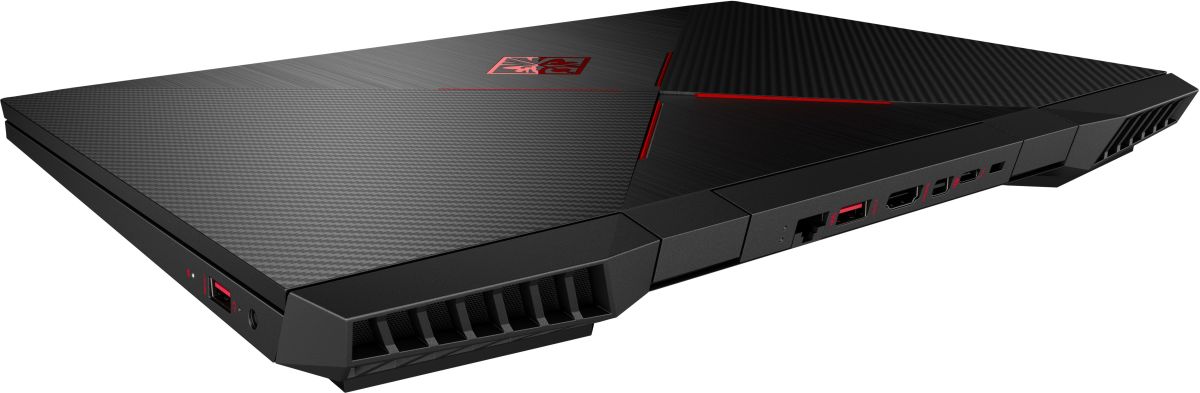
The HP OMEN 15-dc0024nf laptop contains 2x SO-DIMM memory slots supporting DDR4-SDRAM modules at 2666 MHz frequency. Maximum RAM capacity reaches 32 GB total when both slots are populated with compatible modules. Memory upgrade specifications utilize SO-DIMM form factor components. The machine accepts DDR4 memory upgrades for enhanced multitasking and performance capabilities within specified compatibility parameters.
Memory Upgrade Specifications
| Specification | Value |
|---|---|
| Memory slots | 2x SO-DIMM |
| Form factor | SO-DIMM |
| Memory type | DDR4-SDRAM |
| Frequency | 2666 MHz |
| Maximum RAM | 32 GB |
| Voltage | 1.2V |
| Number of pins | 260-pin |
| Interface | PC4 |
| PC Speed Rating | PC4-2666 (PC4-21328) |
| Bandwidth | 21.3 GB/s |
| Laptop Release date | 29 June 2018 |
Additional Notes
- The HP OMEN 15-dc0024nf uses SO-DIMM slots, which are physically smaller than desktop DIMM modules. Only memory modules specifically designed for laptop form factors will fit; standard desktop RAM is incompatible.
- DDR4-2666 MHz memory represents a mid-range speed tier. Upgrading to faster DDR4 variants (3000 MHz, 3200 MHz) will not function at rated speeds unless the BIOS explicitly supports higher frequencies, and performance gains in gaming or general productivity remain marginal.
- The 2-slot configuration with a 32 GB ceiling imposes a hard architectural limit. Each slot accepts a maximum 16 GB module, making 32 GB the final capacity threshold regardless of future DDR4 generations or speed improvements.
- Installing mismatched memory modules (different capacities or speeds) will cause the system to downclock both sticks to the slower module's frequency. Dual identical modules operate at rated specifications; mixed configurations are stability risks.
- Removing factory-installed RAM to install aftermarket memory does not typically void the manufacturer's hardware warranty, provided the upgrade does not introduce physical damage or electrostatic discharge during installation.
- Memory bandwidth constraints at 2666 MHz limit sustained data throughput to approximately 21.3 GB/s per channel. Processors or graphics components attempting to transfer data faster than this rate experience queuing delays, creating indirect performance bottlenecks in multi-threaded workloads.