HP OMEN 15-dc0022nf RAM upgrade specifications




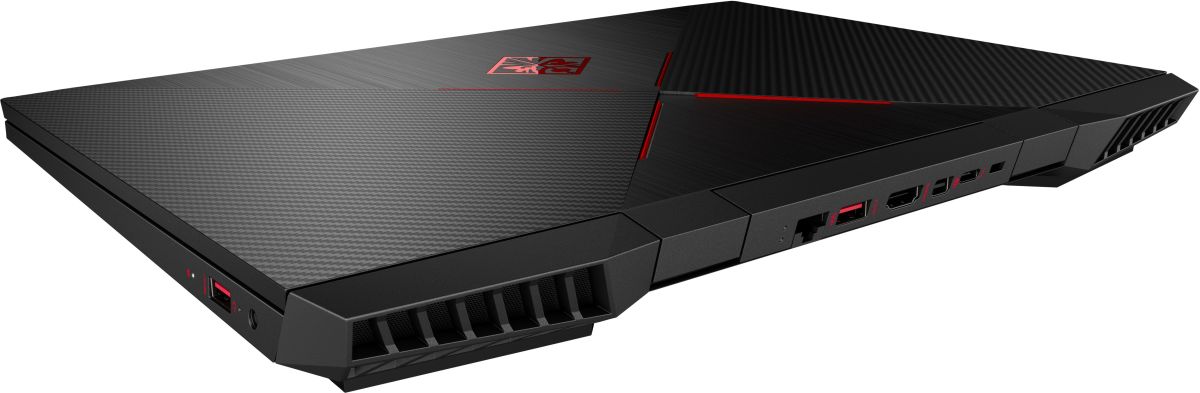
The HP OMEN 15-dc0022nf laptop features DDR4-SDRAM memory with 2x SO-DIMM slots for upgrades. Maximum RAM capacity reaches 32 GB total. Compatible memory modules operate at 2666 MHz frequency. Current specifications identify SO-DIMM form factor requirements for memory upgrades. HP OMEN 15 series supports these memory configurations for enhanced system performance and multitasking capabilities.
Memory Upgrade Specifications
| Specification | Value |
|---|---|
| Memory slots | 2x SO-DIMM |
| Form factor | SO-DIMM |
| Memory type | DDR4-SDRAM |
| Frequency | 2666 MHz |
| Maximum RAM | 32 GB |
| Voltage | 1.2V |
| Number of pins | 260-pin |
| Interface | PC4 |
| PC Speed Rating | PC4-2666 (PC4-21328) |
| Bandwidth | 21.3 GB/s |
| Laptop Release date | 14 June 2018 |
Additional Notes
- The 2666 MHz specification represents the JEDEC standard ceiling for this platform. Memory modules rated above 2666 MHz will operate at 2666 MHz due to controller limitations, eliminating performance gains from higher-frequency purchases.
- Two SO-DIMM slots with 32 GB maximum capacity indicate that single-module upgrades to 16 GB leave one slot available for asymmetric dual-channel operation, reducing bandwidth efficiency compared to balanced 2x16 GB configurations.
- SO-DIMM form factor necessitates laptop-specific memory modules. Desktop DDR4 UDIMM modules will not physically fit, making incorrect purchases possible despite DDR4 compatibility labeling.
- Upgrading beyond the original equipped capacity requires removing existing modules rather than adding modules if both slots are already populated. This constraint affects whether upgrade paths require full replacement versus additive expansion.
- DDR4-2666 memory modules remain widely available at commodity prices across third-party retailers, but OEM-branded HP replacements typically cost significantly more for identical electrical specifications.
- The dual-slot architecture creates a thermal constraint: stacking 2x16 GB modules generates more localized heat than single-module configurations, potentially affecting throttling behavior under sustained memory-intensive workloads if airflow is restricted.