HP OMEN 15-dc0019nf RAM upgrade specifications



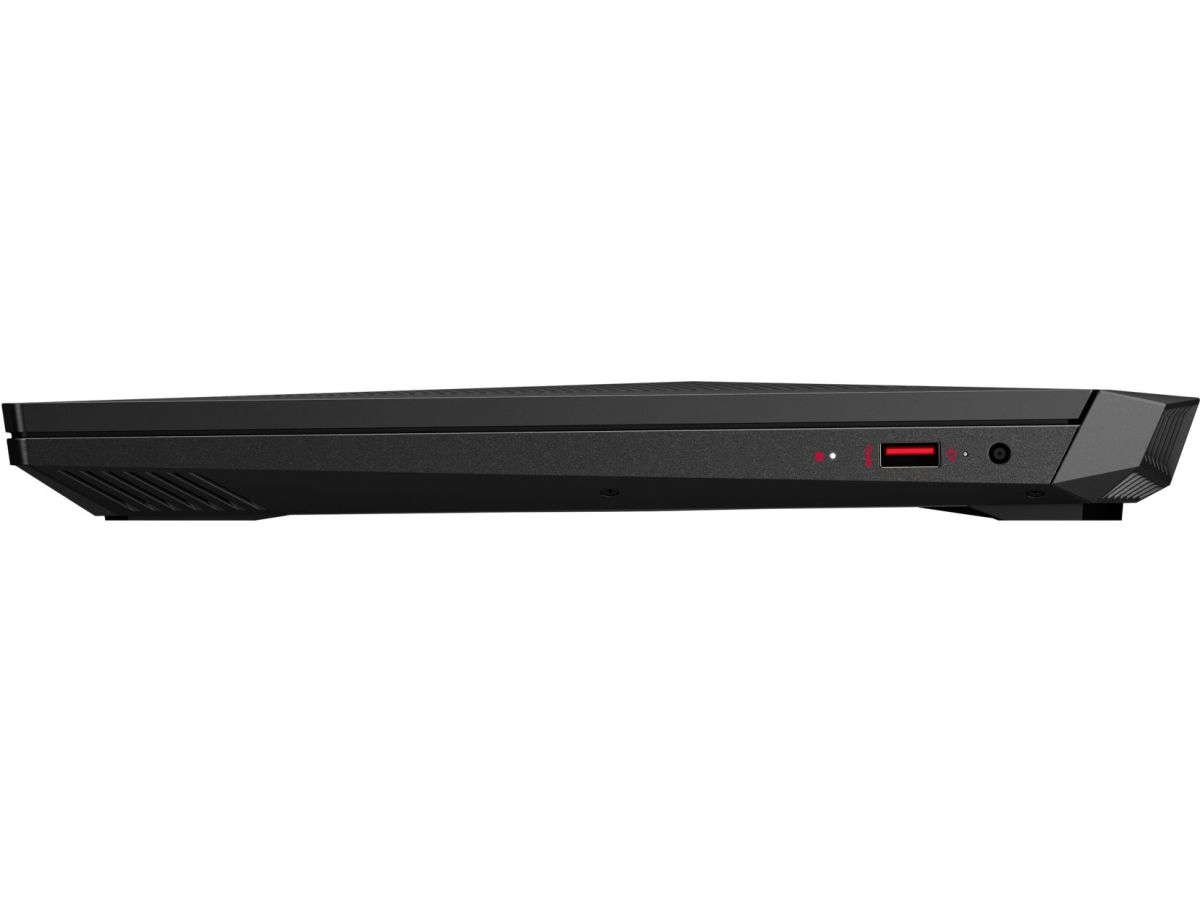
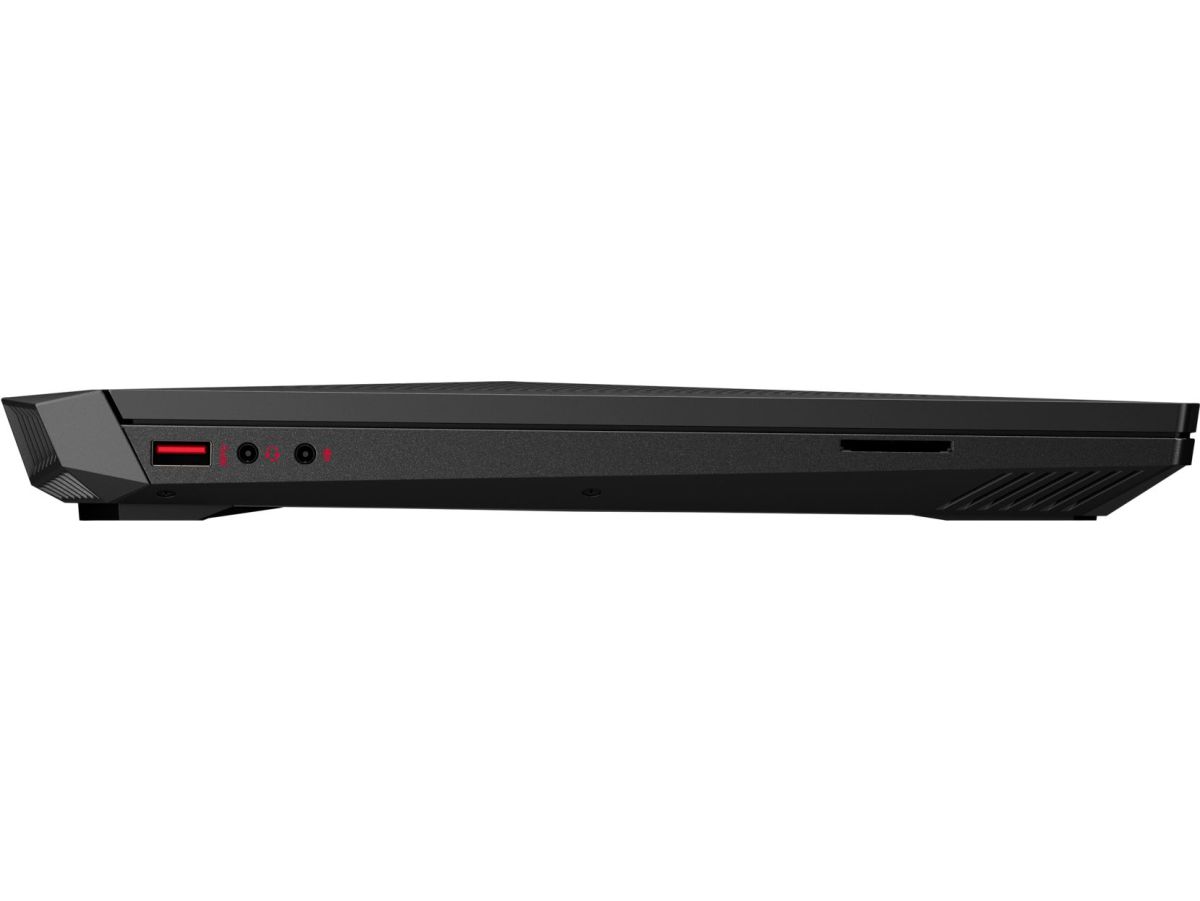
The HP OMEN 15-dc0019nf features DDR4-SDRAM memory specifications compatible with 2x SO-DIMM slots. The upgrade capacity supports a maximum RAM of 32 GB total memory at 2666 MHz frequency. Current memory slots accommodate SO-DIMM form factor modules. Specifications indicate the laptop memory upgrade supports DDR4 technology with dual slot configuration for expanded memory capacity.
Memory Upgrade Specifications
| Specification | Value |
|---|---|
| Memory slots | 2x SO-DIMM |
| Form factor | SO-DIMM |
| Memory type | DDR4-SDRAM |
| Frequency | 2666 MHz |
| Maximum RAM | 32 GB |
| Voltage | 1.2V |
| Number of pins | 260-pin |
| Interface | PC4 |
| PC Speed Rating | PC4-2666 (PC4-21328) |
| Bandwidth | 21.3 GB/s |
| Laptop Release date | 13 June 2018 |
Additional Notes
- Dual channel architecture requires matching memory modules to reach peak theoretical bandwidth and minimize latency for memory intensive tasks.
- The maximum capacity limitation of 16 GB per slot necessitates the replacement of existing modules rather than simple addition if the factory configuration occupies both slots.
- Installing memory with frequencies exceeding 2666 MHz results in automatic downclocking to the motherboard bus limit without providing any performance gains.
- The SO DIMM form factor limits upgrades to laptop specific modules as desktop DIMM hardware lacks physical compatibility with the motherboard interface.
- Memory modules exceeding 1.2V profile requirements may cause instability or fail to boot due to the fixed voltage regulation of the chipset.
- Accessing the internal memory slots requires removal of the base enclosure which often involves navigating thermal pads and plastic clips that are prone to mechanical stress.
- Upgrading beyond the 32 GB threshold is restricted by the BIOS firmware and processor memory controller mapping even if larger modules are physically seated.
- The use of high density x16 rank memory modules instead of x8 rank modules can cause significant performance penalties in gaming and rendering workloads due to reduced bank group availability.