HP Probook 450 G4 RAM upgrade specifications
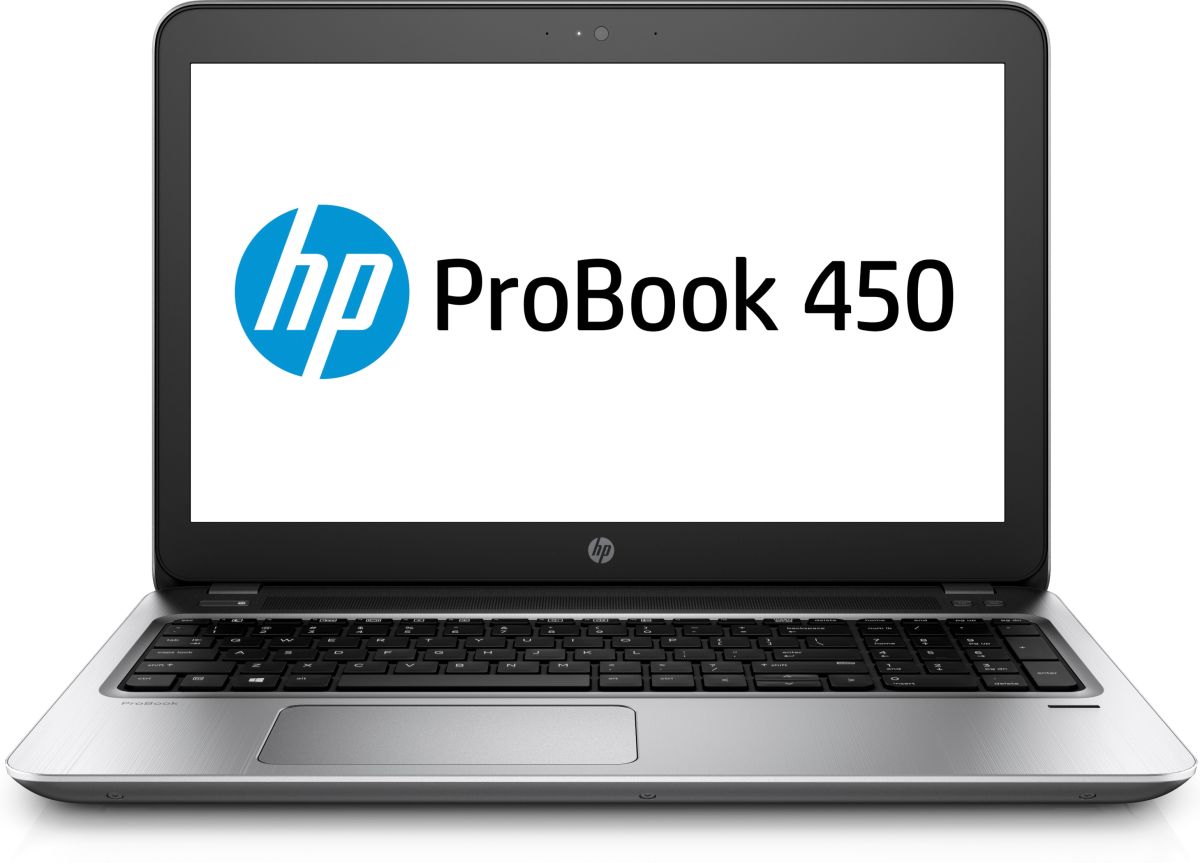
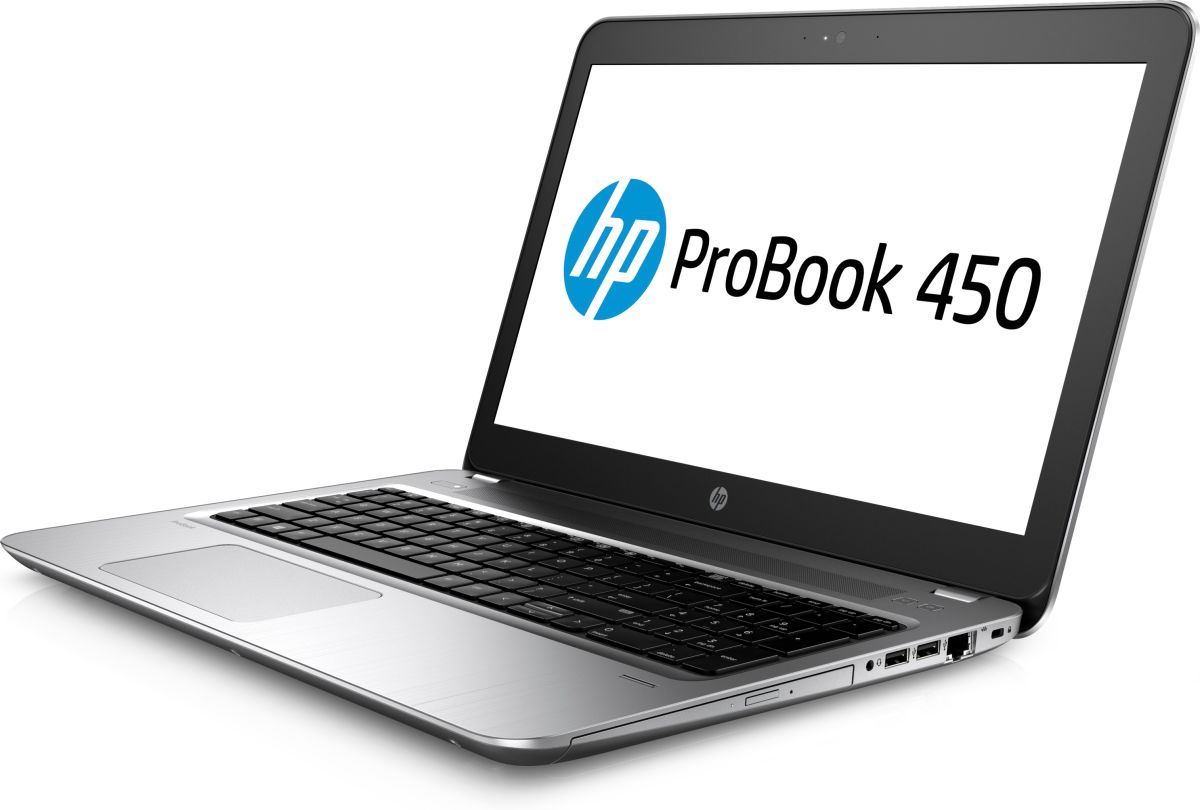
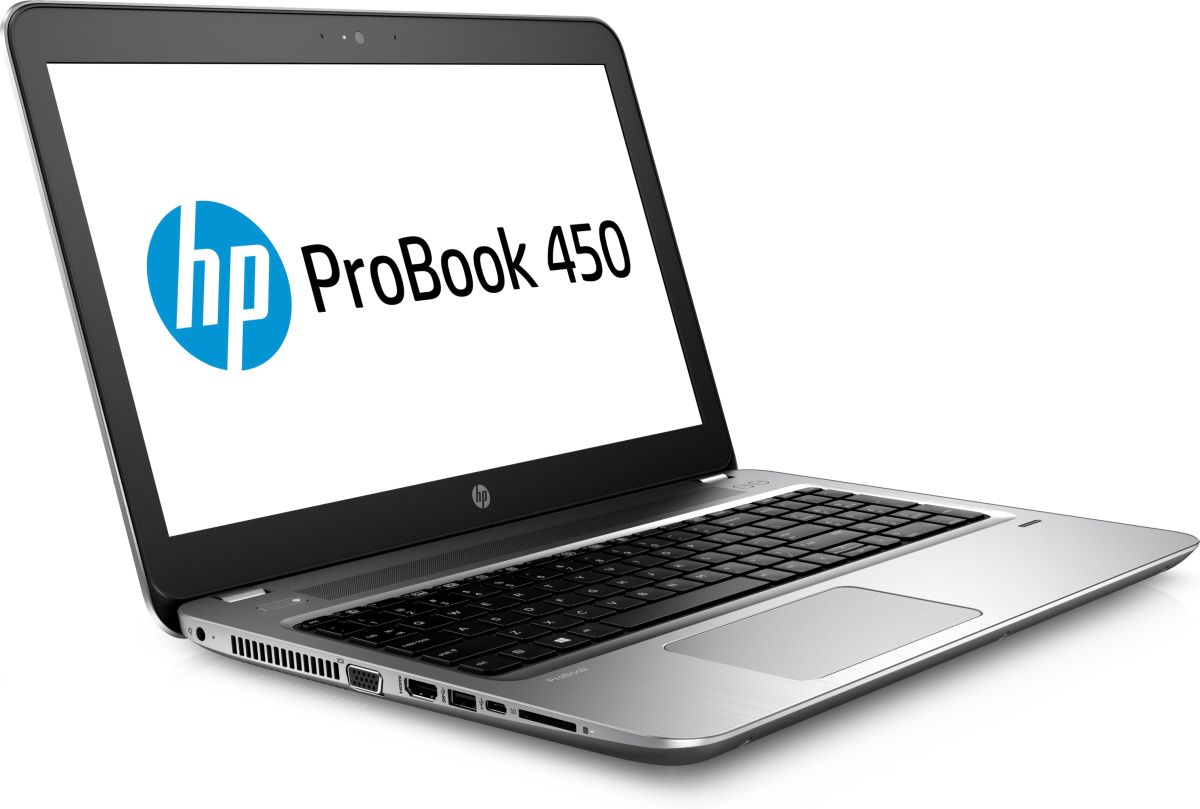
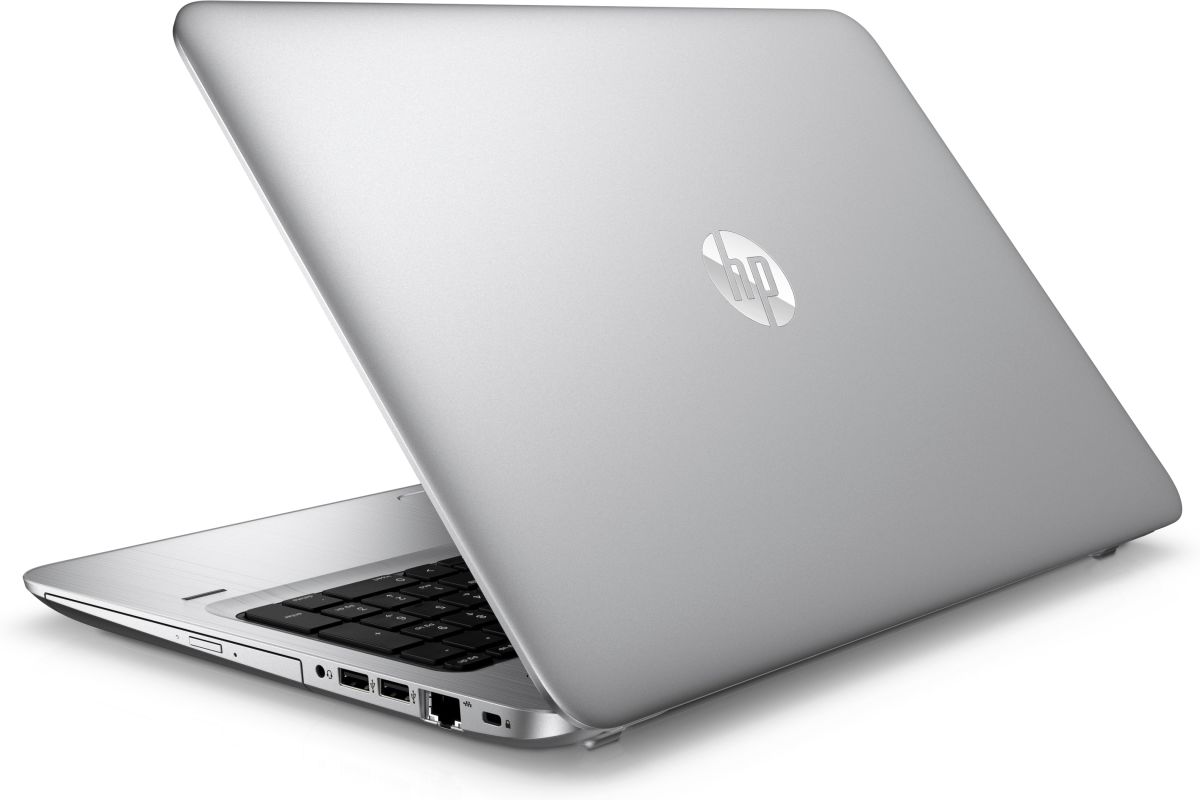
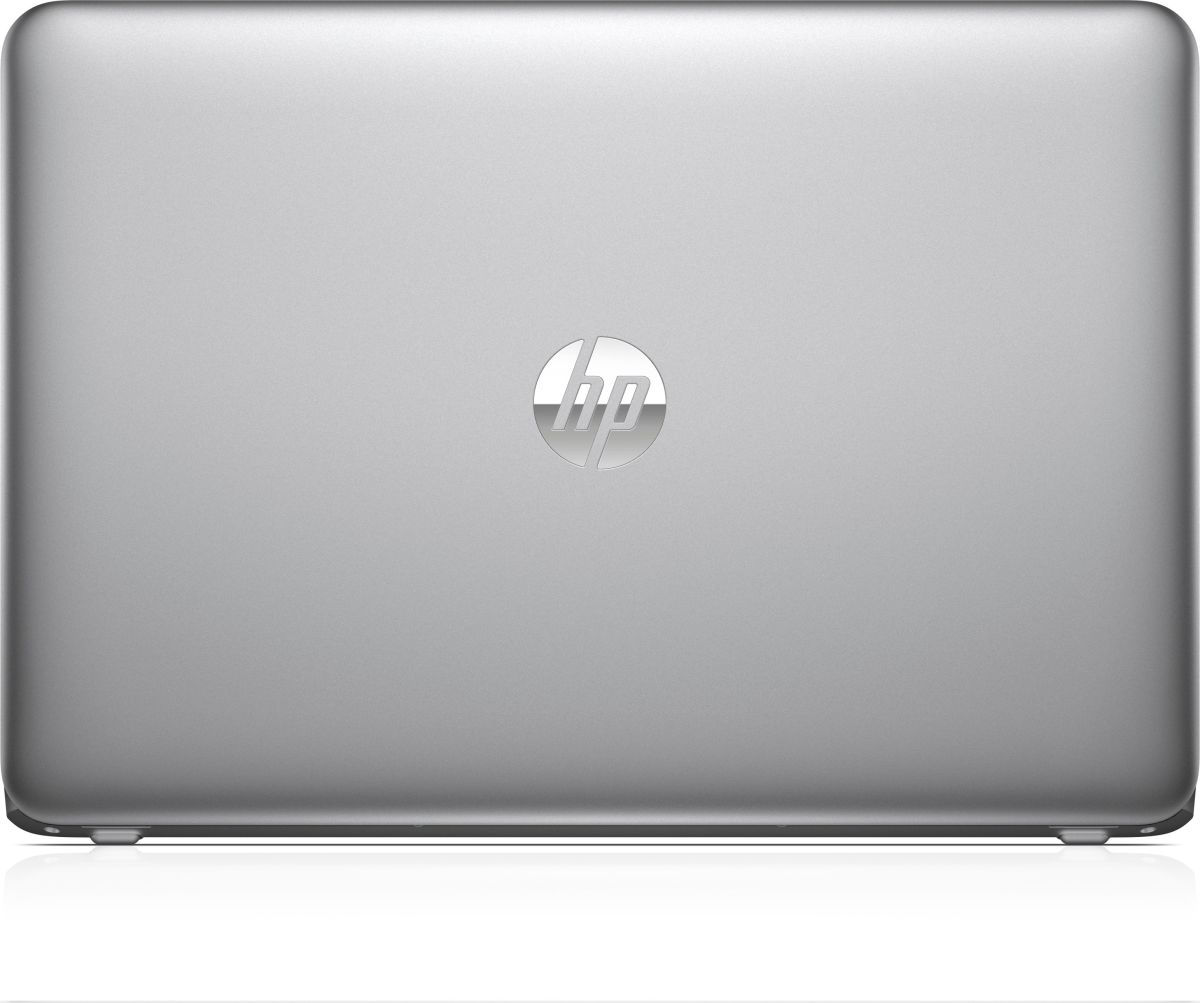
HP ProBook 450 G4 laptop supports DDR4-SDRAM memory upgrades with maximum capacity of 16 GB. The upgrade system features 2x SO-DIMM slots for memory installation. Compatible memory modules operate at 2133 MHz frequency and use SO-DIMM form factor. Upgrade specifications indicate the 450 G4 model from HP's ProBook 400 series accommodates two memory modules for enhanced system performance and multitasking capabilities.
Memory Upgrade Specifications
| Specification | Value |
|---|---|
| Memory slots | 2x SO-DIMM |
| Form factor | SO-DIMM |
| Memory type | DDR4-SDRAM |
| Frequency | 2133 MHz |
| Maximum RAM | 16 GB |
| Voltage | 1.2V |
| Number of pins | 260-pin |
| Interface | PC4 |
| PC Speed Rating | PC4-2133 (PC4-17064) |
| Bandwidth | 17.1 GB/s |
| Laptop Release date | 01 April 2017 |
Additional Notes
- The HP ProBook 450 G4 contains 2 SO-DIMM slots that accept only DDR4 memory modules, eliminating backward compatibility with DDR3 alternatives commonly found in older enterprise environments.
- Maximum addressable memory of 16 GB establishes a hard ceiling for multitasking capacity; systems configured with 8 GB modules in both slots cannot be further expanded without complete module replacement.
- DDR4-2133 MHz specification indicates limited bandwidth headroom compared to contemporary DDR4-2400 or DDR4-2666 variants, potentially constraining throughput-dependent workflows such as large dataset processing or virtualization tasks.
- SO-DIMM form factor requires physical access to internal compartments, typically involving battery disconnection and chassis disassembly; this procedure remains within manufacturer support guidelines when performed outside of active warranty service windows.
- Mixed-capacity configurations using 1 x 8 GB and 1 x 16 GB modules are technically functional but operate both modules at the speed of the slower stick, reducing effective bandwidth utilization across asymmetric memory architectures.
- Replacement modules must match the exact DDR4-2133 frequency specification; installing higher-frequency DDR4 memory will default to 2133 MHz operation due to SPD profile constraints in this generation's BIOS implementation.
- The 2-slot architecture provides no redundancy for memory module failure; a single defective DIMM renders the system non-operational, unlike server-grade systems with error-correcting code capabilities.