LENOVO ThinkPad L460 RAM upgrade specifications
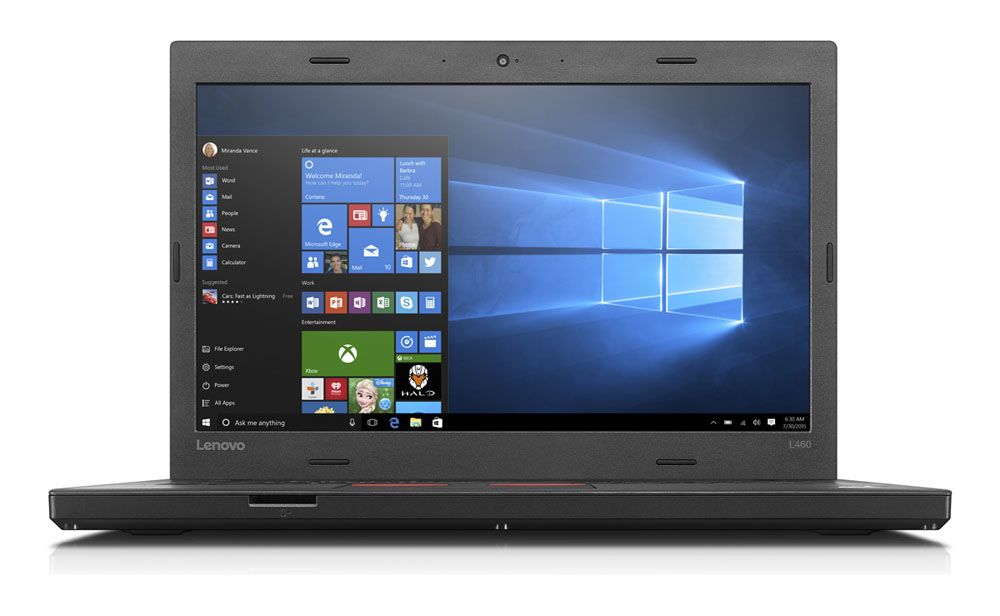
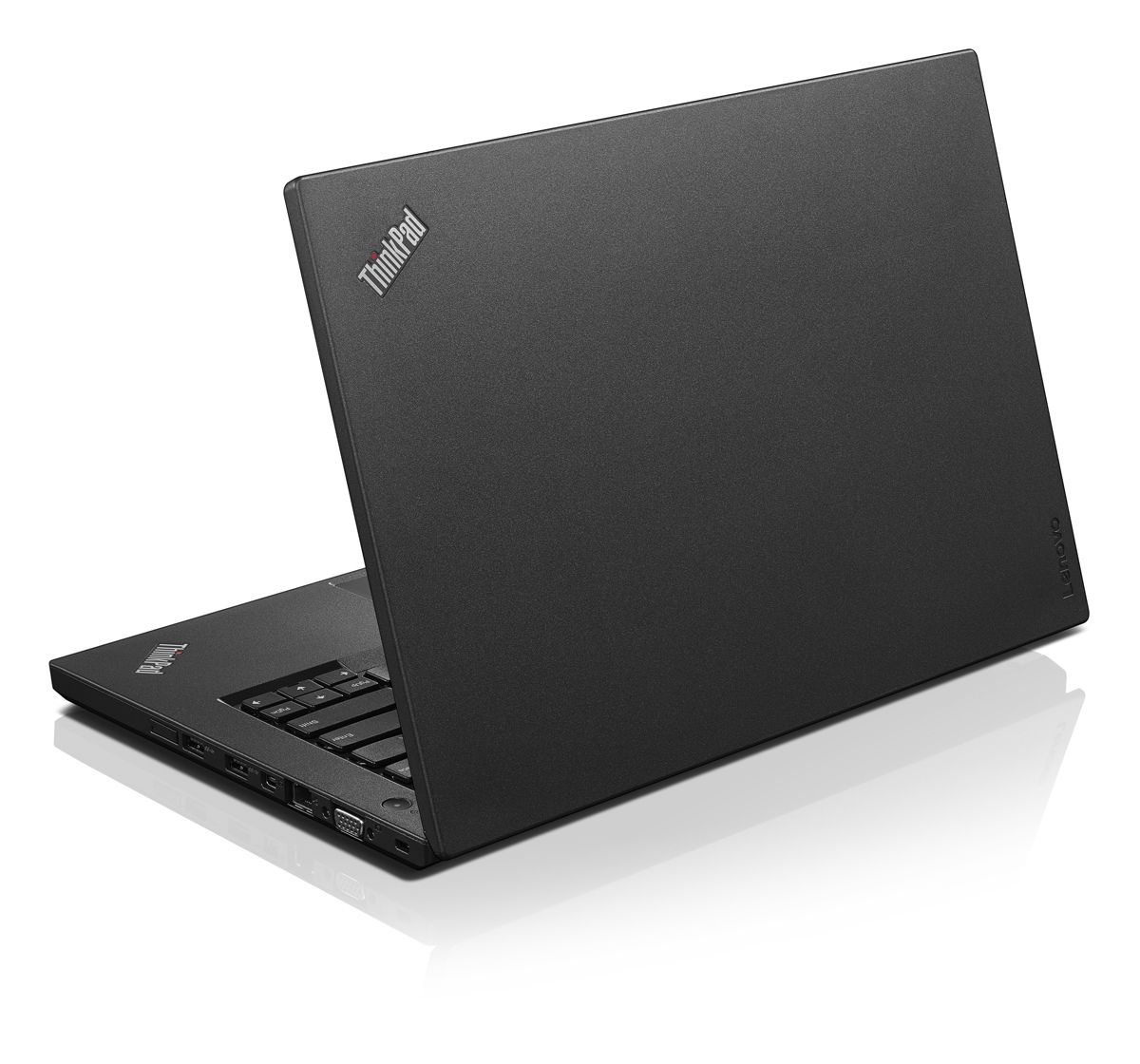
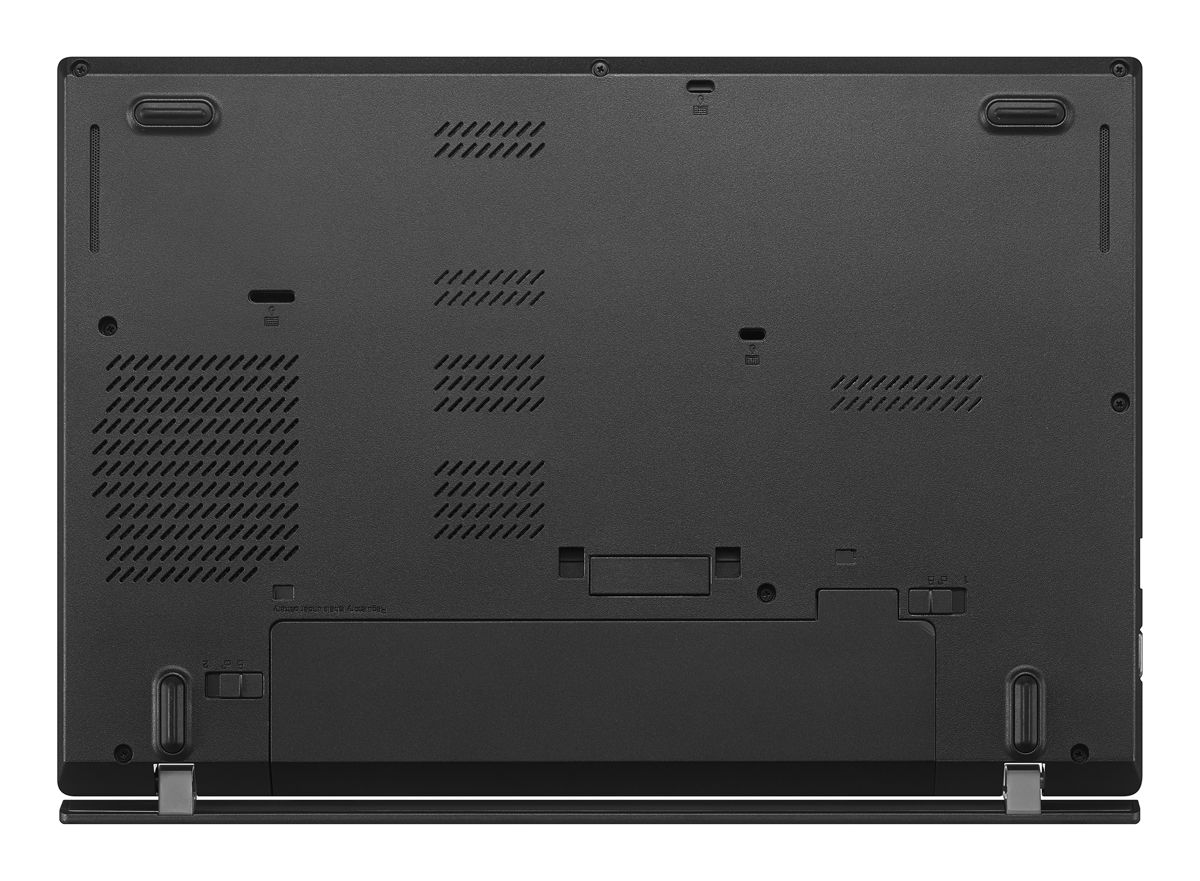


Lenovo ThinkPad L460 supports memory upgrades utilizing DDR3L-SDRAM technology. The laptop features 2x SO-DIMM slots for RAM expansion, accommodating a maximum capacity of 32 GB total memory. Compatible upgrade modules operate at 1600 MHz frequency and utilize SO-DIMM form factor. Specifications enable users to enhance system performance through compatible DDR3L-SDRAM memory modules meeting these technical parameters.
Memory Upgrade Specifications
| Specification | Value |
|---|---|
| Memory slots | 2x SO-DIMM |
| Form factor | SO-DIMM |
| Memory type | DDR3L-SDRAM |
| Frequency | 1600 MHz |
| Maximum RAM | 32 GB |
| Voltage | 1.35V (Low Voltage) |
| Number of pins | 204-pin |
| Interface | PC3L |
| PC Speed Rating | PC3L-1600 (PC3L-12800) |
| Bandwidth | 12.8 GB/s |
| Laptop Release date | 10 August 2017 |
Additional Notes
- The presence of 2 slots for a 32 GB maximum capacity necessitates the use of 16 GB high-density modules which are uncommon in the DDR3L standard and may require specific BIOS versions for full recognition.
- The DDR3L 1.35V requirement prohibits the use of standard 1.5V DDR3 modules as the system logic board lacks the voltage rails to power higher voltage memory.
- Dual-channel memory architecture is only activated when matching module capacities are installed in both slots, providing a significant bandwidth increase for the integrated graphics processor.
- The 1600 MHz frequency cap implies that installing 1866 MHz or 2133 MHz modules will result in automatic downclocking to remain within the memory controller stability limits.
- Accessing the SO-DIMM slots requires the removal of the entire base cover assembly and the internal battery disablement via BIOS to prevent electrical shorting during component handling.
- The 32 GB configuration pushes the thermal density of the memory area because high-capacity DDR3L modules generate more heat than the standard 4 GB or 8 GB counterparts originally shipped with the chassis.
- System latency is determined by the slowest module installed as the memory controller synchronizes both channels to the highest common Column Address Strobe latency values.
- Upgrading memory remains a warranty-safe procedure provided no liquid damage indicators are tripped and no physical damage occurs to the plastic retention clips during the swap.