LENOVO ThinkPad L470 RAM upgrade specifications
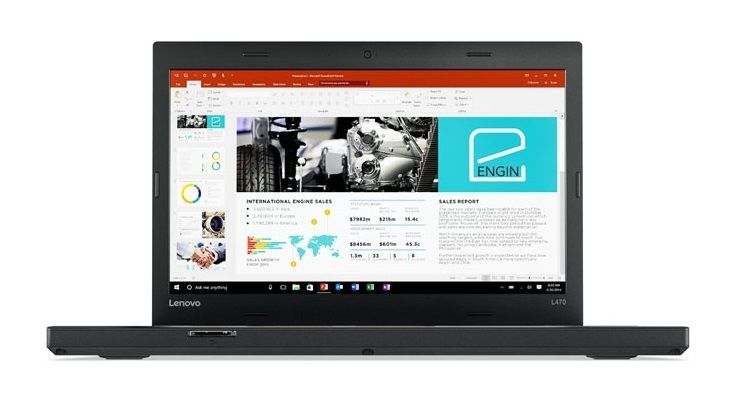
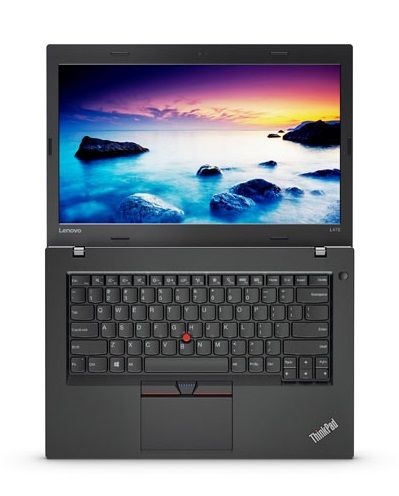
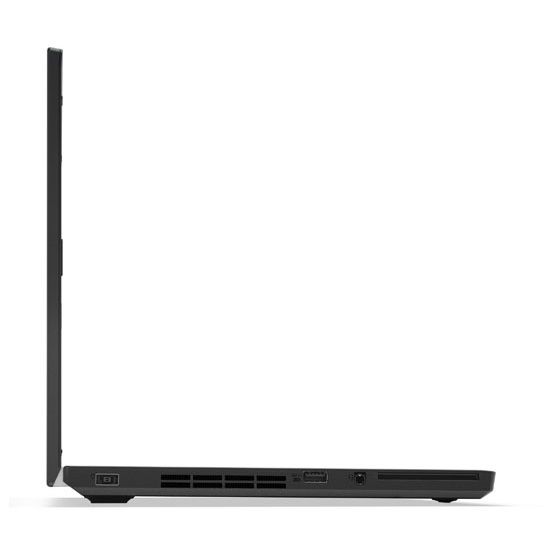
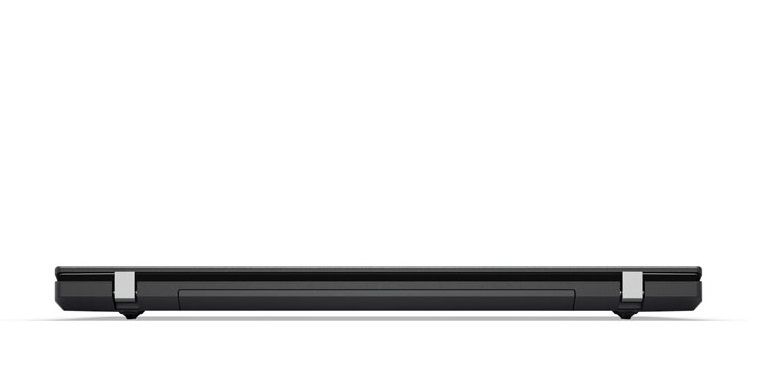
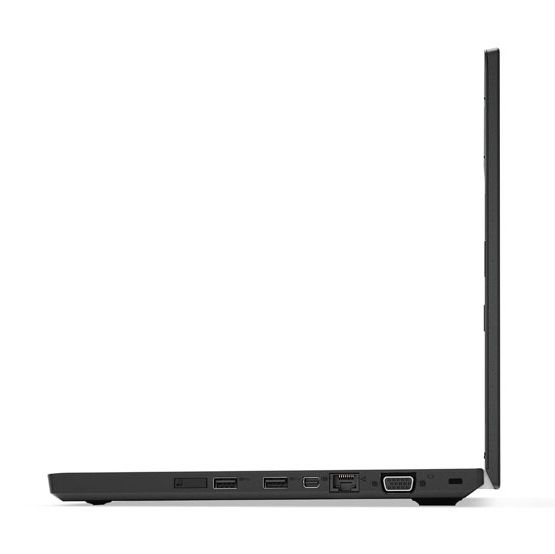
LENOVO ThinkPad L470 laptop RAM upgrade specifications detail memory compatibility and expansion capacity. The L470 model features two SO-DIMM memory slots supporting DDR4-SDRAM modules at 2133 MHz frequency. Maximum RAM capacity reaches 32 GB total when fully upgraded. Compatible memory modules utilize the SO-DIMM form factor. Specifications enable users to expand installed memory from original configuration up to the maximum supported capacity. RAM upgrade compatibility information applies specifically to LENOVO ThinkPad L Series L470 model configurations.
Memory Upgrade Specifications
| Specification | Value |
|---|---|
| Memory slots | 2x SO-DIMM |
| Form factor | SO-DIMM |
| Memory type | DDR4-SDRAM |
| Frequency | 2133 MHz |
| Maximum RAM | 32 GB |
| Voltage | 1.2V |
| Number of pins | 260-pin |
| Interface | PC4 |
| PC Speed Rating | PC4-2133 (PC4-17064) |
| Bandwidth | 17.1 GB/s |
| Laptop Release date | 01 June 2017 |
Additional Notes
- The 32 GB maximum capacity indicates dual-channel operation with 16 GB modules, as SO-DIMM DDR4 modules at this specification level typically cap at 16 GB per slot.
- The 2133 MHz frequency represents DDR4-2133 standard, meaning faster modules rated at 2400 MHz or 2666 MHz will downclock to 2133 MHz when installed.
- Both memory slots utilize the same SO-DIMM 260-pin interface, which differs from desktop DIMM modules and requires laptop-specific memory purchases.
- Operating voltage is standardized at 1.2V for DDR4-2133, eliminating compatibility issues related to low-voltage versus standard-voltage variants common in DDR3 systems.
- Dual-channel configuration requires matched module capacities in both slots to achieve maximum bandwidth, otherwise the system operates in asymmetric or single-channel mode.
- The ThinkPad L series typically positions one SO-DIMM slot under a bottom panel access door while the second slot may require keyboard or palmrest removal for access.
- Non-ECC unbuffered modules are required, as ECC registered memory is incompatible with mobile Intel Core processor memory controllers in this platform.
- CAS latency specifications between CL15 and CL17 remain compatible at 2133 MHz, though the system will default to JEDEC standard timings rather than XMP profiles.
- Single-rank versus dual-rank module architecture affects bank interleaving, with dual-rank modules potentially offering marginal performance benefits in memory-intensive workloads despite identical capacity.
- Temperature ratings differ between consumer and industrial-grade SO-DIMM modules, though standard 0°C to 85°C operating range modules suffice for typical business laptop thermal envelopes.