LENOVO ThinkPad L480 RAM upgrade specifications
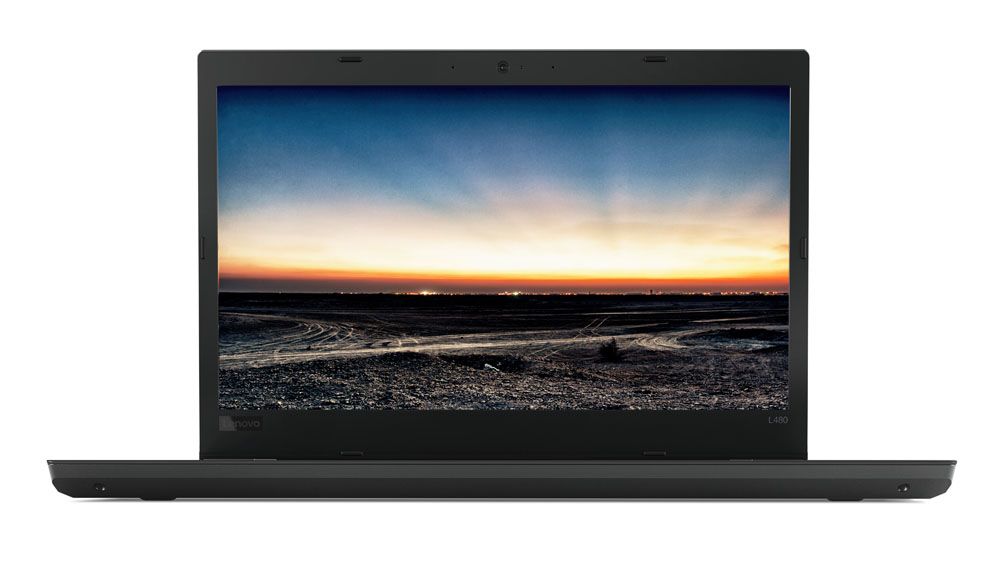
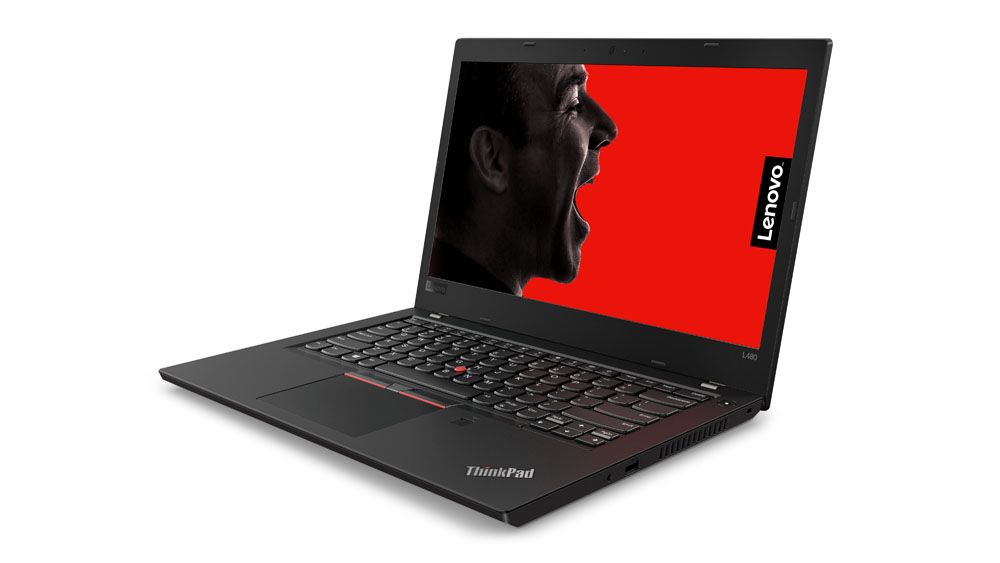
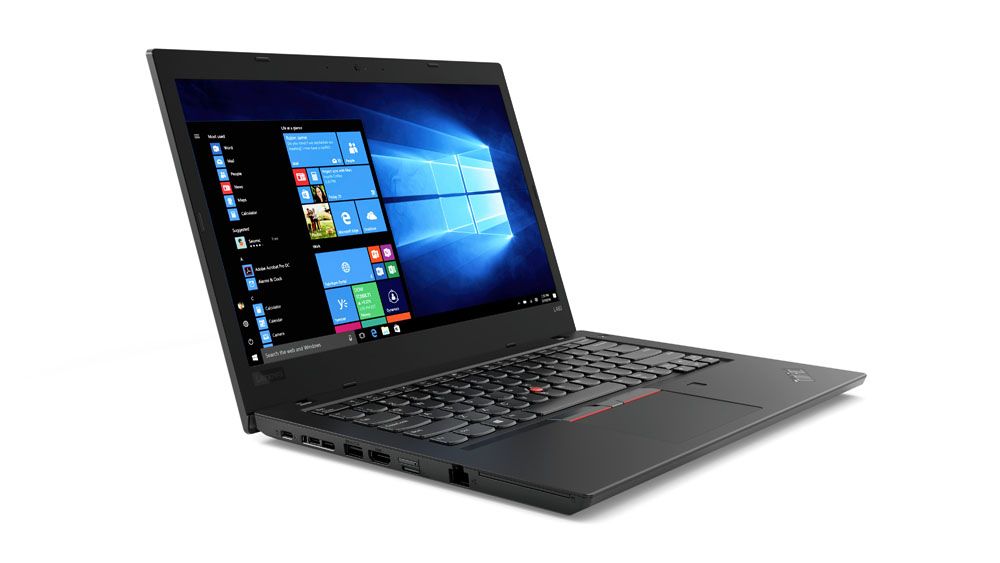
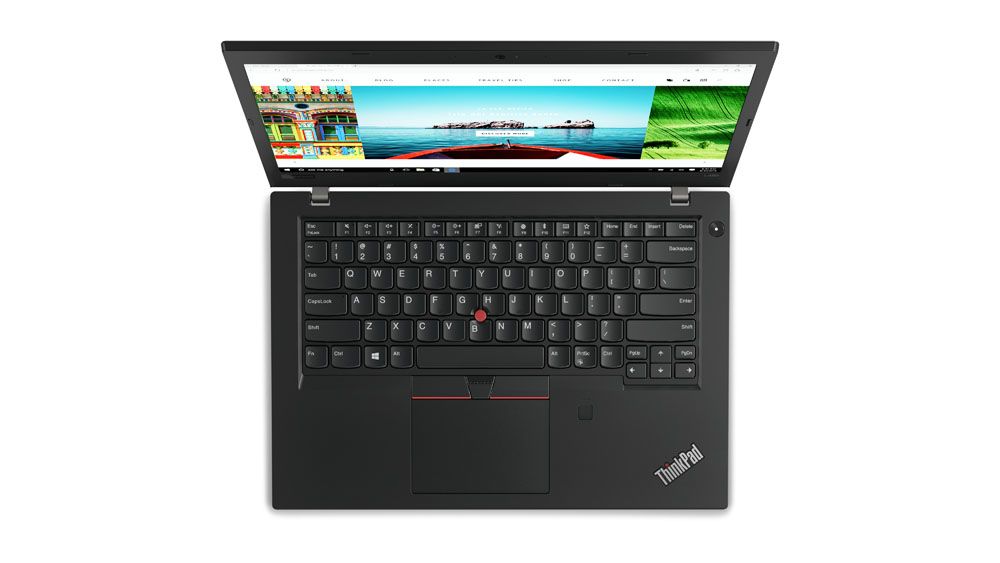
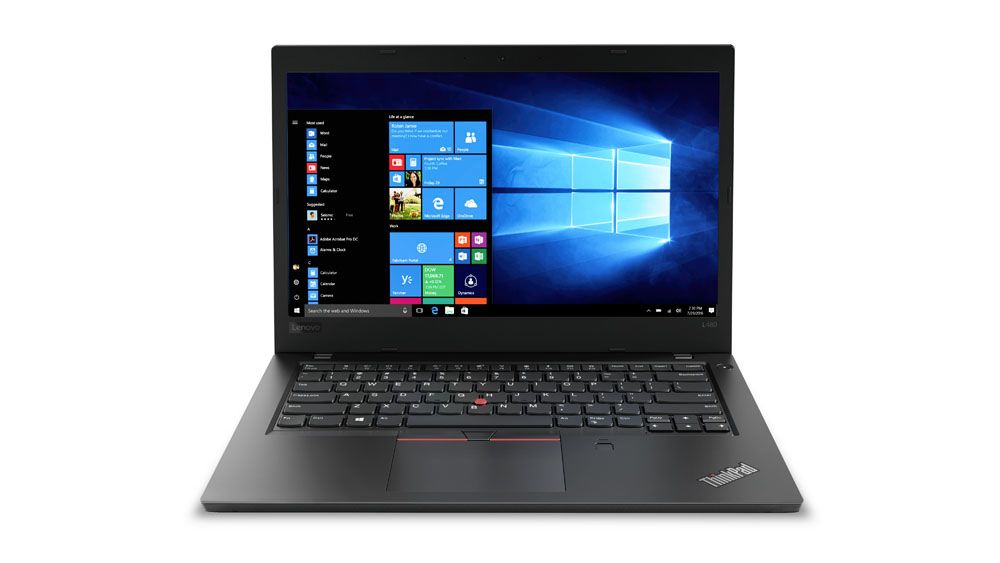
The Lenovo ThinkPad L480 laptop features two SO-DIMM memory slots supporting DDR4-SDRAM upgrades at 2400 MHz frequency. Maximum compatible RAM capacity reaches 32 GB total across both slots. Upgrade specifications indicate SO-DIMM form factor modules are required for memory expansion on this L Series model. The L480 supports standard DDR4 memory configurations, enabling users to increase system RAM from factory specifications up to the maximum supported capacity of 32 GB for enhanced multitasking and performance capabilities.
Memory Upgrade Specifications
| Specification | Value |
|---|---|
| Memory slots | 2x SO-DIMM |
| Form factor | SO-DIMM |
| Memory type | DDR4-SDRAM |
| Frequency | 2400 MHz |
| Maximum RAM | 32 GB |
| Voltage | 1.2V |
| Number of pins | 260-pin |
| Interface | PC4 |
| PC Speed Rating | PC4-2400 (PC4-19200) |
| Bandwidth | 19.2 GB/s |
| Laptop Release date | 11 February 2018 |
Additional Notes
- Standard desktop DDR4 modules are physically incompatible due to the SO-DIMM form factor requirement.
- The 2400 MHz frequency constraint prevents faster modules from operating at their rated speeds, as they will downclock to match the system limitation.
- Both memory slots must remain accessible without logic board removal for user-serviceable upgrades.
- Dual-channel configuration requires matched module pairs in both slots to achieve maximum memory bandwidth.
- Single-channel operation results when only one slot is populated, reducing memory subsystem throughput by approximately half.
- Non-ECC unbuffered modules are required, as registered or error-correcting memory types are incompatible with consumer ThinkPad L-series systems.
- The 32 GB ceiling limits configuration options to either 2x16 GB or asymmetric pairings that total within this boundary.
- Voltage specification must conform to DDR4 standard 1.2V, as higher-voltage modules risk thermal or stability issues.
- Mixed-capacity configurations (such as 8 GB plus 16 GB) will function but may not optimize interleaving across the full installed capacity.
- JEDEC-standard modules offer broader compatibility compared to XMP-profiled gaming memory, which may not initialize correctly.
- Operating systems with 32-bit architecture cannot address the full 32 GB maximum, limiting practical capacity to approximately 3.5 GB.
- CAS latency variations at the 2400 MHz frequency produce minimal real-world performance differences in typical productivity workloads.