MSI Creator 15 A10SE-484 RAM upgrade specifications
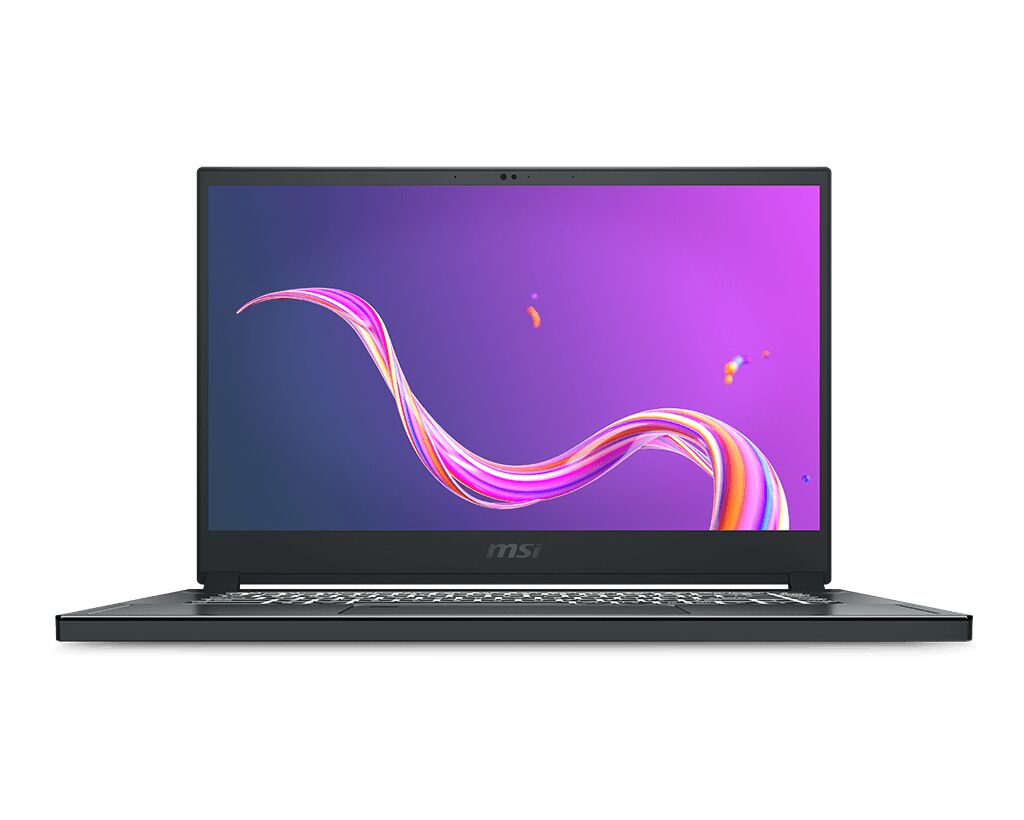
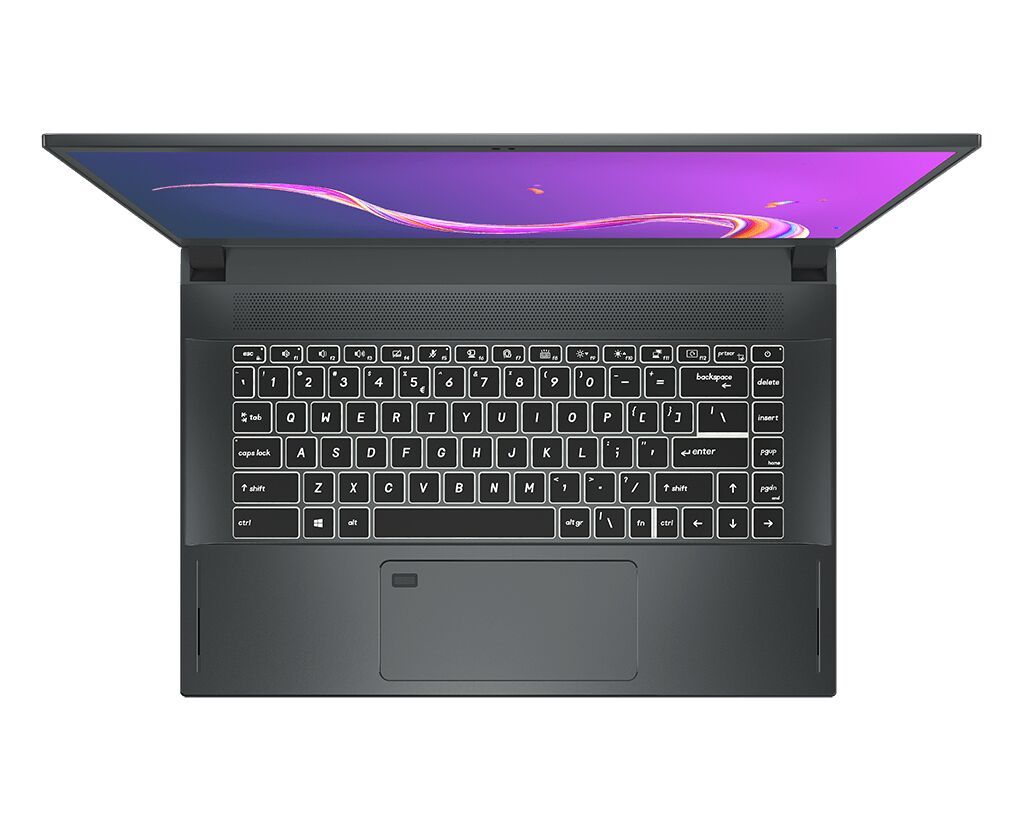
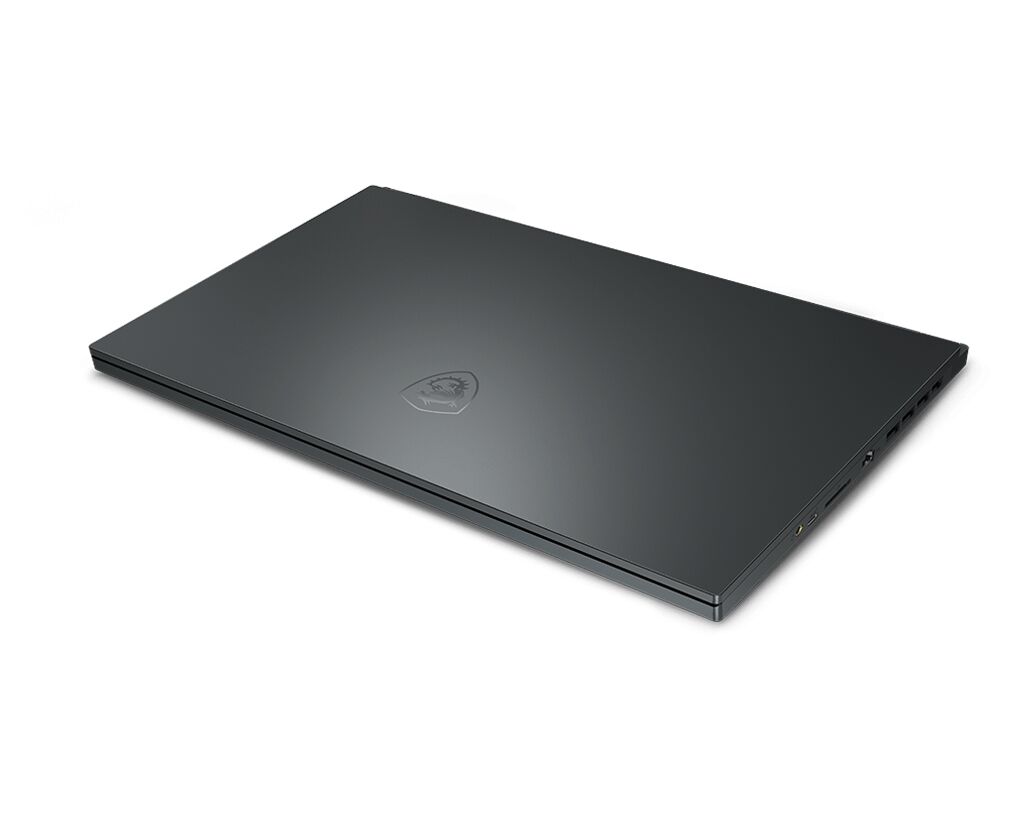
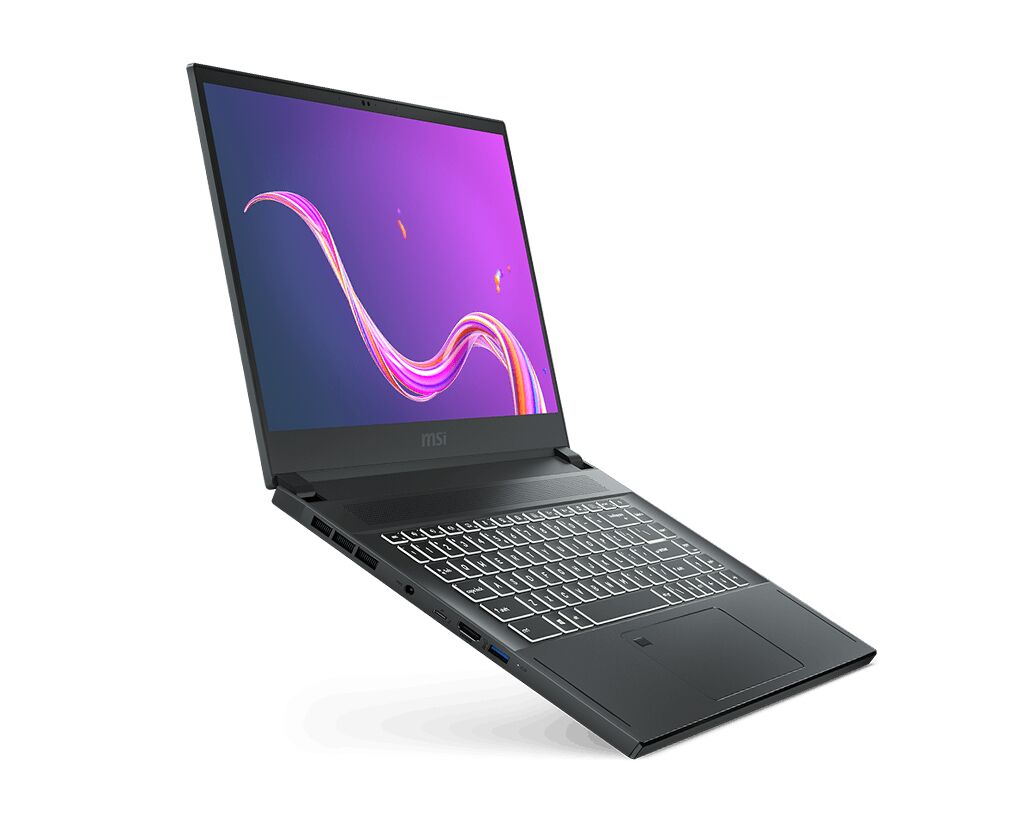
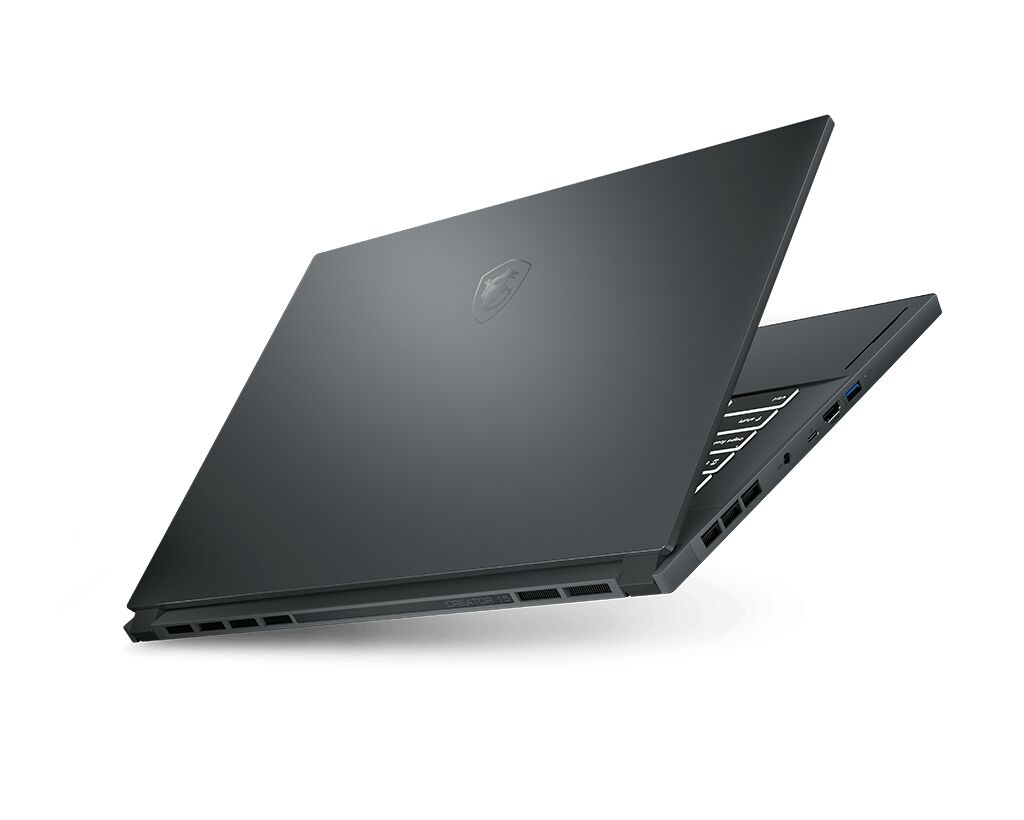
The MSI Creator 15 A10SE-484 laptop features DDR4-SDRAM memory with two SO-DIMM slots, supporting a maximum RAM capacity of 64 GB. Memory upgrade specifications indicate compatible DDR4 modules operating at 2666 MHz frequency. The system specifications allow for modular memory expansion through accessible SO-DIMM slots, enabling users to upgrade from factory-installed configurations to the maximum supported capacity of 64 GB total RAM.
Memory Upgrade Specifications
| Specification | Value |
|---|---|
| Memory slots | 2x SO-DIMM |
| Form factor | SO-DIMM |
| Memory type | DDR4-SDRAM |
| Frequency | 2666 MHz |
| Maximum RAM | 64 GB |
| Voltage | 1.2V |
| Number of pins | 260-pin |
| Interface | PC4 |
| PC Speed Rating | PC4-2666 (PC4-21328) |
| Bandwidth | 21.3 GB/s |
| Laptop Release date | 16 April 2021 |
Additional Notes
- The MSI Creator 15 A10SE-484 accepts standard 260-pin SO-DIMM modules, which differs from desktop DIMM form factors and requires specific laptop memory modules for physical compatibility.
- The 2666 MHz frequency specification indicates DDR4-2666 PC4-21300 memory standard, providing a theoretical maximum bandwidth of 21.3 GB/s per channel or 42.6 GB/s in dual-channel configuration.
- Both memory slots support user-accessible upgrades, allowing configurations from single-module operation up to the 64 GB ceiling without requiring factory-installed memory replacement.
- Installing a single module forces the system into single-channel mode, effectively halving memory bandwidth and potentially creating performance bottlenecks in graphics-intensive applications or large dataset processing.
- The 64 GB maximum capacity requires two 32 GB SO-DIMM modules, which may limit availability compared to more common 8 GB or 16 GB module densities.
- DDR4-2666 represents JEDEC standard timing, ensuring broad module compatibility without requiring XMP profile support or BIOS configuration for rated speeds.
- Higher-frequency modules rated at 3200 MHz or above will downclock to 2666 MHz due to chipset limitations, providing no performance advantage despite premium pricing.
- The SO-DIMM specification requires modules with operating voltage of 1.2V, as higher-voltage DDR4 variants designed for overclocking may cause stability issues or void warranty coverage.
- Dual-rank modules may offer marginal performance improvements over single-rank alternatives at identical frequencies, though compatibility depends on Intel 10th generation mobile platform memory controller specifications.
- Temperature considerations favor modules with standard height heat spreaders or bare PCB designs, as low-profile laptop chassis restrict airflow compared to desktop environments.