MSI Creator 15 A10SET-050 RAM upgrade specifications
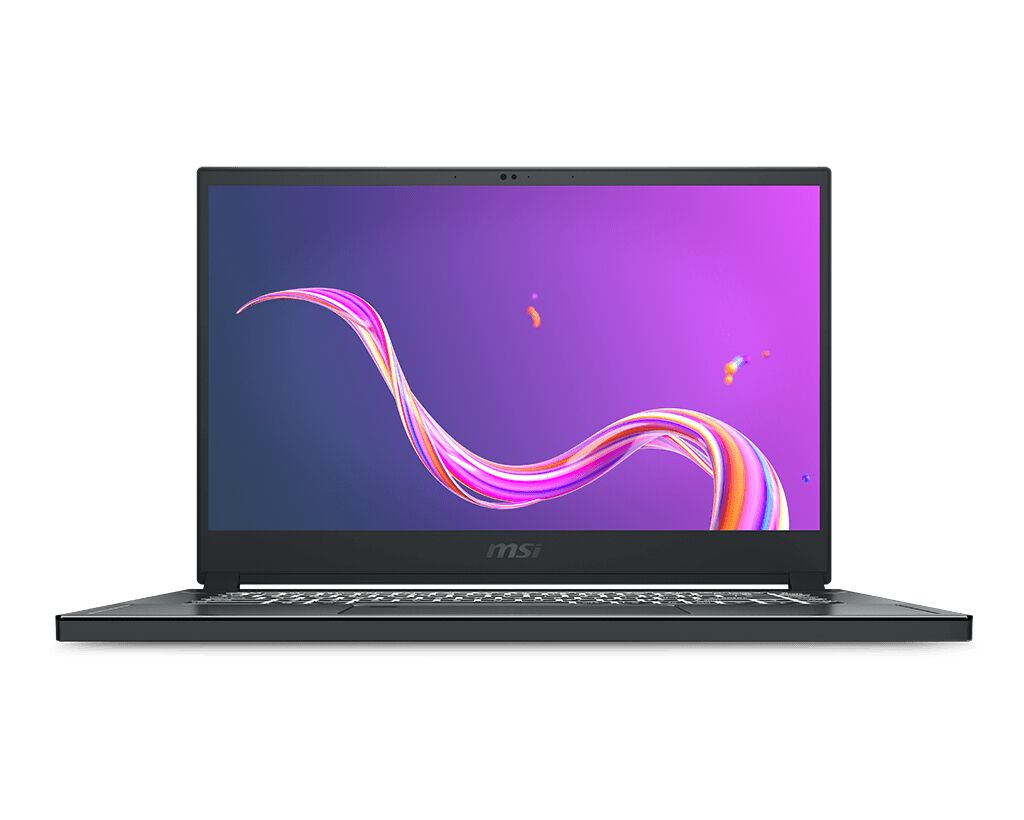
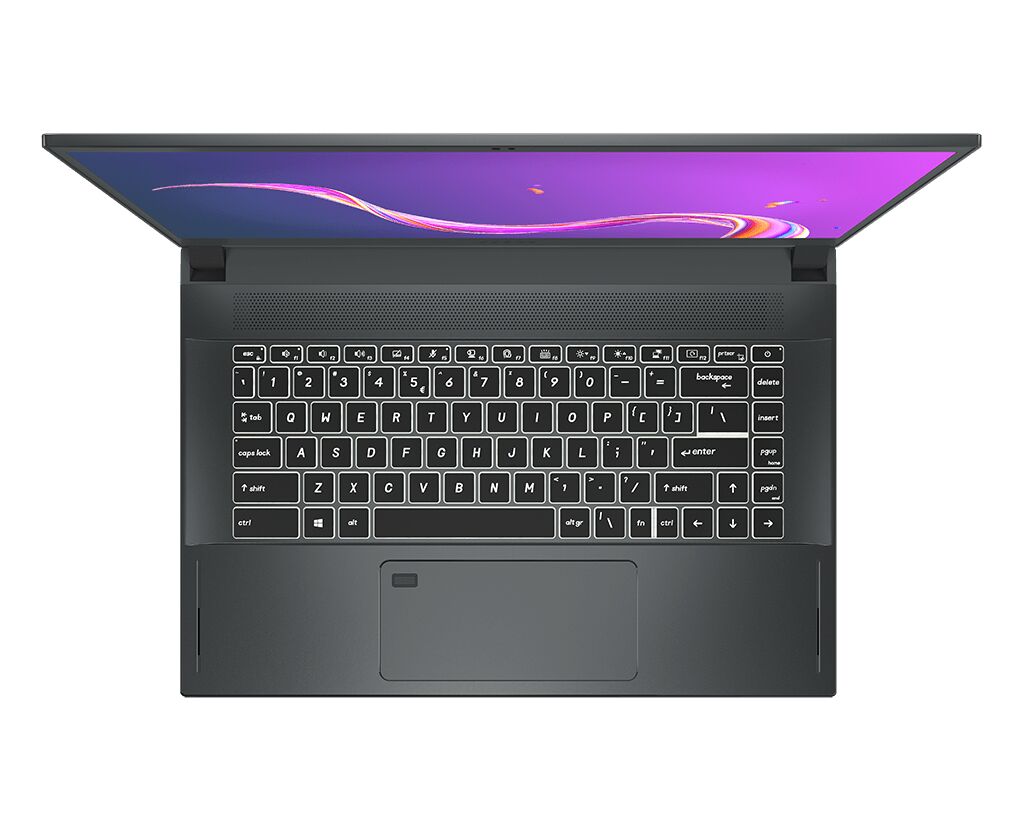
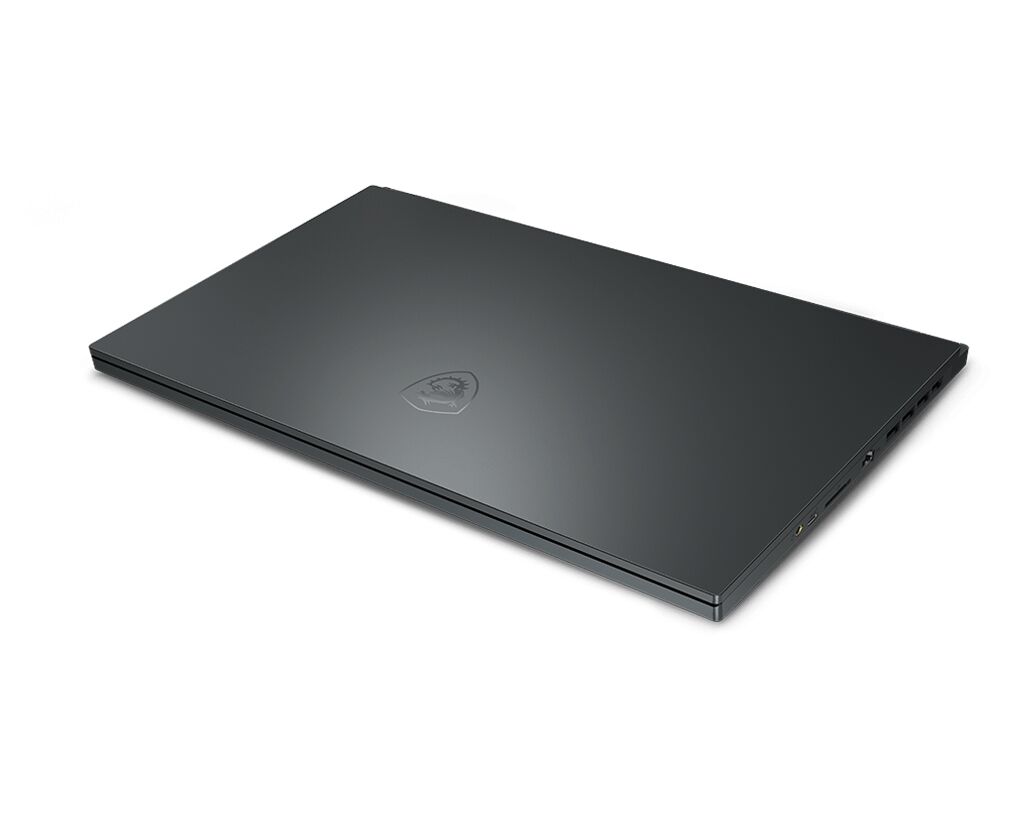
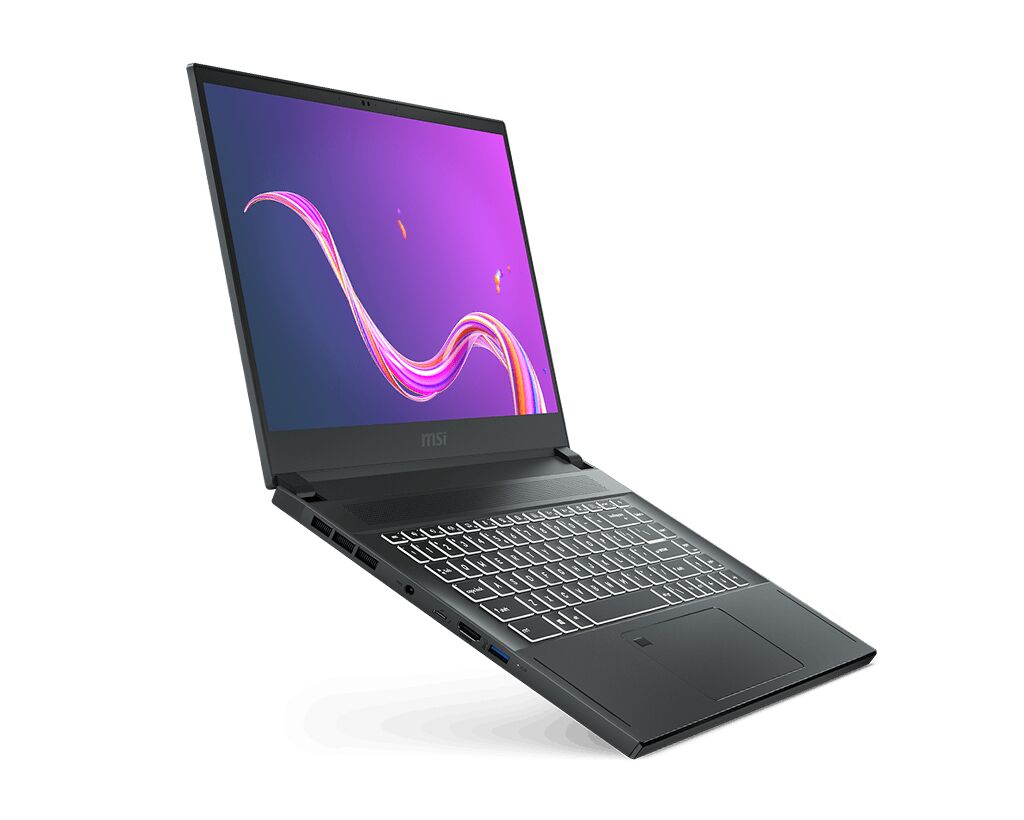
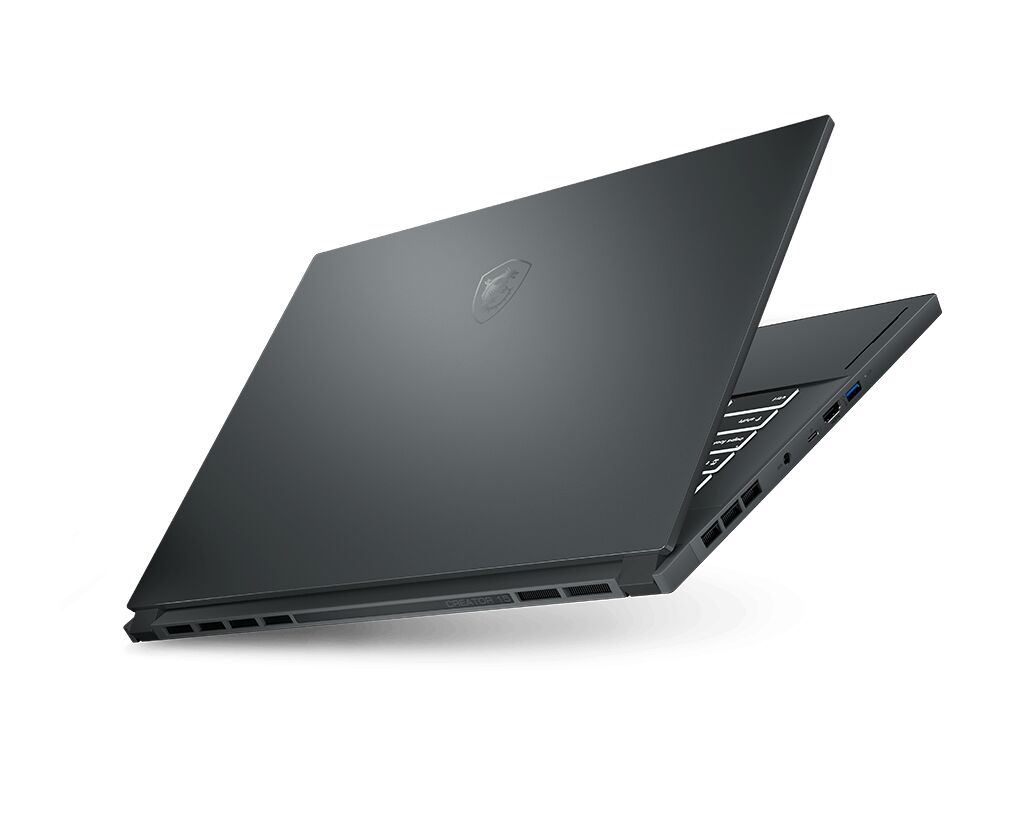
MSI Creator 15 A10SET-050 laptop RAM upgrade specifications detail DDR4-SDRAM memory compatibility. The device features 2x SO-DIMM slots supporting maximum capacity of 64 GB. Memory operates at 2666 MHz frequency. Upgrade options accommodate standard SO-DIMM form factor modules. Specifications enable users to expand RAM capacity for enhanced multitasking and performance capabilities on Creator series 15 model systems.
Memory Upgrade Specifications
| Specification | Value |
|---|---|
| Memory slots | 2x SO-DIMM |
| Form factor | SO-DIMM |
| Memory type | DDR4-SDRAM |
| Frequency | 2666 MHz |
| Maximum RAM | 64 GB |
| Voltage | 1.2V |
| Number of pins | 260-pin |
| Interface | PC4 |
| PC Speed Rating | PC4-2666 (PC4-21328) |
| Bandwidth | 21.3 GB/s |
| Laptop Release date | 16 April 2021 |
Additional Notes
- The MSI Creator 15 A10SET-050 supports DDR4-3200 modules despite factory configuration at 2666 MHz, enabling latency reduction and bandwidth gains through compatible higher-frequency SO-DIMMs without BIOS modification risks.
- Dual SO-DIMM architecture creates a single-channel bottleneck if only 1 slot remains populated after partial upgrades, reducing memory throughput by 50% compared to dual-channel operation and degrading performance in bandwidth-intensive workloads.
- 64 GB maximum capacity represents a hard ceiling imposed by chipset and firmware limitations; exceeding this threshold with 32 GB modules results in non-detection or system instability regardless of physical space availability.
- SO-DIMM form factor requires removal of bottom access panels and potential displacement of battery components during installation; third-party installation may void manufacturer coverage on related subsystems.
- Asymmetric capacity pairing (such as 16 GB plus 32 GB) operates at the speed of the slower module, typically locking the system to JEDEC 2666 MHz standard rather than XMP profile performance.
- Late-generation DDR4 stock availability is declining; sourcing 2 matching modules with identical timings becomes progressively difficult as DDR5 production dominates the retail market.