MSI Cyborg 15 A12VF-003NL RAM upgrade specifications
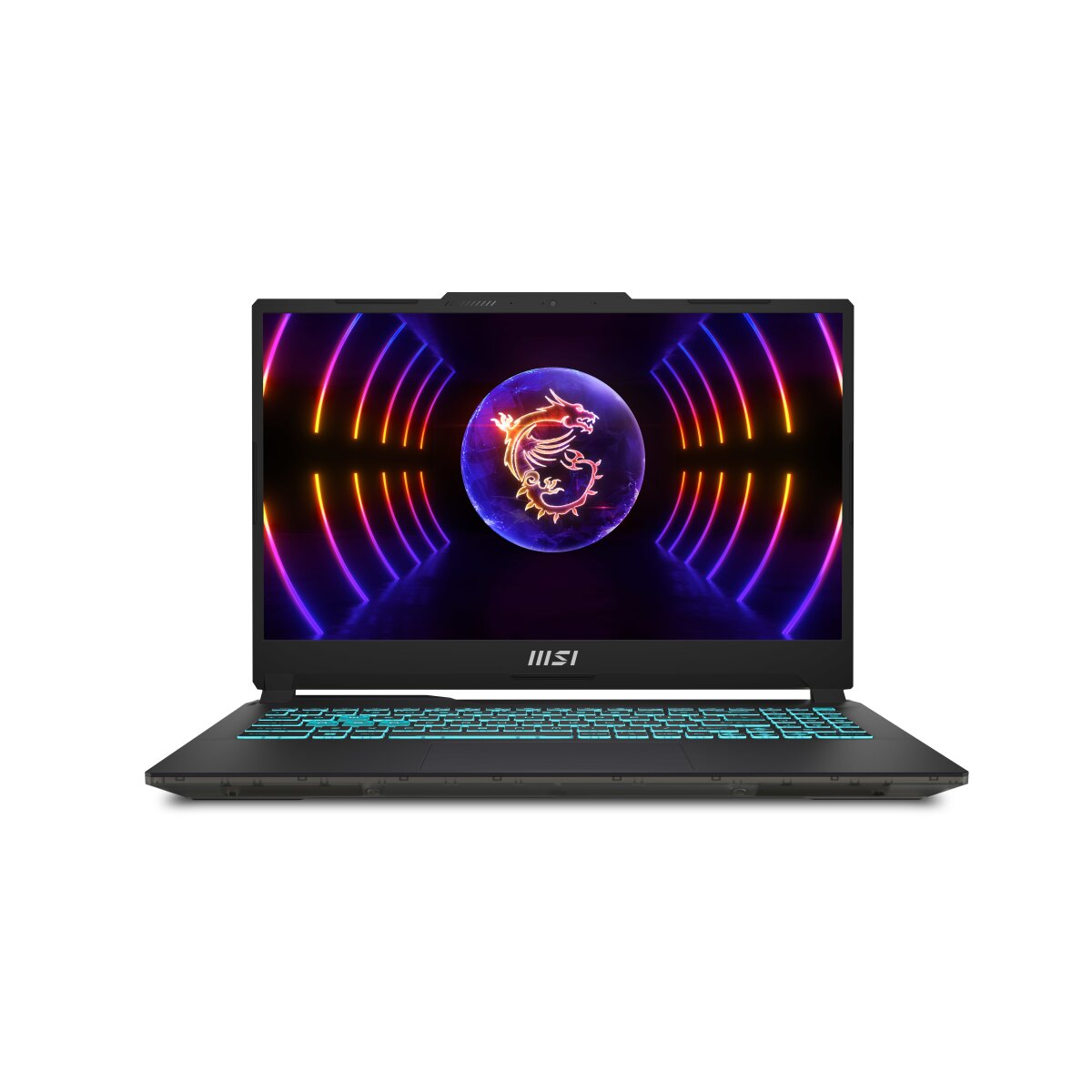
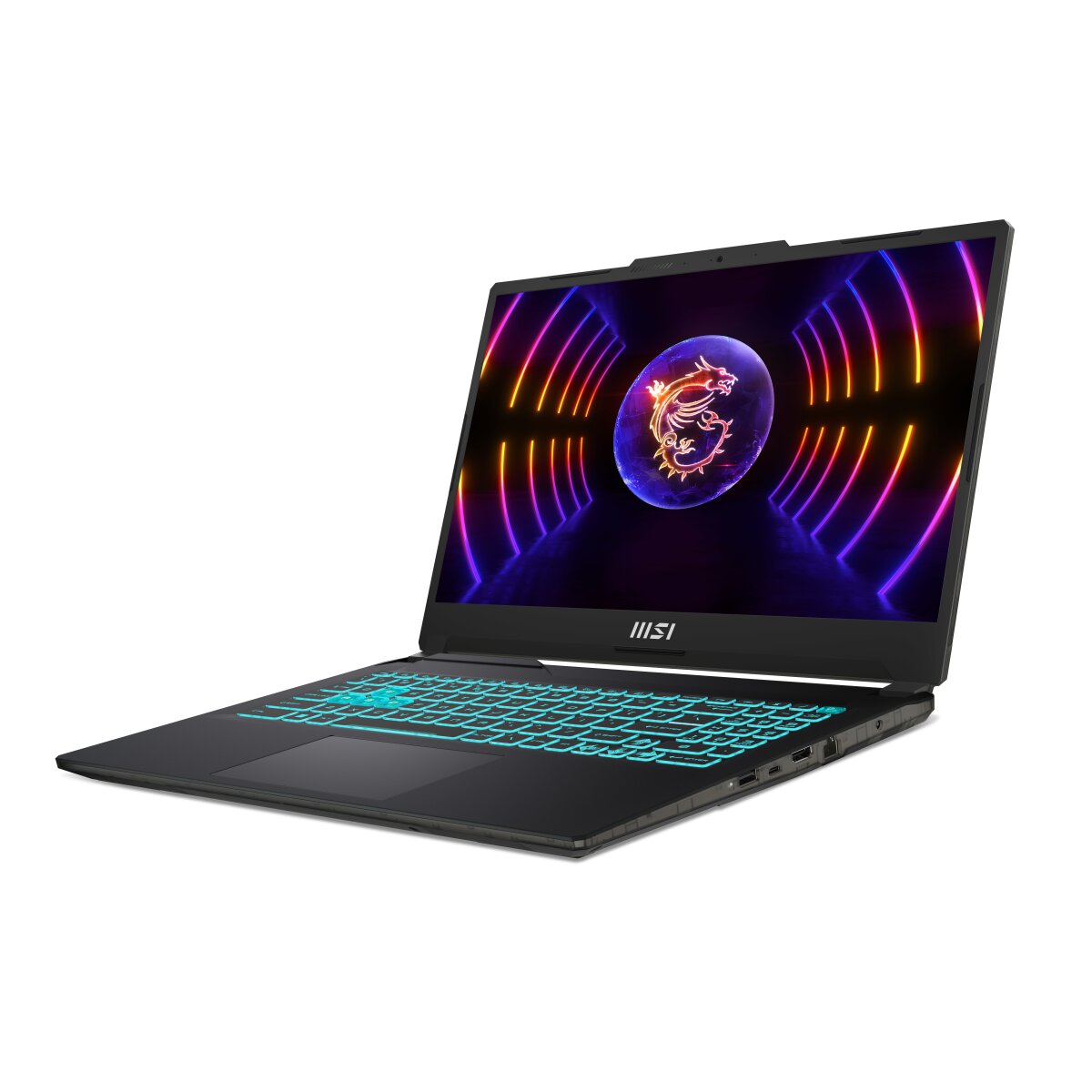
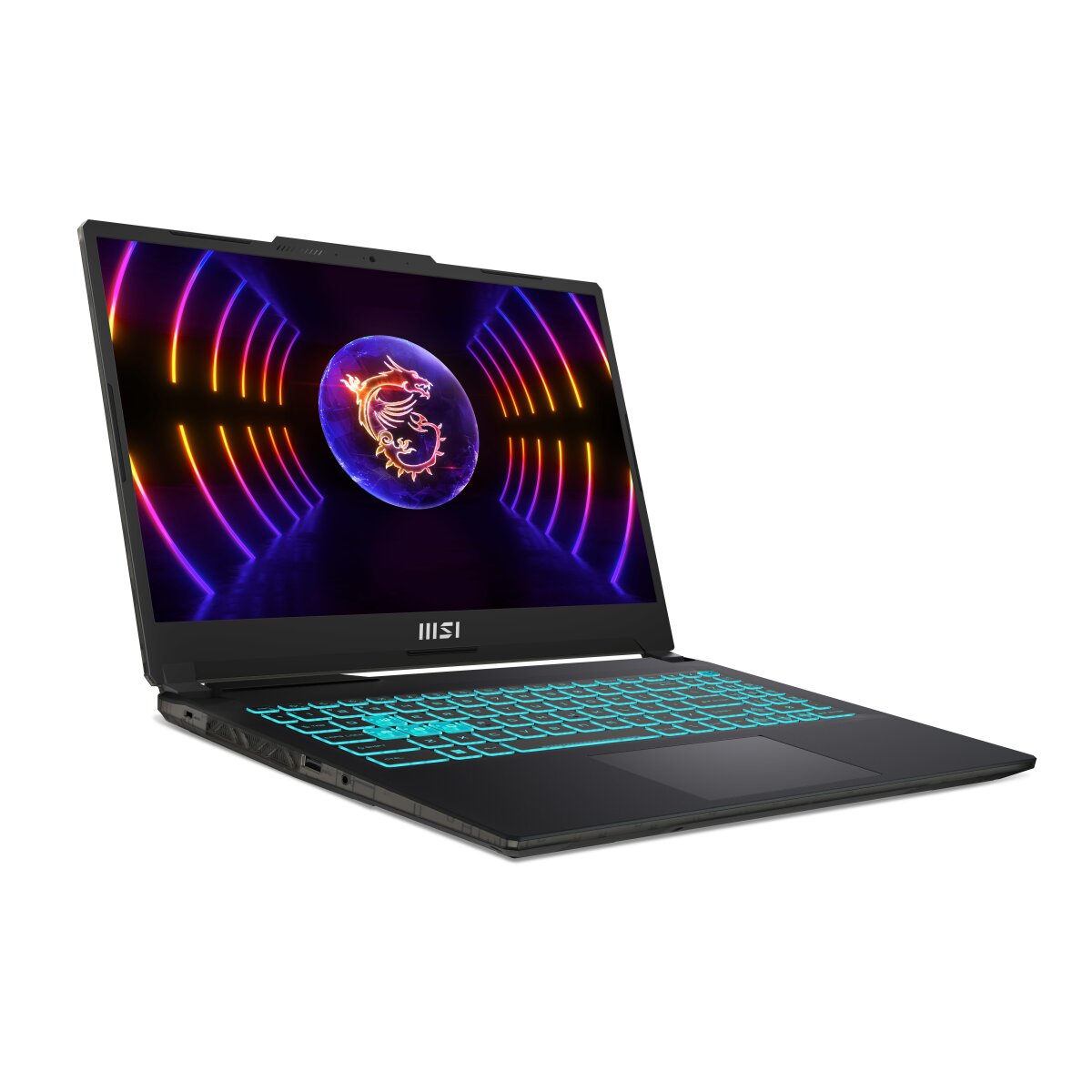
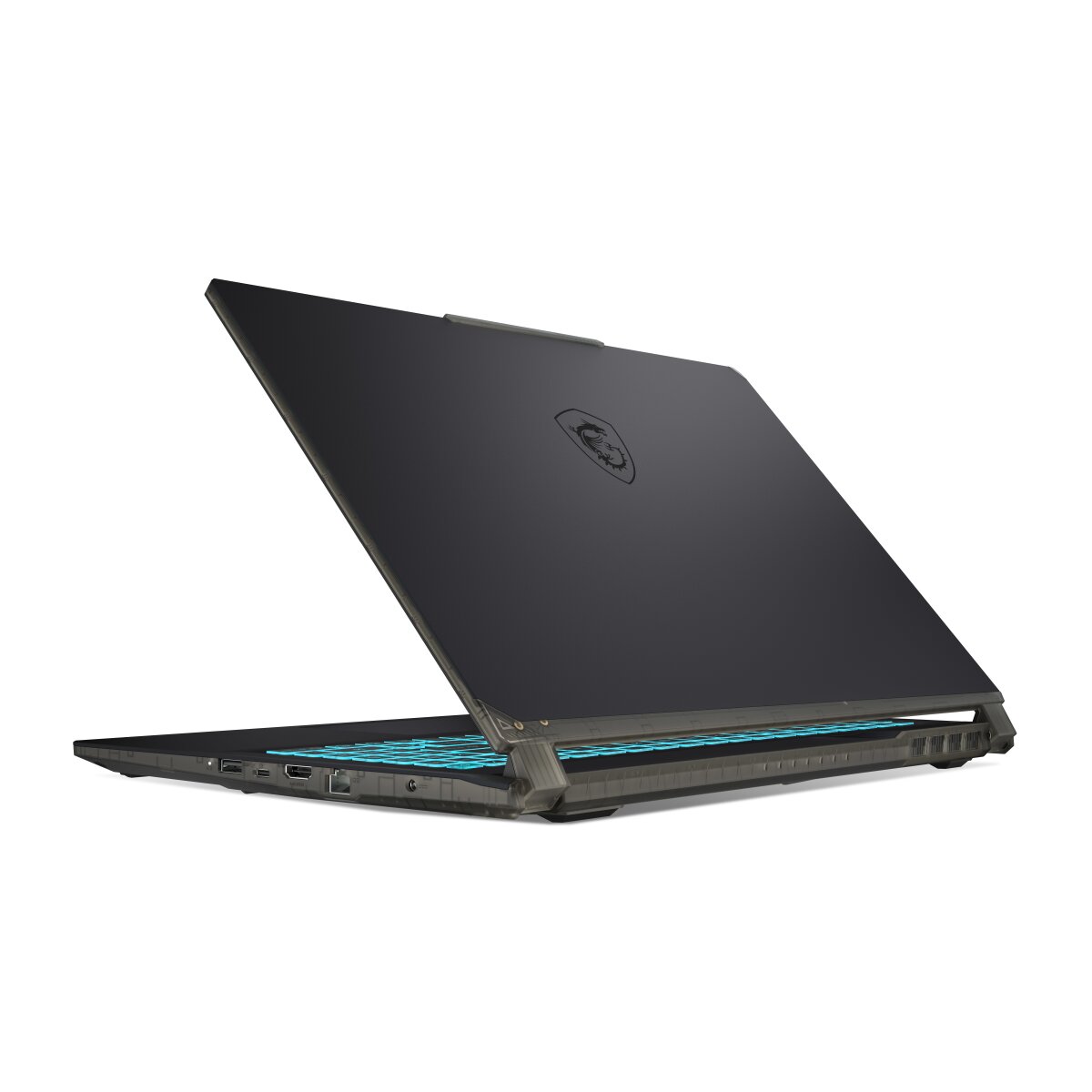
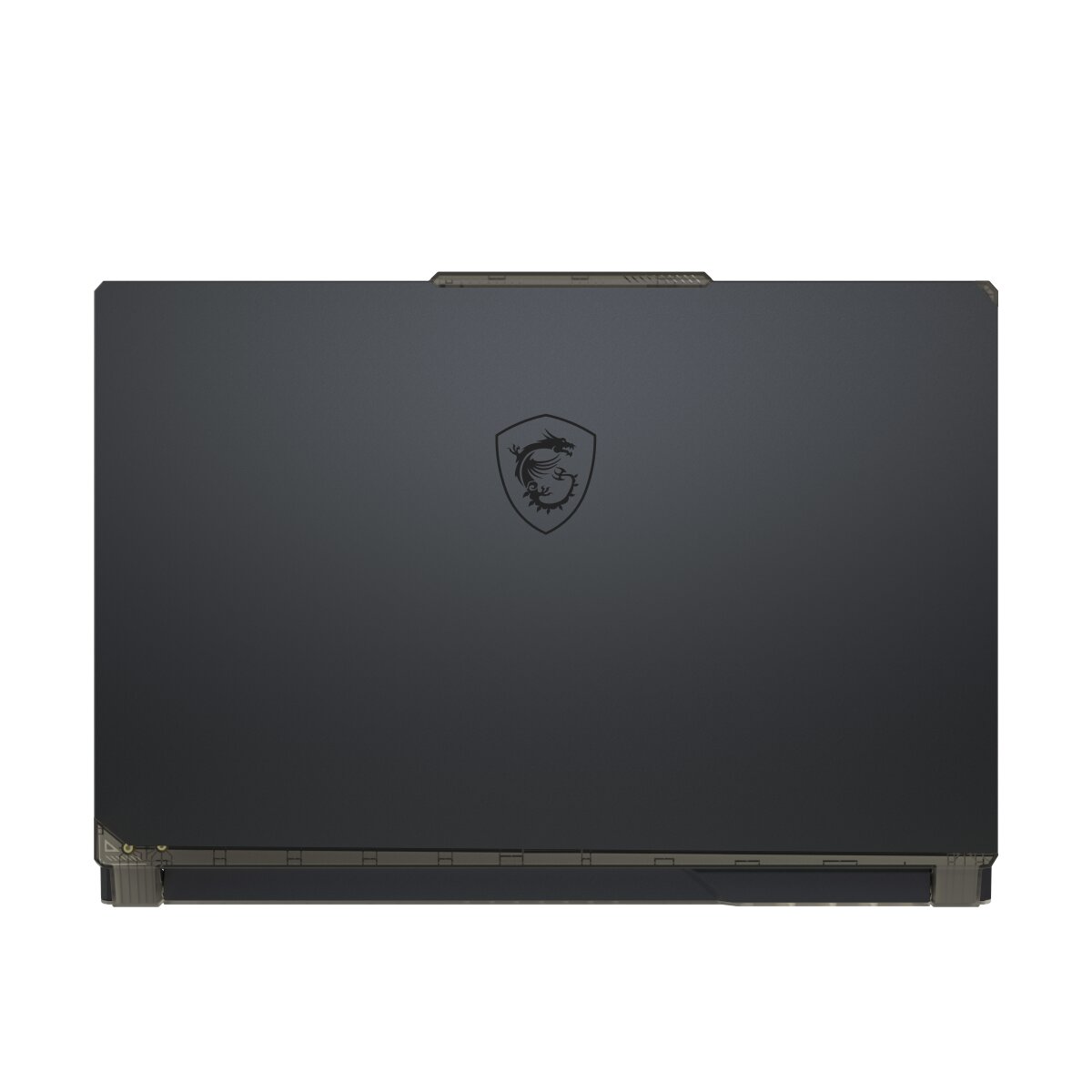
MSI 15 A12VF-003NL Cyborg series laptop supports DDR5-SDRAM memory upgrades through two SO-DIMM slots. The maximum RAM capacity reaches 64 GB total, with compatible modules operating at 4800 MHz frequency. Memory upgrade specifications enable expansion of the system's RAM capacity using standard SO-DIMM form factor modules. The laptop accommodates DDR5 memory technology for enhanced performance and multitasking capabilities. Upgrade slots provide flexibility for increasing memory from the factory configuration to the maximum supported capacity.
Memory Upgrade Specifications
| Specification | Value |
|---|---|
| Memory slots | 2x SO-DIMM |
| Form factor | SO-DIMM |
| Memory type | DDR5-SDRAM |
| Frequency | 4800 MHz |
| Maximum RAM | 64 GB |
| Voltage | 1.1V |
| Number of pins | 262-pin |
| Interface | PC5 |
| PC Speed Rating | PC5-4800 (PC5-38400) |
| Bandwidth | 38.4 GB/s |
| Laptop Release date | 08 February 2023 |
Additional Notes
- The MSI Cyborg 15 A12VF-003NL memory architecture supports only SO-DIMM form factors, which are physically smaller than standard DIMM modules and cannot be used interchangeably with desktop RAM, restricting upgrade sources to laptop-specific vendors.
- DDR5-4800 MHz specification indicates the system will not accommodate DDR5-5600 or DDR5-6400 modules, as backwards-compatible frequency negotiation to the motherboard's rated speed creates no functional benefit while introducing compatibility risk.
- The 2-slot configuration with 64 GB maximum capacity means each SO-DIMM slot can accept a 32 GB module; exceeding this per-slot limit results in unrecognized memory, rendering the upgrade ineffective.
- Dual-channel memory architecture requires matching pairs for optimal bandwidth delivery; installing mismatched capacities or speeds across the 2 slots reduces performance and may trigger BIOS warnings or throttling.
- SO-DIMM modules are more prone to unseating under physical stress due to reduced surface area contact compared to full-size DIMMs; retention lever tension differs between manufacturers, increasing the risk of partial disconnection during transport or pressure.
- DDR5 SO-DIMM availability at 4800 MHz remains limited compared to DDR4 alternatives in the secondary market; new modules carry substantially higher per-gigabyte costs, making 32 GB upgrades economically less favorable than equivalent DDR4 configurations in older systems.
- Thermal management becomes a constraint when both memory slots are populated with high-capacity modules, as SO-DIMM proximity to chipset heat sources can elevate operating temperatures above manufacturer-rated thresholds under sustained load.