MSI Cyborg 15 A12VF-004BE RAM upgrade specifications
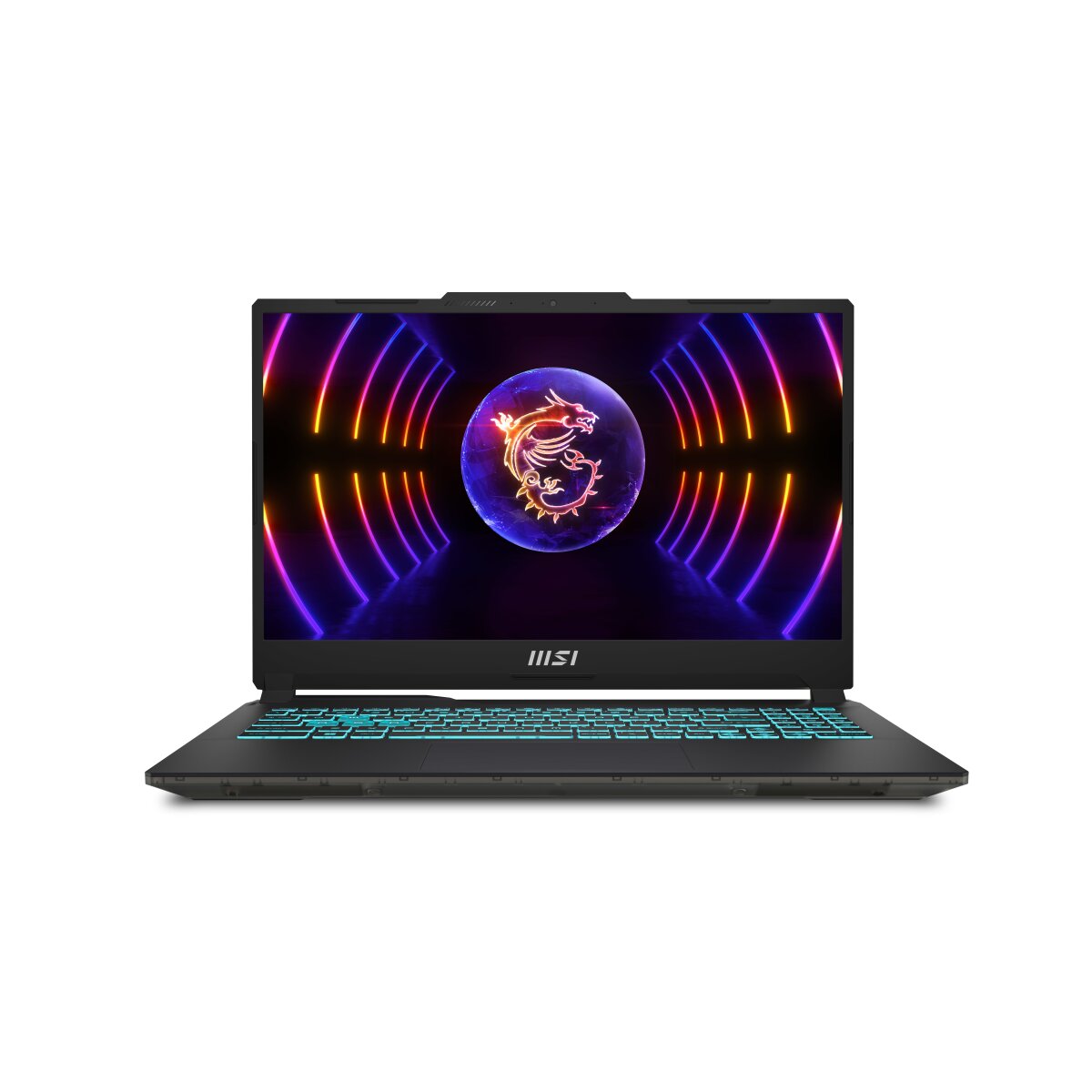



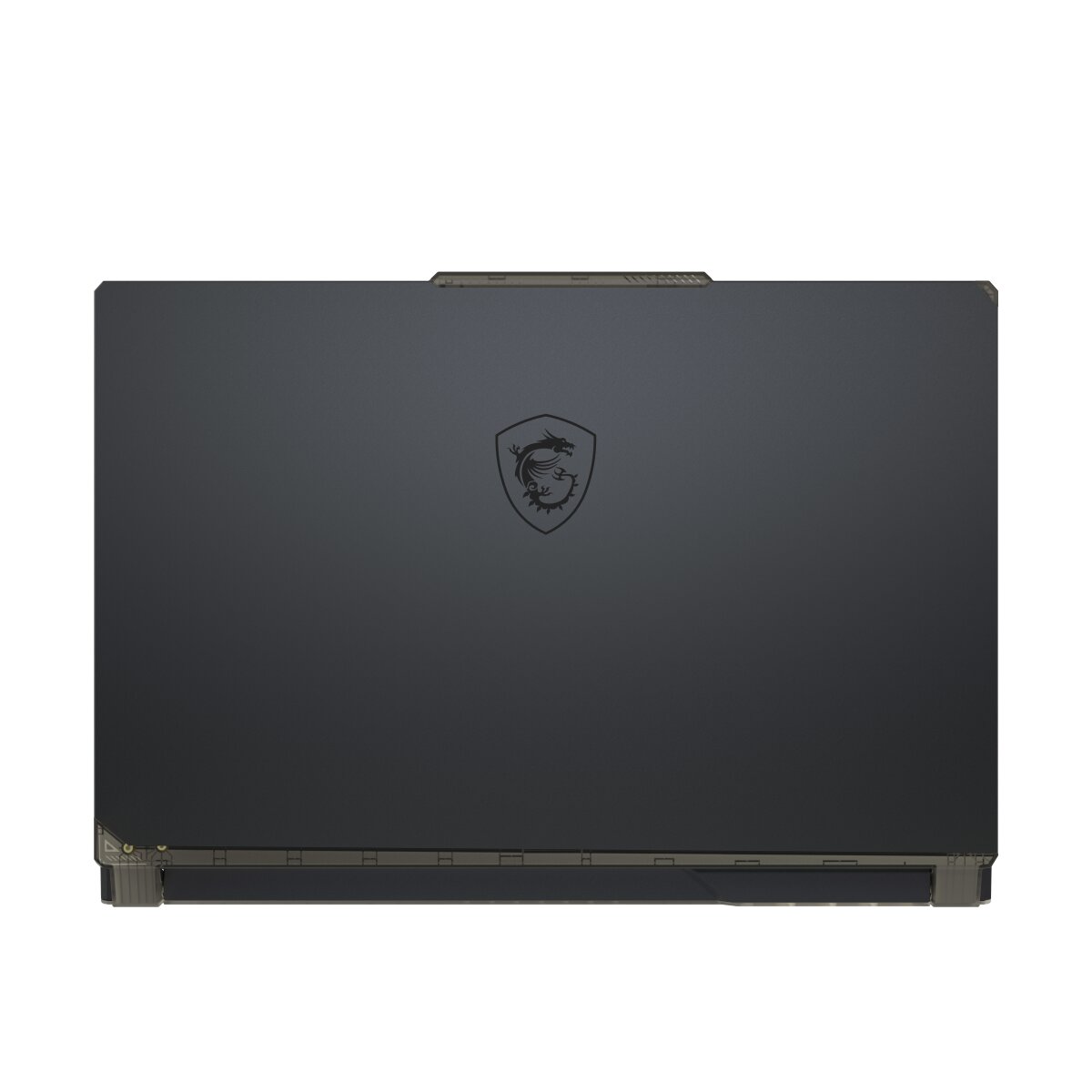
The MSI Cyborg 15 A12VF-004BE laptop features DDR5-SDRAM memory upgrade specifications. The device contains 2 SO-DIMM slots for RAM expansion, supporting a maximum capacity of 64 GB total memory. Compatible memory modules operate at 4800 MHz frequency. Upgrade options utilize standard SO-DIMM form factor modules. These specifications define the RAM upgrade parameters and compatibility requirements for the MSI 15 series gaming laptop model.
Memory Upgrade Specifications
| Specification | Value |
|---|---|
| Memory slots | 2x SO-DIMM |
| Form factor | SO-DIMM |
| Memory type | DDR5-SDRAM |
| Frequency | 4800 MHz |
| Maximum RAM | 64 GB |
| Voltage | 1.1V |
| Number of pins | 262-pin |
| Interface | PC5 |
| PC Speed Rating | PC5-4800 (PC5-38400) |
| Bandwidth | 38.4 GB/s |
| Laptop Release date | 08 February 2023 |
Additional Notes
- The MSI Cyborg 15 A12VF-004BE supports DDR5 modules exclusively, eliminating backward compatibility with DDR4 or earlier generation memory due to different pin configurations and voltage requirements.
- The 4800 MHz specification represents the baseline JEDEC speed, while DDR5 modules rated above this frequency will typically operate at 4800 MHz unless XMP profiles are supported and enabled in BIOS.
- Dual-channel operation requires matched pairs of modules installed across both SO-DIMM slots to achieve maximum memory bandwidth of 76.8 GB/s per channel.
- The 64 GB maximum capacity constraint indicates chipset and BIOS limitations that prevent recognition of higher-density modules, even if physically compatible SO-DIMM DDR5 modules exceed this threshold.
- DDR5 SO-DIMM modules feature on-die ECC that operates independently of system-level error correction, providing baseline data integrity without BIOS configuration requirements.
- The SO-DIMM form factor requires modules with a 262-pin contact configuration and physical dimensions approximately 67.6 mm in length, distinct from desktop DIMM specifications.
- Memory timing compatibility depends on the memory controller's ability to accommodate varying CAS latencies, with tighter timings potentially requiring manual BIOS adjustments or reverting to JEDEC defaults.
- Thermal considerations for DDR5 include higher operating temperatures compared to DDR4, with some high-performance modules incorporating integrated heat spreaders that may affect physical clearance in compact laptop chassis.
- Mixed-capacity configurations such as 16 GB plus 32 GB modules remain functional but may operate in flex mode rather than symmetric dual-channel, introducing potential performance variations across memory address ranges.
- Voltage regulation for DDR5 transitions from motherboard-level to module-level PMIC (Power Management Integrated Circuit), reducing compatibility issues related to voltage delivery but limiting user-adjustable voltage modifications.