MSI Cyborg 15 A12VF-006NL RAM upgrade specifications




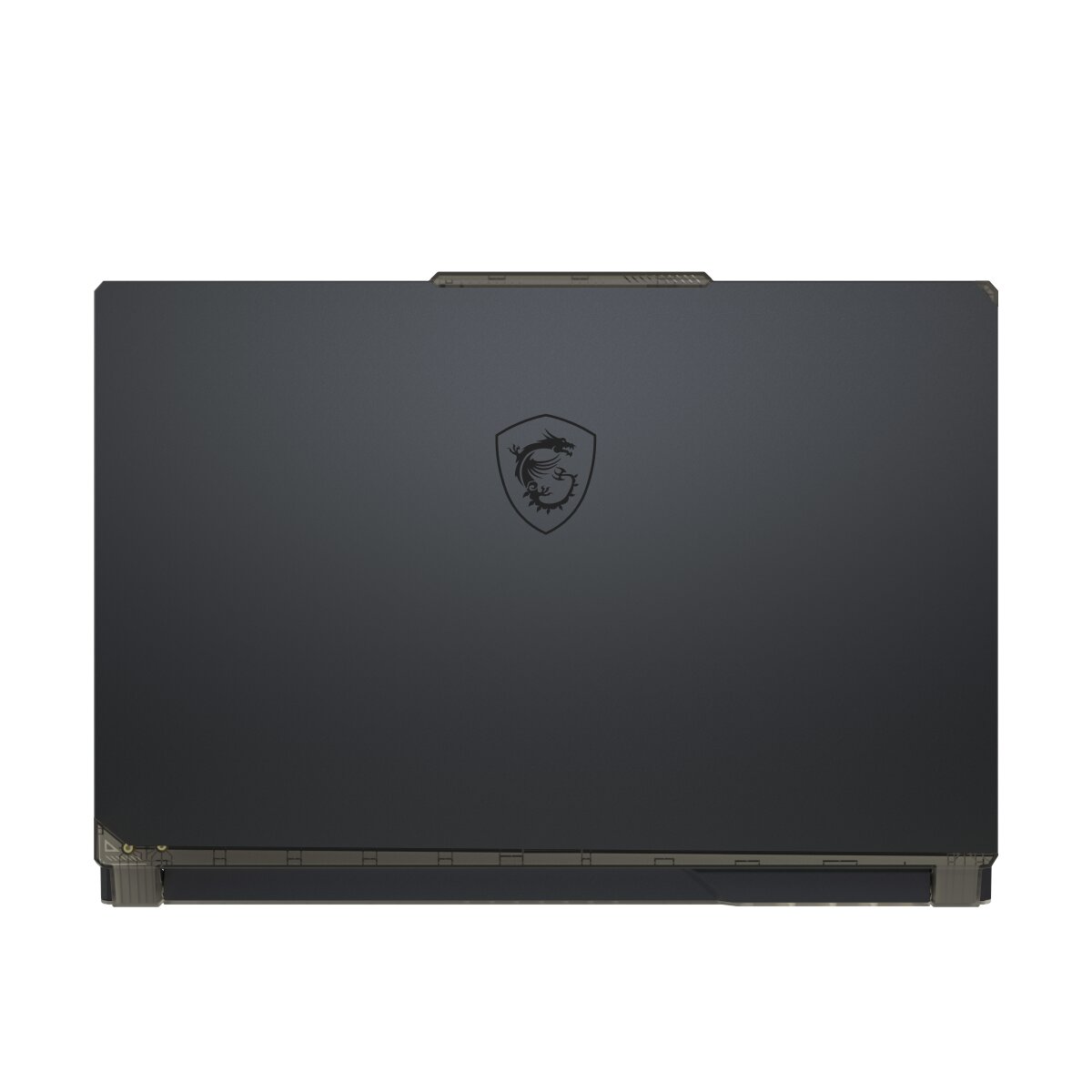
MSI Cyborg 15 A12VF-006NL laptop compatible with DDR5-SDRAM memory upgrade specifications. Device equipped with 2x SO-DIMM memory slots supporting maximum RAM capacity of 64 GB. Memory operates at 4800 MHz frequency. Upgrade utilizes SO-DIMM form factor modules. Specifications enable RAM expansion for enhanced multitasking performance and computational capacity on MSI 15 A12VF-006NL platform.
Memory Upgrade Specifications
| Specification | Value |
|---|---|
| Memory slots | 2x SO-DIMM |
| Form factor | SO-DIMM |
| Memory type | DDR5-SDRAM |
| Frequency | 4800 MHz |
| Maximum RAM | 64 GB |
| Voltage | 1.1V |
| Number of pins | 262-pin |
| Interface | PC5 |
| PC Speed Rating | PC5-4800 (PC5-38400) |
| Bandwidth | 38.4 GB/s |
| Laptop Release date | 08 February 2023 |
Additional Notes
- The MSI Cyborg 15 A12VF-006NL system architecture limits total addressable memory to 64 GB despite DDR5 SO-DIMM modules being available in 48 GB densities, indicating either chipset or BIOS constraints on memory controller addressing.
- Operating DDR5 at 4800 MHz represents JEDEC baseline specification rather than optimized performance, as the memory controller likely supports higher frequency profiles through XMP 3.0 or manual tuning if thermal conditions permit.
- Dual-channel configuration requires matched SO-DIMM pairs to maintain symmetric bandwidth across both channels, as mismatched capacities force the memory controller into asymmetric or flex mode with reduced effective throughput.
- SO-DIMM installation in this chassis typically requires complete bottom panel removal and potentially battery disconnection, as most 15-inch gaming platforms place memory slots beneath the cooling assembly for thermal management proximity.
- DDR5 modules generate higher heat output than DDR4 predecessors due to onboard voltage regulation, making ambient airflow during sustained workloads critical to preventing thermal throttling at the memory controller level.
- Non-ECC unbuffered SO-DIMMs remain the only compatible option, as consumer mobile platforms lack the register buffer infrastructure and error correction circuitry present in workstation-class systems.
- Mixing different DDR5 die revisions between slots can force the memory controller to lowest-common-denominator timings, potentially increasing CAS latency beyond the rated specification of either module individually.
- The 64 GB ceiling allows 32 GB per slot configurations while maintaining dual-channel operation, whereas exceeding this through hypothetical higher-density modules would likely result in POST failure or single-channel fallback.