MSI Gaming GF76 12UG-054 Katana RAM upgrade specifications
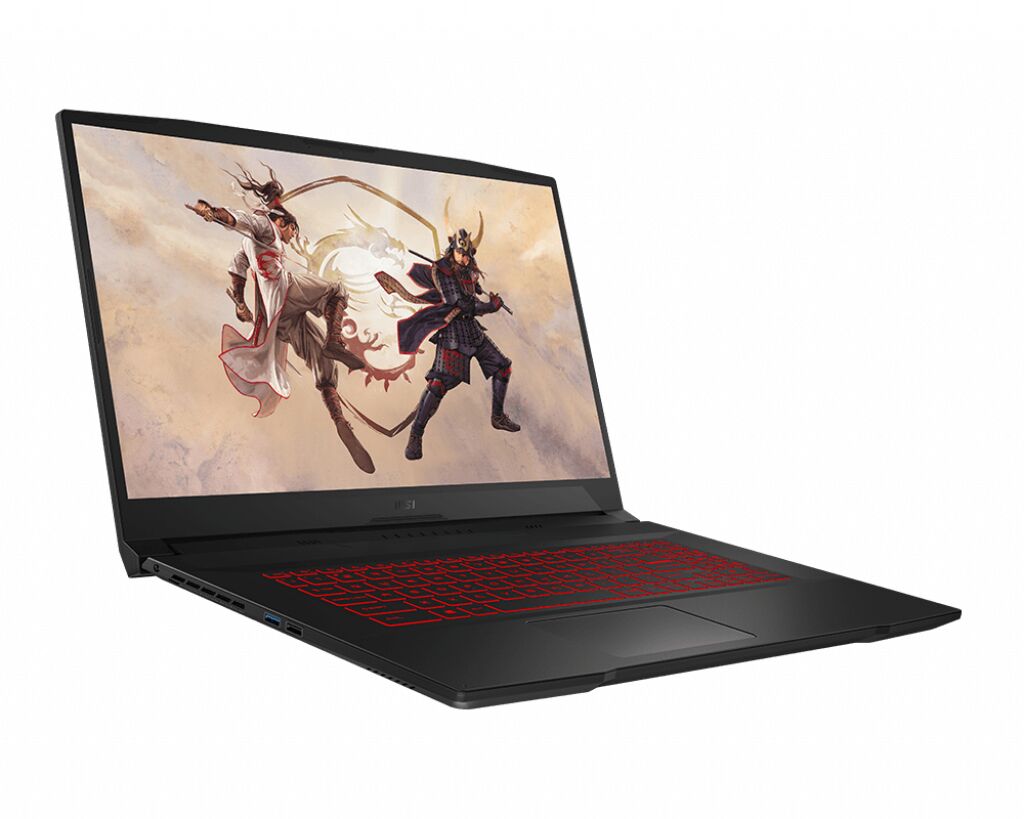
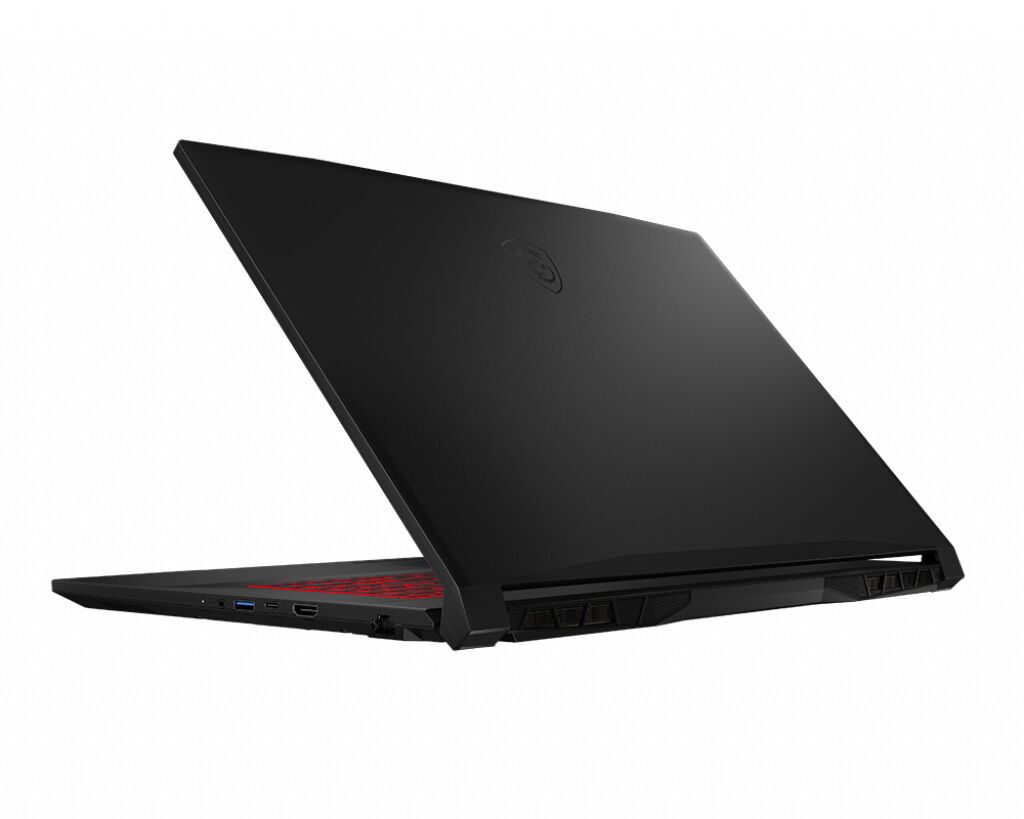
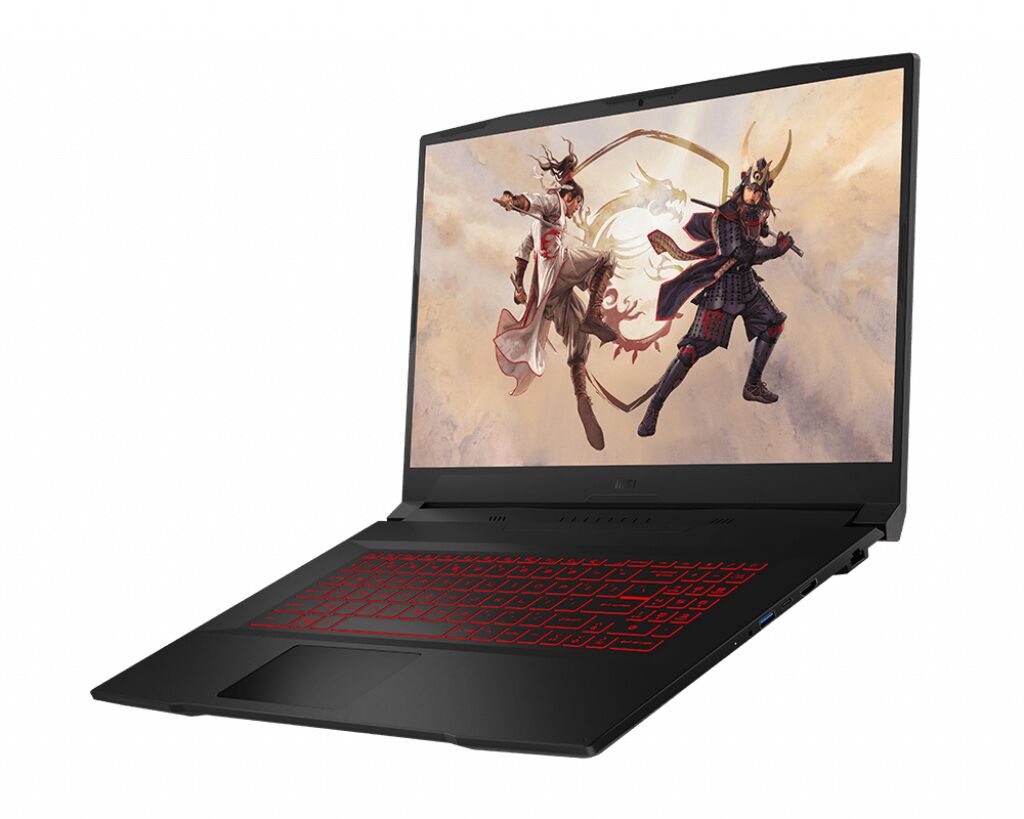
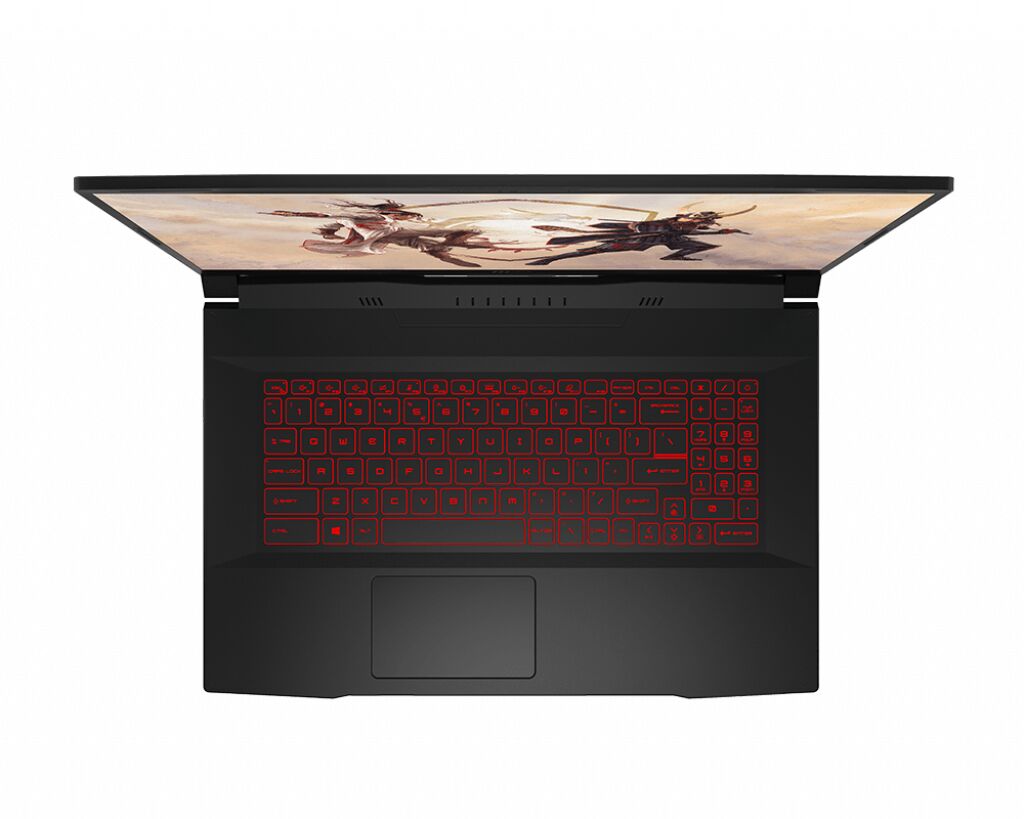
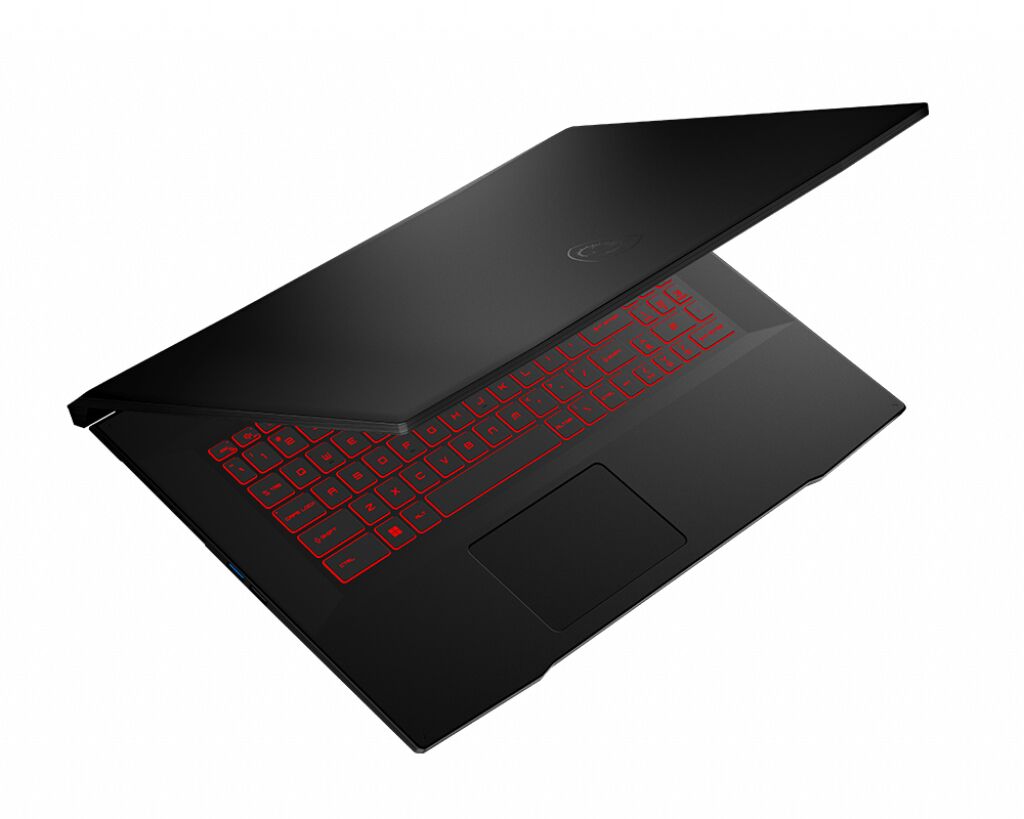
The MSI GF76 12UG-054 Katana gaming laptop features DDR4-SDRAM memory upgrade specifications with two SO-DIMM slots supporting maximum capacity of 64 GB. Compatible memory modules operate at 3200 MHz frequency. The Gaming GF series supports DDR4 SO-DIMM form factor upgrades, allowing users to expand system memory for enhanced multitasking and performance. Existing memory configurations can be upgraded by replacing or supplementing installed modules within the two available memory slots to reach the maximum 64 GB capacity specification.
Memory Upgrade Specifications
| Specification | Value |
|---|---|
| Memory slots | 2x SO-DIMM |
| Form factor | SO-DIMM |
| Memory type | DDR4-SDRAM |
| Frequency | 3200 MHz |
| Maximum RAM | 64 GB |
| Voltage | 1.2V |
| Number of pins | 260-pin |
| Interface | PC4 |
| PC Speed Rating | PC4-3200 (PC4-25600) |
| Bandwidth | 25.6 GB/s |
| Laptop Release date | 28 January 2022 |
Additional Notes
- The MSI GF76 12UG-054 Katana contains 2 SO-DIMM slots operating at 3200 MHz, constraining future upgrades to a 64 GB ceiling without motherboard replacement.
- DDR4-SDRAM compatibility locks the system to that memory generation; DDR5 modules will not physically or electronically interface with existing SO-DIMM slots.
- SO-DIMM form factor confirms notebook-class memory modules are required; standard desktop DIMM sticks cannot be installed regardless of capacity or speed matching.
- The 3200 MHz rated frequency establishes the maximum safe operating speed for new modules; higher-clocked RAM will throttle down to this specification or trigger stability issues during boot cycles.
- With 2 slots total, upgrading from a single module configuration requires populating both slots to reach the 64 GB maximum, as no single SO-DIMM module exceeds 32 GB in standard retail availability.
- Warranty coverage typically remains intact when replacing factory RAM with compatible third-party SO-DIMM modules of identical DDR4-3200 specifications, provided installation follows manufacturer guidance without case modification.
- Memory bandwidth saturation can occur under sustained workloads if the CPU cache hierarchy and GPU memory controller become limiting factors before the 3200 MHz channel throughput is exhausted.