MSI Gaming GF76 12UG-479AU Katana RAM upgrade specifications
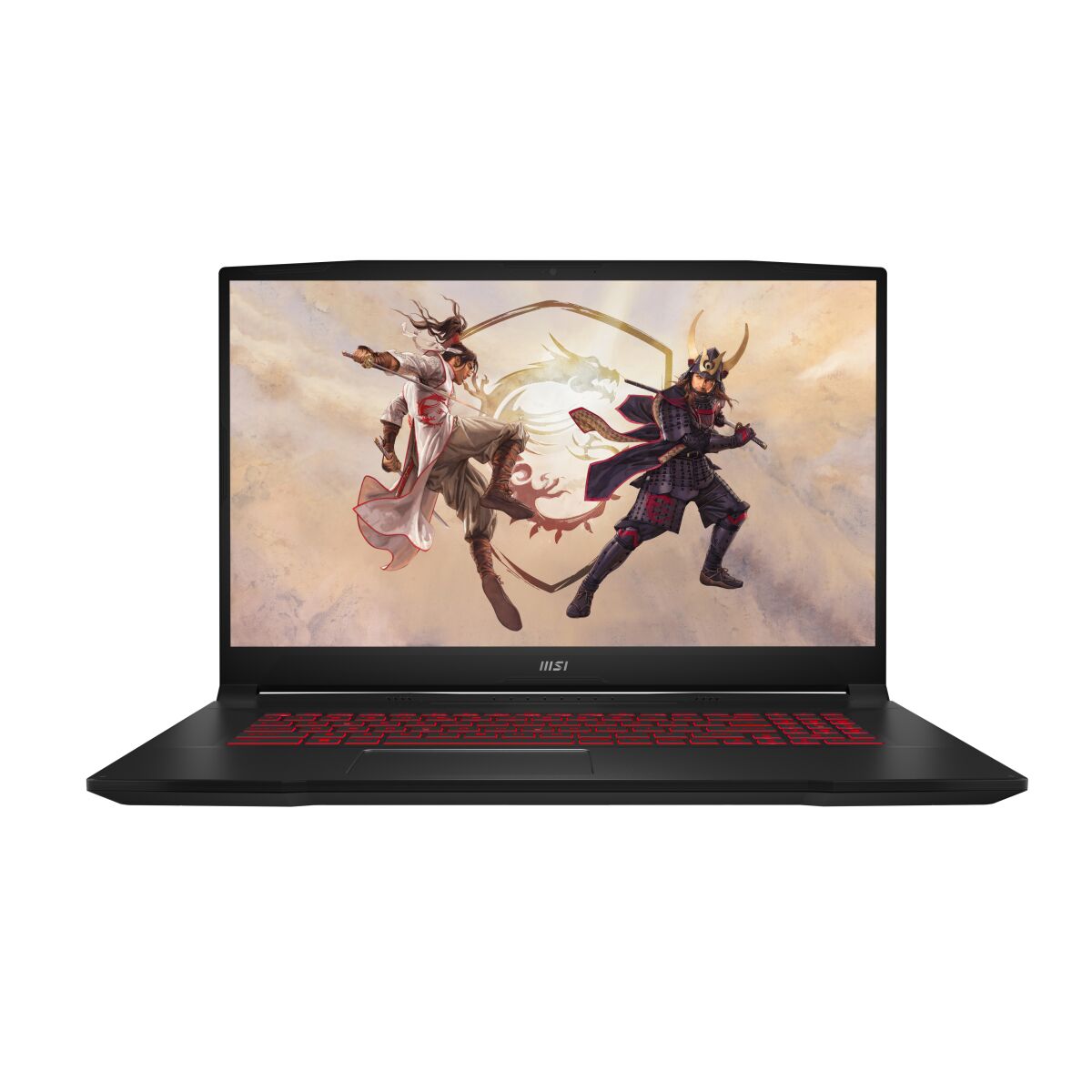

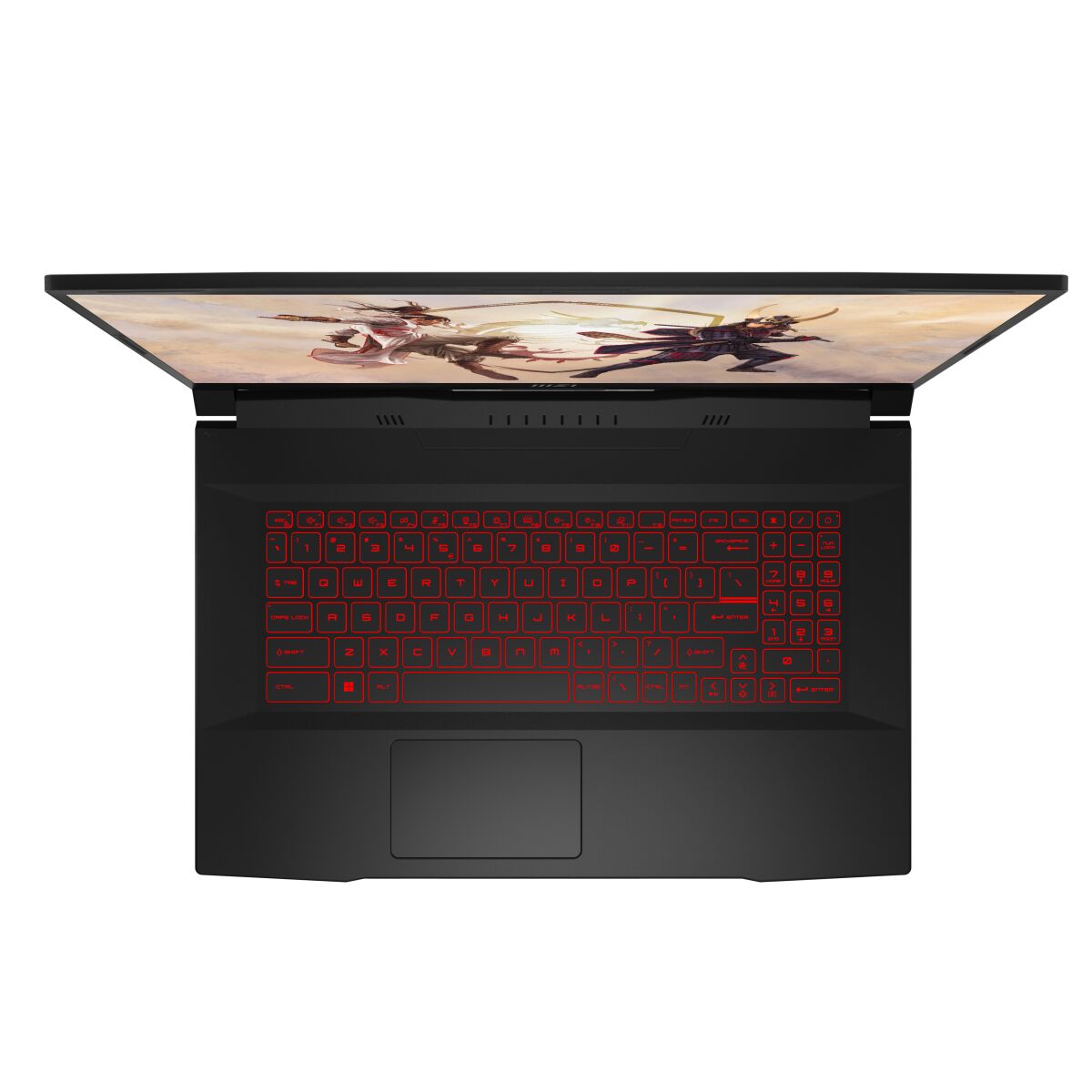
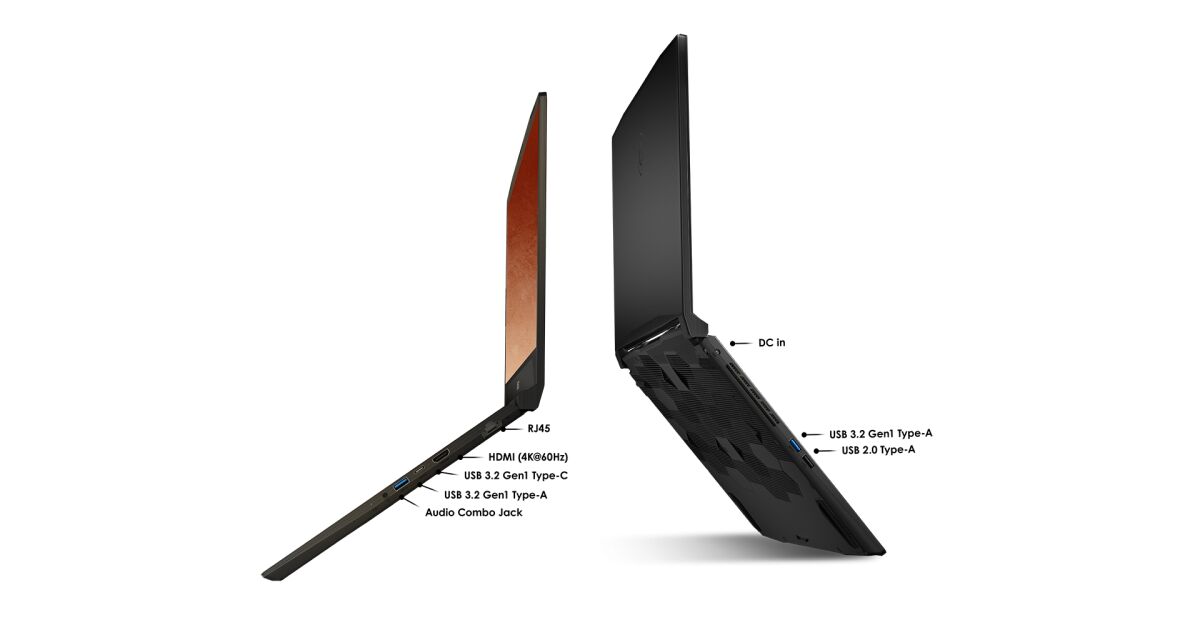
The MSI GF76 12UG-479AU Katana gaming laptop features dual SO-DIMM memory slots supporting DDR4-SDRAM upgrades at 3200 MHz frequency. Maximum RAM capacity extends to 64 GB total, enabling significant memory expansion from factory configuration. Compatible memory modules must match SO-DIMM form factor specifications for proper installation in available upgrade slots. Specifications indicate support for standard DDR4 memory architecture, allowing users to enhance multitasking performance and gaming capabilities through RAM upgrade installations.
Memory Upgrade Specifications
| Specification | Value |
|---|---|
| Memory slots | 2x SO-DIMM |
| Form factor | SO-DIMM |
| Memory type | DDR4-SDRAM |
| Frequency | 3200 MHz |
| Maximum RAM | 64 GB |
| Voltage | 1.2V |
| Number of pins | 260-pin |
| Interface | PC4 |
| PC Speed Rating | PC4-3200 (PC4-25600) |
| Bandwidth | 25.6 GB/s |
| Laptop Release date | 28 July 2022 |
Additional Notes
- The MSI GF76 12UG-479AU Katana contains 2 SO-DIMM slots operating in dual-channel configuration, which means both slots must be populated identically to achieve rated memory bandwidth of approximately 51.2 GB/s. Running a single module leaves 50% of available bandwidth unused.
- DDR4-3200 modules represent the practical ceiling for this platform; faster DDR4 variants operate outside the memory controller's official specification window and may trigger compatibility warnings or POST failures without manual BIOS adjustment.
- The 64 GB maximum capacity threshold indicates both SO-DIMM slots accept 32 GB modules. Single-sided 32 GB SO-DIMMs remain less available in retail channels than dual-sided variants, extending procurement time and widening price variance.
- SO-DIMM mechanical height constraints (30 mm standard) require clearance verification near the keyboard assembly; certain aftermarket heatspreader designs exceed this envelope and obstruct closure of the bottom panel.
- Mixing memory speeds within the 2-slot configuration forces both channels to operate at the slower module's rated frequency, reducing effective bandwidth if disparate generations are installed during staged upgrades.
- Warranty retention depends on using non-ECC, non-registered SO-DIMM modules within the DDR4-3200 specification band. Overclocked or ECC-variant modules may void coverage despite physical compatibility.