MSI Gaming GL63 9SEK-1032XRU RAM upgrade specifications

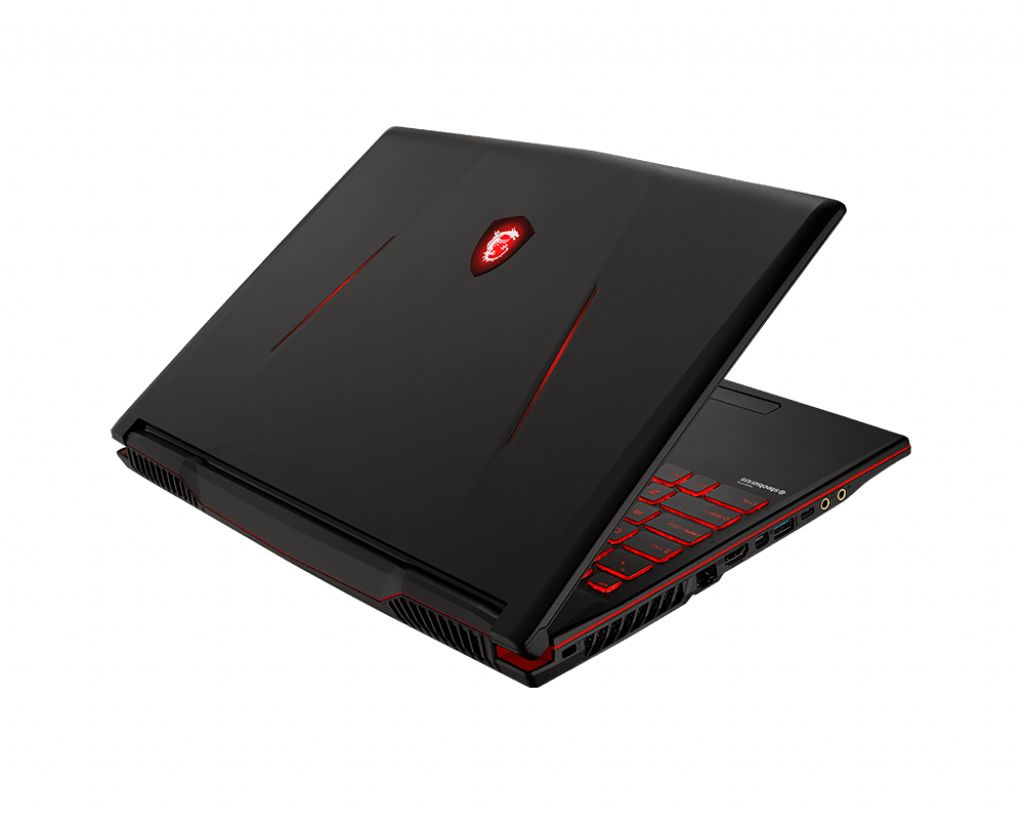

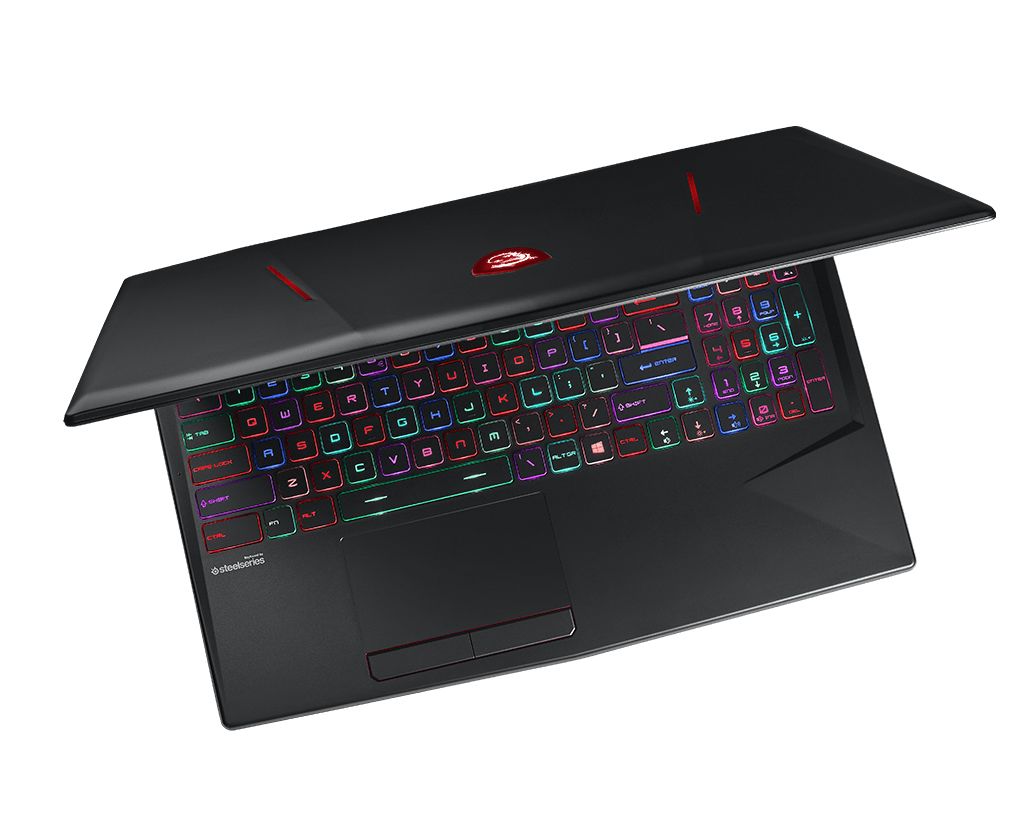

The MSI GL63 9SEK-1032XRU gaming laptop supports DDR4-SDRAM memory upgrades. The device features two SO-DIMM slots for RAM expansion, accommodating a maximum capacity of 64 GB total memory. Compatible upgrades operate at 2666 MHz frequency. The GL series gaming model allows users to expand memory beyond factory specifications by installing additional SO-DIMM modules in available slots. Specifications indicate the GL63 9SEK-1032XRU accepts DDR4 memory upgrades with SO-DIMM form factor, enabling enhanced multitasking and performance capabilities for gaming and professional applications.
Memory Upgrade Specifications
| Specification | Value |
|---|---|
| Memory slots | 2x SO-DIMM |
| Form factor | SO-DIMM |
| Memory type | DDR4-SDRAM |
| Frequency | 2666 MHz |
| Maximum RAM | 64 GB |
| Voltage | 1.2V |
| Number of pins | 260-pin |
| Interface | PC4 |
| PC Speed Rating | PC4-2666 (PC4-21328) |
| Bandwidth | 21.3 GB/s |
| Laptop Release date | 16 August 2019 |
Additional Notes
- The dual channel configuration requirement necessitates installing modules in identical pairs to achieve maximum memory bandwidth for the MSI GL63 9SEK-1032XRU.
- The motherboard architectural limit restricts the system to 32 GB per slot regardless of higher density modules available on the market.
- Installing high frequency memory modules rated above 2666 MHz results in automatic downclocking to match the native controller speed defined by the 9th Gen chipset.
- Physical access to the SO-DIMM slots requires the removal of the entire lower chassis shield which may involve piercing a factory seal sticker in certain regions.
- The transition to 64 GB of total system memory significantly reduces page file reliance during heavy 4K video rendering or virtual machine execution.
- Mixing modules with different CAS latencies forces the system to operate at the timings of the slowest installed stick which can increase overall memory latency.
- Thermal constraints within the compact gaming chassis prioritize low voltage 1.2V modules to prevent localized heat buildup near the CPU area.