MSI Gaming GL63 9SEK-473 RAM upgrade specifications

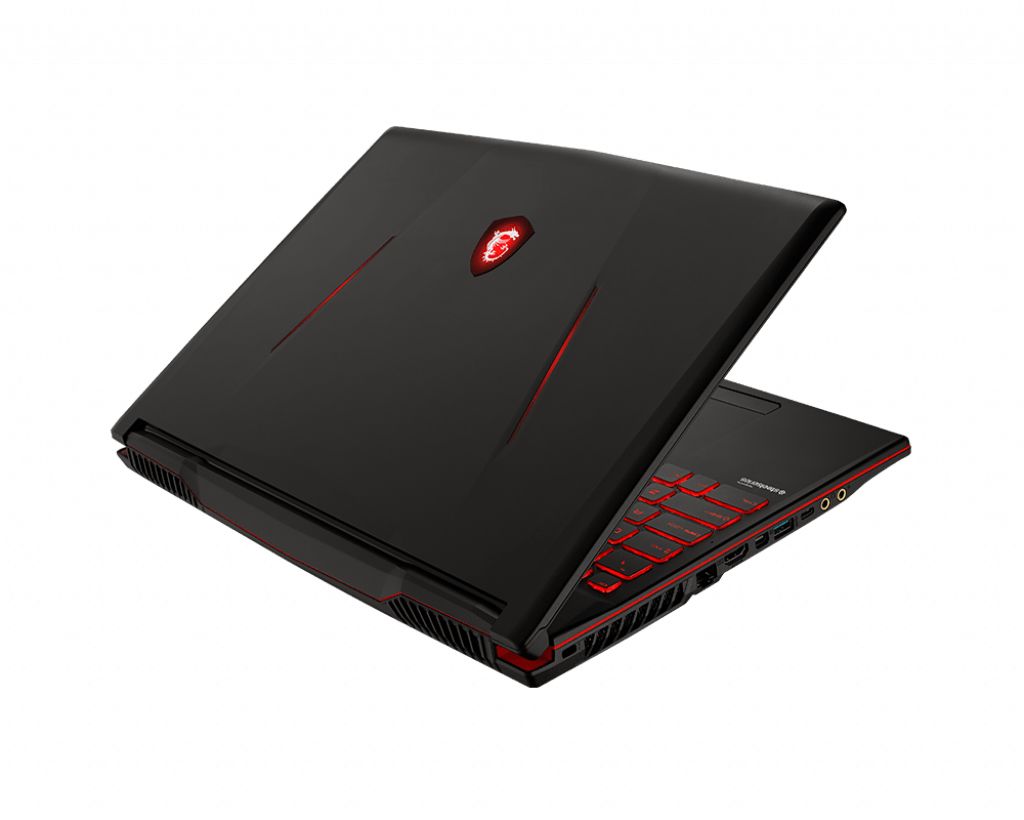

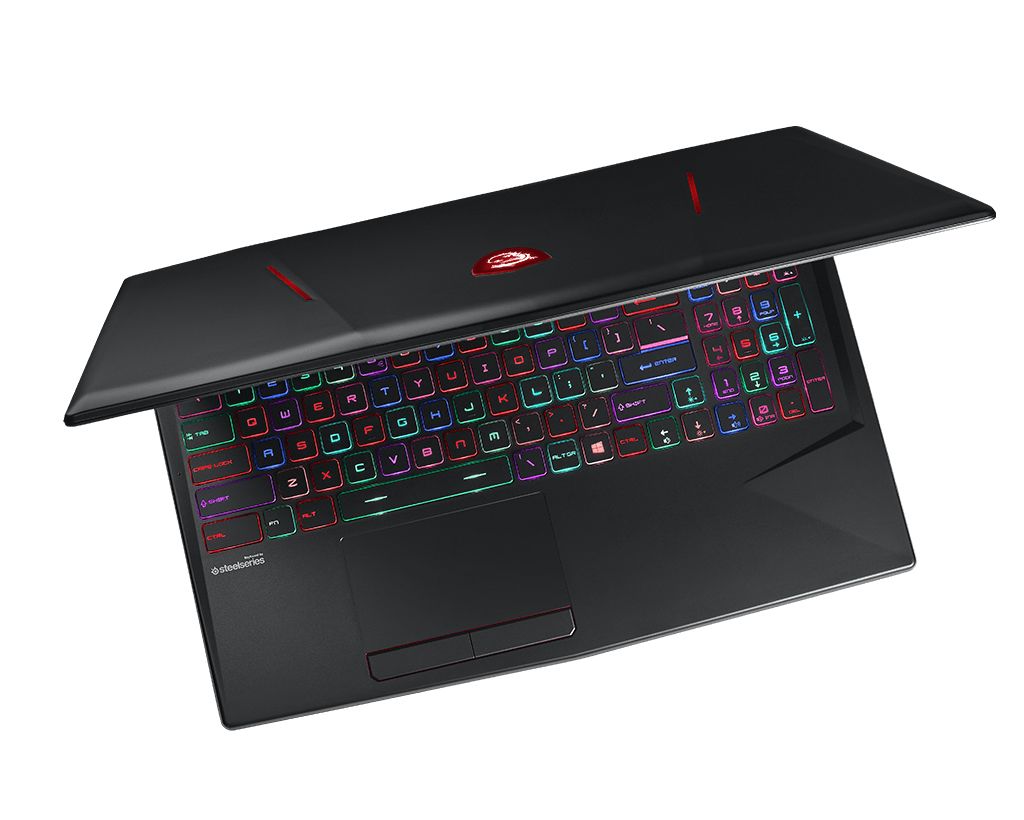
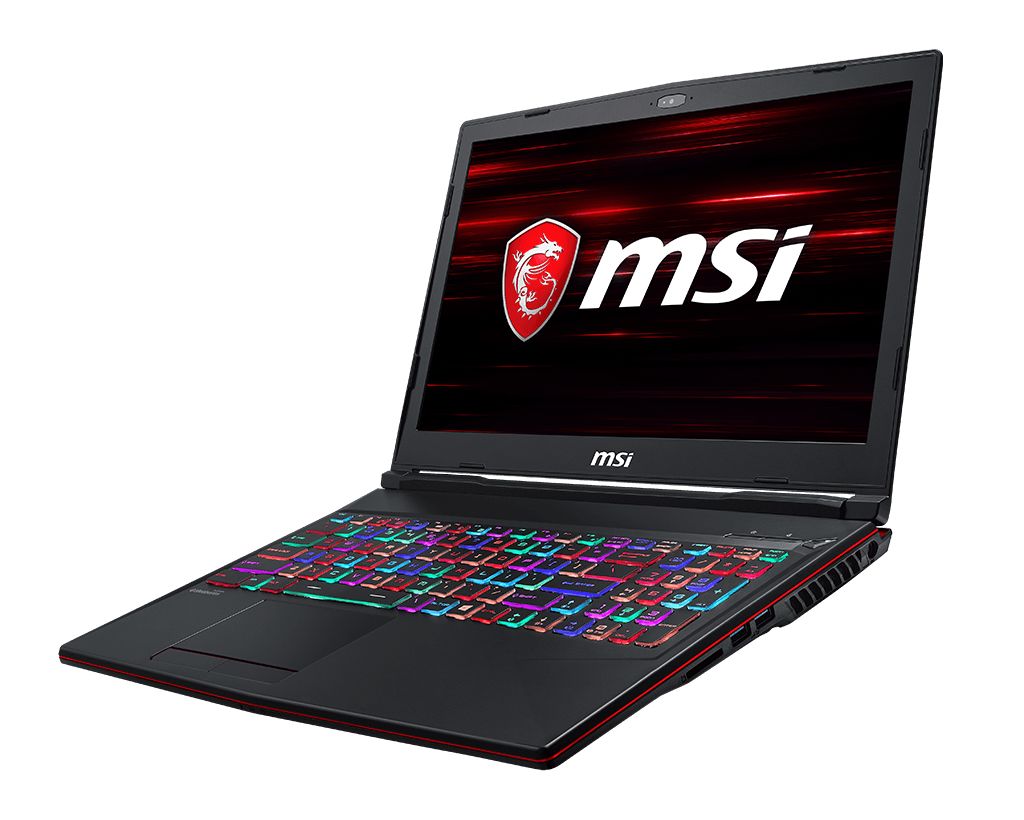
The MSI GL63 9SEK-473 Gaming series laptop features DDR4-SDRAM memory upgrade specifications with two SO-DIMM slots for RAM expansion. Compatible memory operates at 2666 MHz frequency with a maximum capacity of 64 GB total. The GL63 9SEK-473 model supports SO-DIMM form factor modules, enabling users to upgrade existing memory configurations up to the specified maximum capacity for enhanced system performance.
Memory Upgrade Specifications
| Specification | Value |
|---|---|
| Memory slots | 2x SO-DIMM |
| Form factor | SO-DIMM |
| Memory type | DDR4-SDRAM |
| Frequency | 2666 MHz |
| Maximum RAM | 64 GB |
| Voltage | 1.2V |
| Number of pins | 260-pin |
| Interface | PC4 |
| PC Speed Rating | PC4-2666 (PC4-21328) |
| Bandwidth | 21.3 GB/s |
| Laptop Release date | 14 April 2019 |
Additional Notes
- The MSI GL63 9SEK-473 supports DDR4-2666 memory, which operates below current standard frequencies (3200 MHz). Upgrading to faster DDR4 modules will not improve performance due to hardware-level frequency locking on this platform.
- 2 SO-DIMM slots create a dual-channel architecture that requires matched pair installation for optimal bandwidth utilization. Single-slot upgrades will operate in single-channel mode, reducing memory bandwidth by approximately 50 percent.
- Maximum addressable capacity of 64 GB implies each slot accepts 32 GB modules. Upgrading beyond the native 2666 MHz specification requires validation against the BIOS revision, as older firmware may reject higher-capacity or faster-rated modules.
- SO-DIMM form factor restricts module availability to laptop-grade components, which cost 15-25 percent more than desktop DDR4 equivalents at equivalent capacities and speeds.
- The 2-slot architecture with 64 GB ceiling means no upgrade path exists beyond maximum capacity. Future RAM expansion is not possible without replacing existing modules entirely.
- Warranty coverage typically remains intact when upgrading memory using OEM-approved specifications (DDR4-2666 or lower). Exceeding 2666 MHz may void manufacturer coverage depending on BIOS modification requirements.
- Latency and bandwidth constraints from 2666 MHz operation may create memory-bound bottlenecks in applications exceeding 16 GB allocation, particularly in video editing and 3D rendering workflows.