MSI Gaming GL63 9SEK-884RU RAM upgrade specifications

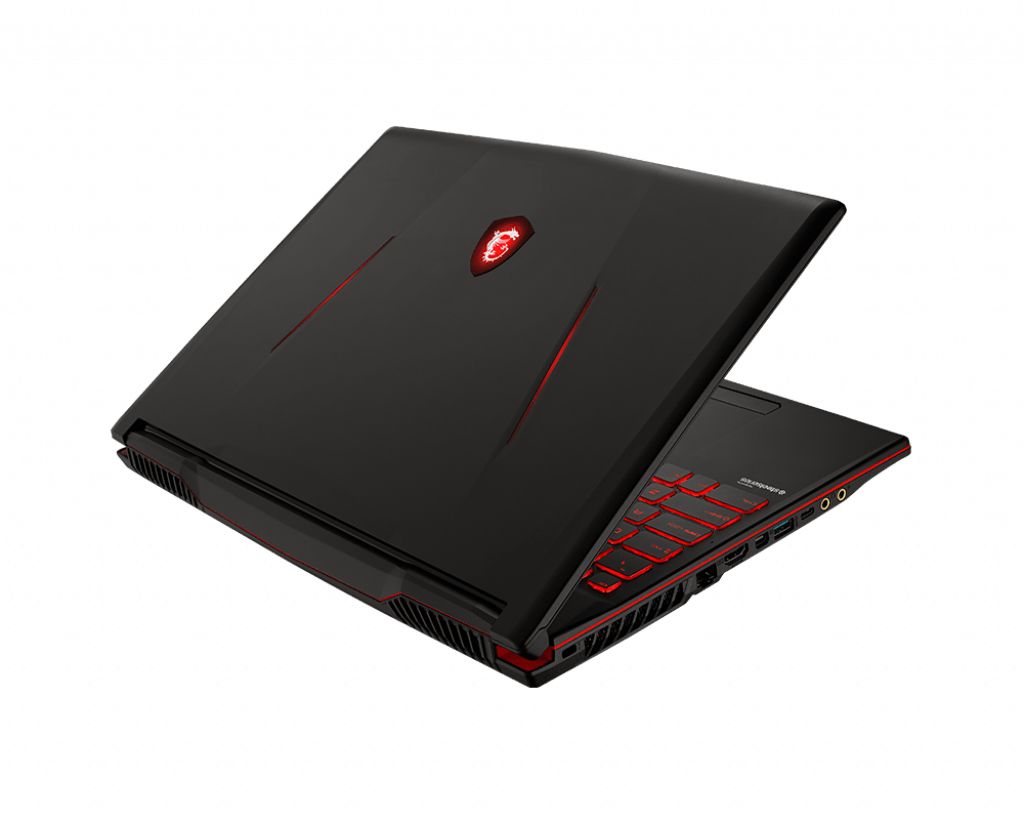

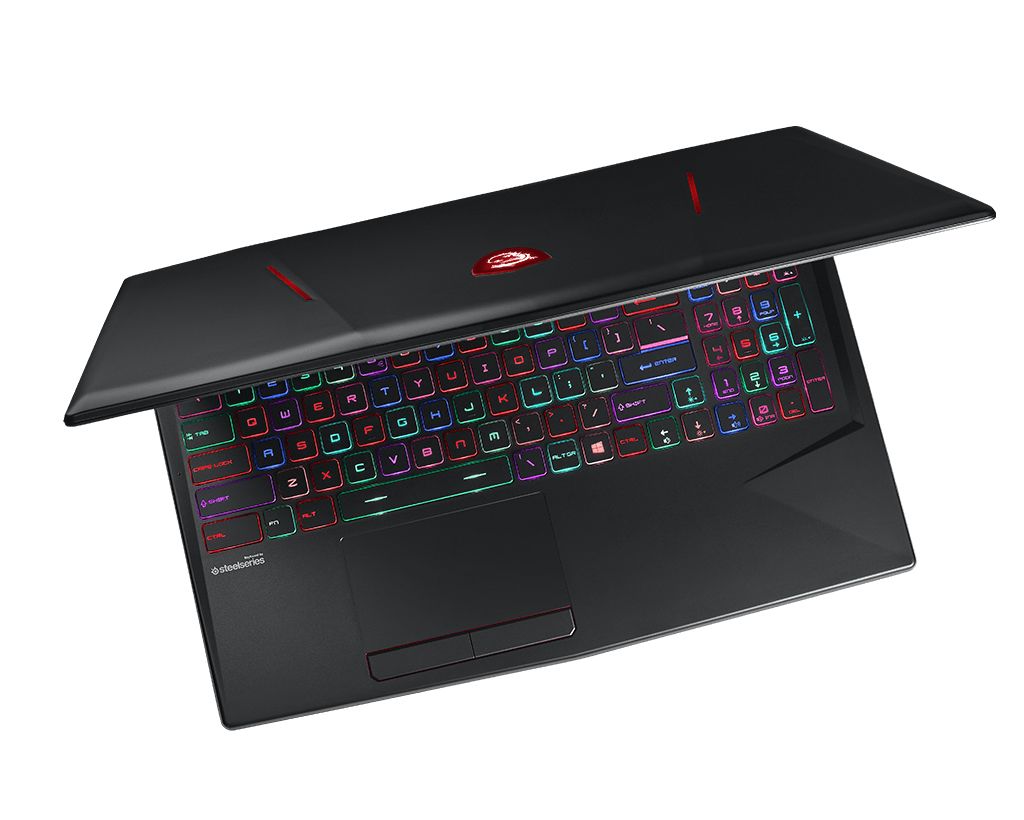
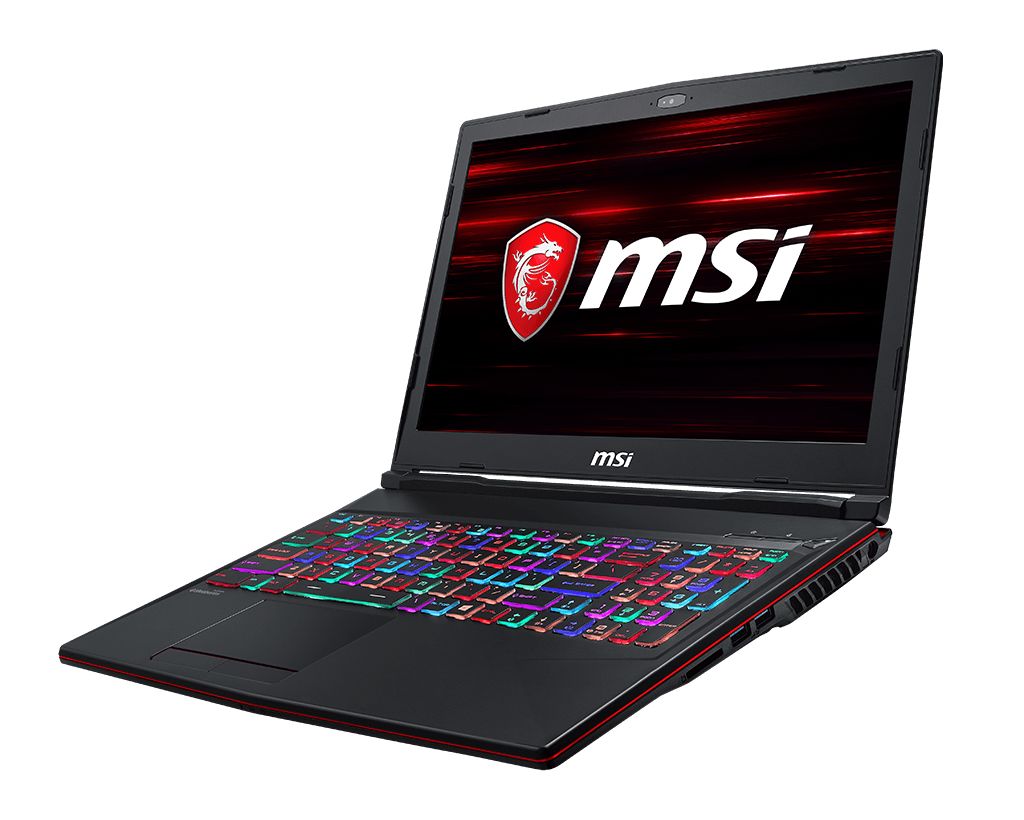
MSI GL63 9SEK-884RU Gaming series laptop supports DDR4-SDRAM memory upgrades through two SO-DIMM slots. Maximum RAM capacity reaches 64 GB total. Compatible memory operates at 2666 MHz frequency. Upgrade specifications enable users to enhance multitasking performance by increasing installed memory capacity beyond factory configurations. DDR4 SO-DIMM modules provide the required form factor for this Gaming GL series model.
Memory Upgrade Specifications
| Specification | Value |
|---|---|
| Memory slots | 2x SO-DIMM |
| Form factor | SO-DIMM |
| Memory type | DDR4-SDRAM |
| Frequency | 2666 MHz |
| Maximum RAM | 64 GB |
| Voltage | 1.2V |
| Number of pins | 260-pin |
| Interface | PC4 |
| PC Speed Rating | PC4-2666 (PC4-21328) |
| Bandwidth | 21.3 GB/s |
| Laptop Release date | 09 July 2019 |
Additional Notes
- The MSI GL63 9SEK-884RU Gaming supports dual-channel memory architecture through its 2 SO-DIMM slots, enabling bandwidth doubling when populated with matched pairs compared to single-module configurations.
- Installing 2 x 32 GB modules would reach the 64 GB ceiling while maintaining identical capacity per channel, preventing asymmetric memory mode from engaging.
- Mixing modules with different speeds would force all installed memory to operate at the frequency of the slowest module, potentially underutilizing faster rated components.
- SO-DIMM physical dimensions require clearance verification within the chassis, particularly when aftermarket cooling solutions or thermal padding modifications exist near the memory compartment.
- DDR4-2666 MHz represents the JEDEC standard speed, meaning higher frequency modules would downclock to 2666 MHz unless XMP profiles are supported and enabled in BIOS.
- The chipset's memory controller determines whether single-rank or dual-rank modules provide optimal performance, with dual-rank configurations sometimes offering marginal latency improvements on this platform generation.
- Operating at the validated 2666 MHz frequency ensures compliance with manufacturer specifications, whereas overclocking attempts may void warranty coverage or introduce system instability.
- Populating both slots with non-identical capacities triggers flex mode operation, where only the matched portion runs in dual-channel while excess capacity reverts to single-channel bandwidth.
- Voltage compatibility requires modules adhering to the 1.2V DDR4 standard, as higher voltage variants designed for desktop platforms may cause POST failures or thermal complications in the confined laptop enclosure.
- CAS latency specifications impact real-world response times, with CL19 and CL17 modules at identical frequencies producing measurable differences in memory-intensive workloads despite both conforming to DDR4-2666 standards.