MSI Gaming GL73 8SDK-201XRU RAM upgrade specifications
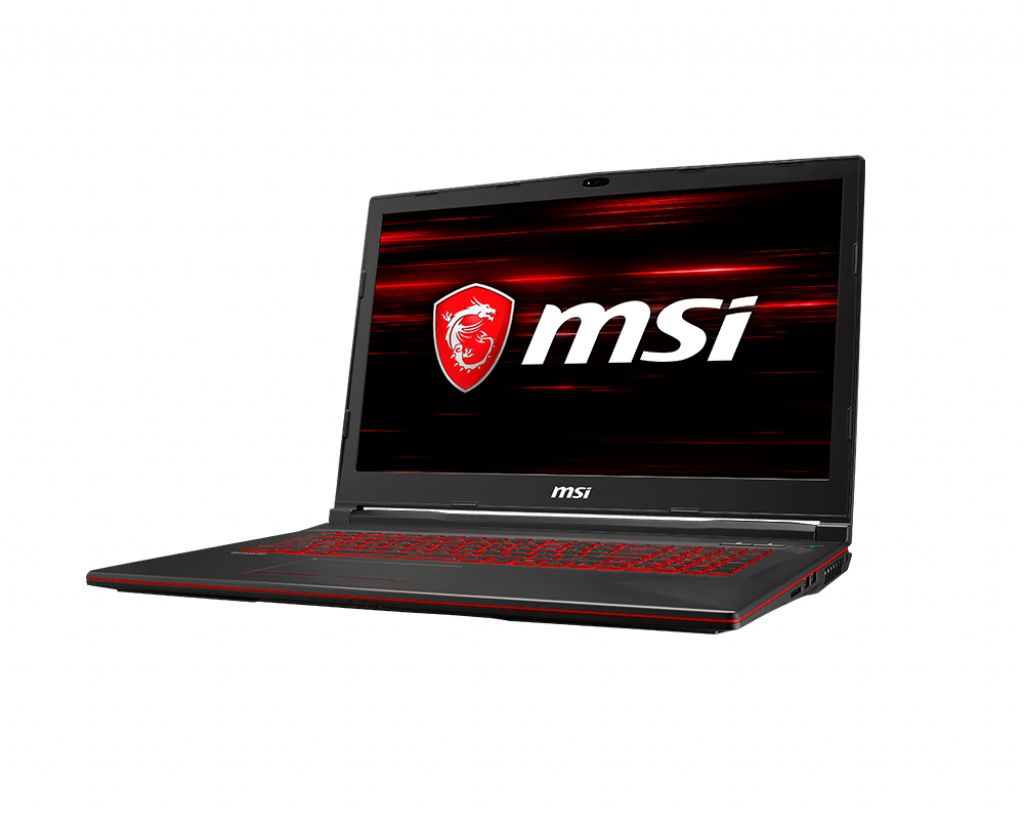
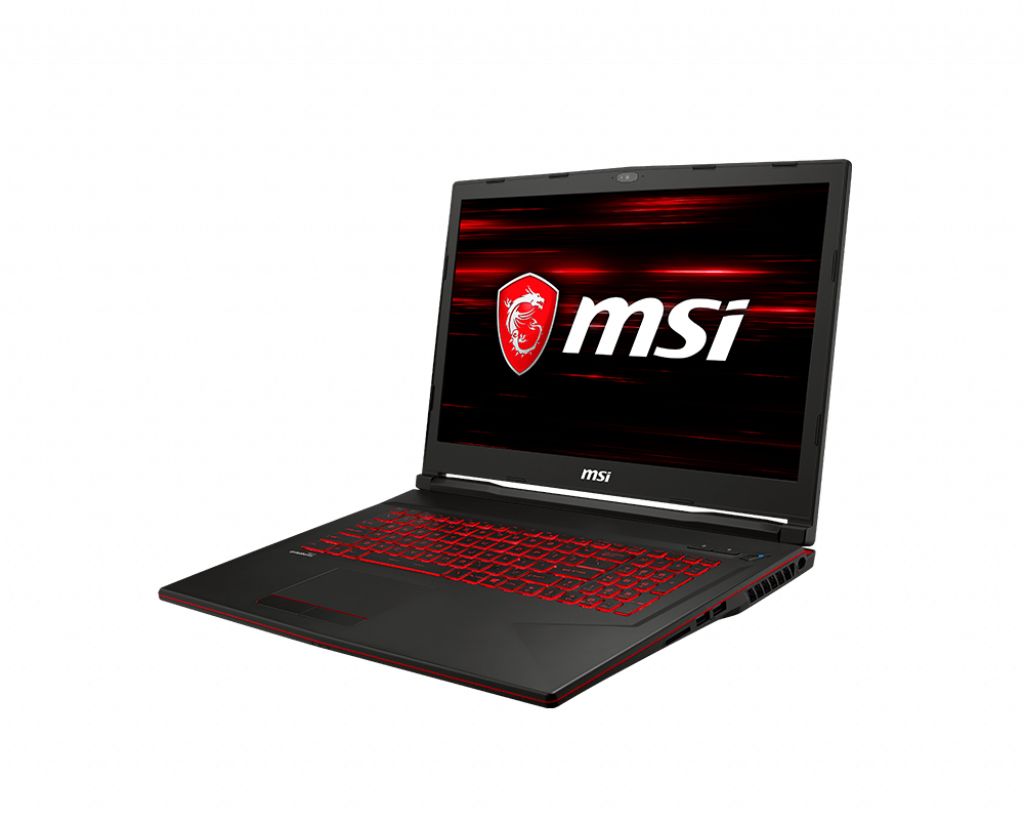


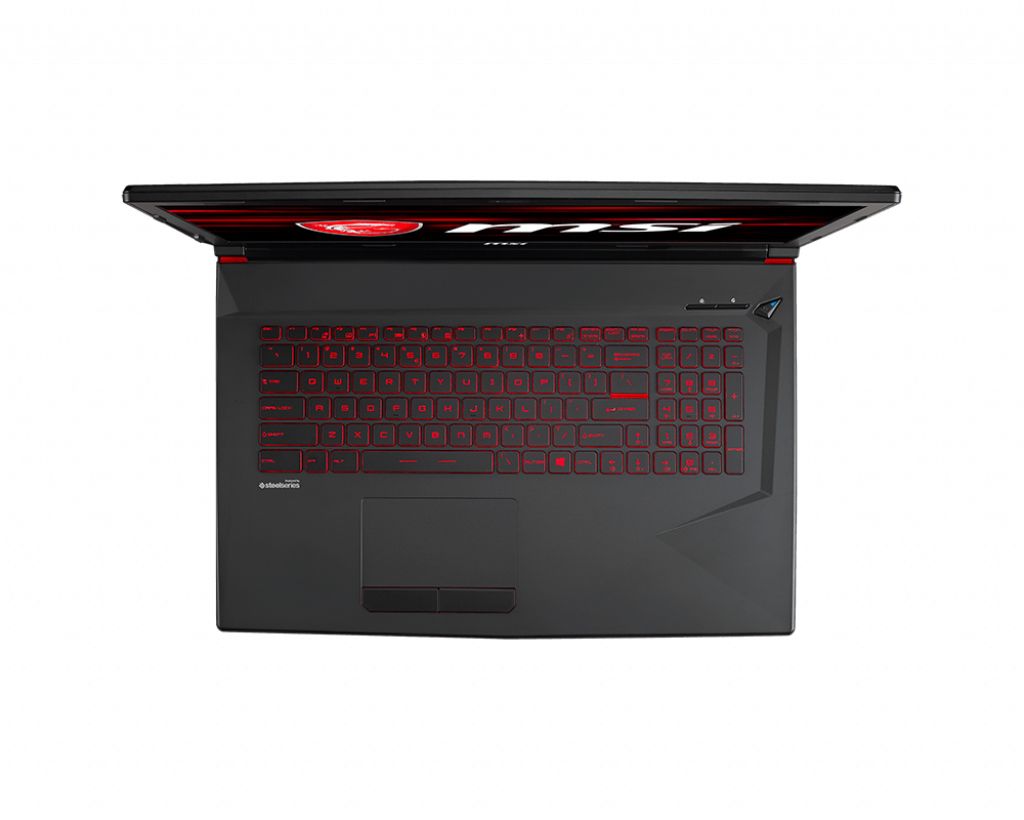
MSI GL73 8SDK-201XRU gaming laptop memory upgrade specifications indicate DDR4-SDRAM compatibility with two SO-DIMM slots supporting maximum RAM capacity of 32 GB total. The device operates at 2666 MHz frequency. Compatible memory modules utilize SO-DIMM form factor for this gaming series configuration. Upgrade options allow installation of additional DDR4 memory modules to expand system RAM capacity within specified maximum parameters.
Memory Upgrade Specifications
| Specification | Value |
|---|---|
| Memory slots | 2x SO-DIMM |
| Form factor | SO-DIMM |
| Memory type | DDR4-SDRAM |
| Frequency | 2666 MHz |
| Maximum RAM | 32 GB |
| Voltage | 1.2V |
| Number of pins | 260-pin |
| Interface | PC4 |
| PC Speed Rating | PC4-2666 (PC4-21328) |
| Bandwidth | 21.3 GB/s |
| Laptop Release date | 13 May 2019 |
Additional Notes
- The MSI GL73 8SDK-201XRU uses SO-DIMM slots, which restricts upgrade options to laptop-specific memory modules and prevents use of standard desktop DDR4 DIMMs.
- DDR4-2666 MHz specification indicates the system operates below current DDR4 mainstream frequencies (3200 MHz+), creating potential bandwidth limitations when paired with 8th or 9th generation Intel processors that support higher speeds.
- The 2-slot configuration with 32 GB maximum capacity means upgrading to 16 GB per module represents the practical ceiling; mixed-capacity configurations (8 GB + 16 GB) function but may introduce dual-channel asymmetry.
- Memory frequency standardization at 2666 MHz suggests the motherboard BIOS lacks overclocking profiles, so faster DDR4 modules will downclock to specification rather than operate at rated speeds.
- Warranty considerations require verification that SO-DIMM replacement falls within acceptable user-serviceable components, as some manufacturers restrict memory access to authorized service centers.
- Migration from single-channel to dual-channel configuration (if currently populated with 1 module) yields measurable gaming performance gains, particularly in GPU-bound scenarios where CPU latency becomes secondary.
- Storage density at 32 GB maximum establishes practical limits for memory-intensive workloads; applications exceeding this threshold will depend on storage-based virtual memory, incurring significant latency penalties.