MSI Gaming GL73 8SDK-217RU RAM upgrade specifications
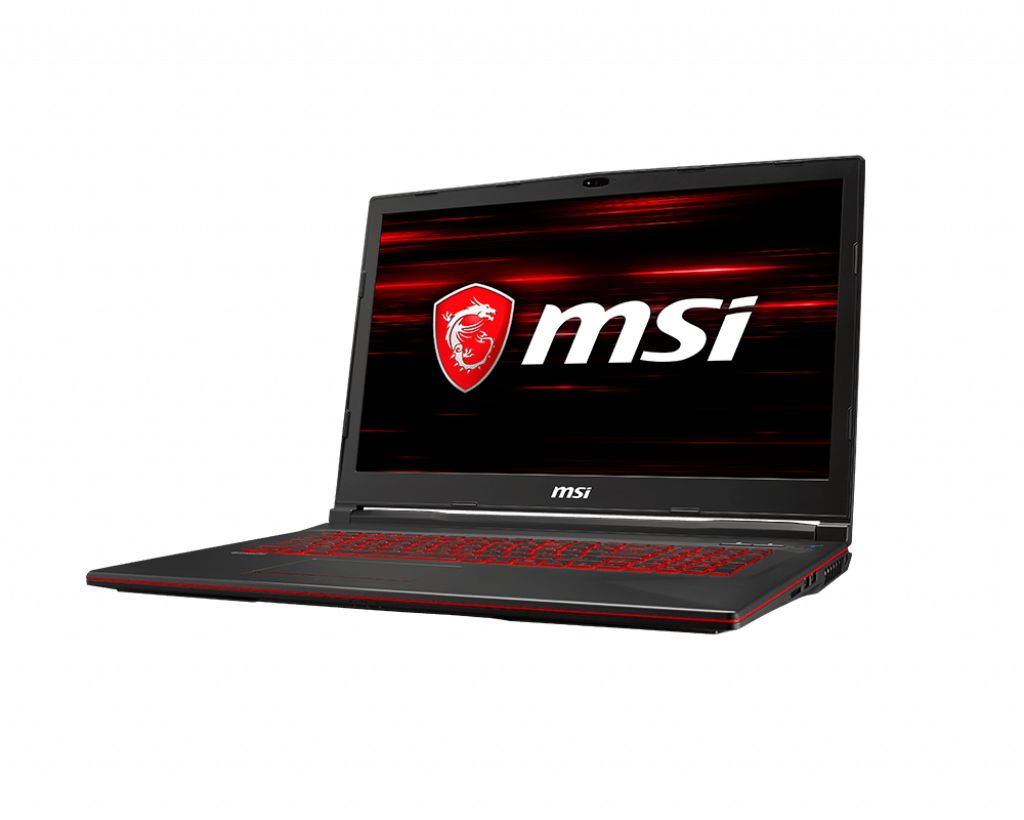
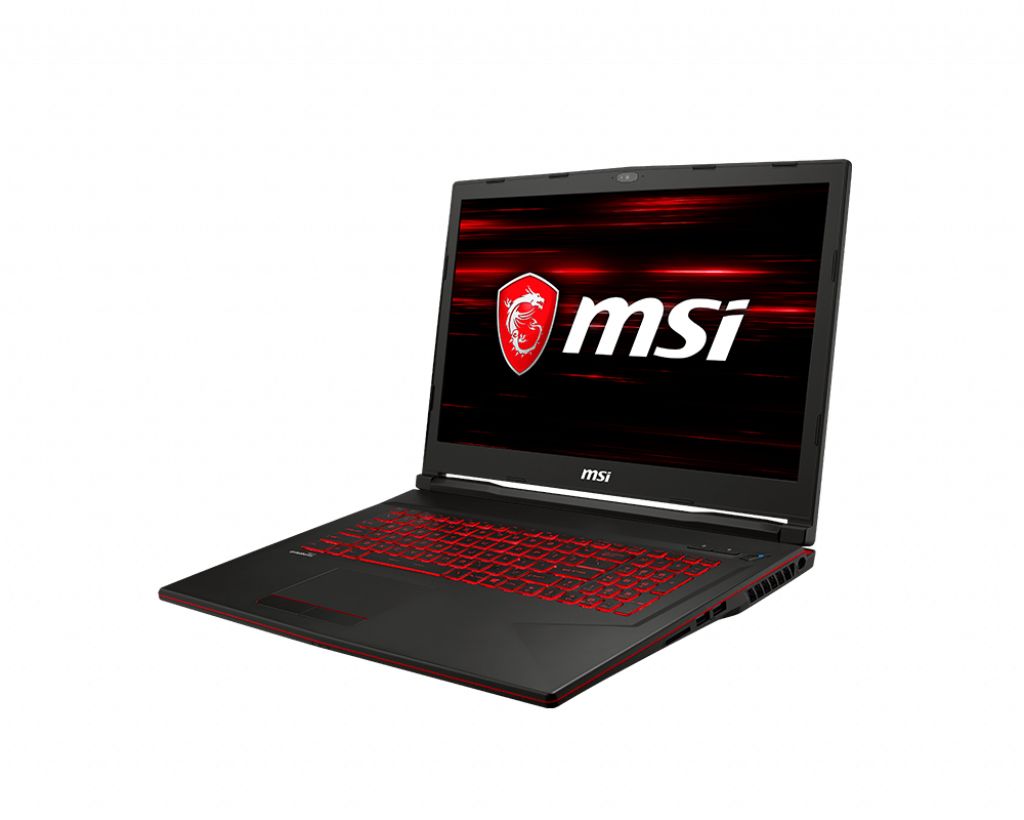
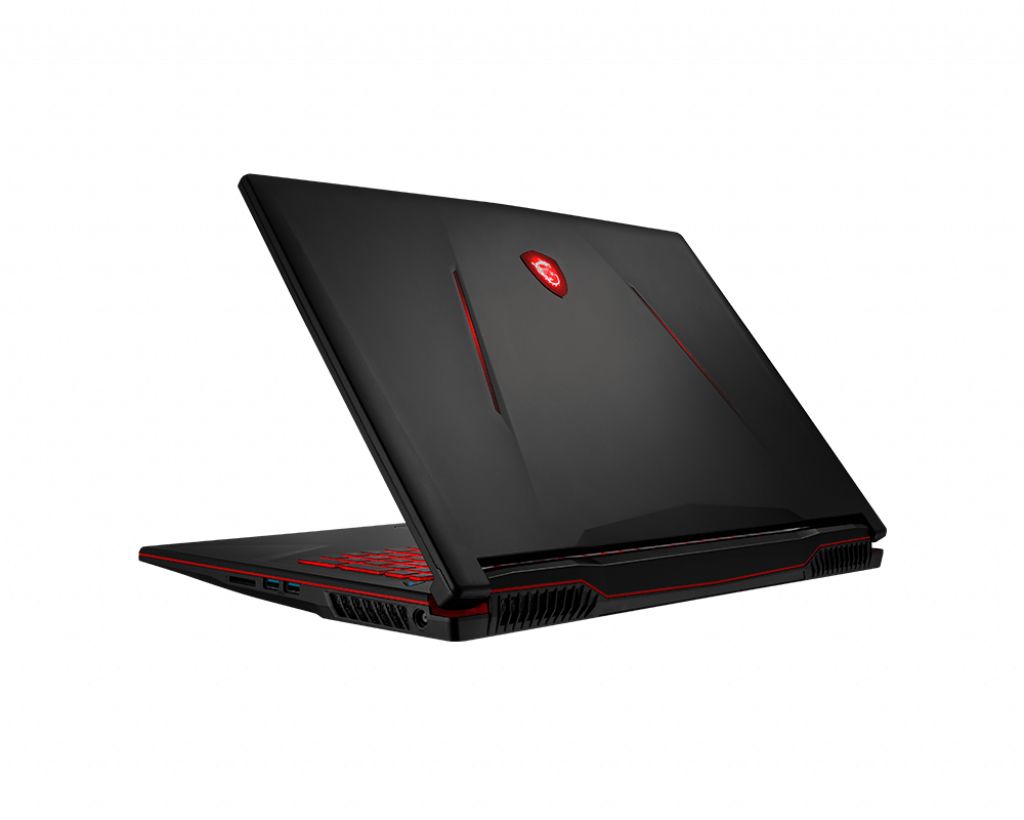

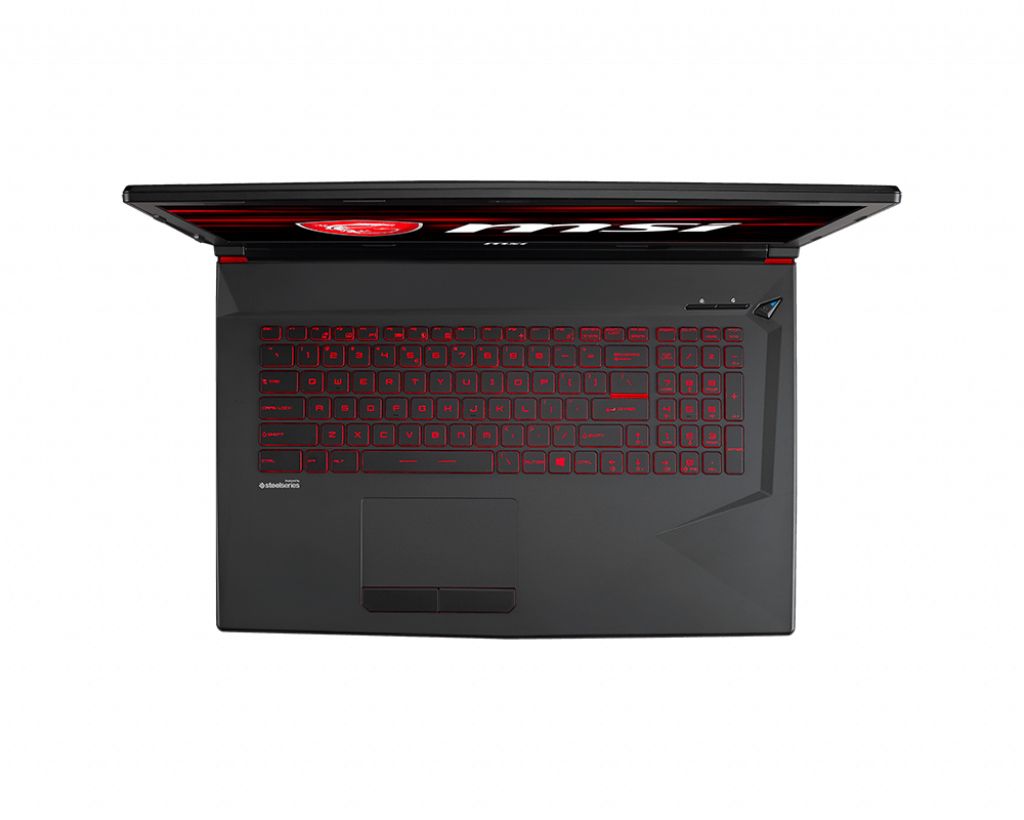
The MSI GL73 8SDK-217RU Gaming series laptop features DDR4-SDRAM memory upgrade specifications with 2x SO-DIMM slots supporting a maximum RAM capacity of 32 GB total. Compatible memory modules operate at 2666 MHz frequency using the SO-DIMM form factor. The upgrade specifications enable users to expand the laptop's memory from its factory configuration to the maximum supported capacity of 32 GB for enhanced multitasking performance and application handling capabilities.
Memory Upgrade Specifications
| Specification | Value |
|---|---|
| Memory slots | 2x SO-DIMM |
| Form factor | SO-DIMM |
| Memory type | DDR4-SDRAM |
| Frequency | 2666 MHz |
| Maximum RAM | 32 GB |
| Voltage | 1.2V |
| Number of pins | 260-pin |
| Interface | PC4 |
| PC Speed Rating | PC4-2666 (PC4-21328) |
| Bandwidth | 21.3 GB/s |
| Laptop Release date | 13 May 2019 |
Additional Notes
- The MSI GL73 8SDK-217RU contains 2 SO-DIMM slots, meaning only paired upgrades are possible; single-module installations will not achieve dual-channel memory performance, resulting in reduced bandwidth efficiency for gaming workloads.
- DDR4-2666 MHz specification indicates the system operates at conservative timing for 8th-generation Intel processors; faster aftermarket DDR4 modules (3000+ MHz) will downclock to 2666 MHz, eliminating any performance gain from premium memory purchases.
- The 32 GB maximum capacity ceiling means both slots must be populated with 16 GB modules to reach the upper limit; single 32 GB modules are incompatible due to SO-DIMM physical constraints and firmware limitations.
- SO-DIMM form factor requires low-profile memory variants; standard full-height memory will not fit within the chassis without risking contact with adjacent components or the display panel when closed.
- Upgrading beyond the original factory configuration may void certain warranty provisions; users should verify the manufacturer's upgrade policy before purchasing replacement or additional modules, as some gaming OEM systems restrict field-serviceable components.
- The 2-slot architecture creates a single point of failure for total system memory; if one module fails, the entire upgrade is lost until replacement occurs, whereas 4-slot systems distribute this risk.