MSI Gaming GL75 10SER-482FR Leopard RAM upgrade specifications
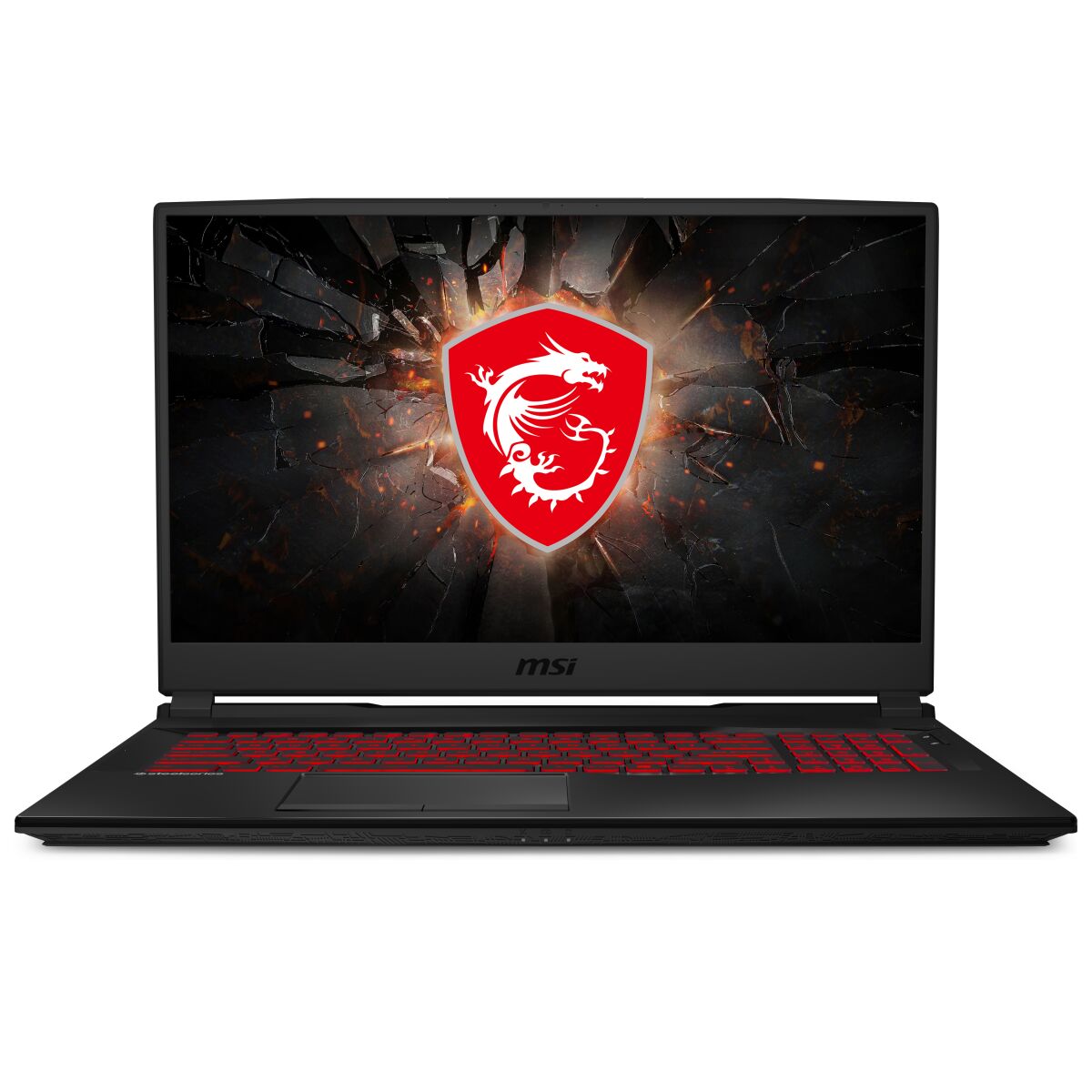
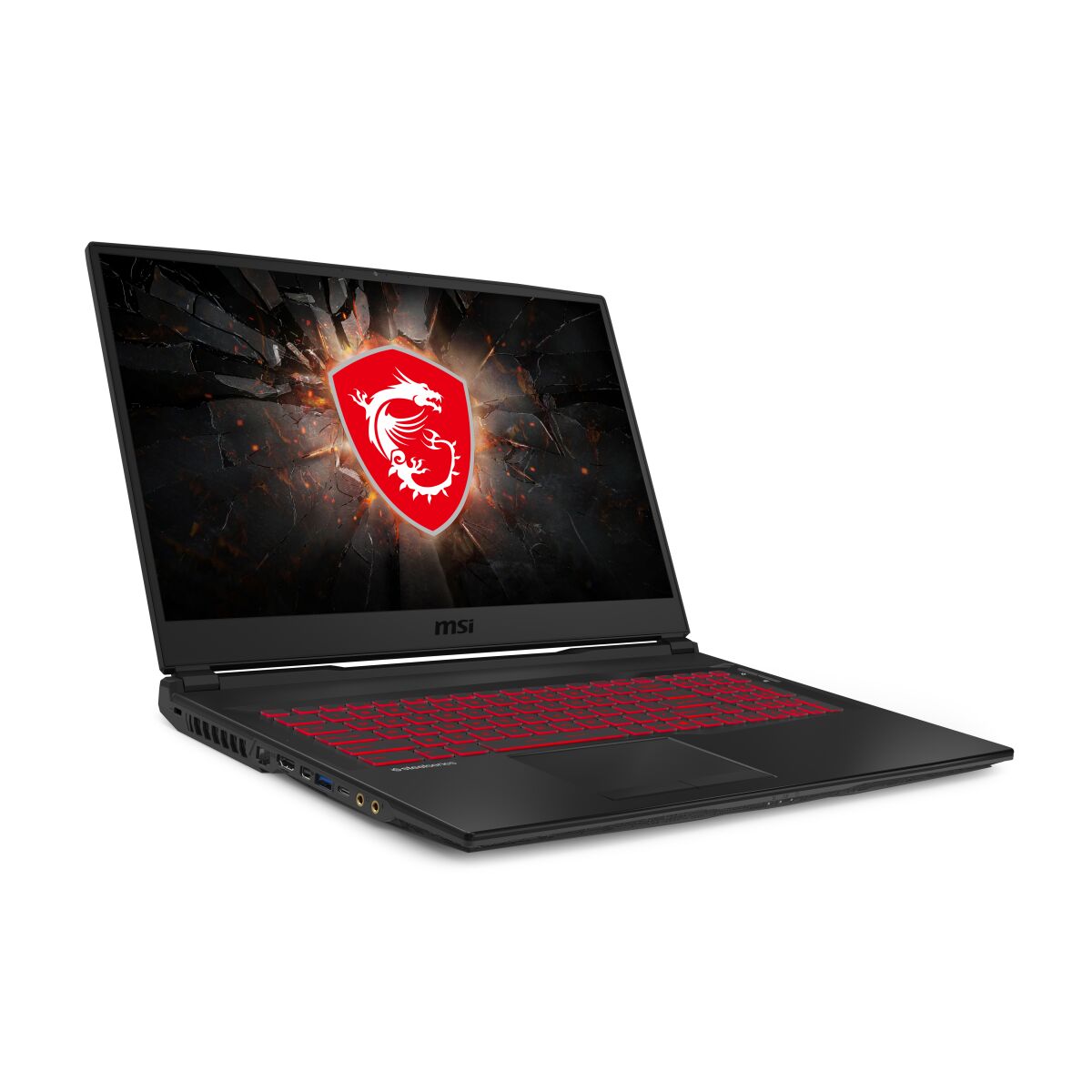
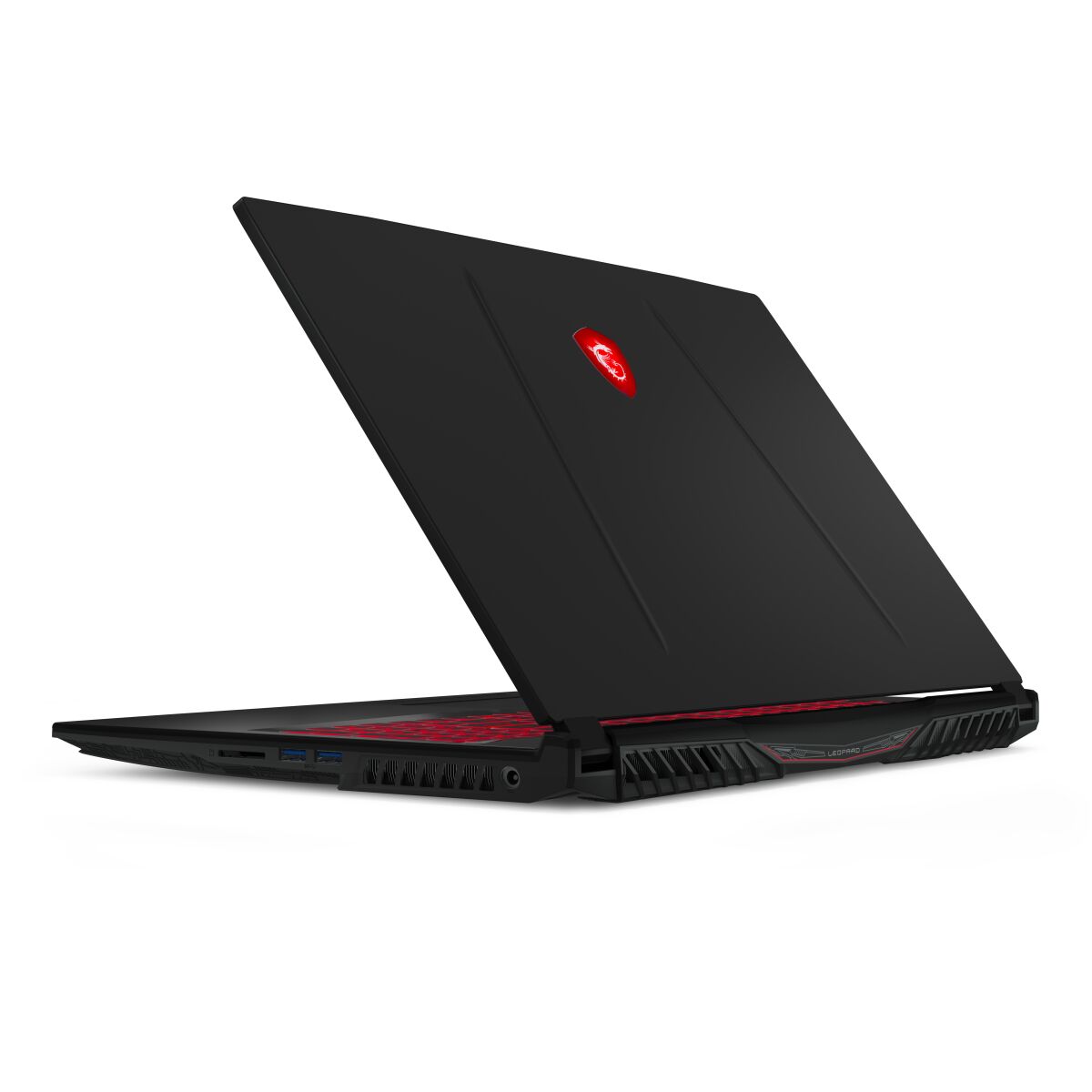
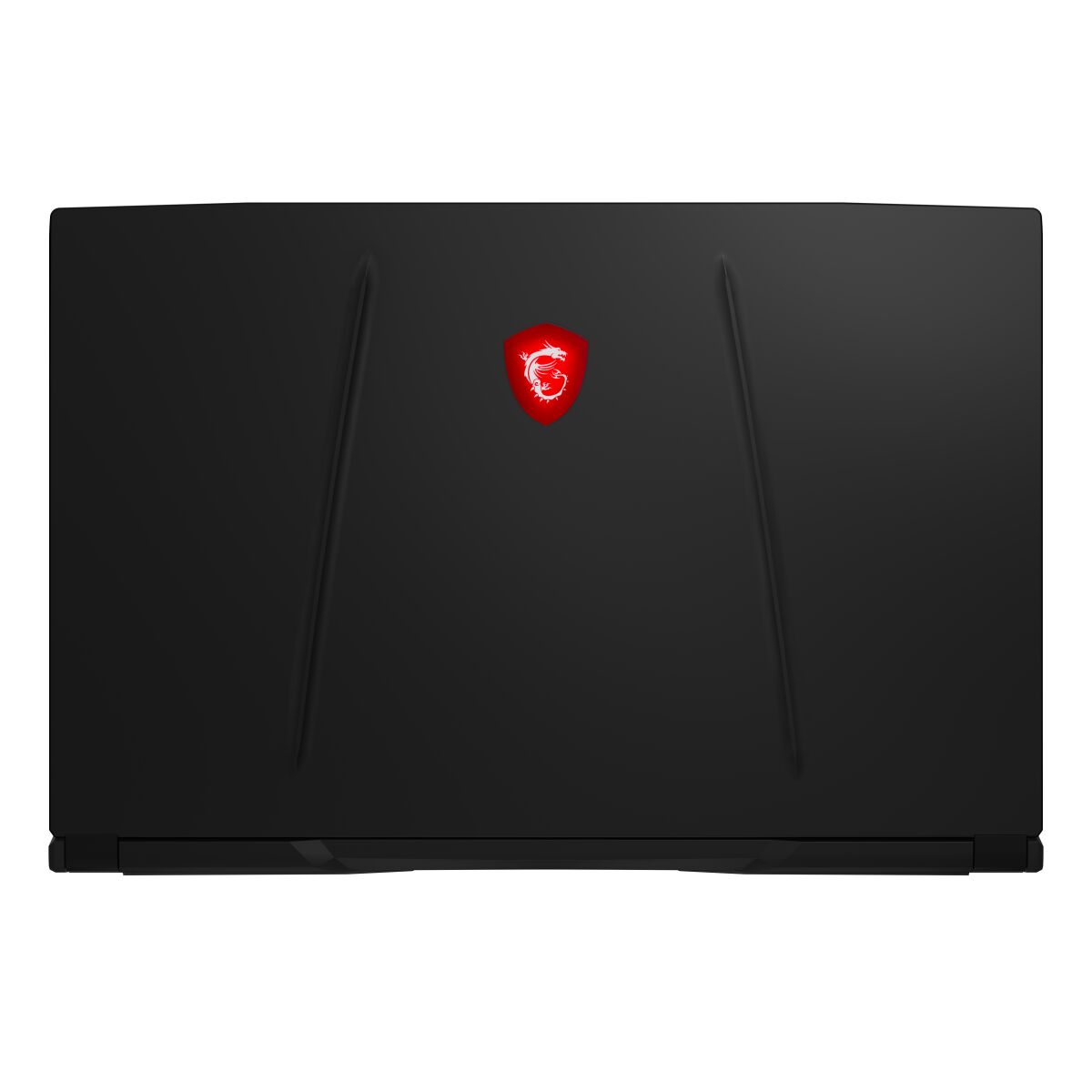
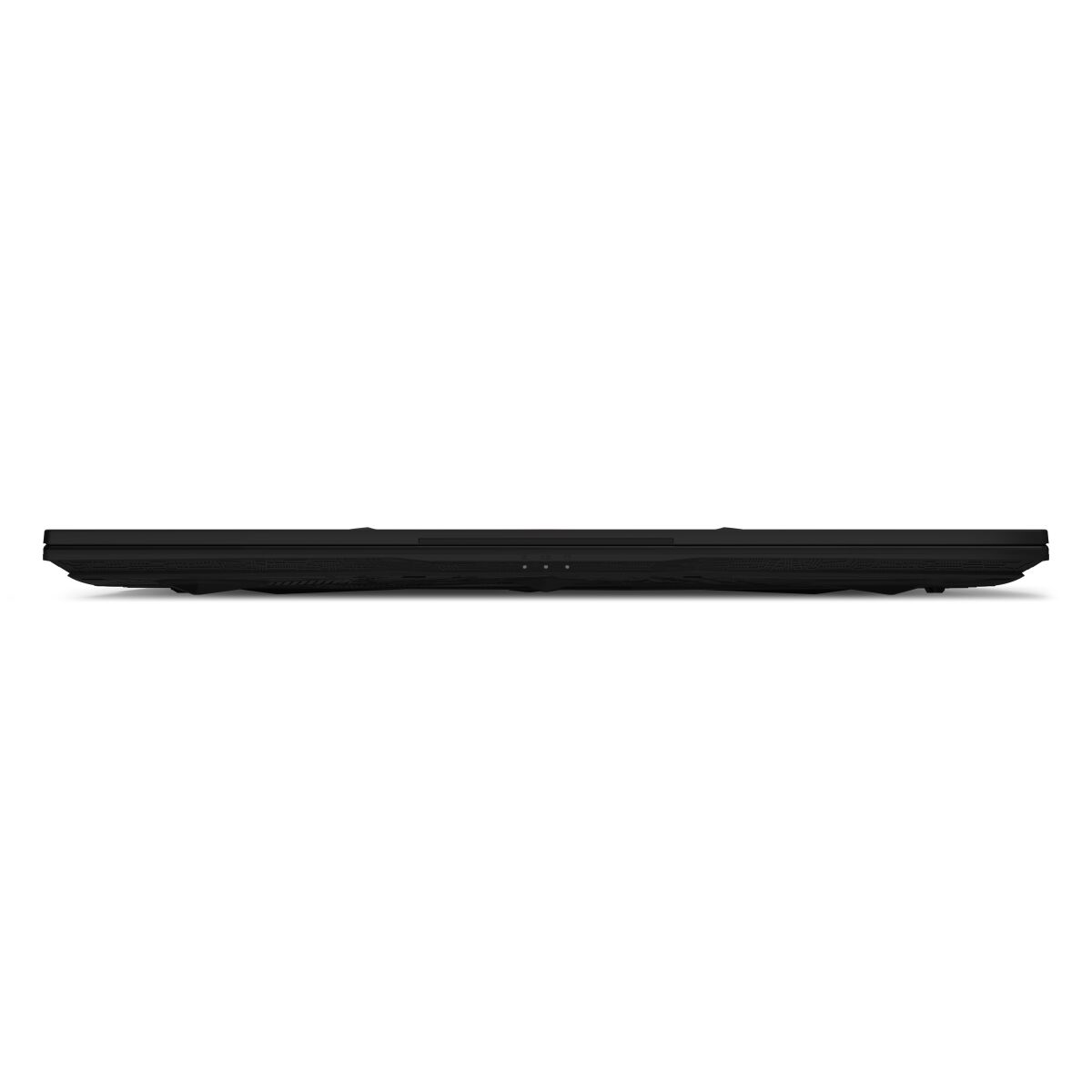
MSI GL75 10SER-482FR Leopard gaming laptop features DDR4-SDRAM memory upgrade capability with 2x SO-DIMM slots supporting maximum capacity of 64 GB RAM. Compatible memory modules operate at 3200 MHz frequency with SO-DIMM form factor. Upgrade specifications enable expansion from standard configuration to enhanced memory capacity for improved multitasking and performance. The GL series gaming platform supports DDR4 memory architecture with dual-slot configuration for flexible RAM upgrades meeting various computing requirements.
Memory Upgrade Specifications
| Specification | Value |
|---|---|
| Memory slots | 2x SO-DIMM |
| Form factor | SO-DIMM |
| Memory type | DDR4-SDRAM |
| Frequency | 3200 MHz |
| Maximum RAM | 64 GB |
| Voltage | 1.2V |
| Number of pins | 260-pin |
| Interface | PC4 |
| PC Speed Rating | PC4-3200 (PC4-25600) |
| Bandwidth | 25.6 GB/s |
| Laptop Release date | 19 September 2020 |
Additional Notes
- The MSI GL75 10SER-482FR Leopard supports 32 GB modules per slot, enabling configurations beyond typical 16 GB single-module limitations found in older gaming laptops.
- Operating at 3200 MHz requires compatible CPU memory controller support, typically Intel 10th generation Core processors, which may downclock modules to 2933 MHz or 2666 MHz if the installed CPU does not support the higher frequency standard.
- Mixing memory modules with different speeds forces the system to operate at the lowest common frequency, potentially underutilizing higher-rated modules.
- Accessing the SO-DIMM slots typically requires removing the bottom panel, which may involve warranty seal removal depending on regional warranty terms.
- Dual-channel configuration requires matched modules in both slots to achieve optimal memory bandwidth, particularly critical for integrated graphics offloading and gaming workloads.
- Non-ECC unbuffered modules are required, as standard consumer laptops reject error-correcting code memory during POST.
- CAS latency variations between CL19, CL20, and CL22 modules at 3200 MHz can create stability issues when mixing brands or timings.
- Power consumption increases with higher capacity configurations, potentially affecting battery runtime during memory-intensive tasks.
- Single-rank versus dual-rank module architecture impacts memory interleaving performance, with dual-rank configurations sometimes providing marginal bandwidth improvements.
- Thermal considerations apply when populating both slots with high-density modules, as SO-DIMM locations near the CPU thermal zone may experience elevated temperatures under sustained load.