MSI Gaming GL75 10SFK-029 Leopard RAM upgrade specifications
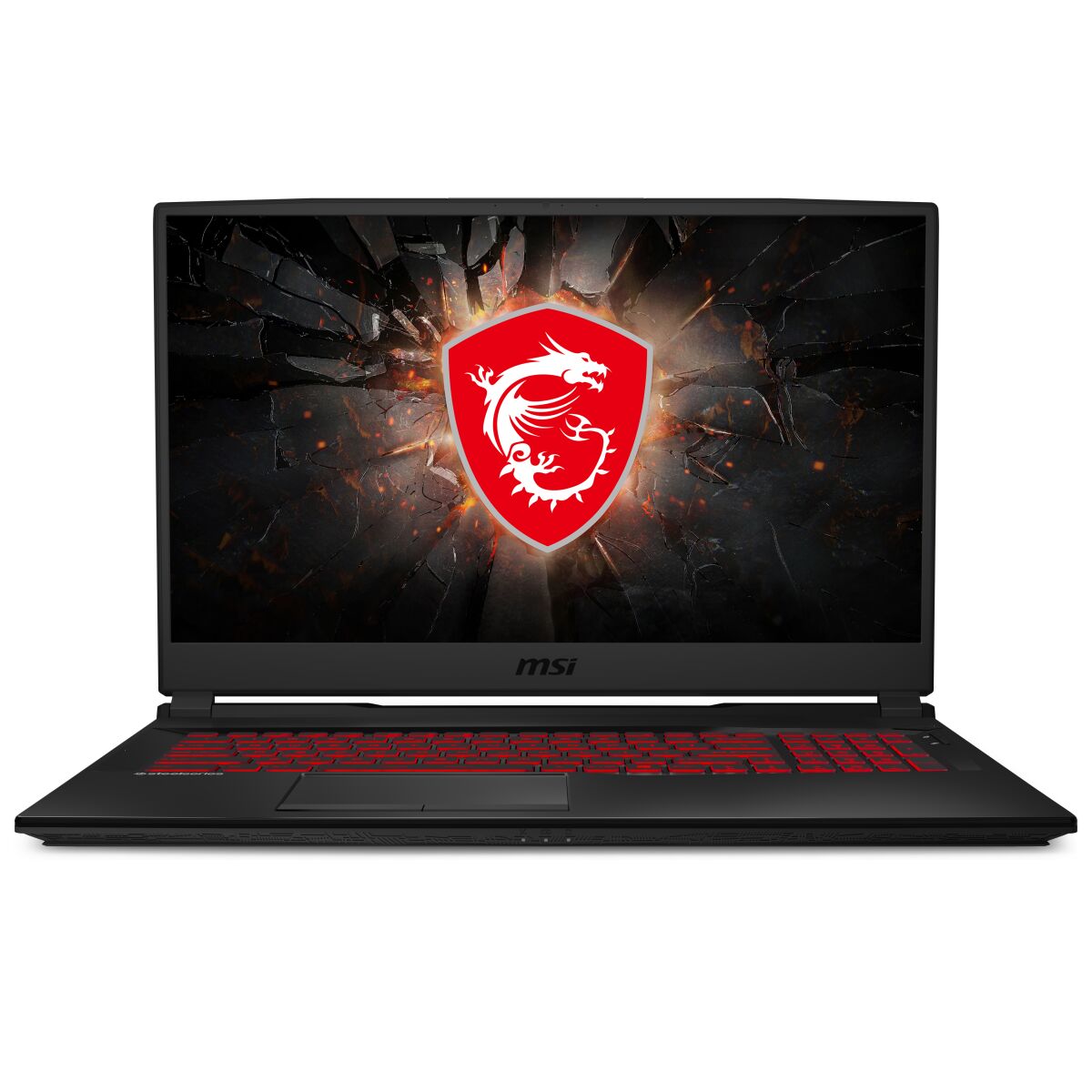

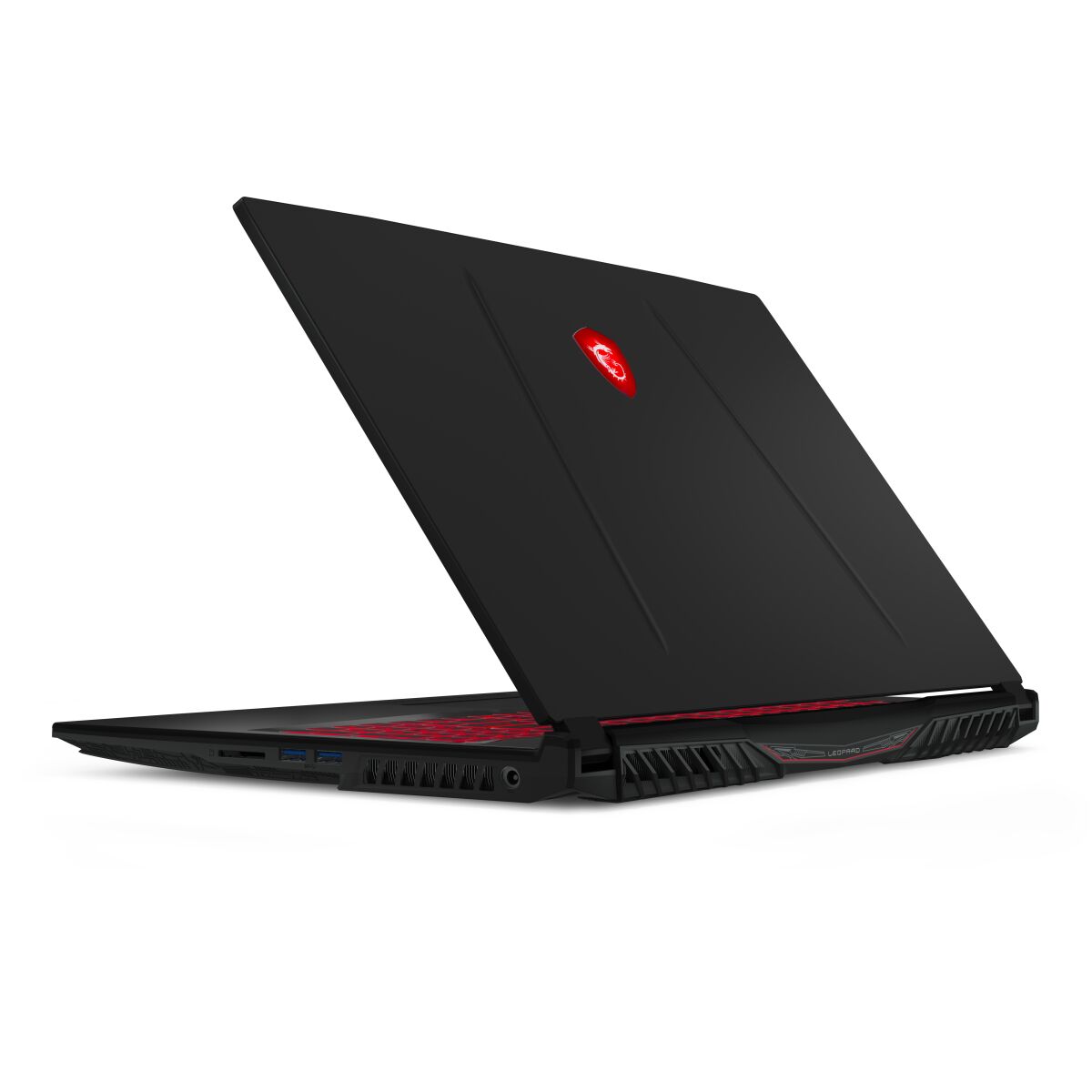
MSI GL75 10SFK-029 Leopard gaming laptop memory upgrade specifications include two SO-DIMM slots supporting DDR4-SDRAM at 2666 MHz frequency. The laptop accommodates maximum RAM capacity of 64 GB total, providing expandable upgrade options for enhanced multitasking and performance. Compatible memory modules must match the SO-DIMM form factor and DDR4 specifications to ensure proper functionality with the GL series gaming platform.
Memory Upgrade Specifications
| Specification | Value |
|---|---|
| Memory slots | 2x SO-DIMM |
| Form factor | SO-DIMM |
| Memory type | DDR4-SDRAM |
| Frequency | 2666 MHz |
| Maximum RAM | 64 GB |
| Voltage | 1.2V |
| Number of pins | 260-pin |
| Interface | PC4 |
| PC Speed Rating | PC4-2666 (PC4-21328) |
| Bandwidth | 21.3 GB/s |
| Laptop Release date | 29 May 2020 |
Additional Notes
- The 2666 MHz frequency specification reflects JEDEC DDR4 standards rather than maximum capability, as the Intel 10th generation platform supports up to 2933 MHz SO-DIMM modules that will automatically downclock to match the system's validated speed.
- Dual SO-DIMM configuration requires matched pair installation to activate dual-channel mode, which doubles memory bandwidth from 21.3 GB/s to 42.6 GB/s for integrated graphics operations and system responsiveness.
- The 64 GB maximum capacity indicates support for 32 GB density modules per slot, which requires Rank 2 (dual-rank) architecture that may introduce minor latency increases compared to single-rank modules at lower capacities.
- SO-DIMM physical access on the MSI GL75 10SFK-029 Leopard typically requires bottom panel removal, where magnetic screws and ribbon cable proximity demand careful handling to avoid warranty complications from physical damage.
- Mixing different capacity modules between slots remains functional but forces the controller to operate in asymmetric or flex mode, reducing performance compared to identical module pairing in size, speed, and timing parameters.
- Memory voltage for this DDR4 generation operates at standard 1.2V specification, making XMP or overclocked modules incompatible as mobile BIOS implementations lack voltage adjustment controls found in desktop systems.
- The absence of ECC support in consumer SO-DIMM configurations means error correction remains unavailable regardless of module specifications, limiting mission-critical application deployment.
- Thermal constraints within the 17-inch chassis design may throttle sustained memory-intensive workloads differently than desktop equivalents, particularly affecting the left-side slot positioned near heat pipe routing.