MSI Gaming GL75 10SFK-457FR Leopard RAM upgrade specifications
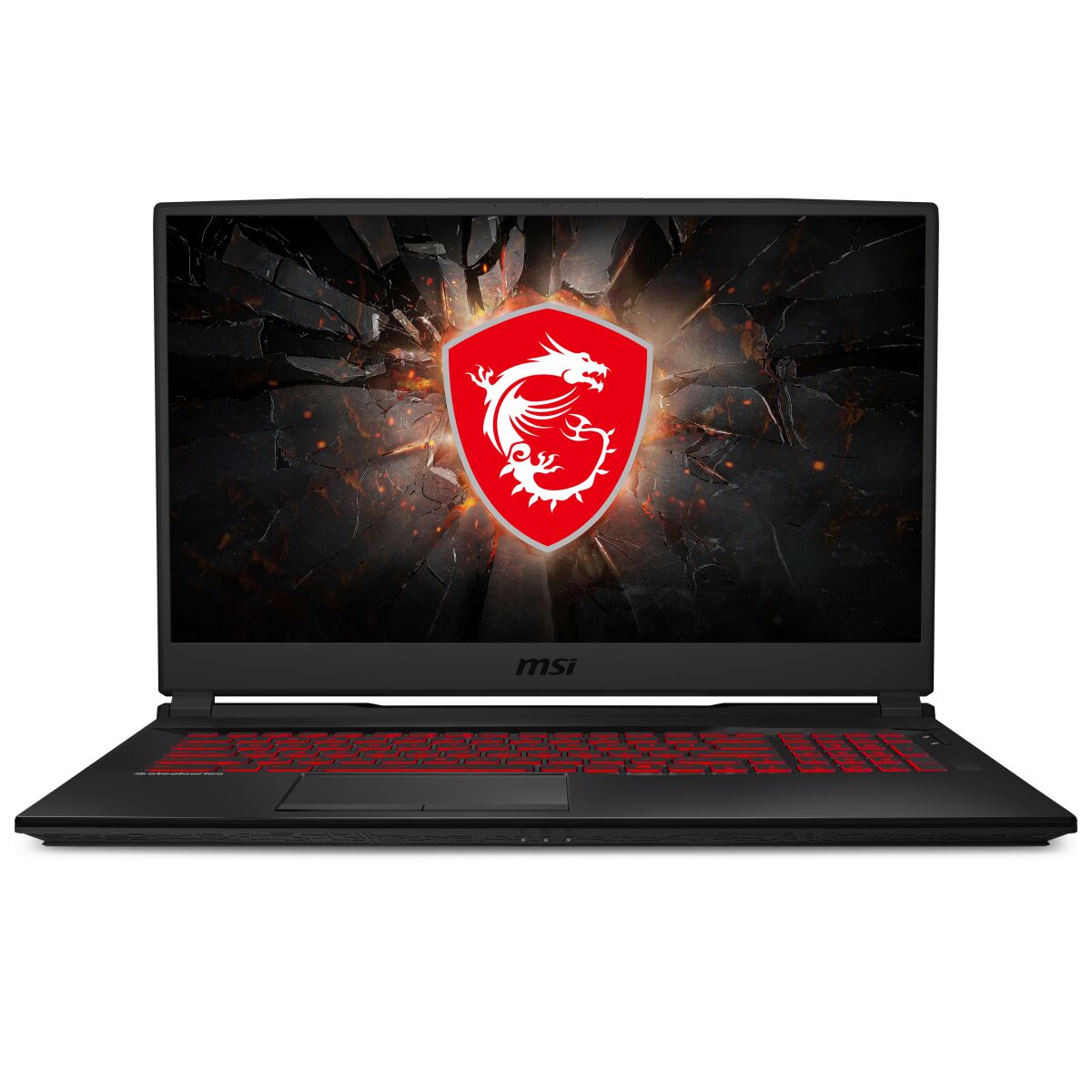
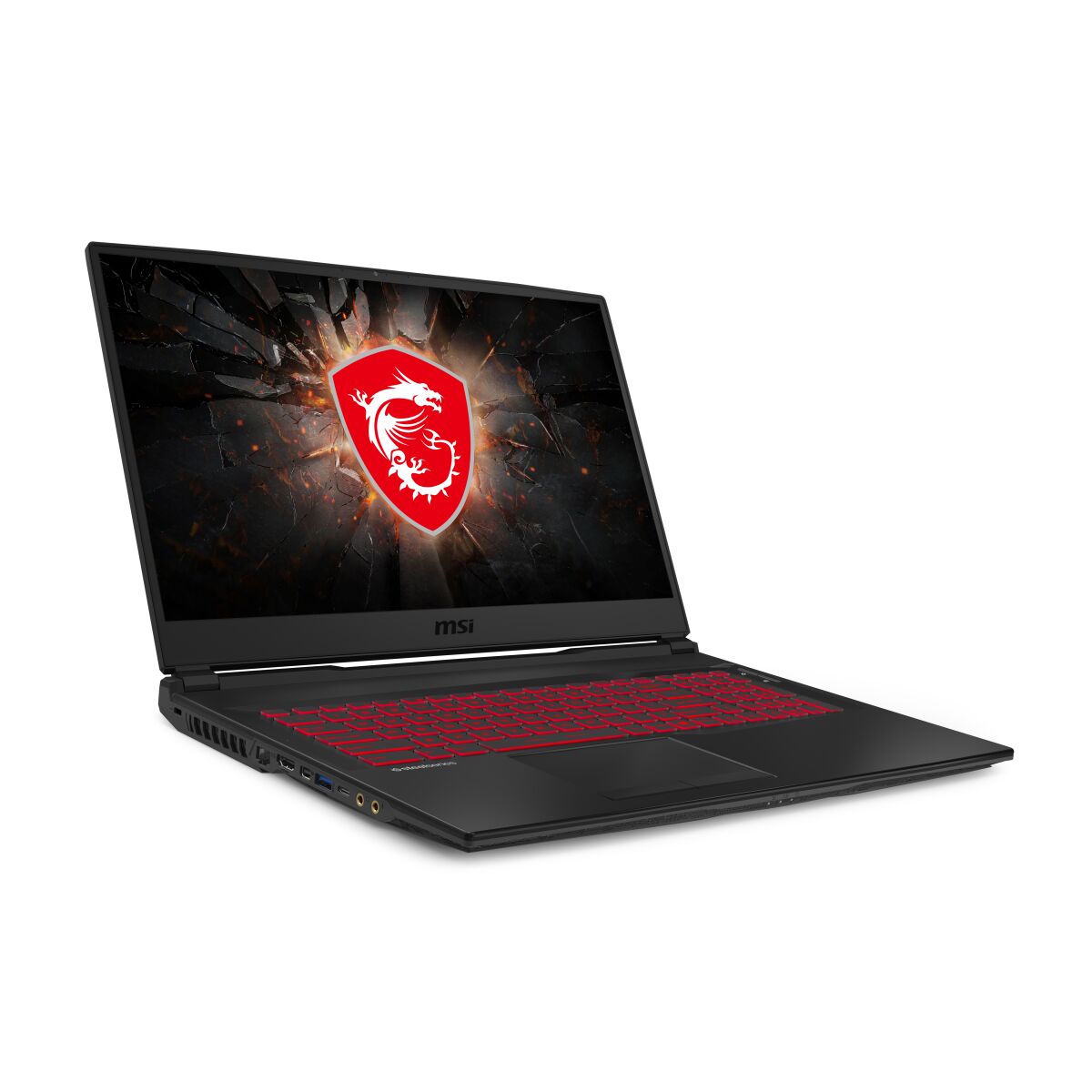
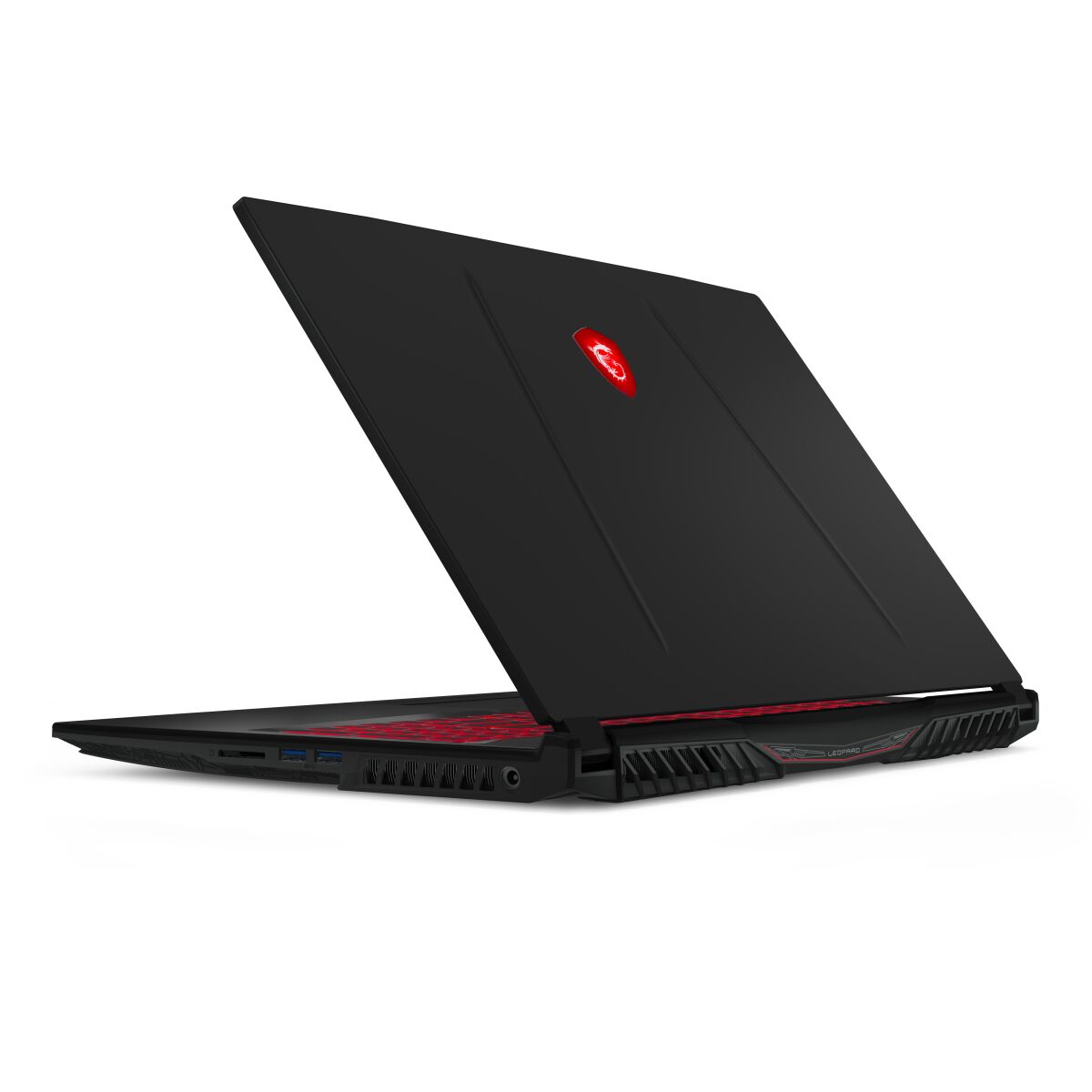
The MSI GL75 10SFK-457FR Leopard gaming laptop features DDR4-SDRAM memory upgrade specifications with 2x SO-DIMM slots. Maximum compatible RAM capacity reaches 64 GB total. Memory operates at 3200 MHz frequency. The SO-DIMM form factor provides the physical specifications for compatible memory modules. Upgrade options support DDR4 technology across both available slots. Current configurations determine maximum expandable capacity within the specified 64 GB limitation. The GL series gaming notebook accommodates DDR4 memory upgrades meeting these technical requirements.
Memory Upgrade Specifications
| Specification | Value |
|---|---|
| Memory slots | 2x SO-DIMM |
| Form factor | SO-DIMM |
| Memory type | DDR4-SDRAM |
| Frequency | 3200 MHz |
| Maximum RAM | 64 GB |
| Voltage | 1.2V |
| Number of pins | 260-pin |
| Interface | PC4 |
| PC Speed Rating | PC4-3200 (PC4-25600) |
| Bandwidth | 25.6 GB/s |
| Laptop Release date | 17 December 2020 |
Additional Notes
- The MSI GL75 10SFK-457FR Leopard uses a laptop-class SO-DIMM form factor rather than full-size DIMM modules, restricting upgrade sources to mobile-specific memory products and eliminating desktop RAM compatibility.
- DDR4-3200 specification indicates the system controller supports speeds up to 3200 MHz, yet actual performance gains from faster modules (3600 MHz or higher) will be negligible due to the 10th-generation Intel processor's memory controller design constraints and the integrated graphics memory bandwidth saturation point.
- The 64 GB maximum capacity requires both SO-DIMM slots to be populated with 32 GB modules each, a configuration that may not be compatible with original equipment modules if the factory configuration contains smaller capacity sticks; replacing a single stick could leave functional density below the theoretical maximum.
- Adding memory beyond the original equipment configuration may void thermal management design assumptions, as the additional power draw and heat dissipation from fully populated high-capacity modules could affect fan curves and internal temperature distribution, particularly during sustained gaming workloads.
- Latency specifications for DDR4-3200 modules vary between manufacturers (typically CAS 16 to CAS 22), and mixing different latency ratings in dual-channel configuration will force the system to operate at the higher latency value, reducing memory throughput efficiency below either module's individual capability.