MSI Gaming GL75 10SER-637IT Leopard RAM upgrade specifications
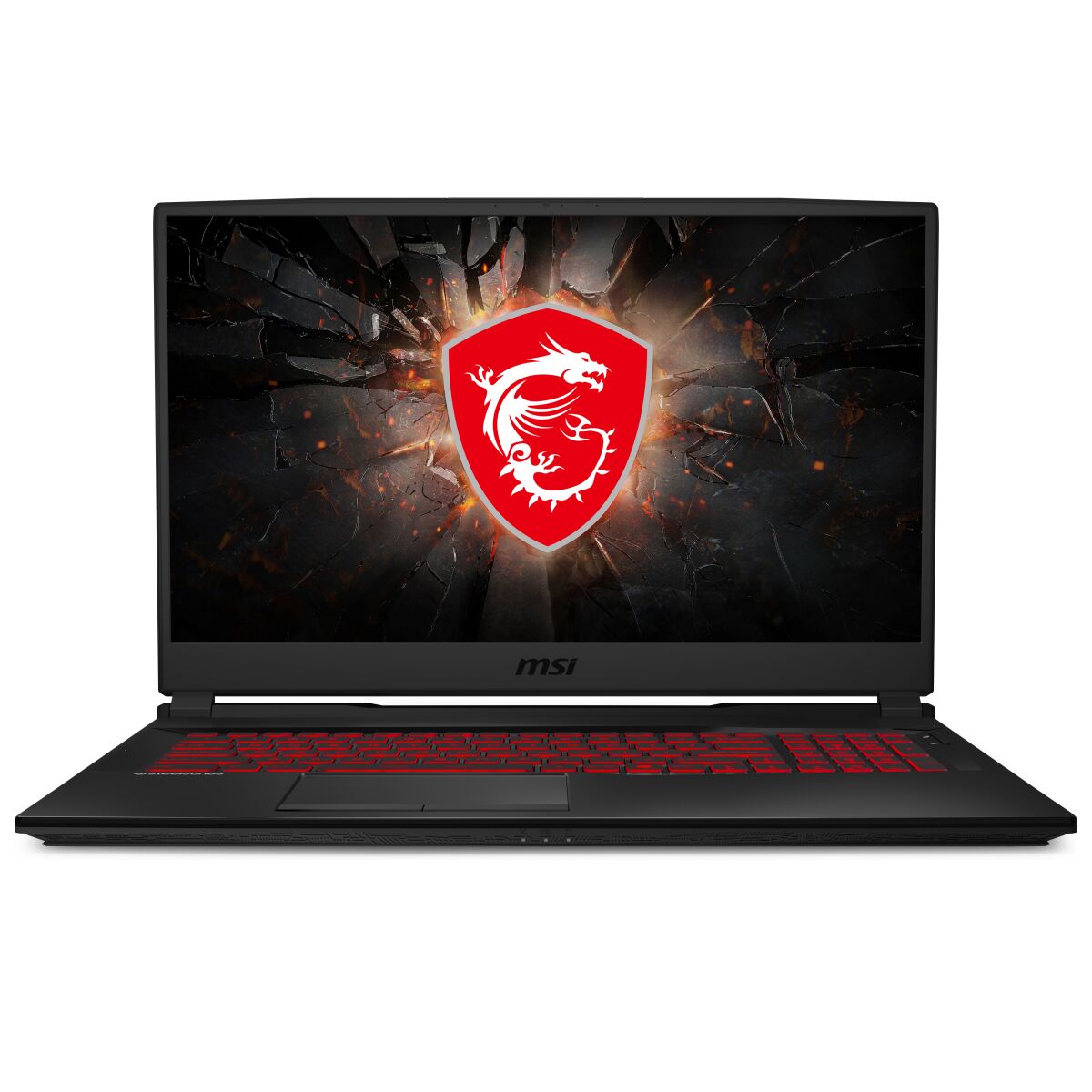
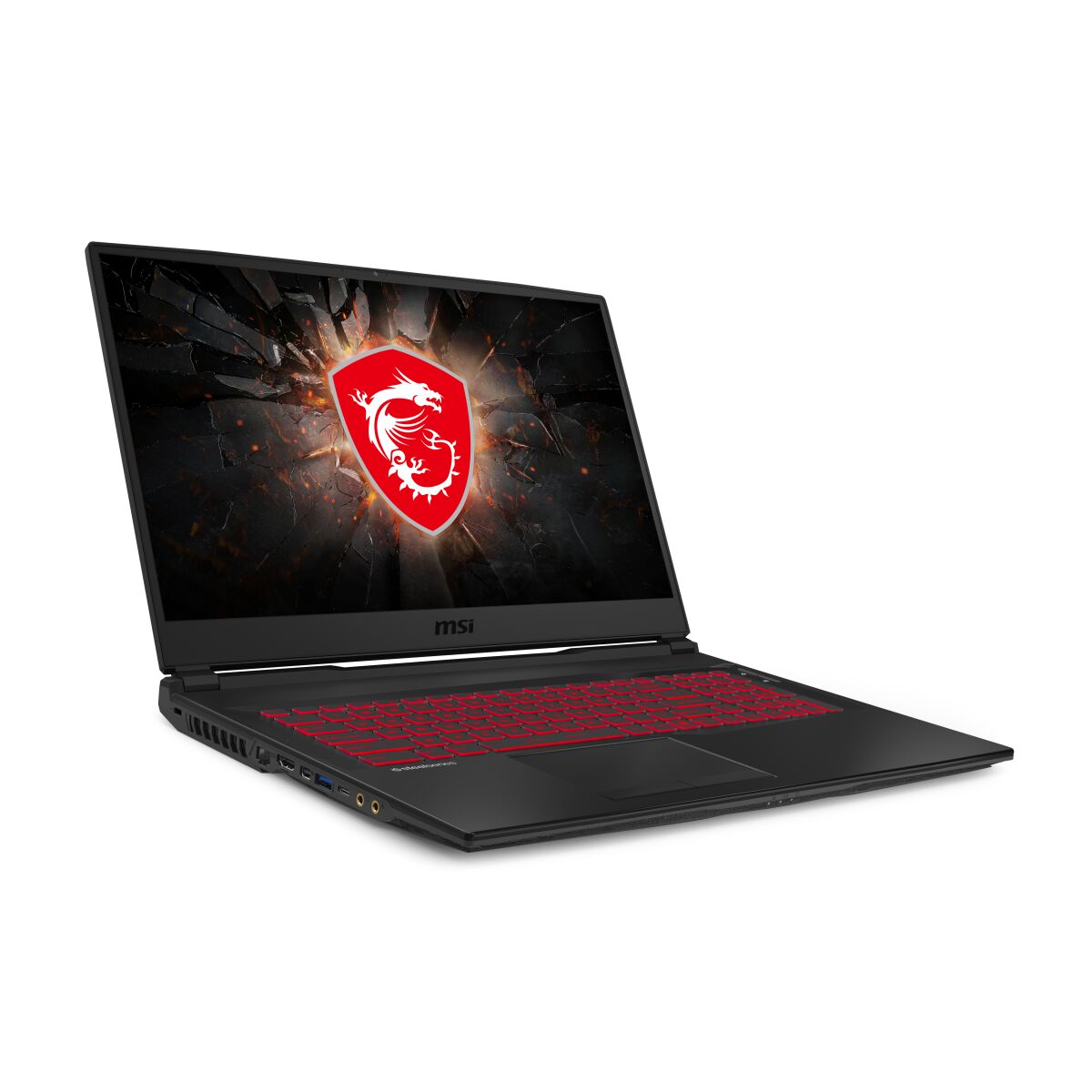
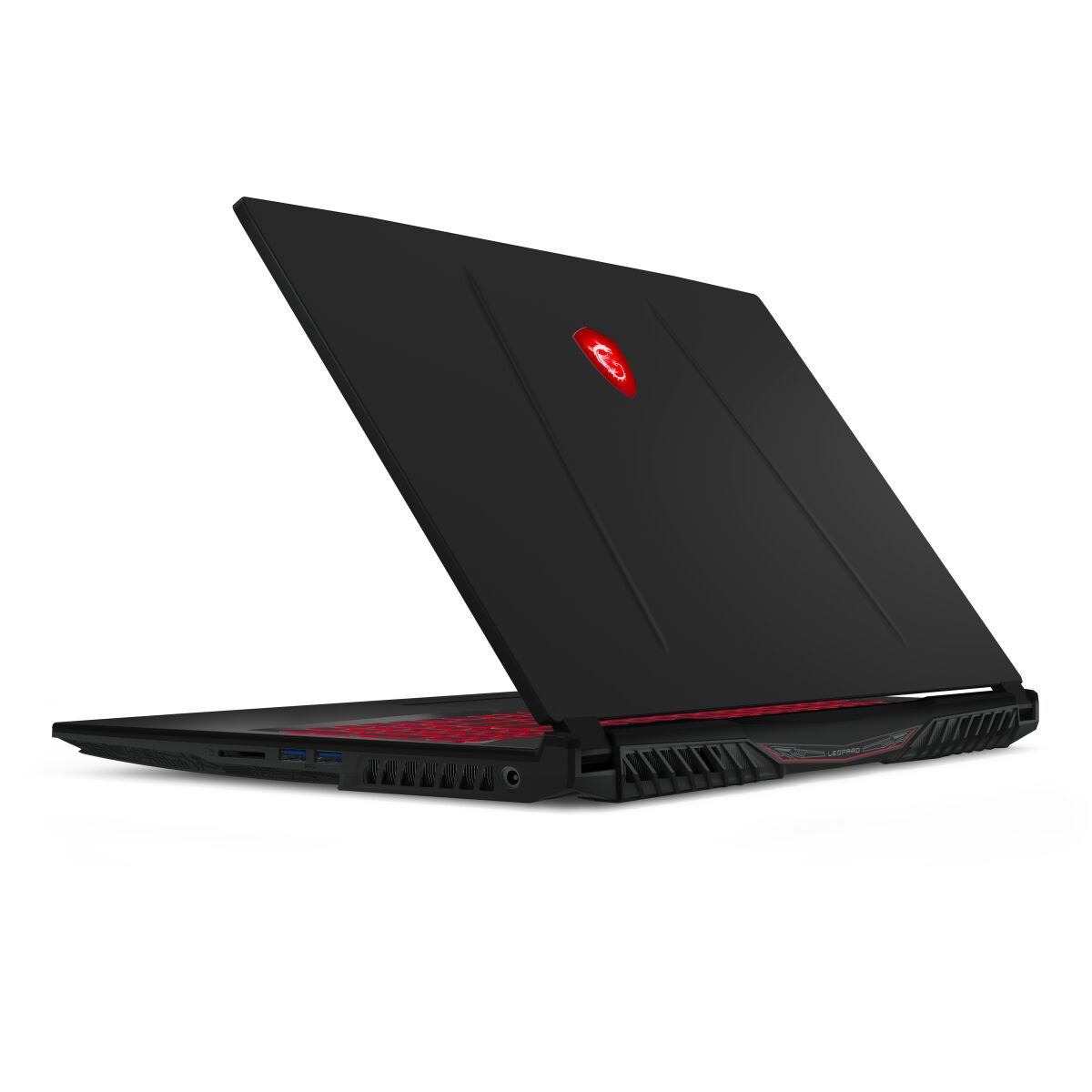
MSI GL75 10SER-637IT Leopard gaming laptop supports DDR4-SDRAM memory upgrade through 2x SO-DIMM slots. Maximum RAM capacity reaches 64 GB total, with compatible modules operating at 3200 MHz frequency. The SO-DIMM form factor specifications define the physical upgrade requirements for this MSI Gaming GL series model. Memory expansion enables enhanced multitasking and performance capabilities within the laptop's supported specifications.
Memory Upgrade Specifications
| Specification | Value |
|---|---|
| Memory slots | 2x SO-DIMM |
| Form factor | SO-DIMM |
| Memory type | DDR4-SDRAM |
| Frequency | 3200 MHz |
| Maximum RAM | 64 GB |
| Voltage | 1.2V |
| Number of pins | 260-pin |
| Interface | PC4 |
| PC Speed Rating | PC4-3200 (PC4-25600) |
| Bandwidth | 25.6 GB/s |
| Laptop Release date | 01 February 2021 |
Additional Notes
- The MSI GL75 10SER-637IT Leopard accepts exclusively SO-DIMM modules, preventing installation of standard desktop DIMM memory sticks due to incompatible physical dimensions and pin configurations.
- DDR4-SDRAM architecture requires voltage levels between 1.2V and 1.35V, making older DDR3 modules electrically incompatible regardless of physical form factor matching.
- 3200 MHz specification indicates support for dual-channel bandwidth up to 51.2 GB/s theoretical throughput when both slots operate in paired configuration with identical modules.
- Maximum capacity of 64 GB constrains each slot to 32 GB modules, establishing a hard limit for memory-intensive applications like virtual machines or large dataset processing.
- Mixing different frequency modules forces all installed memory to downclock to the slowest module's speed, potentially underutilizing the 3200 MHz capability.
- Two-slot configuration offers no expansion headroom beyond initial dual-module installation, requiring complete replacement of existing modules for capacity upgrades.
- Non-ECC memory architecture typical of this configuration prioritizes performance over error correction, making the system unsuitable for mission-critical applications requiring data integrity validation.
- Single-rank versus dual-rank module selection affects memory interleaving efficiency, with dual-rank configurations potentially offering 5-10% performance gains in bandwidth-sensitive workloads.
- Aftermarket memory installation typically preserves manufacturer warranty provided modules meet JEDEC specifications, though verification of specific warranty terms remains advisable.
- CAS latency timing variations at 3200 MHz affect real-world performance, with CL16 modules delivering approximately 10ns baseline latency versus 12.5ns for CL20 alternatives.