MSI Gaming GL75 9SD-004CA RAM upgrade specifications
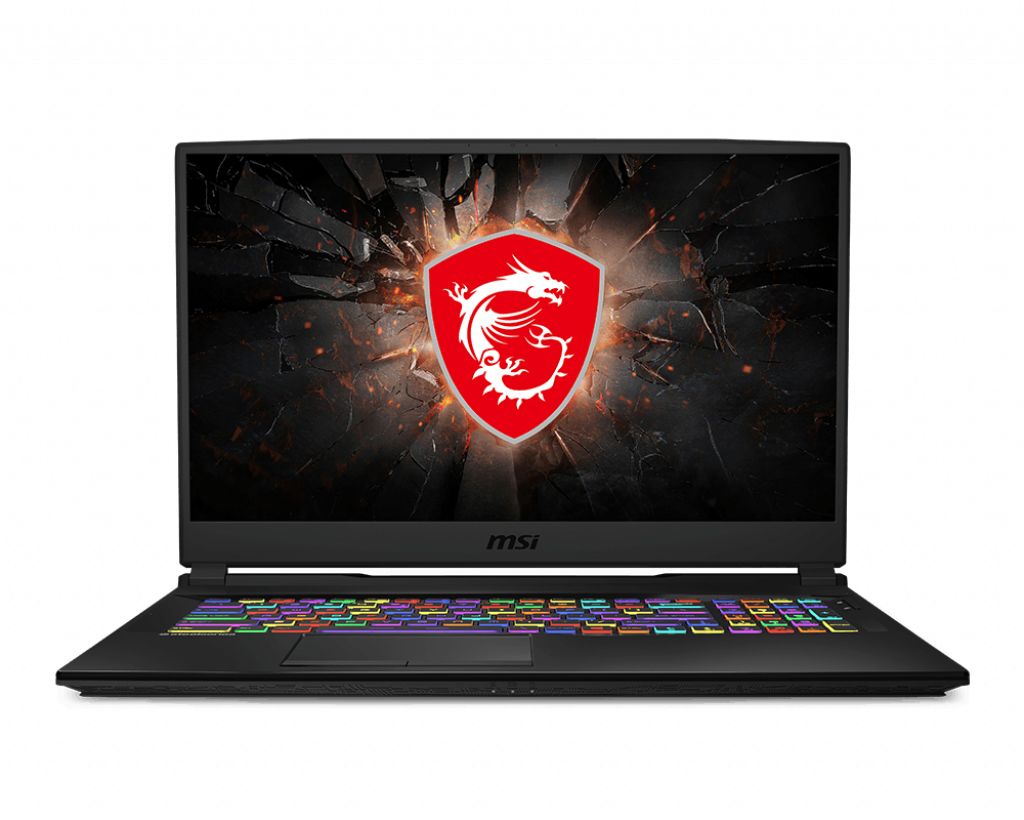
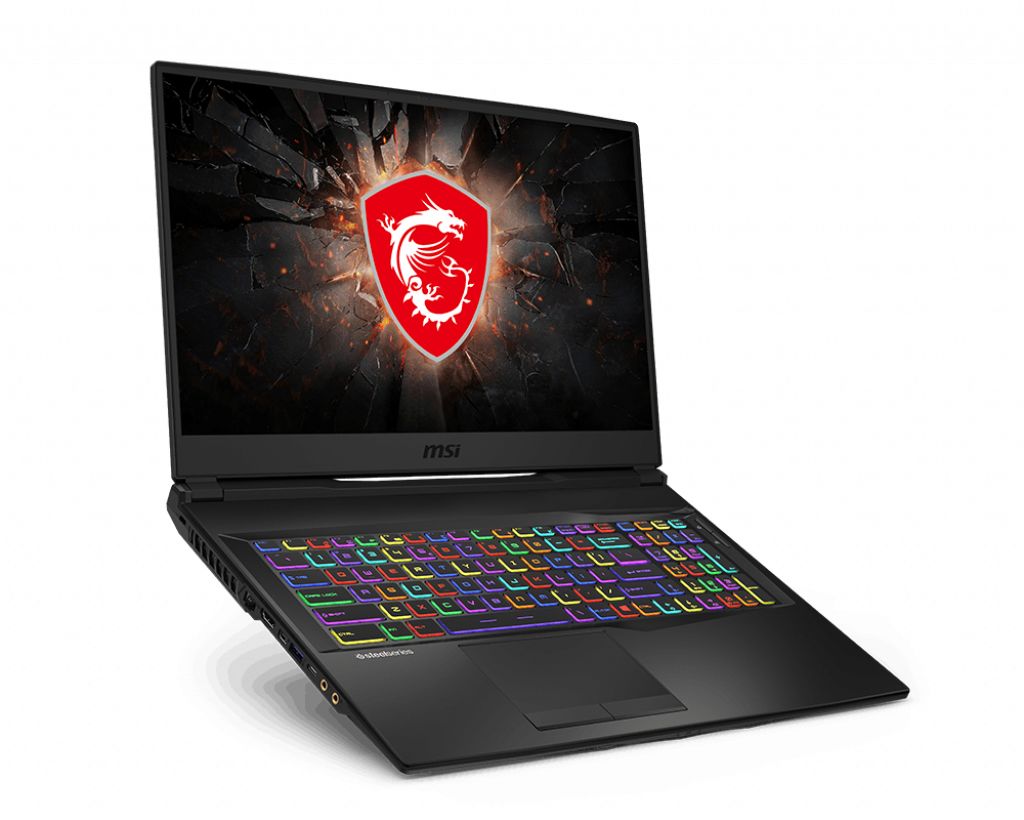
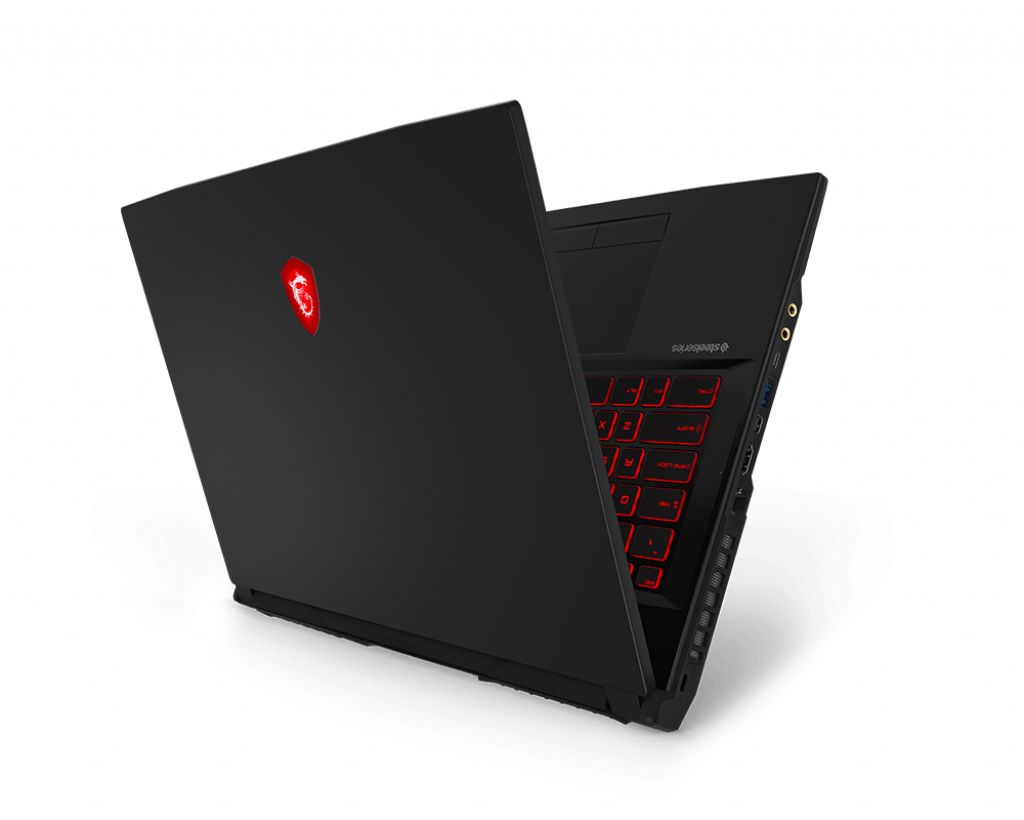
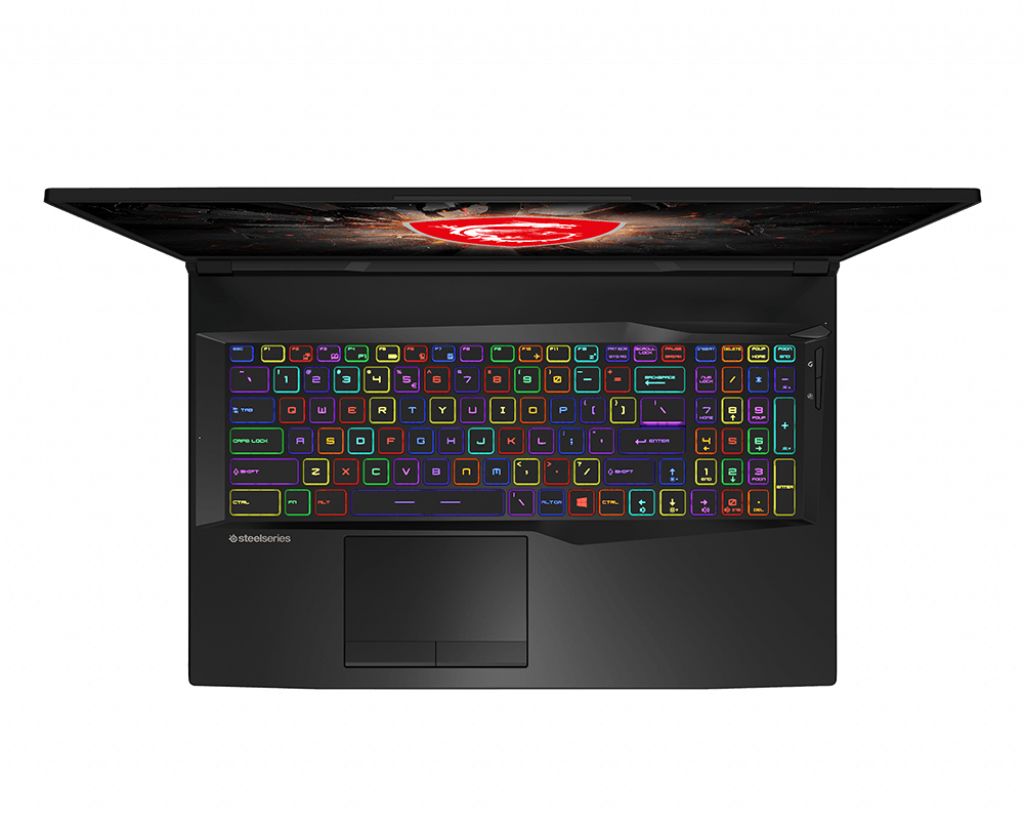
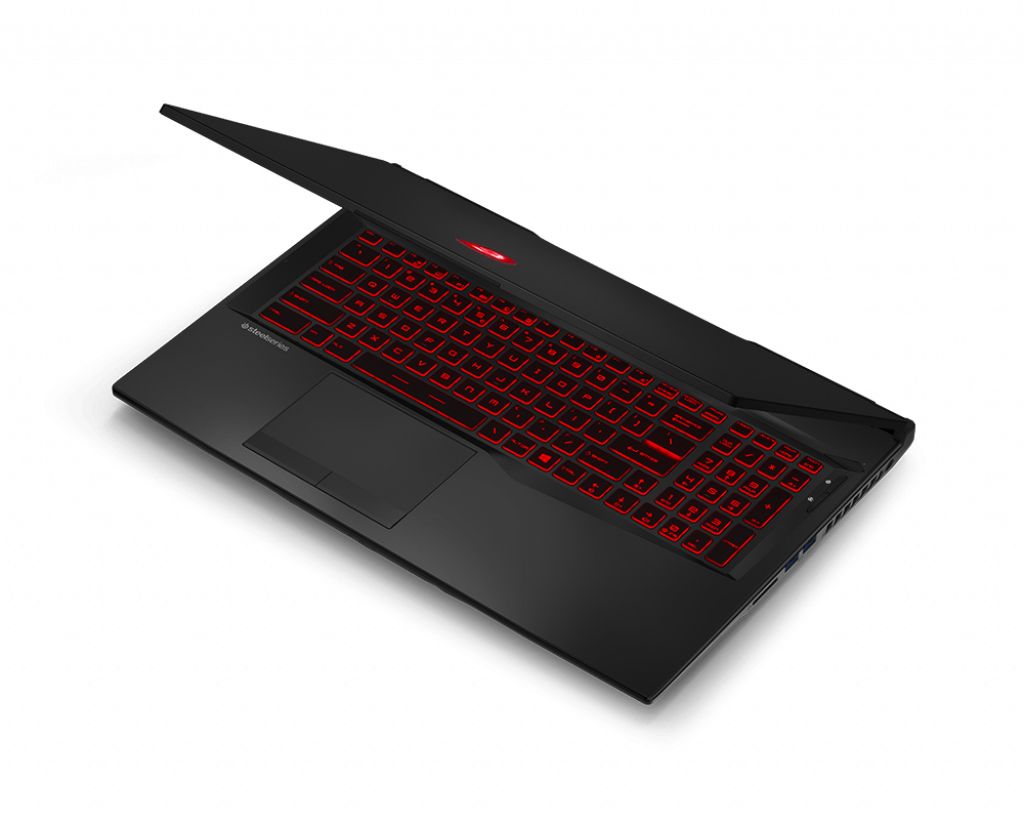
MSI GL75 9SD-004CA gaming laptop supports DDR4-SDRAM memory upgrades through 2x SO-DIMM slots. Maximum RAM capacity reaches 64 GB total. Compatible memory operates at 2666 MHz frequency. Upgrade specifications enable users to enhance system performance by installing higher-capacity SO-DIMM modules to support demanding gaming and multitasking requirements. Current configuration supports expansion within DDR4 standard specifications.
Memory Upgrade Specifications
| Specification | Value |
|---|---|
| Memory slots | 2x SO-DIMM |
| Form factor | SO-DIMM |
| Memory type | DDR4-SDRAM |
| Frequency | 2666 MHz |
| Maximum RAM | 64 GB |
| Voltage | 1.2V |
| Number of pins | 260-pin |
| Interface | PC4 |
| PC Speed Rating | PC4-2666 (PC4-21328) |
| Bandwidth | 21.3 GB/s |
| Laptop Release date | 07 July 2019 |
Additional Notes
- The MSI GL75 9SD-004CA contains 2 SO-DIMM slots with a 64 GB ceiling, meaning maximum single-module capacity per slot is 32 GB. Current-generation DDR4 modules rated at 32 GB SO-DIMM exist but remain less common in retail channels than 16 GB variants, affecting availability and pricing for full-capacity upgrades.
- The 2666 MHz specification indicates this platform operates on DDR4-2666 native support. Installing higher-frequency modules (3000 MHz, 3200 MHz) will downclock automatically to 2666 MHz without performance gain, though backward compatibility remains assured. No BIOS configuration unlocks overclocking capability in this consumer gaming segment.
- SO-DIMM form factor requires laptop-specific modules; desktop DDR4 UDIMM sticks are physically incompatible and cannot be force-fitted without component damage. Sourcing must be restricted to laptop memory suppliers to avoid purchasing incorrect form factors.
- Dual-slot architecture creates a bandwidth constraint if both slots are populated with modules of unequal capacity or speed rating. Matched pairs rated identically to the motherboard specification (2666 MHz) prevent latency irregularities and JEDEC compliance issues that arise from mixed configurations.
- The 2-slot limitation means upgrade scaling stops at 64 GB total; expansion beyond this threshold is impossible without replacing existing modules entirely. Planning for future memory demands requires purchasing maximum-capacity modules during initial upgrade to avoid intermediate replacement cycles.
- Thermal management inside the chassis may be affected by higher-density modules, which can generate marginally more heat during sustained workloads. Laptop cooling design typically accommodates standard module specifications, so validation against the exact module datasheet before installation mitigates thermal throttling risks.