MSI Gaming GL76 12UGK-038FR Pulse RAM upgrade specifications
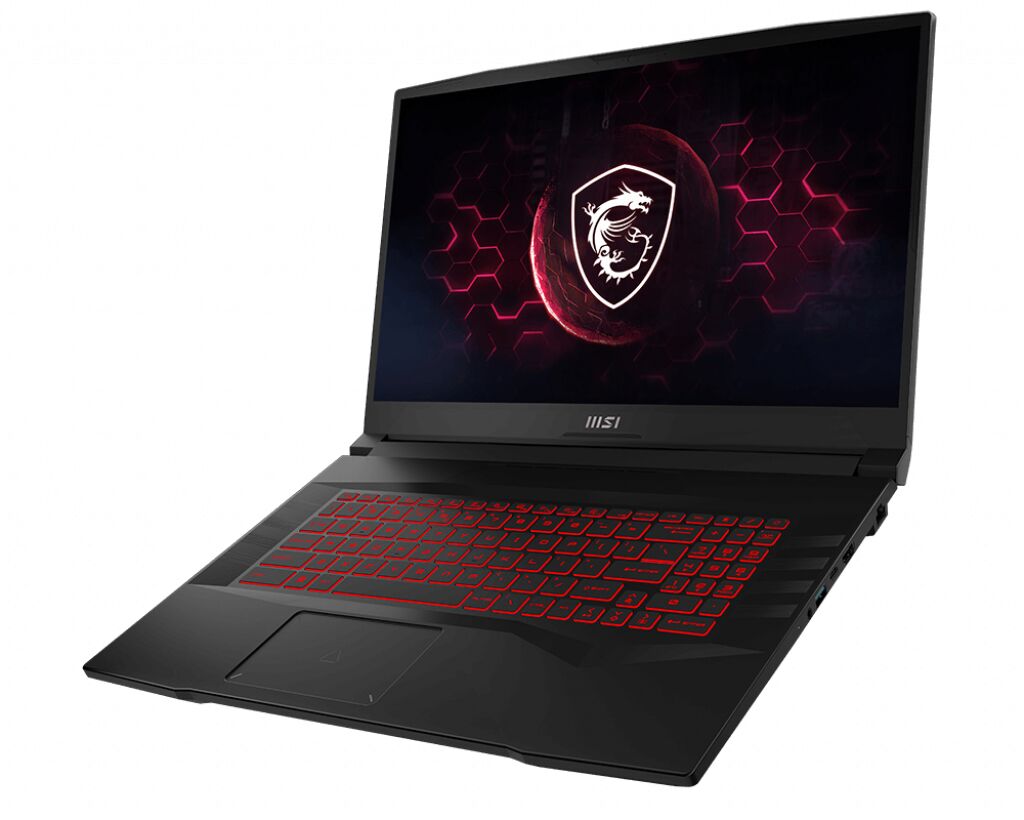
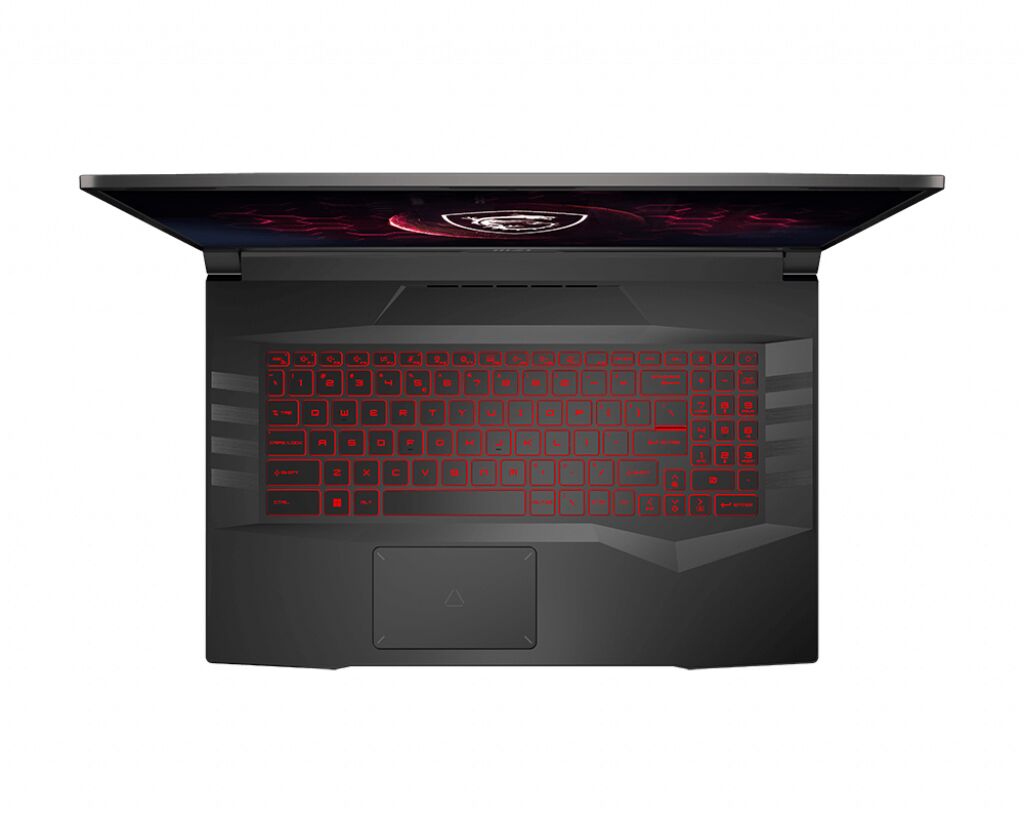
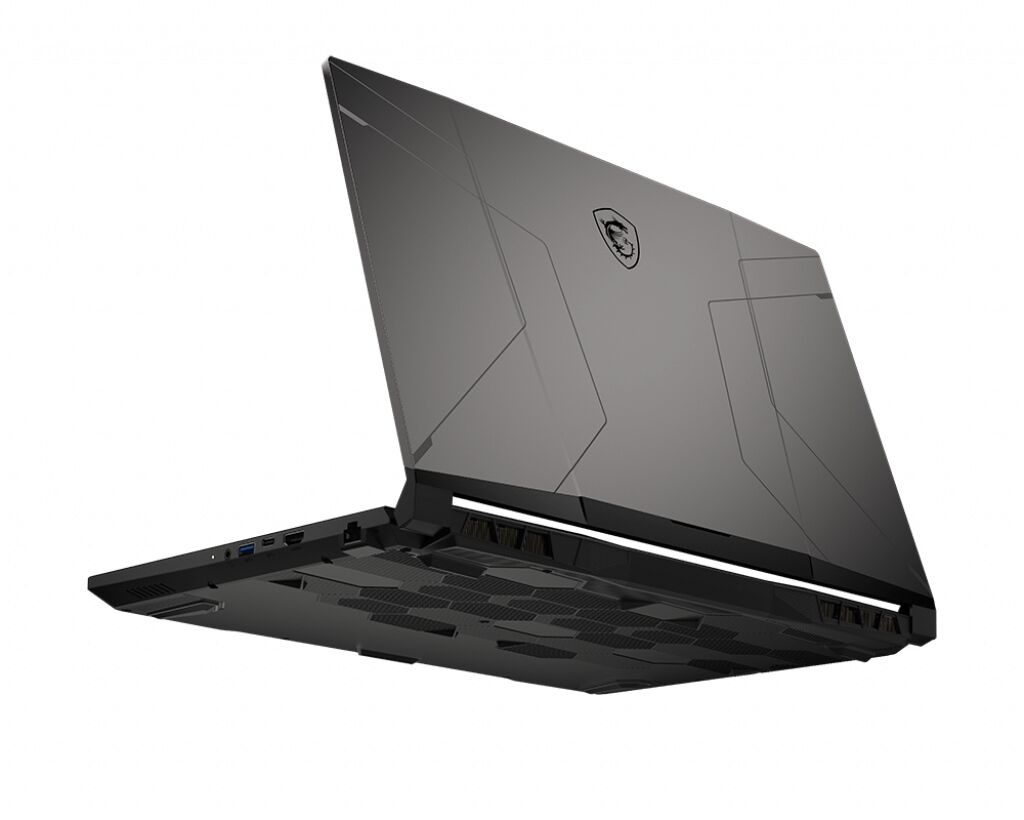
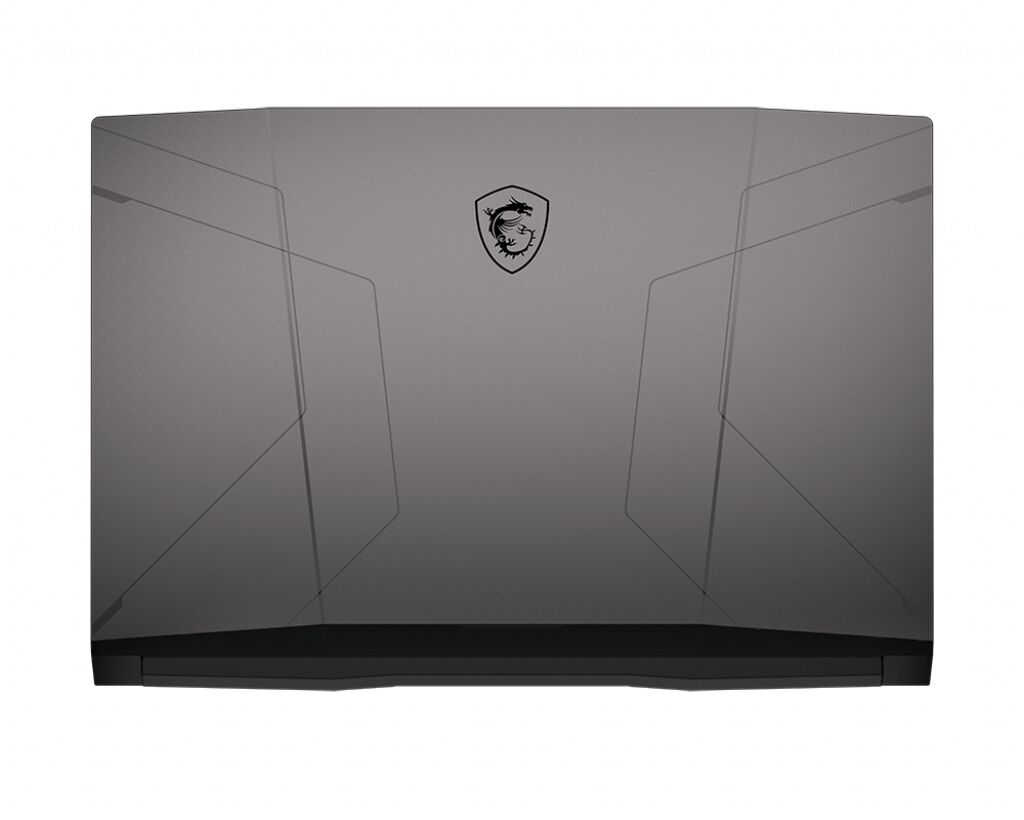
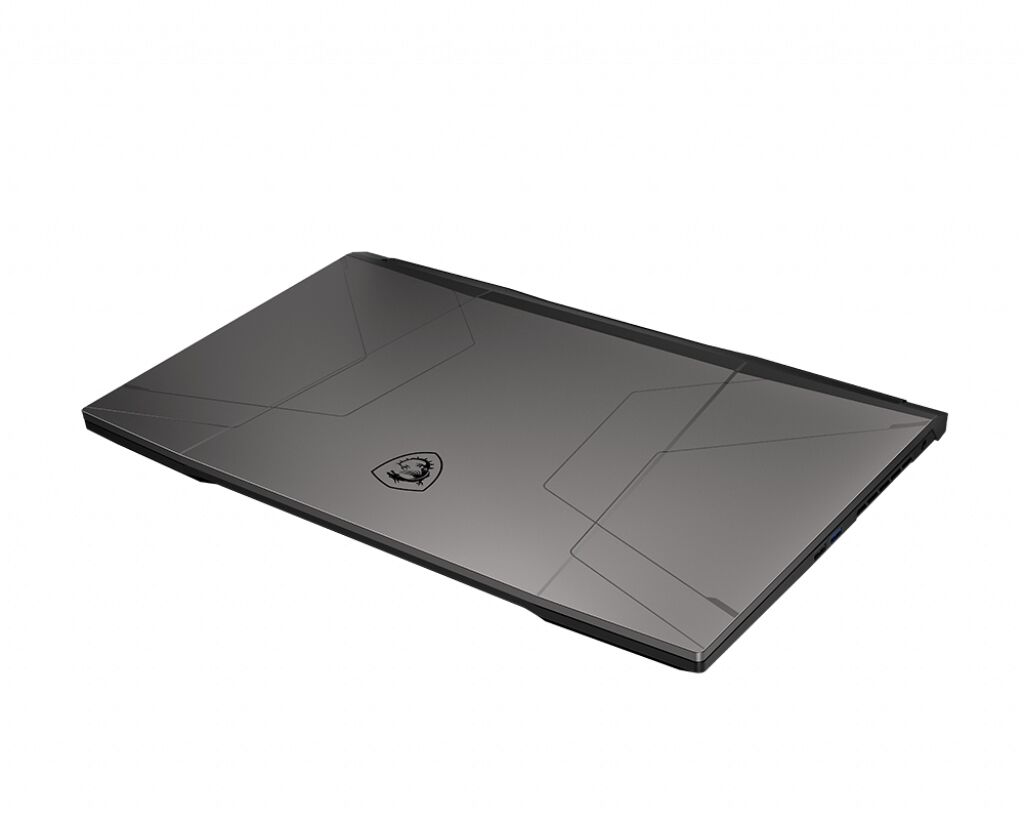
MSI GL76 12UGK-038FR Pulse gaming laptop supports DDR4-SDRAM memory upgrades through two SO-DIMM slots. The system accommodates maximum RAM capacity of 64 GB with memory operating at 3200 MHz frequency. Compatible upgrade modules utilize SO-DIMM form factor specifications. Current and expanded memory configurations remain compatible with GL series specifications and Pulse model line parameters.
Memory Upgrade Specifications
| Specification | Value |
|---|---|
| Memory slots | 2x SO-DIMM |
| Form factor | SO-DIMM |
| Memory type | DDR4-SDRAM |
| Frequency | 3200 MHz |
| Maximum RAM | 64 GB |
| Voltage | 1.2V |
| Number of pins | 260-pin |
| Interface | PC4 |
| PC Speed Rating | PC4-3200 (PC4-25600) |
| Bandwidth | 25.6 GB/s |
| Laptop Release date | 31 December 2021 |
Additional Notes
- The MSI GL76 12UGK-038FR Pulse supports DDR4 modules exclusively, preventing the use of newer DDR5 technology that offers higher bandwidth and efficiency.
- Dual-channel memory architecture requires matching module capacities in both slots to maintain optimal data transfer rates between RAM and processor.
- The 3200 MHz frequency ceiling limits performance gains from higher-speed modules, as any RAM rated beyond this specification will automatically downclock to match the controller's maximum supported speed.
- SO-DIMM form factor restricts compatibility to laptop-specific modules, as standard desktop DIMM modules are physically incompatible with the smaller slot design.
- Each memory slot accommodates a maximum 32 GB module to reach the 64 GB total capacity threshold, requiring users to populate both available slots for peak memory configuration.
- Memory channel bandwidth peaks at 51.2 GB/s in dual-channel configuration with both slots occupied, but halves to 25.6 GB/s when operating in single-channel mode with only one populated slot.
- Upgrading from single-channel to dual-channel configuration typically yields 15-30% performance improvements in memory-intensive applications and integrated graphics workloads.
- CAS latency specifications remain unrestricted by the controller, allowing flexibility in selecting modules with tighter timings for reduced memory access delays.
- Non-ECC unbuffered modules are required, as standard gaming platforms lack the memory controller architecture necessary for error-correcting code functionality.
- The bottom panel access design typically requires full removal for memory installation, necessitating proper grounding procedures to prevent electrostatic discharge damage during upgrades.
- Mixing modules with different voltage specifications risks system instability, as DDR4 operates within a narrow 1.2V standard with limited tolerance for variance.
- Warranty preservation depends on following manufacturer upgrade guidelines, though most regions legally protect user-performed memory upgrades under right-to-repair provisions.