MSI Gaming GL76 12UGK-091UK Pulse RAM upgrade specifications

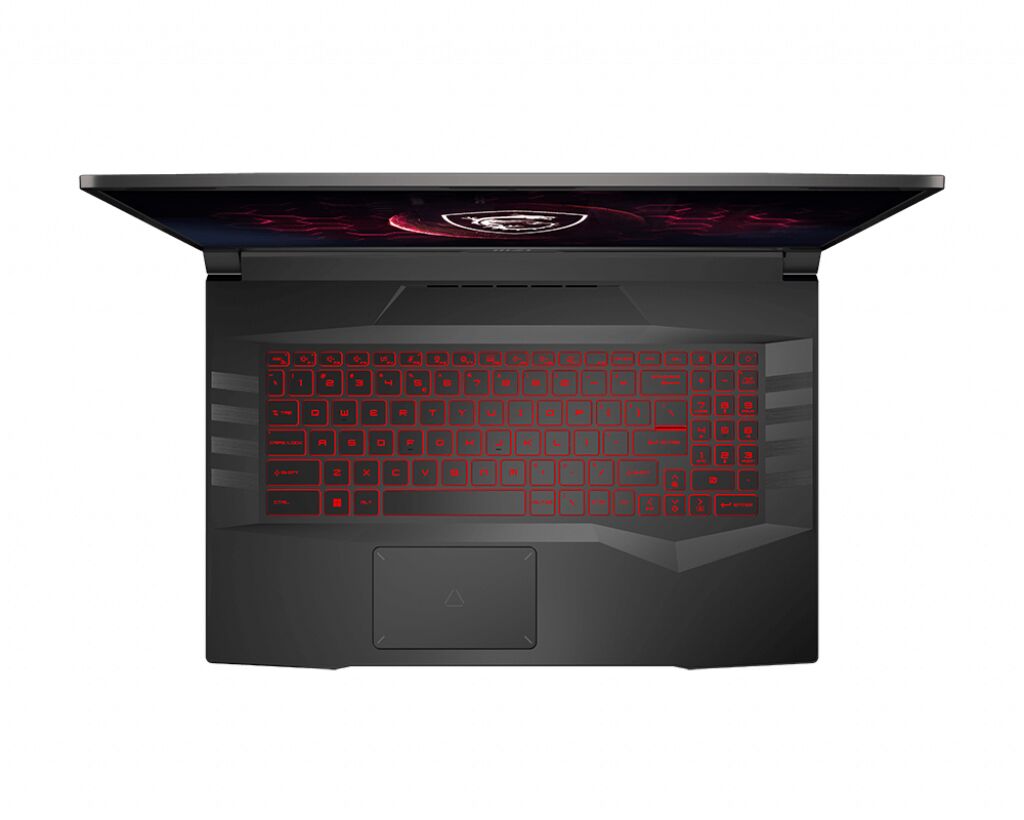
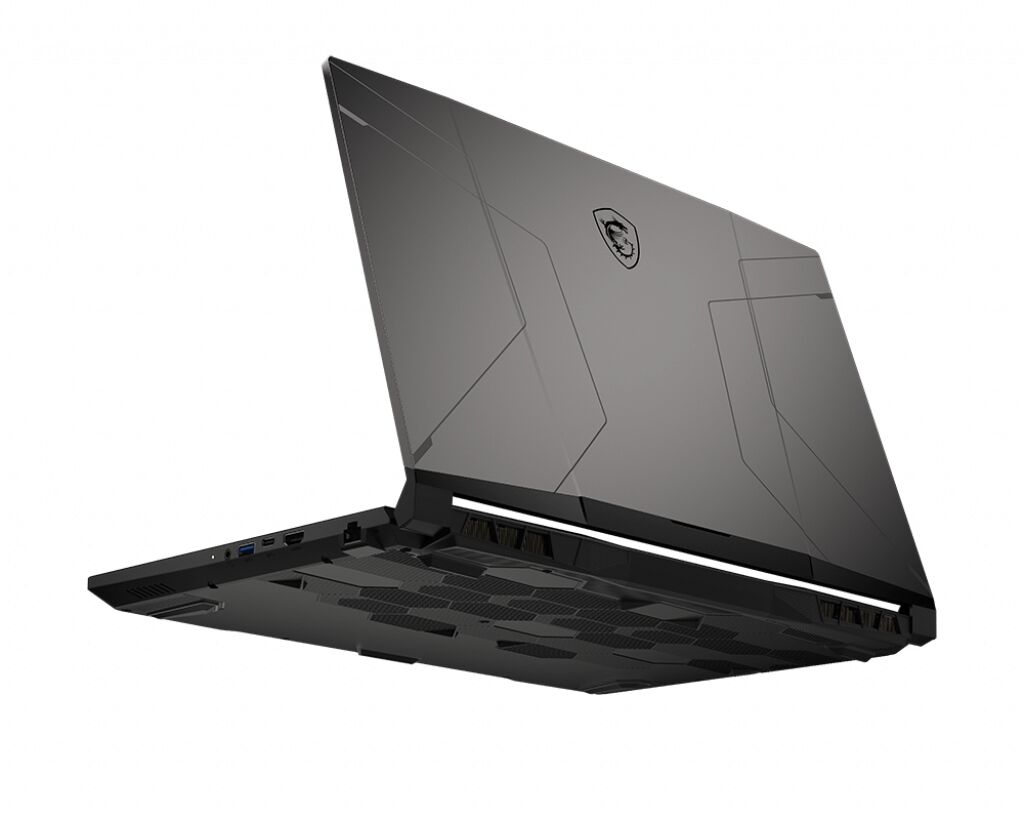
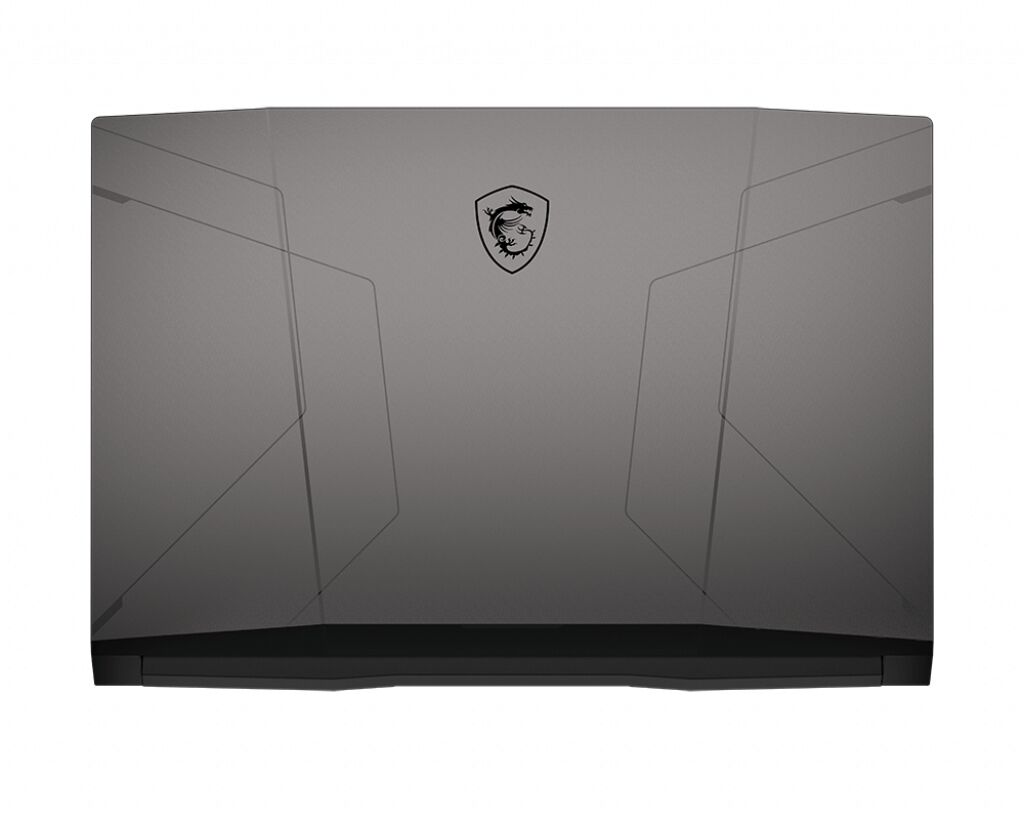
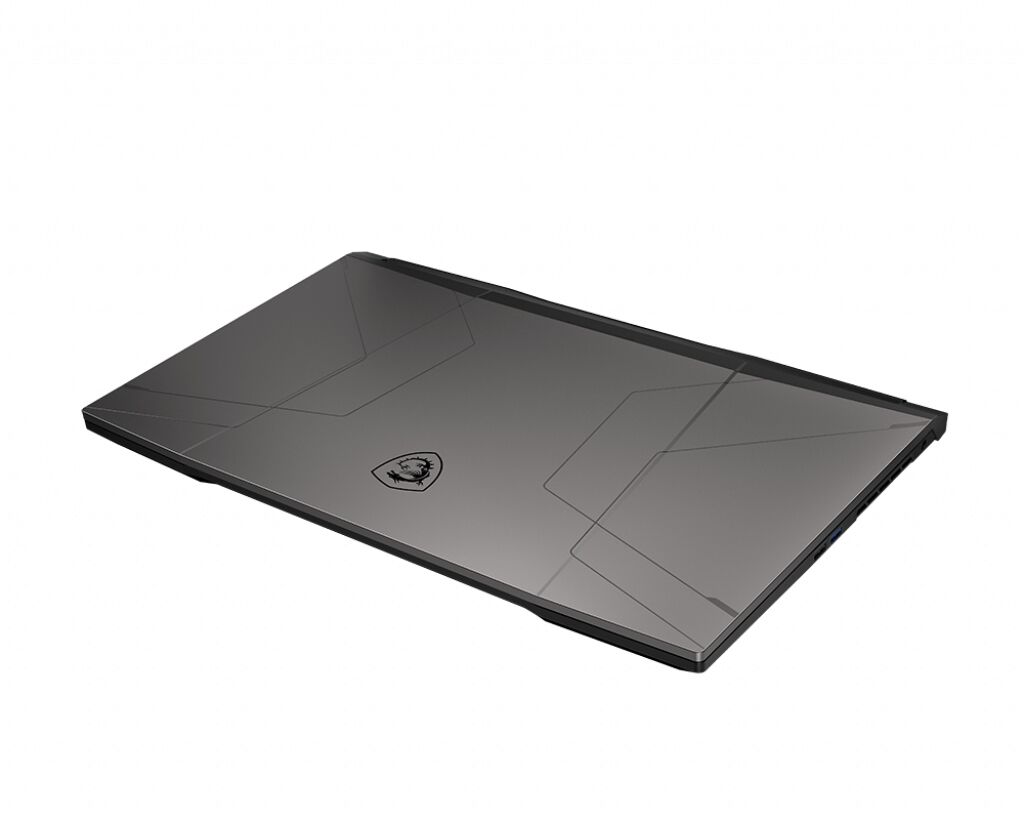
The MSI GL76 12UGK-091UK Pulse gaming laptop features DDR4-SDRAM memory upgrade specifications with 2x SO-DIMM slots supporting a maximum RAM capacity of 64 GB. Compatible memory modules operate at 3200 MHz frequency and utilize the SO-DIMM form factor standard for laptop installations. Specifications indicate the GL Series Pulse model supports memory expansion to 64 GB total capacity through dual upgrade slots, enabling enhanced multitasking and performance capabilities for gaming and intensive applications.
Memory Upgrade Specifications
| Specification | Value |
|---|---|
| Memory slots | 2x SO-DIMM |
| Form factor | SO-DIMM |
| Memory type | DDR4-SDRAM |
| Frequency | 3200 MHz |
| Maximum RAM | 64 GB |
| Voltage | 1.2V |
| Number of pins | 260-pin |
| Interface | PC4 |
| PC Speed Rating | PC4-3200 (PC4-25600) |
| Bandwidth | 25.6 GB/s |
| Laptop Release date | 22 December 2021 |
Additional Notes
- The MSI GL76 12UGK-091UK Pulse supports DDR4 modules operating at 3200 MHz, which represents the baseline JEDEC standard speed rather than overclocked profiles, ensuring compatibility across manufacturers without BIOS adjustments.
- While the chipset permits 64 GB total capacity, achieving this configuration requires two 32 GB SO-DIMM modules, which may carry price premiums compared to more common 16 GB density modules.
- The SO-DIMM form factor restricts physical compatibility to laptop-specific memory modules, as standard desktop DIMM modules will not physically fit the slot architecture.
- Dual-channel memory architecture requires installing matched pairs for optimal bandwidth utilization, meaning single-module configurations will operate at half the potential throughput.
- The 3200 MHz frequency provides 25.6 GB/s theoretical bandwidth per channel, which becomes particularly relevant for integrated graphics workloads or applications with high memory subsystem demands.
- Mixing modules with different timings or speeds will force the memory controller to operate all modules at the lowest common denominator specifications, potentially degrading performance below the 3200 MHz specification.
- DDR4 voltage standards typically range between 1.2V and 1.35V, with XMP profiles sometimes exceeding this range, though laptop memory controllers often enforce stricter voltage limits than desktop counterparts.
- Physical installation requires accessing the bottom panel, which on most gaming laptops involves removing multiple screws and potentially disconnecting battery connectors to safely handle components without voiding thermal interface warranties.
- The maximum 64 GB specification depends on memory controller capabilities within the 12th generation Intel platform, meaning future module density increases beyond 32 GB per stick will not provide additional capacity.
- Latency timings such as CAS latency (CL) impact effective performance independently of frequency, though these specifications often remain unstated until modules are installed and detected by system firmware.