MSI Gaming GS77 12UGS-036CA Stealth RAM upgrade specifications




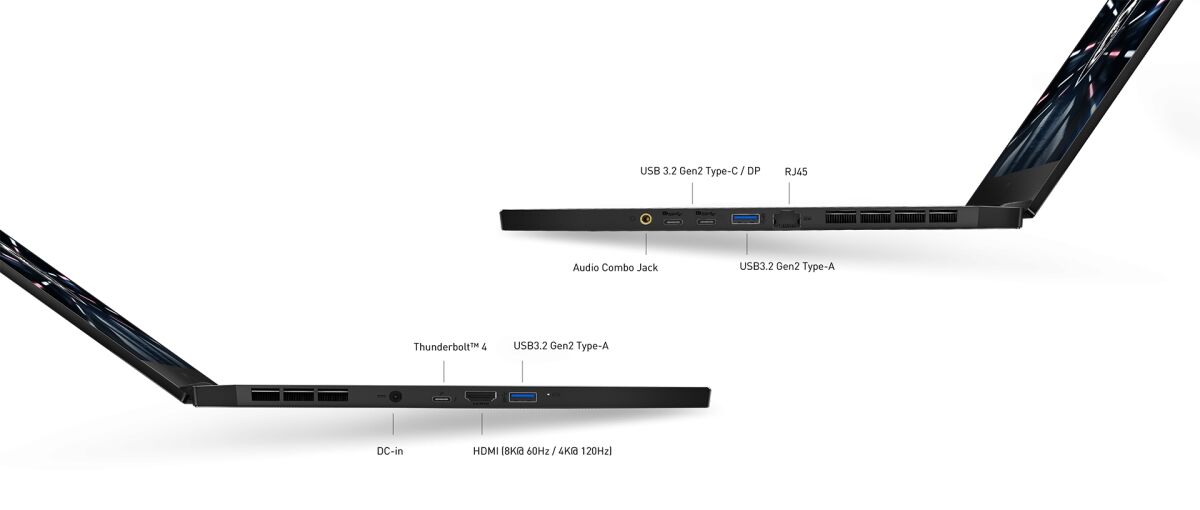
The MSI GS77 12UGS-036CA Stealth gaming laptop features DDR5-SDRAM memory upgrade capabilities. The system includes 2x SO-DIMM slots supporting maximum RAM capacity of 64 GB. Compatible memory operates at 4800 MHz frequency with SO-DIMM form factor. Specifications allow for flexible memory expansion to meet performance requirements for the Gaming GS series model.
Memory Upgrade Specifications
| Specification | Value |
|---|---|
| Memory slots | 2x SO-DIMM |
| Form factor | SO-DIMM |
| Memory type | DDR5-SDRAM |
| Frequency | 4800 MHz |
| Maximum RAM | 64 GB |
| Voltage | 1.1V |
| Number of pins | 262-pin |
| Interface | PC5 |
| PC Speed Rating | PC5-4800 (PC5-38400) |
| Bandwidth | 38.4 GB/s |
| Laptop Release date | 14 June 2022 |
Additional Notes
- The dual slot configuration requires removing the factory modules to reach the maximum 64 GB capacity as no empty slots remain for expansion.
- Operating in a dual channel environment depends on installing identical capacity and timing modules to avoid performance drops in memory intensive applications.
- The DDR5 architecture in the MSI GS77 12UGS-036CA Stealth utilizes on-die ECC and power management integrated circuits which shift voltage regulation away from the motherboard onto the RAM sticks.
- High density 32 GB modules are necessary for the limit of 64 GB and must adhere to the 4800 MHz frequency to prevent automatic clock speed down-tuning by the motherboard firmware.
- Internal access to the SO-DIMM slots typically involves removing the entire bottom chassis panel which may involve breaking factory seals depending on regional service policies.
- Thermal management constraints within the slim chassis design mean that adding modules with tall integrated heat spreaders will likely interfere with the physical closure of the casing.
- Latencies inherent to early generation 4800 MHz DDR5 mean that while bandwidth is higher than DDR4 the real world speed gains are most visible in multi-threaded rendering rather than low-load tasks.