MSI Gaming GS77 12UGS-042NL Stealth RAM upgrade specifications
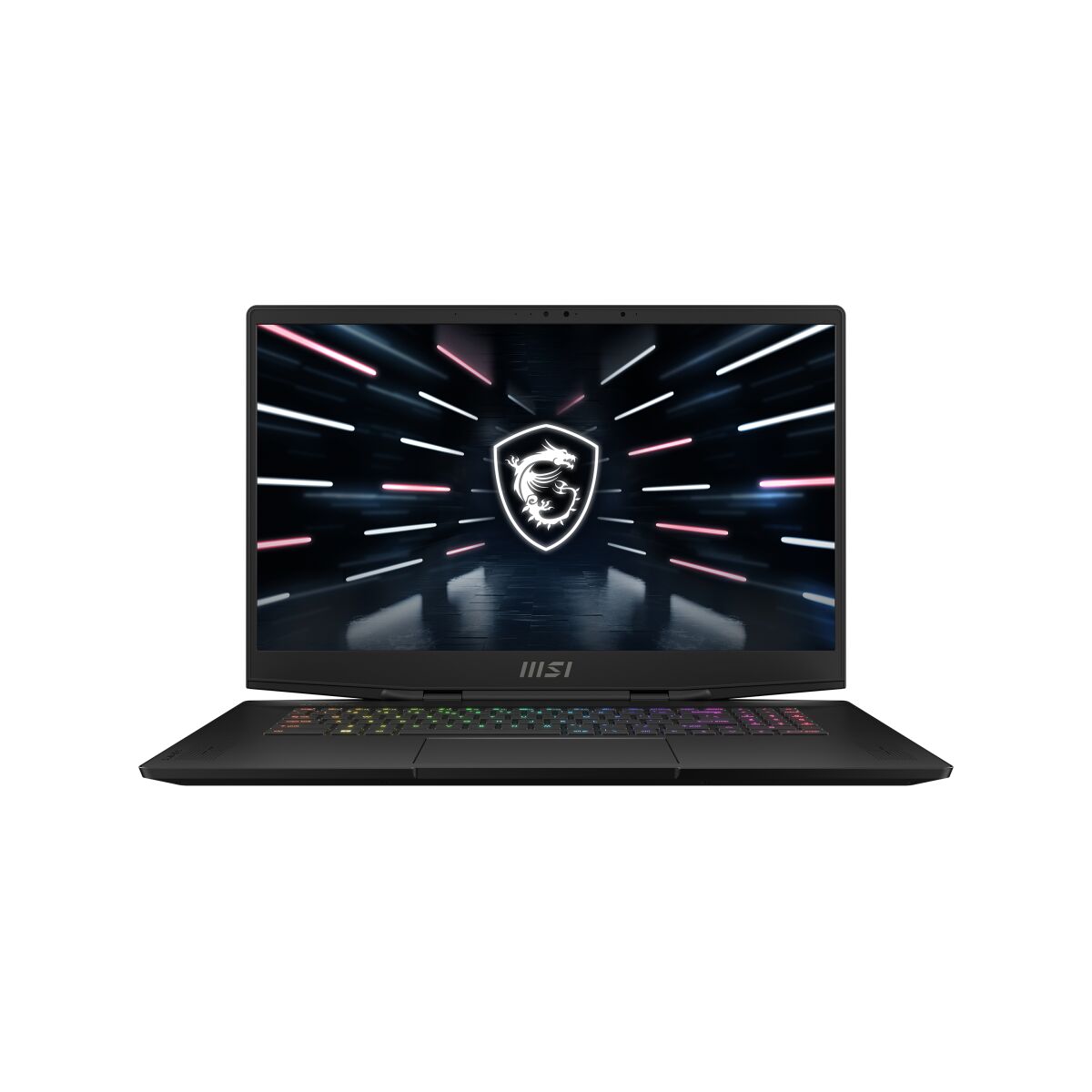


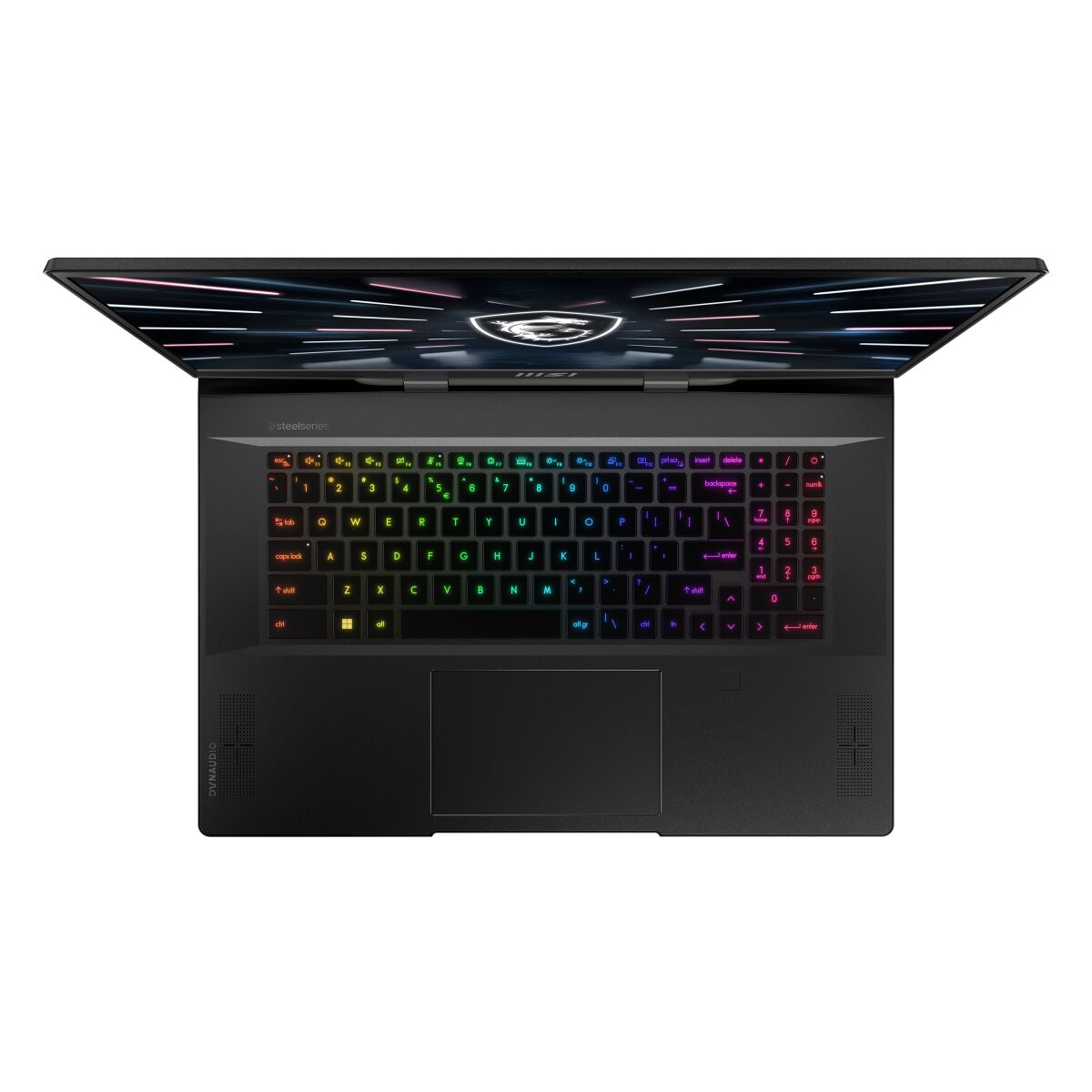
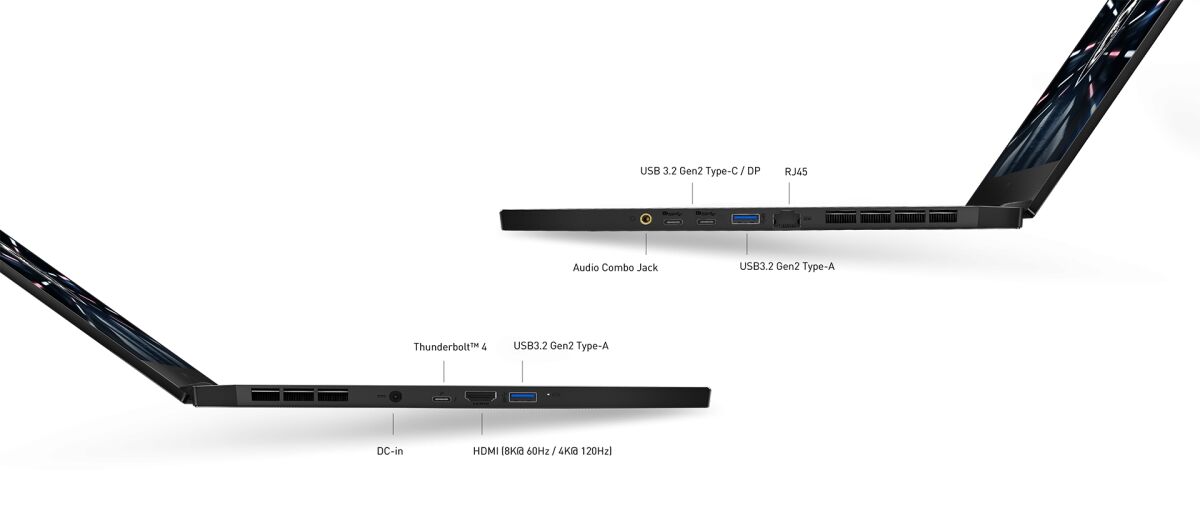
MSI GS77 12UGS-042NL Stealth gaming laptop specifications indicate DDR5-SDRAM memory upgrade capacity of 64 GB maximum. The device contains 2x SO-DIMM slots for memory expansion. Compatible RAM modules operate at 4800 MHz frequency. Upgrade configurations support dual-channel memory architecture. SO-DIMM form factor memory modules are required for compatibility with the GS series gaming platform.
Memory Upgrade Specifications
| Specification | Value |
|---|---|
| Memory slots | 2x SO-DIMM |
| Form factor | SO-DIMM |
| Memory type | DDR5-SDRAM |
| Frequency | 4800 MHz |
| Maximum RAM | 64 GB |
| Voltage | 1.1V |
| Number of pins | 262-pin |
| Interface | PC5 |
| PC Speed Rating | PC5-4800 (PC5-38400) |
| Bandwidth | 38.4 GB/s |
| Laptop Release date | 26 January 2022 |
Additional Notes
- The SO-DIMM form factor limits upgrade options to laptop-specific modules, which command a 20-30% price premium over desktop DDR5 equivalents at equivalent capacities and speeds.
- DDR5-4800 MHz operation requires validation that replacement modules match the native JEDEC standard; overclocked DDR5 variants may post but risk stability degradation under sustained gaming workloads due to the MSI GS77 12UGS-042NL Stealth's thermal constraints.
- Dual SO-DIMM architecture creates a single-point failure mode: loss of either module halves memory bandwidth and forces operation in single-channel mode, reducing GPU performance by 5-8% in bandwidth-sensitive titles.
- The 64 GB ceiling prevents future scaling beyond content creation workflows; professional video editing or 3D rendering may exhaust this capacity within 2-3 years as project complexity increases.
- Installation of mismatched capacity modules (e.g., 32 GB + 16 GB) triggers asymmetric channel configuration, forcing the controller to operate at the smaller module's timing constraints and potentially introducing latency overhead.
- DDR5 SO-DIMM procurement requires verification of laptop-grade thermal spreaders; consumer-grade modules lack adequate heat dissipation for sustained boost clocks in compact chassis environments.
- Warranty preservation typically requires sourcing modules from the OEM or certified partners; third-party DDR5 SO-DIMM installation may void thermal and compatibility guarantees.