MSI Gaming GT75 Titan 9SG-266MX RAM upgrade specifications
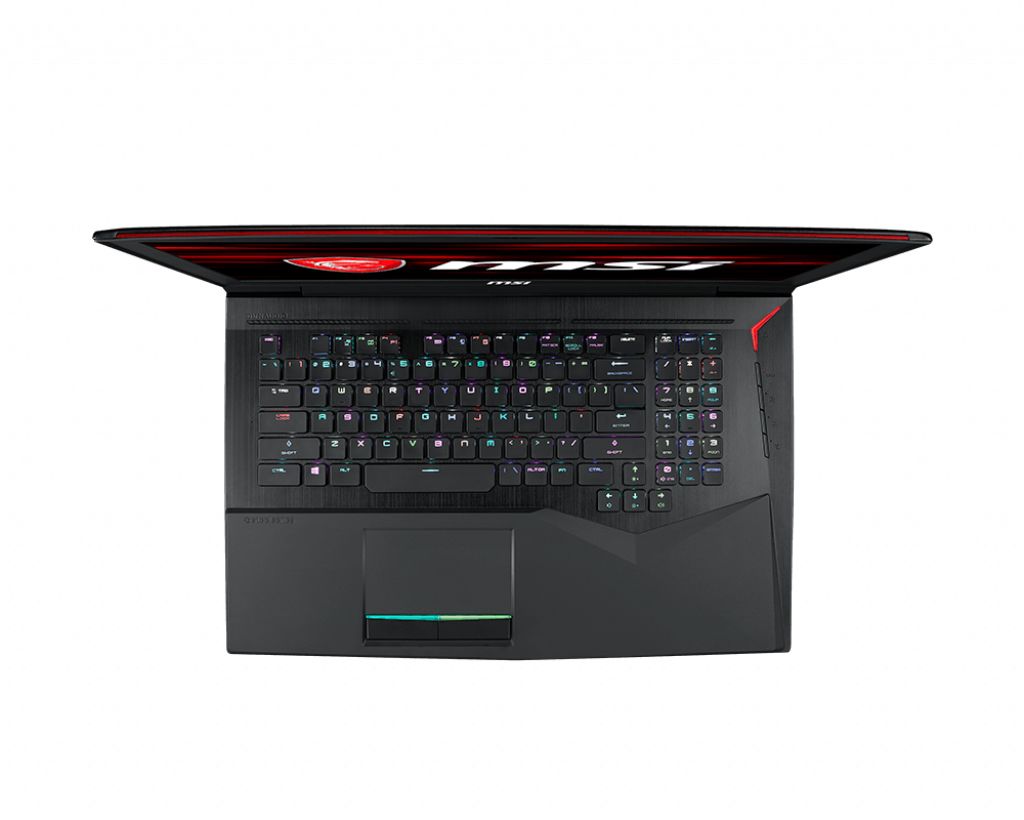
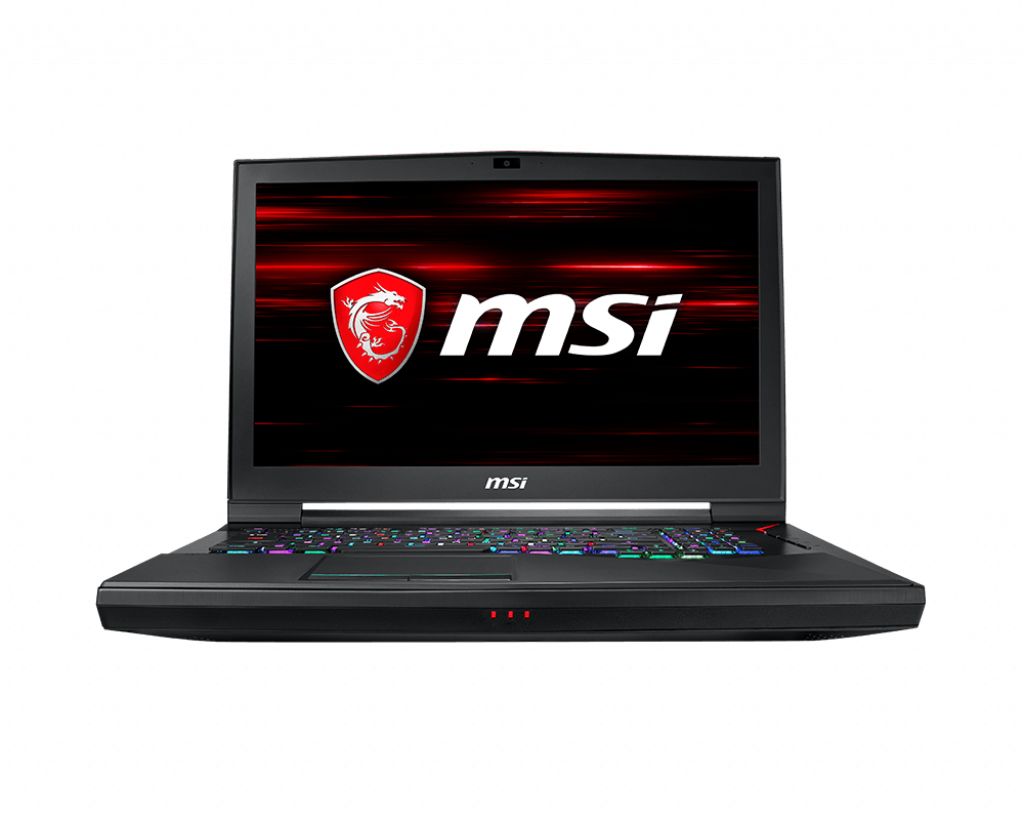
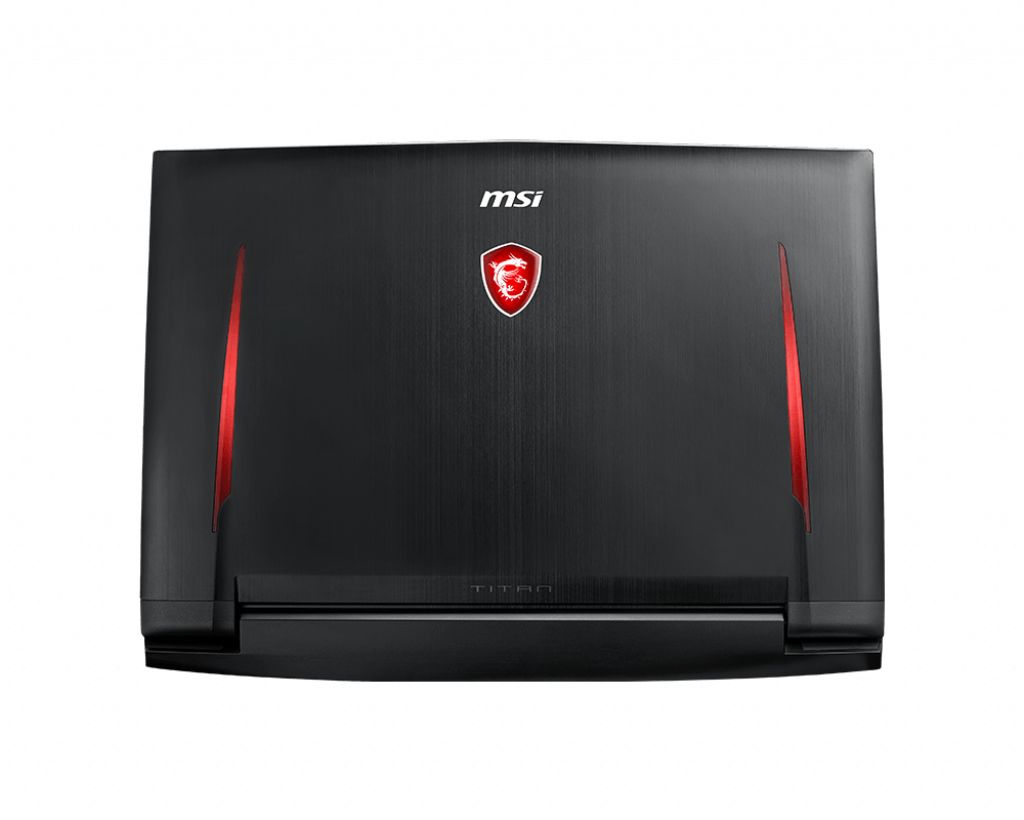
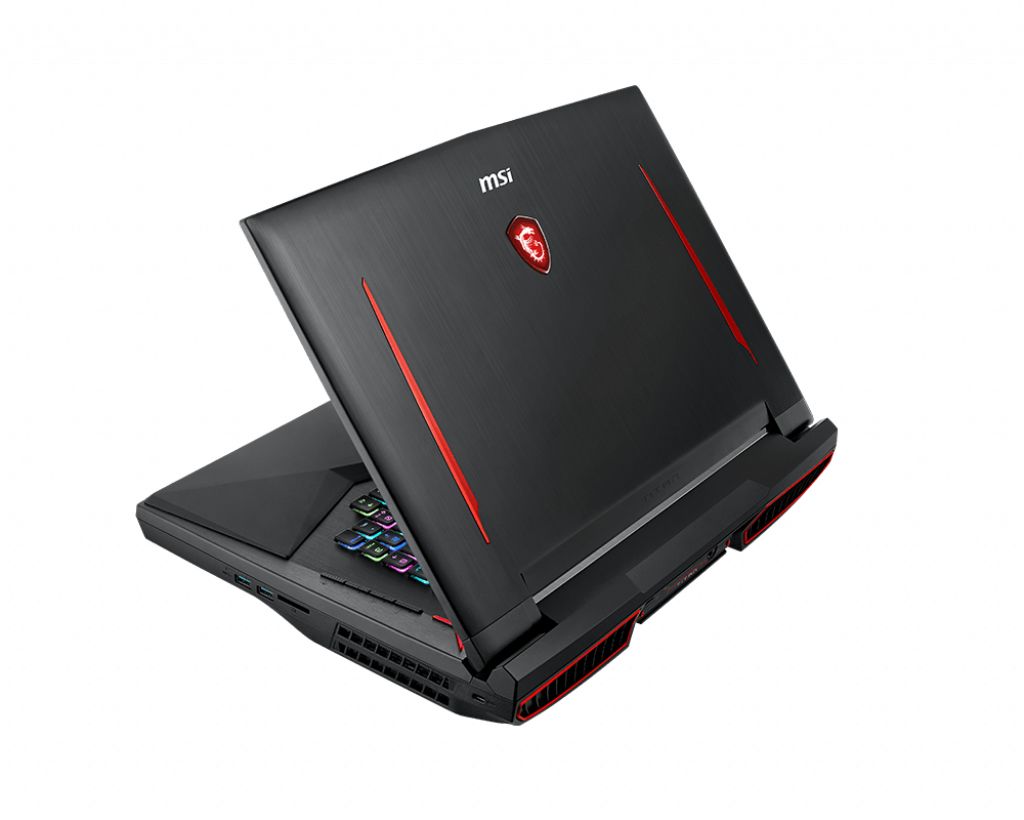
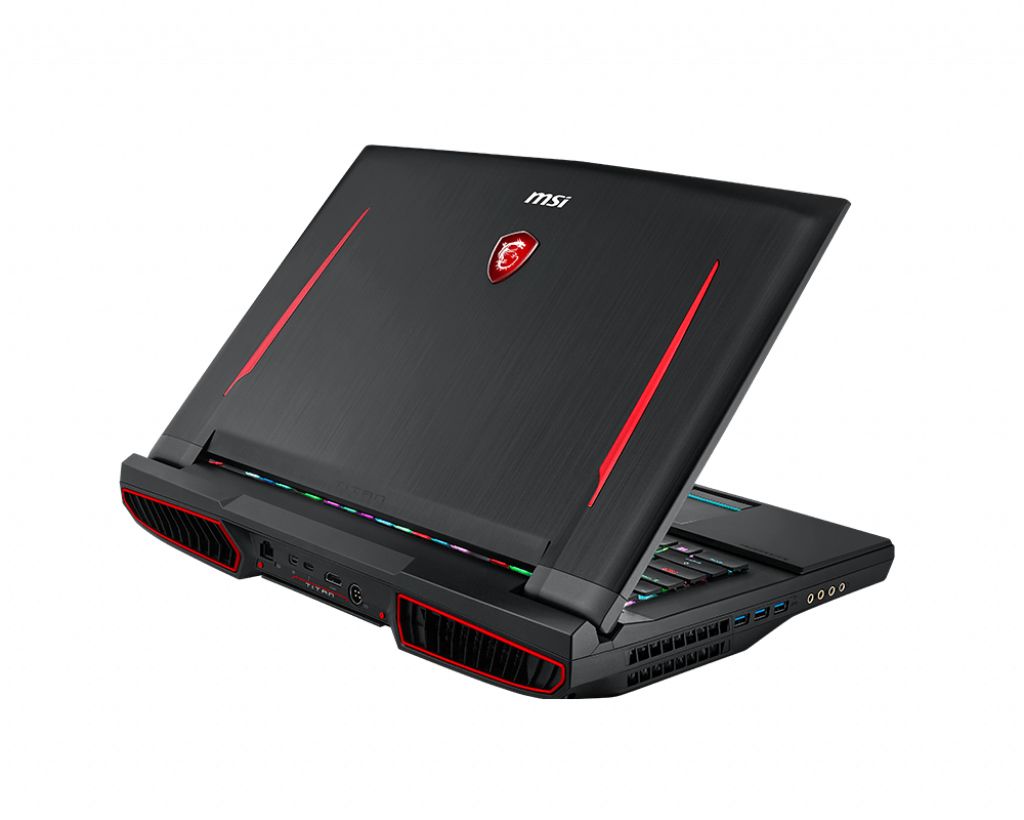
The MSI GT75 Titan 9SG-266MX gaming laptop features DDR4-SDRAM memory upgrade capabilities with four SO-DIMM slots supporting maximum RAM capacity of 128 GB. Memory specifications include 2666 MHz frequency operation. Compatible upgrades utilize SO-DIMM form factor modules. The GT75 Titan series accommodates substantial memory expansion for enhanced multitasking and demanding applications. Existing memory slots enable modular RAM configuration adjustments. Specifications indicate DDR4 compatibility with standard laptop memory interface standards.
Memory Upgrade Specifications
| Specification | Value |
|---|---|
| Memory slots | 4x SO-DIMM |
| Form factor | SO-DIMM |
| Memory type | DDR4-SDRAM |
| Frequency | 2666 MHz |
| Maximum RAM | 128 GB |
| Voltage | 1.2V |
| Number of pins | 260-pin |
| Interface | PC4 |
| PC Speed Rating | PC4-2666 (PC4-21328) |
| Bandwidth | 21.3 GB/s |
| Laptop Release date | 10 June 2019 |
Additional Notes
- The presence of 4 SO-DIMM slots implies a dual-channel architecture where memory modules must be installed in matched pairs to ensure optimal data throughput and avoid bandwidth bottlenecks.
- Upgrading the MSI GT75 Titan 9SG-266MX to the maximum capacity requires 32 GB high-density modules which may necessitate a BIOS update to recognize the full 128 GB address space.
- Installing modules with frequencies higher than 2666 MHz results in automatic downclocking to match the system bus speed governed by the processor memory controller.
- Physical access to all 4 memory banks typically requires removing the primary expansion panel and potentially the keyboard assembly as internal slot positioning often utilizes both sides of the motherboard.
- Mixing memory modules with different timings or different ranks leads to the system defaulting to the slowest latency profile available across all populated slots.
- Reaching the 128 GB threshold significantly increases the thermal load within the memory housing area during sustained workstation tasks or heavy multitasking.
- Maintaining warranty compliance during a hardware expansion requires the use of non-ECC unbuffered modules as the chipset architecture lacks support for error-correcting code memory.