MSI Gaming GT75 Titan-249 RAM upgrade specifications

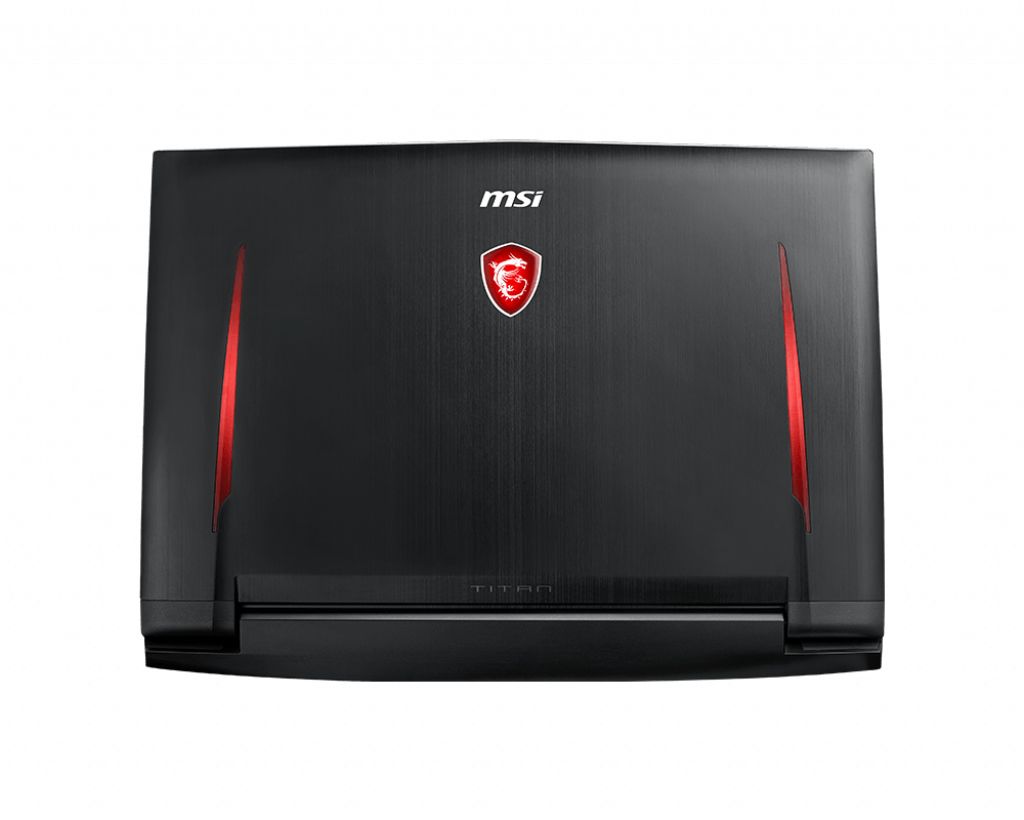
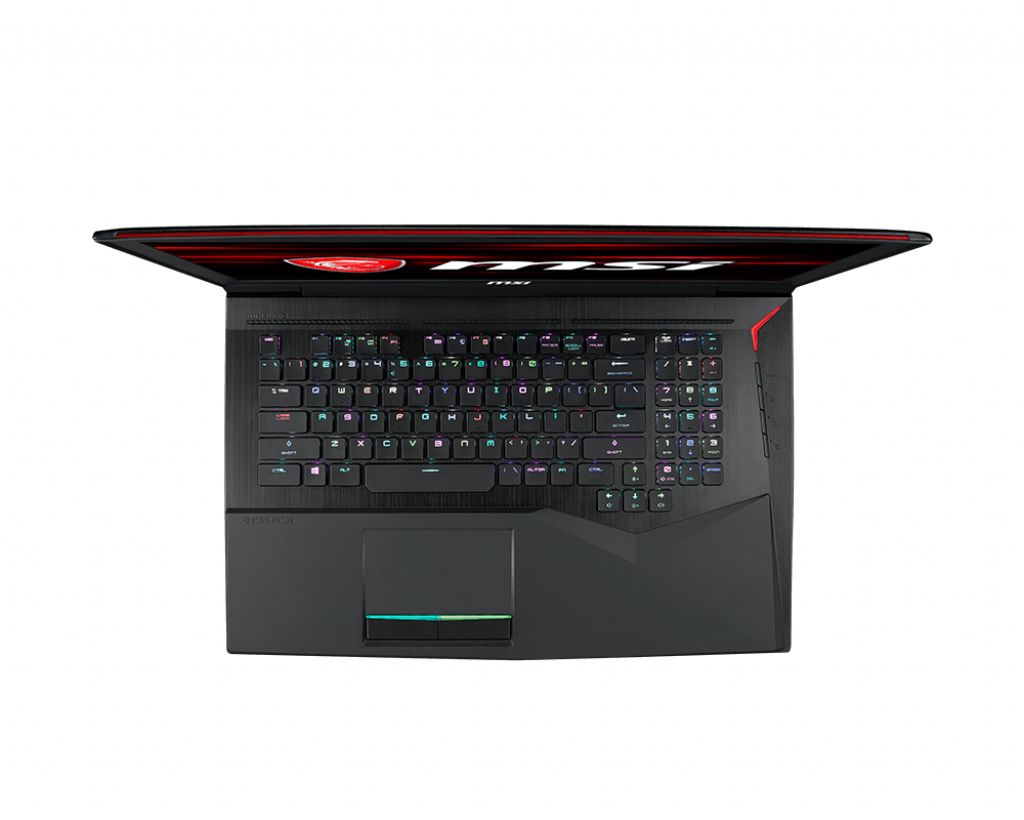

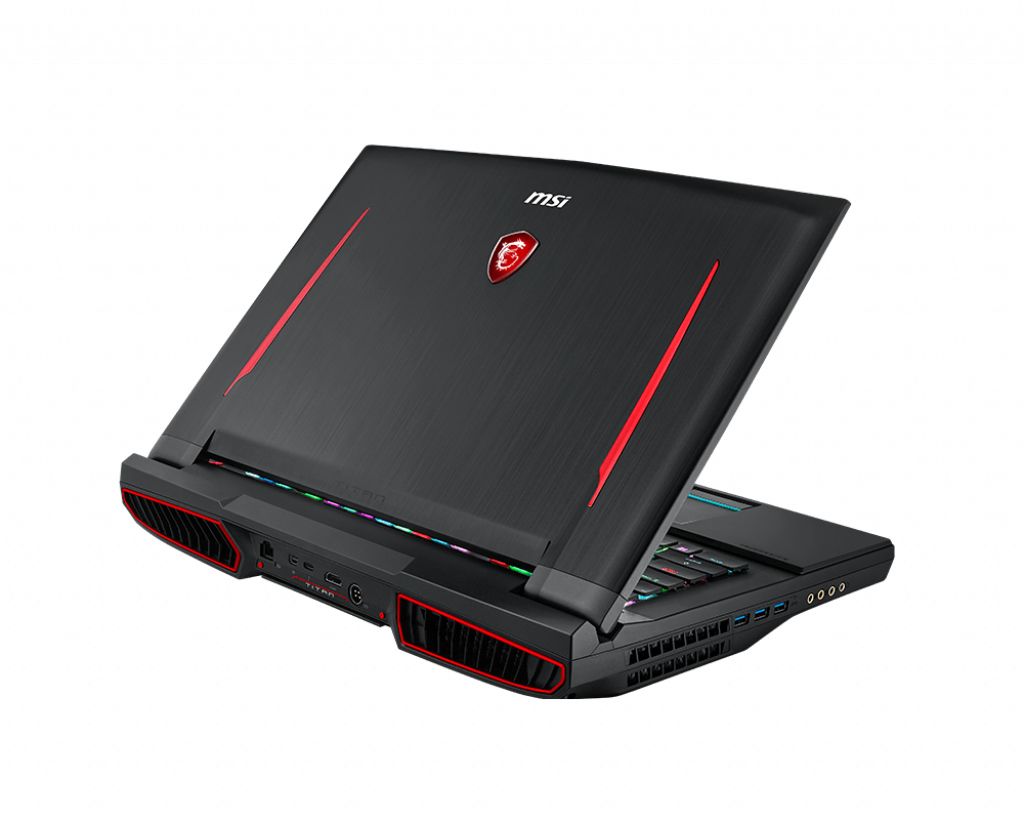
The MSI GT75 Titan-249 gaming laptop features DDR4-SDRAM memory configuration with four SO-DIMM slots supporting maximum capacity of 128 GB. The upgrade specifications include DDR4 memory modules operating at 2666 MHz frequency. Compatible memory upgrades utilize the SO-DIMM form factor, enabling users to expand RAM capacity beyond factory default settings. The GT75 Titan series supports DDR4-SDRAM specifications for enhanced multitasking and gaming performance capabilities.
Memory Upgrade Specifications
| Specification | Value |
|---|---|
| Memory slots | 4x SO-DIMM |
| Form factor | SO-DIMM |
| Memory type | DDR4-SDRAM |
| Frequency | 2666 MHz |
| Maximum RAM | 128 GB |
| Voltage | 1.2V |
| Number of pins | 260-pin |
| Interface | PC4 |
| PC Speed Rating | PC4-2666 (PC4-21328) |
| Bandwidth | 21.3 GB/s |
| Laptop Release date | 29 March 2019 |
Additional Notes
- The 4-slot SO-DIMM configuration enables balanced dual-channel or quad-channel population depending on the chipset controller, affecting memory interleaving performance.
- SO-DIMM modules restrict third-party heatsink attachment compared to desktop DIMM equivalents, limiting passive cooling enhancements during sustained workloads.
- DDR4-2666 operation represents the JEDEC standard speed ceiling for this memory controller generation, preventing stability gains from higher-frequency modules without potential underclocking.
- 128 GB maximum capacity requires 4 modules of 32 GB density each, which historically carried price premiums per gigabyte compared to 16 GB density configurations.
- Populating all 4 slots may increase electrical load on the memory controller, potentially reducing overclocking headroom or stability margins versus 2-slot configurations.
- The MSI GT75 Titan-249 memory subsystem lacks ECC support typical of DDR4-SDRAM consumer implementations, eliminating automatic error correction during data transfers.
- CAS latency specifications become critical at 2666 MHz operating frequency, as CL19 versus CL16 modules produce measurable differences in latency-sensitive applications despite identical bandwidth.
- Access to all memory slots typically requires complete bottom panel removal, contrasting with laptops offering dedicated upgrade hatches for tool-free maintenance.
- Mixed-capacity module installation (combining different GB sizes) forces the memory controller into flex mode operation, asymmetrically distributing dual-channel benefits across address ranges.
- Voltage requirements standardized at 1.2V for DDR4 SO-DIMM prevent compatibility with low-voltage 1.35V DDR3L modules despite physical connector similarities.
- Single-rank versus dual-rank module topology affects command scheduling efficiency, with quad-rank total configurations (4 dual-rank modules) potentially limiting maximum stable frequency below rated specifications.