MSI Gaming GT75VR 7RE-014 Titan RAM upgrade specifications
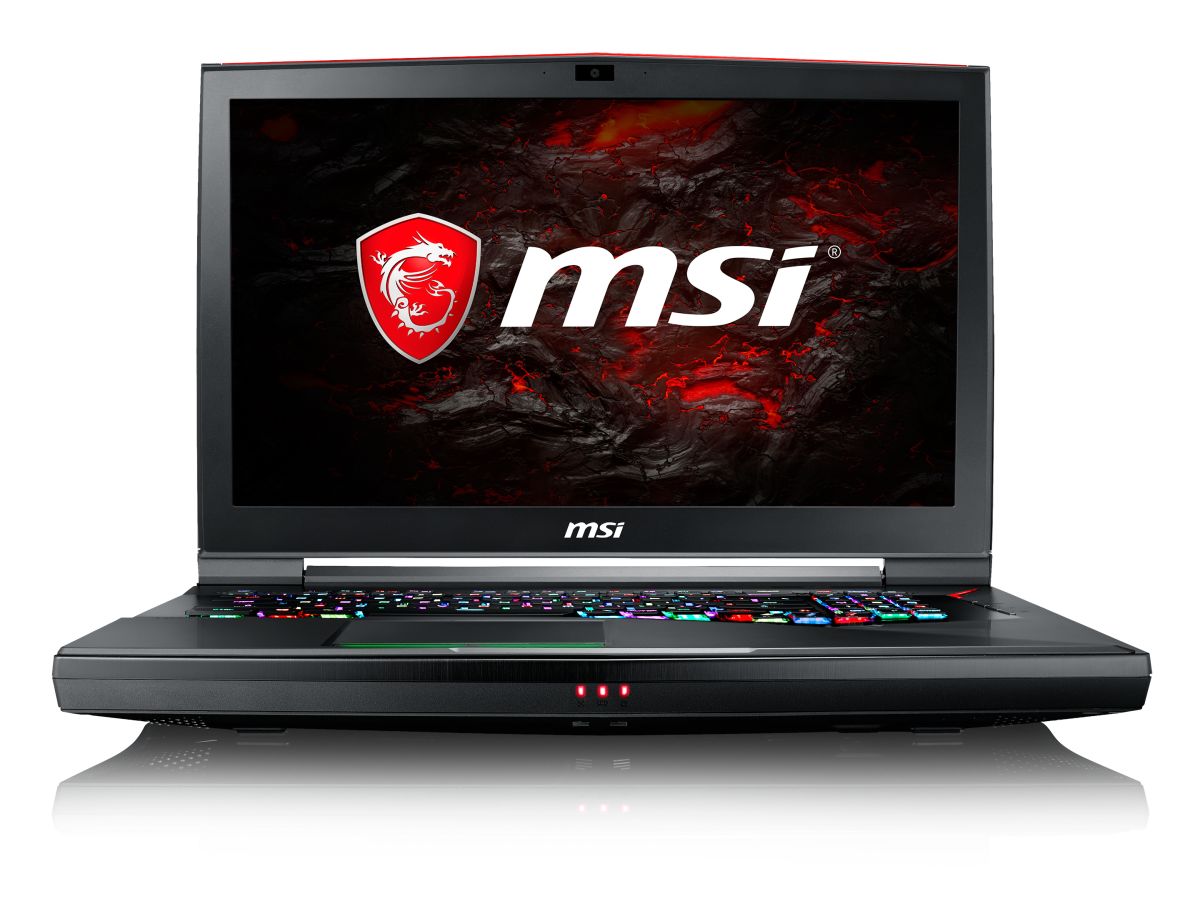
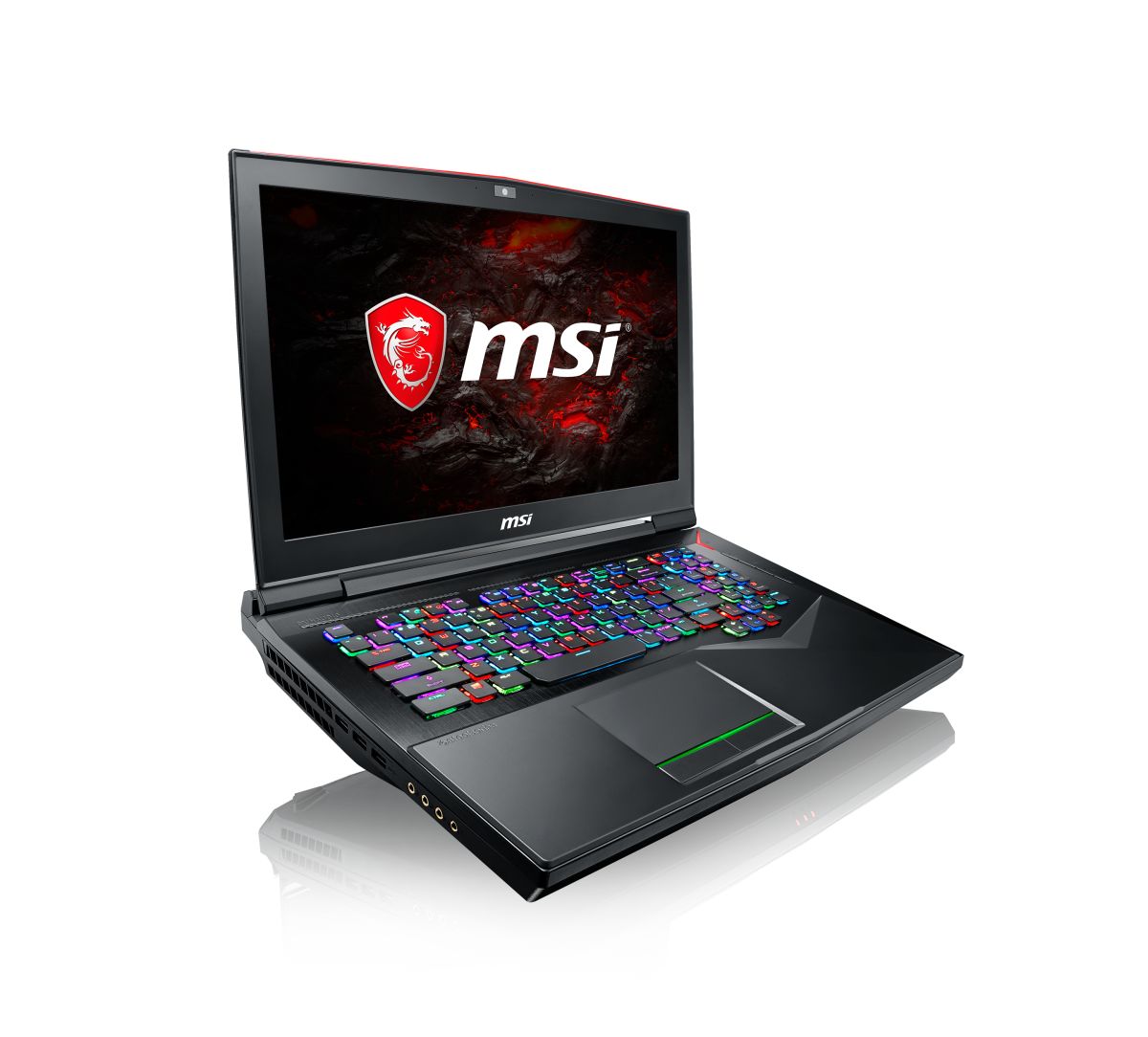
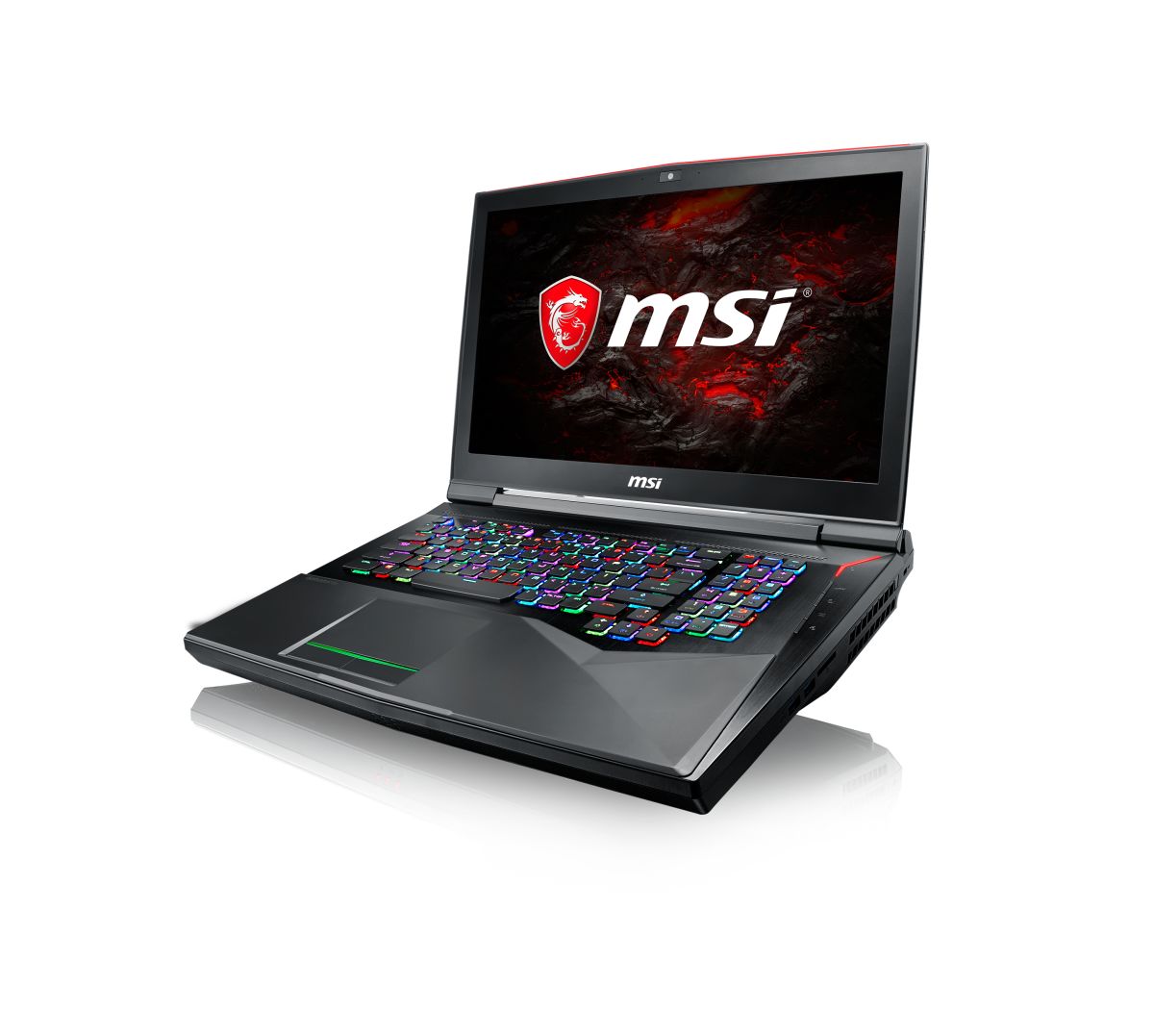
MSI GT75VR 7RE-014 Titan Gaming series laptop supports DDR4-SDRAM memory upgrades. The system features 4x SO-DIMM slots with maximum RAM capacity of 64 GB. Compatible memory operates at 2400 MHz frequency. Specifications indicate SO-DIMM form factor modules are required for upgrade compatibility. This gaming laptop model accommodates memory expansion up to the stated maximum capacity through available slots.
Memory Upgrade Specifications
| Specification | Value |
|---|---|
| Memory slots | 4x SO-DIMM |
| Form factor | SO-DIMM |
| Memory type | DDR4-SDRAM |
| Frequency | 2400 MHz |
| Maximum RAM | 64 GB |
| Voltage | 1.2V |
| Number of pins | 260-pin |
| Interface | PC4 |
| PC Speed Rating | PC4-2400 (PC4-19200) |
| Bandwidth | 19.2 GB/s |
| Laptop Release date | 25 February 2018 |
Additional Notes
- The MSI GT75VR 7RE-014 Titan contains 4 SO-DIMM slots, allowing both dual-channel and quad-channel configuration options depending on population strategy, though quad-channel mode requires all 4 slots populated to activate.
- DDR4-2400 MHz represents the native JEDEC standard for 7th-generation Intel processors in this chassis; faster aftermarket modules (2666 MHz, 2933 MHz, 3200 MHz) will downclock to 2400 MHz unless BIOS overclocking profiles are manually engaged, negating performance gains from premium pricing.
- SO-DIMM form factor restricts upgrade sourcing to laptop-grade memory modules; desktop DDR4-UDIMM sticks are mechanially incompatible and cannot be force-fitted without damage to connector pins or circuit board traces.
- The 64 GB ceiling (16 GB per slot maximum) limits total system memory expansion; exceeding this threshold requires module replacement rather than additive expansion once all slots reach capacity.
- Mixed-capacity configurations (e.g., 8 GB and 16 GB modules in the same system) function within JEDEC specifications but operate at the speed of the slowest module and the capacity of the smallest module per channel when mismatched, creating asymmetric performance.
- Upgrading beyond factory-installed capacity voids thermal design assumptions; the laptop's cooling system was engineered for specific power envelope thresholds, and higher-density modules may generate additional heat requiring verification against thermal throttling during sustained gaming workloads.