MSI Gaming GT75VR 7RE-018AU Titan RAM upgrade specifications

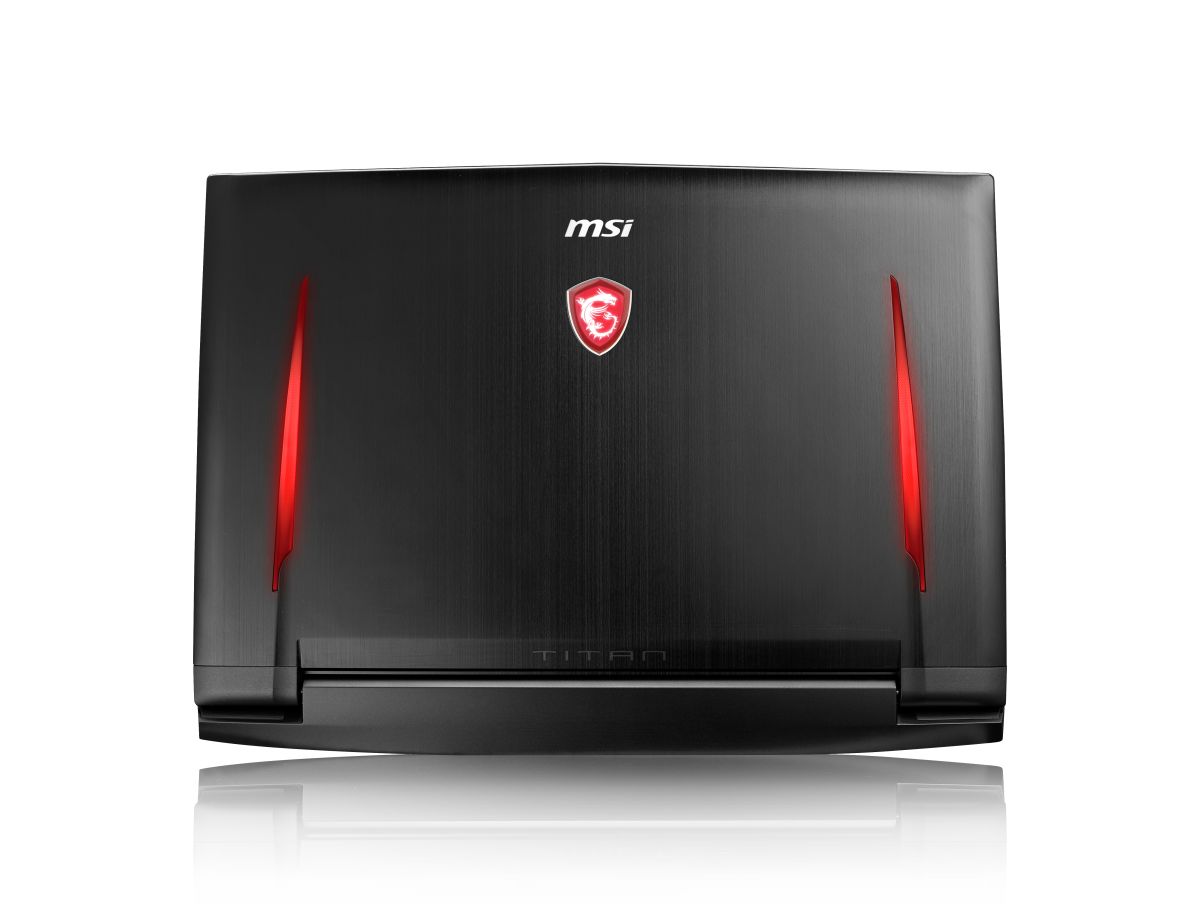
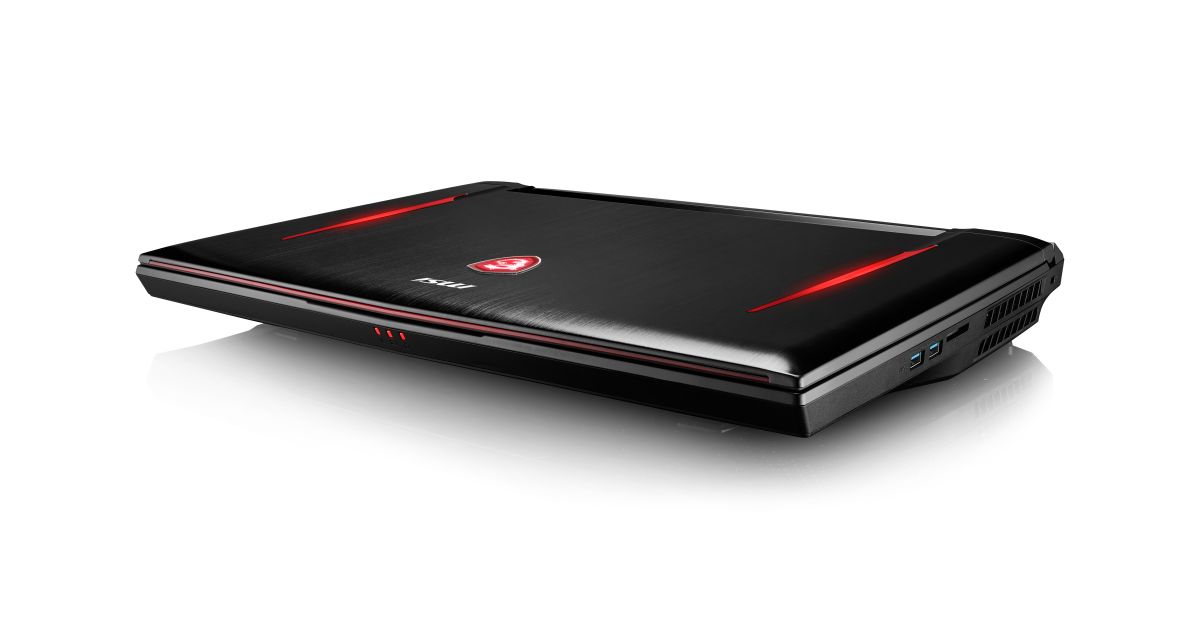


The MSI GT75VR 7RE-018AU Titan Gaming laptop supports DDR4-SDRAM memory upgrades across 4x SO-DIMM slots. Compatible RAM specifications include 2400 MHz frequency modules with SO-DIMM form factor. Maximum memory capacity reaches 64 GB total. Users upgrading memory on the GT75VR 7RE-018AU Titan should reference DDR4-2400 specifications for compatible modules. The Gaming GT series accepts standard SO-DIMM configurations, allowing flexible memory expansion to support intensive gaming and multitasking applications.
Memory Upgrade Specifications
| Specification | Value |
|---|---|
| Memory slots | 4x SO-DIMM |
| Form factor | SO-DIMM |
| Memory type | DDR4-SDRAM |
| Frequency | 2400 MHz |
| Maximum RAM | 64 GB |
| Voltage | 1.2V |
| Number of pins | 260-pin |
| Interface | PC4 |
| PC Speed Rating | PC4-2400 (PC4-19200) |
| Bandwidth | 19.2 GB/s |
| Laptop Release date | 21 February 2018 |
Additional Notes
- The MSI GT75VR 7RE-018AU Titan operates with a 7th generation Intel platform, which limits memory frequencies to their JEDEC-standard specifications regardless of module rating, meaning higher-speed modules will downclock to match the chipset's native support.
- Four available slots enable dual-channel configurations at 2 modules or quad-channel-like population at 4 modules, though the platform utilizes dual-channel architecture where memory operates in pairs for bandwidth optimization.
- The 64 GB ceiling requires 16 GB modules per slot when fully populated, as mixing capacities across channels can trigger single-channel fallback and halve effective bandwidth.
- SO-DIMM modules measuring 67.6 mm require verification of internal clearance around heat spreaders, particularly near thermal solutions or adjacent components within the chassis.
- Installing non-matching latency timings between paired modules forces both to adopt the slower timing profile, reducing access speeds even when frequency remains constant.
- Partial population scenarios create asymmetric channel loading, where unequal module counts per channel disable interleaving and degrade memory subsystem throughput during parallel operations.
- Voltage specifications for standard DDR4 at 1.2V differ from overclocking-oriented modules rated at 1.35V or higher, which may destabilize the memory controller or void thermal design assumptions.
- Single-rank versus dual-rank module architecture affects how the memory controller schedules commands, with quad-rank-per-channel configurations potentially introducing compatibility conflicts on mobile platforms.
- Accessing internal slots typically requires bottom panel removal and possibly keyboard assembly detachment, creating risk points for ribbon cable damage or screw thread stripping during disassembly.
- ECC SO-DIMM modules remain physically compatible but functionally inactive on consumer chipsets, offering no error correction benefit while consuming equivalent cost and capacity budgets.