MSI Gaming GT75VR 7RE-222IT Titan RAM upgrade specifications
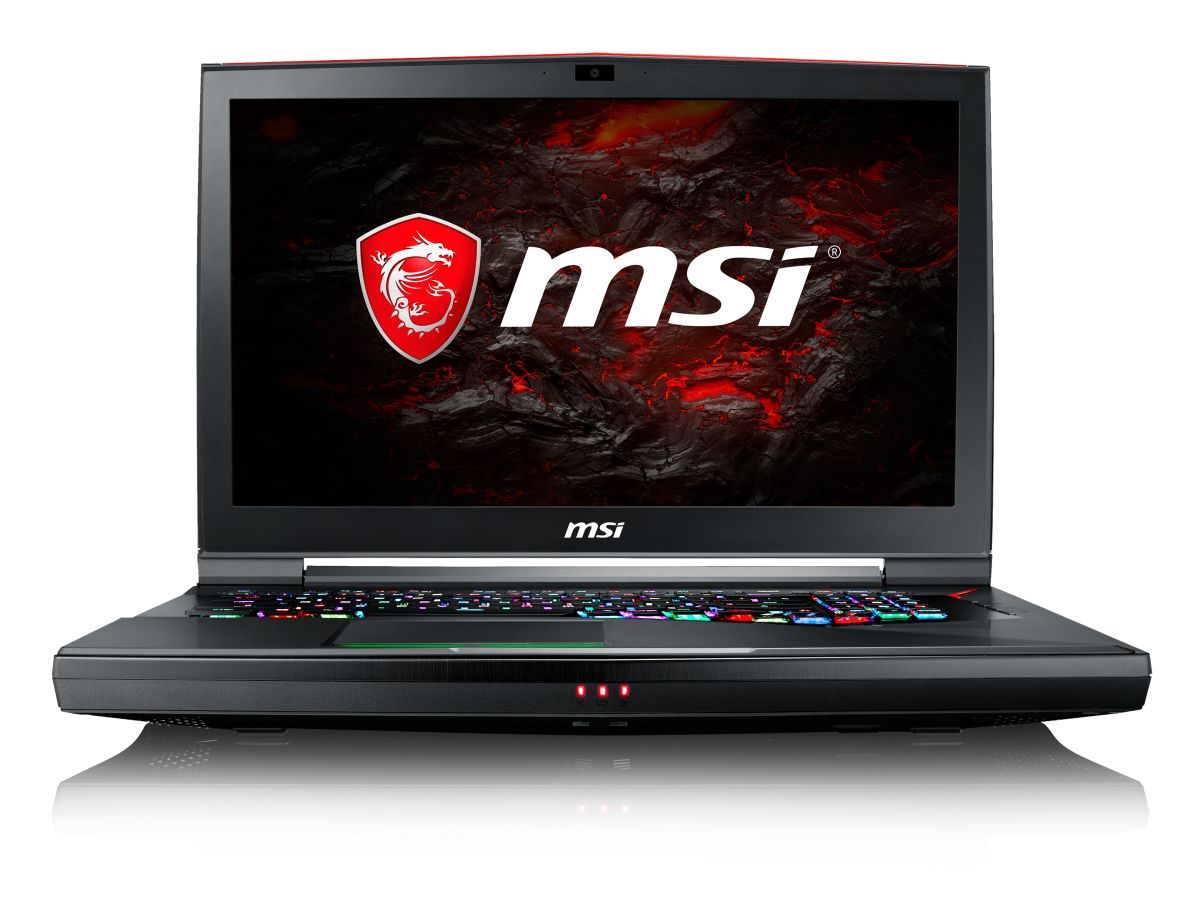
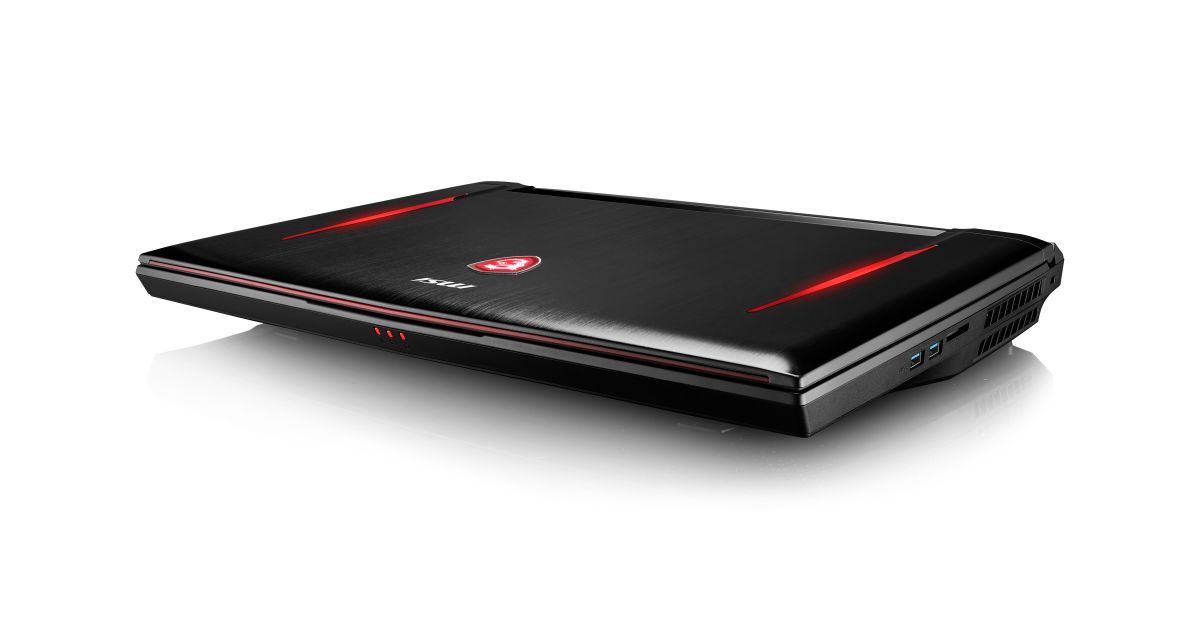


MSI GT75VR 7RE-222IT Titan gaming laptop supports memory upgrades through four SO-DIMM slots. Specifications indicate DDR4-SDRAM compatibility operating at 2400 MHz frequency. Maximum RAM capacity reaches 64 GB when fully upgraded. Compatible memory modules must match DDR4 specifications and SO-DIMM form factor. Existing slots allow installation of additional RAM to enhance system performance. Upgrade compatibility requires DDR4-SDRAM modules adhering to MSI GT series requirements.
Memory Upgrade Specifications
| Specification | Value |
|---|---|
| Memory slots | 4x SO-DIMM |
| Form factor | SO-DIMM |
| Memory type | DDR4-SDRAM |
| Frequency | 2400 MHz |
| Maximum RAM | 64 GB |
| Voltage | 1.2V |
| Number of pins | 260-pin |
| Interface | PC4 |
| PC Speed Rating | PC4-2400 (PC4-19200) |
| Bandwidth | 19.2 GB/s |
| Laptop Release date | 24 March 2018 |
Additional Notes
- The MSI GT75VR 7RE-222IT Titan chipset enforces a 16 GB per slot ceiling, preventing installation of denser 32 GB modules that exist in DDR4 SO-DIMM format.
- Four memory channels require matched module configurations to avoid reverting to dual-channel mode, which halves theoretical bandwidth from 76.8 GB/s to 38.4 GB/s.
- Mixing 2400 MHz modules with faster DDR4 variants forces all memory to downclock to the lowest common speed, negating any frequency advantage of premium modules.
- Non-matching CAS latencies across populated slots introduce timing inconsistencies that may trigger training failures during POST or cause system instability under sustained loads.
- Single-sided SO-DIMM modules under 8 GB density typically exhibit lower power draw and thermal output compared to dual-sided 16 GB configurations, affecting sustained performance in thermally constrained chassis zones.
- Accessing all 4 slots necessitates complete keyboard assembly removal on this chassis design, as bottom panel access exposes only 2 slots while the remaining pair sits beneath the primary input deck.
- ECC SO-DIMM modules physically fit the 260-pin socket but remain incompatible with the HM175 chipset, causing boot failures if installed.
- Running 4 populated slots at 2400 MHz stresses the memory controller more than 2 slots at equivalent speed, occasionally requiring voltage adjustments from 1.2V to 1.25V for stable operation outside factory specifications.
- Kaby Lake mobile architecture officially supports DDR4-2400, making higher frequency modules function only if the BIOS exposes XMP profile selection, which remains absent in most factory firmware revisions.
- Warranty preservation requires avoiding physical slot damage during installation, as the SO-DIMM retention clips on gaming chassis often use reinforced metal rather than plastic, demanding precise insertion angles to prevent socket pin bending.